Full Transcript Sponsor Message: Tax Planning for Physicians 0:03 Quick question. Are [music] you paying more in taxes than you should? Most high 0:08 earning physicians overpay [music] by tens of thousands because their CPA only 0:13 looks backward, not forward. Guilt is different. Dedicated CPAs powered by AI 0:20 that work year [music] round, not just at filing time. tax strategy and 0:26 proactive planning [music] for practice owners, investors, and physicians with 0:31 complex financial lives. Built specifically for professionals who want 0:37 to keep more of what they earn. Check out joing guilt.com. 0:43 That's [music] j o i n gt.com. 0:52 If [music] you work in healthcare, you already know this. Conflict is 0:57 everywhere. In the O, [music] in labor and delivery, in committee meetings,
SPARC Framework for Healthcare Conflict 1:03 between physicians, nurses, administrators, and teams that are all 1:09 trying to do the right thing. But here's the problem. Most of us were never 1:14 trained to handle conflict well. We learned procedures. We learned 1:21 diagnostics, [music] but we didn't learn how to navigate the 1:24 moments when few professionals strongly disagree. 1:29 That's why I developed the SPARC framework. 1:33 Spark stands for stop, pause, ask, don't assume, 1:40 reflect, and respond, [music] and create a path forward. 1:46 It's a practical system [music] designed specifically for high stakes healthc 1:50 care environments through keynote talks, residency 1:54 workshops, and spark master classes. I teach physicians, [music] 2:00 nurses, and healthcare teams how to turn destructive conflict into productive 2:05 [music] conversations that strengthen teams and improve care. If your 2:10 hospital, residency program, or medical conference is [music] looking for a 2:15 speaker on conflict, communication, and leadership in healthcare, [music] I'd 2:20 love to work with you. You can learn more in the show notes because in 2:25 medicine, conflict is inevitable, but handled well, 2:31 it can [music] make teams stronger. 2:42 >> [music]
Scalpel and Sword Introduction 2:47 >> In every operating [music] room, in every ward, in every clinic and every 2:52 team meeting, a silent battle bruise, conflict, [music] 2:56 negotiation, identity. 2:59 Welcome to the Scalpel and Sword podcast where I, Dr. Lee Chararma, physician and 3:04 conflict analyst. Explore the hidden negotiations beyond modern medicine. 3:09 Let's trade burnout for boundaries [music] and learn the art of healing 3:12 with precision and power. [music] 3:18 Hello my peaceful warriors and welcome to the scalpel and sword podcast. I am 3:23 your host Dr. Lee Chararma, physician and conflict analyst. Now I want to ask 3:28 you a question. You've spent your entire life building a 3:34 life that you love in terms of what your desired profession is, in terms of your 3:38 family. You focused on this and in a sense medicine self- selects out people 3:44 who are driven to be successful. But what happens when that success becomes 3:50 its own high pressure system? How do we learn to lead within that system and 3:57 still be true to ourselves and still be accountable for how we're showing up in 4:01 those systems and as leaders? And our guest today is definitely going to help 4:06 us h get into this in a really beautiful way. I'm so excited to have on the
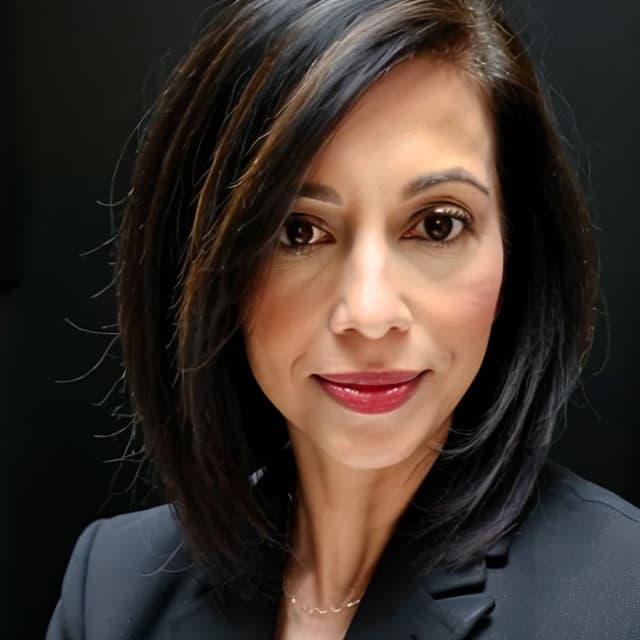
Erin Tracy on Leadership and Motherhood 4:10 podcast Erin Tracy. Erin is a business and leadership coach and consultant who 4:16 works with high achieving professionals navigating pressure, responsibility, and 4:22 change at work and at home. Raised in a large Appalachian family business, Aaron 4:28 brings a practical real world understanding of how communication, 4:32 conflict, and accountability shape the way people lead. Her work focuses on 4:38 building stronger teams, healthier relationships, and the emotional 4:43 steadiness needed to lead without losing ourselves in the process. Erin, welcome. 4:51 Hello. Thank you so much for having me. I'm so excited for this conversation. 4:56 So, one of the things that we were talking about off mic that I really hope 5:01 we can spend time with today is that we're getting close to Mother's Day. 5:05 We're actually recording this the week before Mother's Day and 5:10 we have talked a lot about being doctors and leaders on the podcast, but I think 5:15 being a mom and a leader >> is a really important role and you 5:21 actually share that you work with your kids currently. 5:24 >> Yes. >> At what point in doing this with your 5:28 children did you realize being in a mom in a leadership position with your 5:32 children was going to help you grow as a leader? I think it was always there. I 5:36 was also raised in a family business, so I had been the child and the grandchild. 5:41 My grandfather started the business, so I knew it as the kid. So, it was really 5:47 interesting to become a grown-up and add the next generation into the mix and be 5:54 their boss. But it was definitely one of those you had to have conversations at 5:59 work. I'm not mom, I'm Aaron, or it's a little weird sometimes to have your kid 6:06 call you by your name. But word, you have to change some of those lines. We 6:12 having a conversation with my kid and they're like, "Why can't you get so and 6:16 so to take my shift?" I said, "Cuz you're asking mom to help you." Me 6:21 having a conversation with an employee, that's their boss asking and that's not 6:26 fair. and that light bulb in their own head of oh yeah it is different when mom 6:32 is the boss they have to carry a certain amount of leadership on their shoulders 6:38 too cuz people are going to look to them and say what does your mom want that is 6:42 really interesting that you had to step into that and actually part of that 6:46 differentiation of roles with you being a mom and their boss was the fact that 6:50 they had to call you something different that they recognized in that work 6:53 environment that they weren't going to call you mom but it it worked 6:57 better, but it also kind of helped them to go, if I had busted them this 7:02 afternoon about cleaning their room or doing chores that are household chores, 7:06 we have to have a way, especially for us, but the people with us at work or at 7:12 home, to know where the line in those two places are because we can't take the 7:17 fight we had about cleaning your room or the dirty dishes, we can't take that to 7:22 work or the not that we fought, but like the fight at work of why aren't you on 7:27 time or why isn't this expectation met of the job that can't come home. I can't 7:32 give them the second lecture. So, >> and that's so huge, right? Because 7:37 sometimes, especially as leaders, if we're like saying if we translate that 7:41 to maybe being friends at work with somebody and maybe you're a 7:48 Yeah, I'm going to go out and have a glass of wine with you later on today, 7:51 but right now we are working and so we're going to have to step into that 7:55 very different relationship as workers. And I think that's hard because 7:59 sometimes people have a hard time seeing that's a different relationship. But you 8:03 definitely when you're working with your children, it's even more vital that the 8:08 children get to see right now I'm not your mom. It's vital to the kids. It's 8:12 vital to the employees. They have to know the standards are the same. They 8:17 have to know that I hold one just as accountable as another as the leader of 8:23 the business because then it's not fair. Then they start to go that one can do 8:27 whatever they want. So there were even conversations before they started in the 8:32 business. You have to understand the expectation is a bit higher for you 8:37 because they're going to watch what you do 8:41 >> to know if they get away with it, I get away with it. And so they also have to 8:46 set a standard at a really young age. The first kid started working in the 8:50 restaurants at 15. That's a pretty young age to carry a little bit of leadership 8:56 and example. you've got 30 year olds in the room and they're watching the 9:01 15year-old to see what that looks like. If you make sure and treat your 9:06 15year-old that way, the others are going to go, "Oh, okay. They made her 9:09 follow a standard. That must mean I I got to follow the standard, too." And 9:13 that's helpful, but it's also helpful when you get home and you need to go 9:17 back into parent role. I need to move back into my parent. Is your homework 9:20 done? Is this ready? Is that taken care of? You have that line. We're not going 9:25 to have a conversation at the dinner table about yesterday's work. You're not 9:31 going to get fussed at twice or complimented twice, right? It's that 9:36 same kind of dynamic you have to be really cheerful of, but it's one that 9:41 certainly teaches a lot, but it also taught them a lot. They are now almost 9:45 25 and 20. So you see that maturity change too because they've already seen 9:52 some of those lessons that maybe other folks haven't necessarily learned of how 9:56 they have to present themselves at work. >> 100%. I I love that. When I was working 10:02 with my kids, we taught martial arts together. So I was the senior instructor 10:05 and they were the junior instructors. And by tradition, we call black belts 10:09 Mr. and Miss. So I was Miss Sharma, they were Mr. and Miss Sharma. And as soon as
Training, Delegation, and Feedback in Medicine 10:13 they stepped into that role, those were the names that we used. And to this day, 10:18 when we train together, it's still those roles. It's Mr. and M. Actually, my 10:22 son's girlfriend is now one of my students. And so, one of the things I 10:25 had to tell her, it's okay. Now, when your boyfriend is on this training 10:30 floor, he is no longer your boyfriend. He is Mr. Chararma. He is a black belt. 10:34 And that relationship shifts. and understanding from watching them at a 10:39 very young age see that not only did I expect certain things of them that I 10:44 expected from all of the certified trainees and instructors that I pushed 10:48 them a little harder because I knew what they could do. And so if they were not 10:53 performing at a level or doing the things that was expected of them, I was 10:58 going to be harder on them. And sometimes they were like, "You were kind 11:02 of hard on me today." I'm like, "Yeah, and I was." But the reason why was is 11:06 because I actually know you and I'm not gonna let you slide. I'm gonna hold you 11:10 to a standard and sometimes a little higher. And I think the first couple of 11:14 times it was kind of like and then they started to see, okay, this is part of 11:19 love. This is part of you loving me is that I am expecting this of you. It's 11:24 like I'm not I don't want you to just be mediocre because I know how good you can 11:28 be. But I think that also helps them because now like you said, our children 11:32 sound like they're very similar age groups. I've got a 27 and a 26-y old, so 11:36 these mid20 kids. But one of the things that I love is that I know pretty much 11:42 every boss they've ever had in every job that they've had. 11:46 >> Your kid is one of my best workers. And I always say they started working at a 11:52 very young age. They understood professionally what was going to be 11:55 expected of them. And they actually learned to fill that role. And now 11:59 they're carrying it out with other people. So they've got other parents now 12:02 that are actually doing this for them, which I love. 12:05 >> Yeah. >> So, at what point in your life did you 12:08 start to see that you had learned so much about leadership? Because it looks 12:11 like you really got this at a very young age. You grew up in a family business. 12:14 You grew up in a big family in Appalachia. At what point did you start 12:18 to see that your insights into leadership were going to be things that 12:21 you could actively give other people? I think as I moved, I was the oddball in 12:26 the family. I went to journalism school. I was all engineers and business majors, 12:32 not a math girl, went to journalism school, a creative leftrain. So that was 12:38 strange. But then starting in my TV career and immediately starting to just 12:45 naturally in conversations and how things worked in the room was, wait, 12:49 this is how that should work and this is how that should work and this is how you 12:53 would talk to somebody and this is how you show up for the job. I had worked in 12:58 the family business. The any I make the joke anytime you got two or more of my 13:04 uncles or great uncles in a room together, it was suddenly a boardroom 13:08 and you were in trying to eat your spaghetti before soccer and suddenly 13:14 it's all of the employee things and what would be the leadership team meeting and 13:18 you're like, "Oh, look, you're cool. Great." And so it was going through some 13:22 of those and wait a minute, don't you just know that you're supposed to fill 13:27 in the blank X Y or Z and you slowly start to realize no, other people didn't 13:36 have that as an everyday part of life. And so you really had to be a little bit 13:42 more patient and step through some of those things. And then as you hit those 13:46 different kind of conflicts or critical conversations and how do you explain to 13:50 somebody on the team or train somebody on the team what needs done it's oh I 13:56 got this. It's easy because it was how it was done for us as we came up through 14:01 that family business is how they would line up with folks and kind of come 14:05 shoulderto-shoulder with an employee and have them walk through and explain 14:09 something. The hardest thing as a business leader in any business is to 14:14 let someone else do it, especially when they ask you a question. So, it was 14:19 learning that a business leader or a parent is coaching. It's I can't go out 14:26 on the soccer field and play the game for you. I can't do homework for you. I 14:34 already finished fifth grade or my junior year of college or I already did 14:39 that. Can't do it again. There's a rule. You can't do it twice. When my kids are 14:44 very used to that excuse growing up, like mommy, you no, I already graduated 14:48 third grade. I'm good. I know how to do that. I'll sit with you and walk you 14:52 through that. And then the same thing at work. I'll sit with you. I'm going to 14:57 come sit beside you. You don't understand how this works. I want you to 15:01 start the process and when I see where the problem is, I'll jump in. And that 15:07 was just how business worked in the family business and you would watch that 15:12 kind of concept to figure out how things work. And so it was very much how I 15:17 approached my kids with how they approached work and skills and different 15:21 things growing up. And then it's work incredibly well at work, but it's so 15:26 hard to tie your hands behind your back. you watch your 20-year-old or your 16y 15:30 old or your 12y old move into a lane that you're like, "Oh, this is not going 15:35 to end well." If they were four, you could just stop it. But now they're 14 15:41 or 24. And you can't. They have to learn it. 15:45 They have to see it because that's going to be the best result for them. They 15:49 have to experience that. And so you start to realize how much of your 15:54 parenting and your leadership are the same skills. 15:58 My husband and I were just talking. We have one who graduates this weekend for 16:01 Mother's Day weekend. He graduates from college. And so it's having our older 16:07 kids. It's like it's way harder to parent a 22year-old than it was the 16:11 2-year-old because we get no vote. It's we can see where the speed bumps are. We 16:17 know where the potholes are, the edge of the road. 16:21 We can guide but we can't do. And the same thing happens at work. We can 16:25 guide, we can advise, we can show you different tips, but we can't do it for 16:32 you. And that's so hard on both front. Yes. There's so much that you're talking 16:38 about. Okay. I just love this, but there's so much I want to get into you. 16:41 So, when you talk about this idea of I can guide you, but I can't do it for 16:46 you. Doctors are horrible about this. We are horrible about this. And we are not 16:52 good at letting go of a process. And as a result, we take on way more than we 16:58 need to be doing. I could train somebody in my staff to do X job. I can train 17:03 them to do it. And it would take minutes off my day. It would take many things 17:07 off my plate to free me up maybe to do some other things. But instead of 17:11 actually investing in the process of as you say so beautifully tying my hands 17:16 behind my back and being there to watch them in the process and advise it which 17:20 will take me longer initially, right? It's going to I'm going to have to 17:22 invest in this and initially it's going to be really frustrating because I know 17:26 that I could do it in three minutes but instead I want to train this person to 17:30 do it. So that's empowering for them. They've gotten this really great skill. 17:34 They have learned how to do this and I'm freed up to do other stuff. But we're 17:39 not good at releasing control of that process, are we? As a high achiever 17:43 myself and knowing to get through a whole educational career of being a 17:49 doctor, you have to be a high achiever to go through that whole process. So 17:55 it's one of those we have to learn different skills than what we learned in 17:59 school. So one of the ones I like to use especially with a higher tber two 18:03 minutes of training can save you 10 hours of work. So if for 2 minutes today 18:11 I spend with this particular employee or associate that you're working with or 18:17 even maybe a med student that you are also training right if it may be a lot 18:22 easier to do it for that med student but they're not going to learn anything and 18:28 you're going to be back here next week doing it again. And so if we spend this 18:32 2 minutes with those hands tied behind our back and say, "I'm not going to do 18:36 it, but I want you to do what you think from all of this training that you've
Burnout, Boundaries, and Generational Differences 18:42 collected." Right? You're not brand new here. All of the training that you have, 18:47 I want you to show me what you can do. And then when we get to 18:52 where I see a thing and then so often you kind of stand there and your hands 18:56 are behind your back and you're like, "Yes, yes, yes." And you just giving 19:02 that approving sign and they realize one, they probably knew the answer. 19:08 Obviously, not as well as you because you have more experience and you've 19:11 already done that procedure or that kind of test or that experience that you've 19:16 gathered in all of these years. But you start to realize and so do they that 19:21 they have gathered a lot of that experience and it's come to them and so 19:26 you may get through the whole thing and they go yeah you had it perfectly you 19:29 didn't need me but now you have the confidence a that this person that 19:34 you're training or working with also has the knowledge and you're like okay yes 19:41 check they've done it I don't need to stress about them they've got these 19:45 things now I need to move to I need to encourage them remember Yesterday you 19:49 did that thing on yourself. You go do this thing today and when you know 19:54 there's a problem, come get me. And now we're building them up and making them 19:59 better medical professionals and you're freeing up your time. So that 20:05 2 minutes today is 10 hours this week of redoing work, of doing it in a 20:12 repetitive nature. And you've built them up. So next week when you have the next 20:17 layer of work to add, they're ready to take it on and they want to show you 20:22 look I can do it. I don't I'm I am listening now. You know, oh they are 20:27 listening or they just needed a tweak. Maybe it was just one little thing. They 20:31 hit that one spot and you go okay so what are the options here that you would 20:36 choose and maybe they're close but not quite. And so you can make that slight 20:42 adjustment but again you know they've been paying attention. you know they've 20:45 been listening because they answered so many of their own questions or as you 20:50 gave that an answer where they did have that small little hiccup they go oh yes 20:54 that's right I did understand this I do remember that now and so by doing those 20:58 things you help yourself and the next person that's you're bringing through 21:03 that process so two minutes every day of training I can already tell you that 21:08 clip right there is going to be one of the clips we use for the episode because 21:12 this is so hard for physicians especially physicians you have medical 21:15 students and residents to wrap their brain around that 2 minutes that you're 21:18 taking to actually support that learner through that process is going to be 10 21:21 hours later on. And I think there's a couple of other really big points about 21:26 what you just said that really are so powerful. The first one is that it's not 21:31 just the 10 hours, it's the 20 years of having them go forward and being out in 21:37 clinical practice. You're not just growing a medical student's rotation, 21:40 you're growing a future colleague. And so that 2 minutes you're investing has 21:45 much much larger ramifications than even the 10 hours is already massive, right? 21:49 But then you think about that 2 minutes being the next 10 years of their career. 21:53 Wow. Okay. Let's put that in math of how many patients they're going to see, how 21:58 many colleagues they're going to support. This is big math, right? I'm 22:01 like you. I've done just enough math to get through math. and the encouragement 22:05 that the person who's leading you cuz let's a med students looking at a doctor 22:11 and going that's where I want to be. They see that as the goal. So if they 22:15 hear back from you you've got this I believe in you. You just did it without 22:20 me. Now I need you to do that on the next three patients and then come back 22:25 to me. That encouragement too. How much learning does that open up for them of 22:31 the next thing you need to teach them? What's the next layer on top of that? 22:36 So, it's really helpful. And as a prospective patient to that med student 22:42 that's a future doctor, I'm really going to appreciate that they had that because 22:47 it is going to teach them so much and take care of me and other patients or 22:51 other family members. >> Absolutely. The other thing that I love 22:55 about this process that you're talking about, and I think this is such a big 22:58 topic right now in medicine, medical education, is that when I came through 23:03 in the 80s and 90s, the rule was see one, do one, teach one. You watch this 23:07 thing once and then you were expected to go do it. You were not going to get 23:11 feedback for it. The only feedback you might have got was negative. If you did 23:15 it wrong, you were going to get feedback, but if you did it right, you 23:17 probably didn't. And then once you've done it once and hopefully did it okay, 23:22 then your next job is go teach somebody else. And the only feedback you probably 23:27 get would maybe be at the end of the rotation. Maybe you get your written or 23:31 you get your grade, but you were probably not getting a lot of especially 23:35 positive feedback as you were going through this learning process. And that 23:39 was how we grew up. And it was one of those things that I don't think my 23:42 generation or at least for me anyway, I didn't question that process. That was 23:47 just the process. and I accepted it. But the learners who are coming in now, they 23:52 question the process. And the way that they learn is not the way that those of 23:58 us who are teaching them learned. So what you're talking about in terms of 24:03 doing this, we're going to take the two minutes. I'm going to watch you and then 24:06 at the end of it, I'm going to say that was really good. That was really good. I 24:11 would tweak X or Y, but that was fantastic and I really like how you did 24:15 that. And so now I'd like you to go do X. And what my generation has to learn 24:19 is that is how we teach this younger generation. We give them shortterm 24:25 ongoing feedback. We don't give them feedback at the end of the rotation. And 24:30 in giving them that shortterm feedback that is how they have learned and it's 24:35 what they expect from the process. It's a matter of us understanding that. And 24:39 so instead of hear when I hear conflict between attendings and medical students, 24:43 I was talking to an attending Friday, literally having this conversation about 24:47 I don't know what to do with this new generation of medical learners. I don't 24:51 know how to teach. And so when you're talking about doing this very specific 24:56 process, this is the kind of thing that people in meded really need to embrace 25:00 right now to help them understand this is imperative in how we teach this next 25:05 generation. Because if you go back to the way we learned and the way we were 25:11 taught, we knew just it was plow through, get through, at the end 25:15 there'll be a grade. That was what our kids have learned is they've learned by 25:21 watching us be burnt out. They've learned by watching us make ourselves 25:26 exhausted. They've learned all of those different things. They don't want that. 25:31 So they've also, you know, and we do talk about it a little bit and you still 25:37 see it in a lot of places that participation trophy mentality. So we do 25:42 want to switch from that because that's not going to be helpful in any field. 25:48 But really in medicine, I do not want a participation trophy doctor. That's not 25:54 the doctor that I want. Right? Nobody does. But we do have to find the ways 25:58 that we can get through to that new generation. And if we lose them in the 26:04 process of this semester or this term or whatever, we've lost them and we wait 26:10 till the end to be like, "Yeah, you're doing a great job." They'll be like, 26:13 "What?" You know, you they're gone. They're already because they aren't 26:19 staying in those spaces. They need to know where they stay in. That's part of 26:24 what they're doing. And so by being there there to show up in those minutes, 26:29 those micro minutes, those are the ones that really need and in the same way in 26:35 the reverse. If they are troubling, if they are doing something that you're
Why Questions Matter in Teaching 26:40 worried about, they need that micro feedback in the moment to know where to 26:46 make the correction. Not at the end of the semester. Remember back three months 26:51 ago when you did X? That was wrong. It's not helpful. But also go back to that 26:56 parenting concept. You don't punish a kid for what they did last week. You 27:01 punish them. We punish right now or we celebrate right now. Those are the two 27:06 things we have to remember. It comes back to those same things. Use that 27:09 skill that you used at home. You would not punish your 16-year-old for wrecking 27:14 the car 3 months from now. They wrecked the car. We deal with it today. And so 27:20 we need to do those things with anybody who's working for us or a med student or 27:26 any of those spaces. We need to be doing it in the moment. It doesn't have to be 27:30 harsh. It doesn't have to be like a full party with streamers. But if we're 27:35 having all of those micro conversations, we're going to learn way more about the 27:38 people that we're working with, but also what motivates them and what they're 27:43 really good at. So, we know what this person needs more of our time in and 27:47 what they need less of our time in because that's the things they're 27:50 catching. >> That's I love that. I love that so much. 27:54 And I love how you phrase this as a micro conversation that and I think 27:58 that's a really important point to emphasize because especially I think in 28:01 the clinical situation, people will sometimes see I don't have enough time 28:05 to have this conversation with the student right now. I know I need to have 28:07 the conversation. Like you said, this course correction or praise or whatever 28:11 it needs to be needs to happen in the moment in real time. And I think a lot 28:15 of physicians are hesitant to do that because they feel like this is going to 28:18 be 10 minutes out of my day. No, it doesn't have to be 10 minutes out of it 28:20 can be 30 seconds, but those 30 seconds can be really valuable in helping that 28:25 learner see what you're seeing because again, they don't have the benefit of 28:29 your experience. They've only just started doing this. You've been doing 28:31 this for 30 years. They don't have the benefit of that. There's one thing you 28:35 brought up that I really want to get into because I think this is one thing 28:38 that this younger generation coming up is really good at that we are needing to 28:42 get good at and it's the recognition of how leadership and burnout intersect. We 28:48 are not good at it. Many of us are in leadership positions and to be perfectly 28:53 honest I think if you're a professional in any sphere of reference in your life 28:57 you're a leader. Congratulations whether you thought you had the title or not. So 29:02 is that something that you also see is this intersection of expressing 29:06 leadership and burnout? >> Yeah, I think one of the things that Gen 29:10 X has certainly taught our millennial, Gen Z kids was we worked ourselves to 29:19 death. And so we weren't there for a lot of the things that our kids wanted us to 29:23 be there. They saw us stressed. They saw us burned out. They remember what that 29:28 conversation was like. like you all need to put your phones down in a gang chore. 29:31 Meanwhile, mom or dad saying it while typing on their phone or returning a 29:35 phone call or their smartwatch going off. And so what they learned from all 29:39 of those things is they don't want that. And so what they connect to that is 29:44 being the leader means being that. >> So they are trying to find ways to keep 29:50 themselves from being in those same spaces that they saw their parents in 29:56 because they saw what it looked like. And I go back to my kids saw my burnout 30:01 because I certainly went through it and had no idea that's what it was until 30:05 well into the situation. But, you know, they saw how hard I worked at work, but 30:11 they also got the purview that I was sitting at home at midnight working on 30:15 next week's schedule or doing accounts receivable or doing so they saw what 30:21 business ownership was that it really was a 19 and a half hour day. Yeah. 30:28 >> of that. And some days the only time I saw them was at work cuz by the time I 30:33 got home they were in bed or off to whatever. So they have learned that's 30:38 not what they want to be. But somehow we're mad at them for learning that and 30:45 drawing those boundaries, which is where Gen Z really and millennials too really 30:50 draw those boundaries. They're like, "No, my workday is X. My personal time 30:55 is this." you cannot message me, I will not return phone calls. And they've 31:01 drawn those lines and that's why. So, we can't really be mad. But if we're having 31:08 those micro conversations along the way, when we do get to one of those important 31:13 kind of generational conversations, I need this out of you. If and we 31:18 understand that we can even approach them with maybe why are you approaching 31:22 this in a different kind of way or your schedule does need to be harder 31:28 folks of whether med students or doctors or whatever there's on call and there's 31:34 crazy schedules and there has to be some flexibility to that calendar which is 31:39 really hard. So having those conversations about how you manage that 31:43 being a professor that's teaching med students, they want to know how do I 31:48 parents my kids and show up for my on call weekend and where where are those 31:55 lines? And so talking to them about them even in those micro conversations are
People-First Culture and Servant Leadership 32:00 going to be so much more helpful. But you may also learn some things from 32:05 them. not just being the teacher. You may become the student and go, you know 32:10 what, this is where I need there. That's really smart. Maybe we do need to redraw 32:15 how I do my day or how I function in my own world because we're learning those 32:19 things from them. And I'm so glad you said that because I do think that's one 32:24 of the things I love about working with medical students is I feel like I not 32:27 only do they have such passion and true love for the patient. That's one of the 32:32 beautiful things about having medical students is they are very much invested 32:35 in the process for the right reasons. And if you're having a bad day and you 32:38 feel like you could slam the door, you've been around a medical student for 32:41 a little bit, it's okay, this is a reason I'm here. And I think it's really 32:45 important to have that relationship with them for that. But I think the other 32:48 thing is that somewhere between, and I love how you talk about this because we 32:54 did create this burnout situation by not setting our boundaries and by working 32:59 ourselves into the ground. And they did see us do it. And I love how you said 33:03 that because when you said that, it's like, of course they think the way they 33:06 think. They don't want to be us. Of course they see this. And so they are 33:11 doing what they perceive as the right way to prevent that from being them. 33:17 And so unfortunately rather than embracing where that's coming from, 33:21 which is I saw what you went through and I'm sorry you went through it, but I 33:25 don't want that to be me and something between, but there's still patients need 33:29 to get taken care of. And I think again it comes back to this idea that one of 33:34 the problems that I think sometimes senior medical staff have, and I've seen 33:37 it and I've done it, is that this generation of medical students coming 33:41 up, they like to question. They will absolutely call you out if they think 33:46 that you did something that they don't agree with, they will say something to 33:49 you about sure that what you said was right. And I was telling my husband 33:53 this, would you have ever said that to an attending when you were a medical 33:56 student? Even if you thought it. And he said something interesting to me. He 34:00 said, I think if the patient was truly in danger and I saw something, I think I 34:04 would say something. I and I probably did. But if it's just a question of 34:07 maybe I don't agree with your management on X, maybe this drug or that drug, I 34:11 wouldn't have spoken up. I might have said something to my resident later that 34:14 I certainly would have said community attending. And this generation has has 34:17 no problem doing that. And so we need to not 34:22 as a culture, we need to actually embrace the fact that they are 34:26 questioning >> and and sometimes the answer might be I 34:30 don't know, but I'll go find out. I'll research that and I'll get back to you. 34:33 And they're fine with that answer just like patients are. But we need to 34:37 actually encourage that dialogue because somewhere in between these two 34:41 worldviews. There is the place where we can actually prevent burnout and still 34:45 provide great patient care that exist. >> I love that anybody who is asking why. I 34:50 just that's the person I want to clue in on in a group whether I'm a group that 34:54 I'm working with. I'm sure as a med student the ones who are asking why. And 35:00 there's the great psychology to asking why and what it teaches our brain. And 35:04 it gives you that response to something. And it's if I understand why I do this, 35:11 why the body works this way for a med student, why this would be the way that 35:16 I should approach this, it's going to stick far better and far longer. So it 35:21 goes back to those micro conversations. if I teach you why, it's going to stick 35:26 way longer and it's going to have more of an impact than just do this. And then 35:31 it's fill in a blank, they're like, "Okay." So, they're probably going to do 35:36 whatever that thing is at 60% because they're like, "I don't know why 35:41 I'm doing this. I just know I'm supposed to poke a needle in or give this pill or 35:47 and they don't understand why." And so we're not doing any benefit, especially 35:51 in this case for a patient. But if they're willing to ask me why, I'm going 35:56 to tell them why. I teach why. So in our businesses, as we train people, if this 36:01 is what you do, you do this, here's the steps, and here's why this is the step. 36:07 Simple as simple as we would have folks answer the door. And I'm like, because a 36:10 restaurant is a house. You hear all the time, front of house, back of house. We 36:14 don't have front of house, back house. We have a house. And in our house, we 36:19 answer the door. So to get folks literally would be greeted at the front 36:24 door of the restaurant. It would be the doors held open. We welcomed people in. 36:29 It's because this is a house and you don't somebody doesn't just walk into 36:33 your house. They come to the door. So we're going to open it as a restaurant. 36:38 I can get 15year-olds to answer a door because now it makes sense. Yeah. They 36:44 understand it. And your people all the time were like, "How do you get these 36:46 kids to answer a door?" We told them why, but you told them why, but then you 36:51 did something really cool and I want to get into this is that you created a 36:56 culture when you said it was a house. When this is not a building, this is a 37:02 business. This is a house. And when you're actually creating a culture 37:05 around a professional identity, you've actually said this is our professional 37:08 identity. And one of the things my office manager does, and I want to dig 37:12 into this more, is that in our office, we answer the telephone. We do not have 37:18 a robo answer. We have humans answering phones. And why do we have humans 37:23 answering phones? Because humans care. Robos do not. And what is the identity 37:30 of this culture in this practice? We care. And this is why. So when you 37:35 connect the answering the door, this is a house. 37:37 >> We are invited to go to the house. this is why you answer the door. You are 37:40 connecting this behavior to a very specific identity. And I love how that 37:46 manifests and people go, "How did you get them to open the door?" I gave them 37:49 professional identity and they understand it now. 37:51 >> When having that answer, that person answer that phone call. It's they know 37:56 who the f people up front are that are answering the phone. So, it's that 38:00 person I see every time I come into the office. Oh, Sally answered. Oh, it's 38:04 Sally. Thank goodness. Sally, this is Sarah. and you're like, Sally doesn't 38:08 know who Sarah is really. But it doesn't matter because it's familiar to the 38:14 person who's calling, >> right? 38:16 >> And they automatically put a situation at ease because it is a person. They 38:22 didn't have to hit a button and get to a person or get bumped off or and so that 38:26 does make a huge difference to a patient who may be stressed about test results 38:32 or getting an appointment or not feeling well today. So it makes a huge impact on 38:36 them and that culture also then impacts that doctor because you think about the 38:40 whole process of that customer from the front desk all the way through to the 38:44 physician and then checking back out again. You've already started on a 38:48 positive personal connection that makes a difference for everybody through the 38:54 day. >> Absolutely. And this is one of the 38:57 things that you do in your work. You talk about people first culture. This is 39:01 something you do as part of being a coach. What is people first culture and 39:06 how can we start to create that? So for me people first it's I come from a 39:11 servant leadership background but servant leadership put me in burnout 39:16 pretty severely. I have three severely compressed discs and now bone 39:20 degeneration in my lower back because I was sacrificing 39:25 me to be the servant leader. And so I servant leadership I think doesn't teach 39:30 us to take care of us and our people. So from a people first leadership standard, 39:38 I'm a people just like all of the people in my business. So that lets me go I 39:45 have to take care of me and take care of them. And in taking care of both of 39:51 those things as one kind of group, it takes care of all of the rest of the 39:55 business. If I we're sitting there, if I'm worried about a system being too 39:59 stressful for the administrative staff in the office and we sit and have a 40:04 conversation to figure that out, that eases time for me. That takes pressure 40:09 off my shoulder. That empowers the people around them cuz every time you 40:13 rush in and go, I'll just do it myself. You take the night off, I'll do it 40:17 myself. So, what we actually did was take off accountability and 40:21 responsibility. and we've now taught them to throw all of the piles of all of 40:27 the work back to us. You had every ability to make the decision as the 40:32 office manager in a in your medical practice to make a decision that maybe 40:38 this patient is disruptive and we need to find a way to step away from this 40:42 patient. This may be we were a practice of so many but now we're a practice of 40:47 10 more. So that changes what it needs to look like. How do we make sure all of 40:52 our people are being treated well or being spoken to in the right way? What's 40:56 the right process of how to hand off different things that need done in the 41:00 office? So, as we approach those people and teach those wise, we are now 41:06 effectively making a positive impact on the core part of the business. And as we 41:12 do that, they take care of the rest of the business. I don't have to worry 41:18 about how client or a patient is being spoken to when they walk in the door 41:23 because my people are taken care of. So, they're going to take care of those 41:28 people. I don't have to worry about did they get a followup because we've 41:33 created a process and they're going to take care and make 41:37 sure that patient got the follow through to you had to send them to maybe another 41:42 practice to do a specialist or that type of work. They're making sure those 41:46 things are happy because they're happy. They're creative. Happy creative people 41:50 show up to work more. They show up to work more creative. They show up to work 41:56 and they make a positive impact on the people around them. Now, we start to 42:00 notice when Bobby is slightly off today. You're like, "Okay, Bobby's slightly off 42:06 today." So, we know to kind of step in and there's just something. I don't know 42:10 what it is. None. It's none of my business. If Bobby's off for three 42:13 weeks, we're now in a in a space that it's safe for me to go to Bobby and say, 42:20 "I just I want two minutes. Something's off. Just I'm checking on you because I 42:26 notice." >> Yeah. 42:28 >> They may not be ready to tell me what it is. They may be ready to tell me what it 42:31 is, but they at least kind of know that people around them do notice. Sometimes 42:36 all that needs is they like, "Oh, people are noticing. I'm just I'm in a bad 42:40 behind mood." So yeah, I do maybe they didn't realize that they were in the a 42:46 bad mood or in a bad situation or they were letting something at home affect 42:50 them that they don't want to have that much of an impact. So it lets them check 42:55 in and move on. And sometimes it's we find out something we need to be a lot 43:00 more aware of that we then can have some of those servant leadership tendencies 43:04 is okay, how do we show up for you? How do we help you? What do you need from 43:08 us? or do you need me to kind of give you a leave of absence? What needs to 43:13 happen? But if we're focused on those people, the rest of all of those jeans, 43:19 but the stuff falls off. You're not getting texts that people aren't coming 43:22 into work today or they're calling off or you're not getting the bad customer 43:27 service review patient survey that's the doctor was terrible and they were 43:32 horribly rude and they you're not getting those things because they're in 43:37 a much better state. they feel like they're safe in their space and they are 43:42 going to be able to give so much better service and so that kind of moves out. 43:45 So focusing on our people but all of the people by focusing on our people inside
Practical Intention Setting for Physicians 43:50 the business the people outside the business will be taken care of as well. 43:55 >> 100%. And I I love how especially the concept of the servant leader because I 44:01 do feel like physicians a lot of us who recognize it ourselves is like that's we 44:05 are here to serve but we are also in this leadership position and it is very 44:09 easy to get into the frame of reference is the better servant I am the better 44:12 leader I am and just to give and give and there's so many phrases I can use in 44:17 that you can't pour from an empty cup you have to put oxygen on yourself 44:21 before you put it on somebody else. There are so many of those that exist, 44:25 >> but it still comes back to the same idea. It's like at a certain point when 44:29 you are giving so much >> and you talk about this on your website 44:33 as well that you really can get to the point that you start to resent the role 44:36 that you really start to resent where you are because you have given so much. 44:39 And so the when you're building a people- centered culture, you're talking 44:43 about relationships with the people you work with, but you're also talking about 44:47 the relationship with yourself. you're also talking about that relationship as 44:51 being very much a part of building this person this people centered culture and 44:56 I think that as leaders that as we build those relationships and people feel like 45:01 I not only appreciate what you do for me I care about you as a human being and 45:06 you create that kind of culture I think you will have people who want to come to 45:09 work who are more happy serving who and I think patients feel that I've always 45:13 said that it's like being married and if you're having a fight with your spouse 45:16 and we're going to walk out of the house and no one's going to know that we're 45:18 fighting saying that's not really true. Everybody's going to there's something 45:21 that people are going to feel and I think patients are the same way. If you 45:24 have an office that's in disharmony, the care is going to suffer, but the 45:28 patients will they will know that something is off. You can feel it. You 45:32 walk into any business, I don't care what business you are, you walk into a 45:36 business and you can feel that they don't get along. You can feel that you 45:42 don't know what it is and you don't know who's picking it who and whatever, but 45:46 you just get there and you're like, "Oh, you just 45:50 >> But you also go into a business and people talking to each other. You see 45:54 how they talk to each other. You see them answering a door or a a 45:58 receptionist answering the phone as a person and you can feel that energy, 46:03 too. And especially when you're walking into a doctor's office, I want to be in 46:08 an office that's a little more upbeat because it's going to calm me down as a 46:12 patient. It's going to soothe where I am. So when you know those types of 46:17 things are going on, you instantly know it. And so it think about it as the same 46:22 thing as a restaurant. Not to equate doctors to a restaurant, but you go to a 46:27 restaurant and you're like, "That restaurant has good food, but the people 46:32 in there are amazing." So, I want to go back there because it made me feel good. 46:39 >> Yeah, >> the food's good. It's solid food, but 46:43 you're like, the people I I want to go back every time just to be around that 46:48 positive energy versus that place and you're like, they have amazing food. 46:53 nobody in the room likes each other and you're just like it tasted great going 46:56 down but somehow you still have indigestion which seems really weird 47:00 with really good food but it's because of the energy you were with and so being 47:05 able to create that space among your med students among your office staff are 47:11 going to make a huge difference and then they're going to be able to take care of 47:14 patients and patients families because let's face it you're now in multiple 47:20 readings of who's part of that medical journey of anybody who's coming in and 47:24 out of the office or the hospital. Those all of those people are involved. 47:30 >> I love this so much. So, we're coaching a physician. Let's say you had a 47:34 physician. They were coming in for your coaching. And let's just say you had one 47:38 thing, one thing that you could impart to them that you felt like would make 47:42 them a better leader, a better communicator, somebody who could create 47:46 a person first culture. What would you encourage them to do? 47:51 Start the day wherever you're starting your day with a touch of intention. And 47:56 so I like to tell people I am not my kids are grown so I'm not dropping kids 48:00 off at school anymore. So the quietest space is in my car. 2 48:06 minutes in my car. So that's where we're going to set that kind of goal for the 48:10 day. I'm going to make sure I give a Y at least three times today cuz I don't 48:16 you don't know how many times you normally do it if you're just starting. 48:20 So, let's make a three different times today. I'm going to This is why in that 48:26 calm kind of way. That's what I'm going to do today. And then you also pull back 48:30 into the driveway at the end of the day. Again, you're by yourself. And you can 48:35 think back through your day and hopefully you kind of did it through the 48:38 day. Oh my gosh, that was one. Look, I just wide with that med student. I just 48:43 wide with the the nurse who's got to run the labs back or whoever that person may 48:49 be. And so you start to check them off through the day and you get in the car 48:53 and you're now in your driveway. Not in the house yet cuz we're going to break 48:57 work off before we get in the house. We're going to leave it out here. But 49:00 we're in the car and you're like, "Look, I get to be proud of myself. I actually 49:03 did seven and only wanted three." Wow. And now I can put work down completely 49:08 and walk in the house and be what I need to be inside the house for my family, 49:11 for the people that I love there. And I left it alone. If we didn't get to three 49:17 today, we go, "Okay, great. We're going to start right back here in this same 49:20 car, in this same driveway, first thing tomorrow. Same time, same channel, same 49:25 goal." And so start in those really real places. It's not a New Year's resolution 49:31 of I'm going to lose 40 lbs in 30 days. And we all laugh and go, "Of course 49:36 you're not." And then wonder why we didn't complete this at day three. We're 49:40 like, "Look, I'm eating a milkshake and a bar of cookie dough. I wonder why we 49:44 didn't lose it." Don't set those types of goals. Set something you can get to. 49:49 If it's 2 minutes today, if that's the goal, I'm going to spend 2 minutes with 49:52 my hands tied behind my back so that I can free up 10 hours of myself next 49:57 week. Start there. But make it something that you can actually manage. But you 50:02 also don't have to chase down like a to-do list. 50:07 >> Yes. I love that. >> I think that's where we get mixed up 50:10 because if you're now in a rush of 75 patients of the day, that to-do list 50:15 becomes entirely too hard. Two minutes of training. And it doesn't have to be
Closing Remarks and Contact Information 50:20 all two minutes combined. You know, 30 seconds here and 30 seconds there, 30 50:24 seconds over here. And kind of go, "Oh, look, that's two down. Yay me." Yeah, 50:29 that's a whole minute. And so those are manageable in that very busy, very 50:34 hectic day. >> I love that and that's so actionable. I 50:38 think everybody who's listening like I'm already thinking in terms of setting an 50:42 intention in my car tomorrow before I get to the office what I'm going to do. 50:46 And I'm the person who loves my checklist and loves my to-do lists. So I 50:49 am that person, but also like you said, I frequently find that the to-do list 50:52 goes to the other end of the desk at you walk in the clinic door and that list is 50:56 going. So the idea of being very intentional about something that seems 51:00 like it's very small that has this very powerful ripple effect I think really 51:04 speaks to physicians and especially something that makes long-term impact. 51:10 Erin, if people have questions about your coaching or if they want to reach 51:13 out to you, how best would they do that? So I'm on all of the fun platforms so 51:17 that way I can show up for people wherever they are. So Facebook, 51:21 Instagram is coacharentracy. the website also coach andracy.com makes it simple. 51:28 I'm also on LinkedIn so people can find me a lot wherever they are and ask 51:34 questions follow the newsletter. You may not be fully ready or you may not need 51:39 coaching type of conversations. You may just I want to check in. Am I checking 51:44 in with myself? And so that's a nice little way to do that is in any of those 51:48 spaces. >> Absolutely. We will put those in the 51:51 show notes as well. Erin, thank you so much for being here and thank you for 51:55 your time. This has been an amazing conversation. 51:58 Thank you so much. I love doing this. This is fun. And if I know it's going to 52:04 be next week before it airs, but happy Mother's Day. Happy Mother's Day to you, 52:08 too. And for all of our peaceful warriors who joined us today on the 52:12 Scalpel and Swords. Thank you for being here with us. And until next time, be at 52:17 peace. 52:20 Every [music] episode is an invitation to speak, to negotiate, to choose. I'm 52:26 Dr. Lee [music] Chararma. Join the dialogue by subscribing to Scalpel and 52:31 Sword. Until next [music] time, peaceful warriors. May your choices be sharp and 52:37 your voice be even sharper. 52:43 This podcast is a reflection of lived experience and research in conflict 52:47 resolution. The scalpel and sword is not intended as [music] medical or legal 52:52 guidance. For personal matters, please consult a qualified professional.
Comments