Full Transcript Sponsor Message: Gelt Tax Planning 0:03 Quick question. Are you [music] paying more in taxes than you should? 0:07 Most high-earning physicians overpay [music] by tens of thousands because 0:12 their CPA only looks backward, not forward. 0:15 Gelb is different. Dedicated CPAs powered by AI that work 0:21 year-round, [music] not just at filing time. 0:25 Tax strategy and proactive planning for practice owners, [music] investors, and 0:30 physicians with complex financial lives. Built specifically for professionals 0:36 [music] who want to keep more of what they earn. 0:40 Check out joingelb.com. That's j o i n g e l t dot com. 0:53 >> If you work in healthcare, you already know this. 0:56 Conflict [music] is everywhere. In the OR, 1:01 in labor and delivery, in committee meetings, 1:04 between physicians, nurses, administrators, and teams that are all 1:10 trying to do the right thing. But here's the problem. 1:14 Most of us were never trained to handle conflict well. 1:19 We learned procedures. We learned diagnostics. [music] 1:23 But we didn't learn how to navigate the moments when two professionals strongly 1:28 disagree. That's why I developed the SPARK 1:32 framework. SPARK stands for stop,
Podcast Introduction and Worldview on Taxes 1:37 pause, ask, don't assume, 1:41 reflect and respond, and create a path forward. 1:47 It's a practical [music] system designed specifically for high-stakes healthcare 1:51 environments. Through keynote [music] talks, residency 1:55 workshops, and SPARK Master Classes. I teach [music] physicians, nurses, and 2:01 healthcare teams how to turn destructive [music] conflict into productive 2:06 conversations to strengthen teams and improve care. 2:11 If your hospital, residency program, or medical conference is looking for a 2:15 speaker on conflict, communication, and leadership in healthcare, I would love 2:21 to work with you. You can learn more in the show notes. 2:25 Because in medicine, conflict is inevitable. 2:30 But handled well, it can [music] make teams stronger. 2:47 In every operating room, in every ward, [music] in every clinic, 2:51 and every team meeting, a silent battle brews. 2:55 Conflict, negotiation, identity. 2:59 Welcome [music] to the Scalpel and Sword Podcast, where I, Dr. Lee Sharma, 3:04 physician and conflict analyst, explore the hidden negotiations behind modern 3:08 medicine. Let's trade burnout for boundaries and 3:12 learn the art of healing with precision [music] and power. 3:18 Hello, my peaceful warriors, and welcome to the Scalpel and Sword Podcast. I am 3:23 your host, Dr. Lee Sharma, physician and conflict analyst. 3:28 And one of the things we talk about on the podcast is this concept of 3:32 worldview. Worldview is the sum of our experiences, 3:36 our beliefs, the way we see the world, and we have worldviews about everything. 3:42 And that also includes finances. Some of that for many of us also 3:47 includes a worldview about taxes. Taxes this one of the things we see that 3:52 we don't think we can fight. We earn, we pay, we move on. 3:56 And we succumb to the process. That's just how it works. 4:00 But for high earning positions, that can be really staggering. And it can 4:04 actually become, in a world of these situation, kind of a learned 4:08 helplessness. But it doesn't have to be that way. And 4:11 I don't think we as doctors have ever had a way to change the way we think 4:16 about taxes, to literally change our worldview.
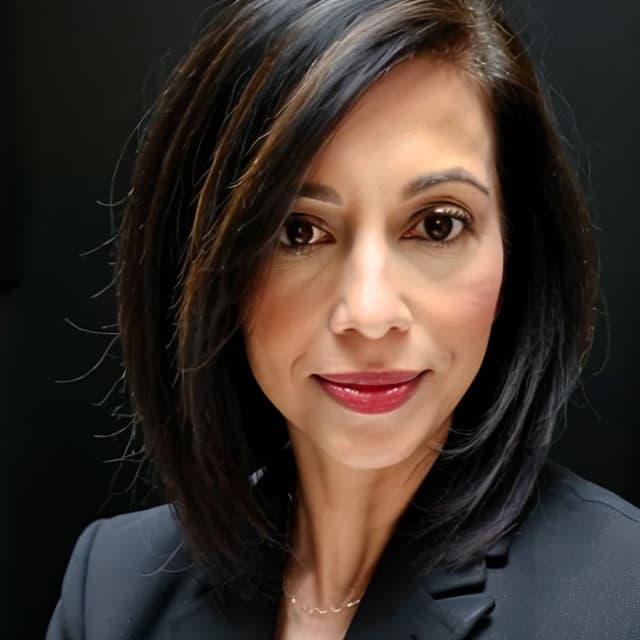
Rachel Richards on Proactive Tax Strategy 4:20 But I think today we're going to have this really cool opportunity to do that. 4:24 My guest on the podcast today is Rachel Richards. 4:28 Rachel is the head of product at Gelt and a CPA who lead team building and 4:34 personalized fully compliant tax strategies for high earners and business 4:39 owners. She's a member of Kiplinger's Advice 4:42 Intel Program and serves on Gelt subject matter expert on tax strategy and 4:48 optimization. If most of the tax industry is reactive, 4:52 Rachel is one of those people who actually designing what proactive 4:57 response looks like at scale. Rachel, welcome to the podcast. 5:03 >> Thanks for having me. I'm so excited to be here. 5:06 >> I am so excited to hear. And I want to thank you so much for sponsoring this 5:10 episode and being a sponsor of Gelt, Horn Sword. It just means the world that 5:14 I'm able to have someone who's so knowledgeable and the wisdom that you're 5:18 going to share with us, but also supporting the work this podcast does. 5:22 We're reaching a lot of people and sowing a lot of peace. So, thank you. 5:26 So, you're a CPA. You became head of product as a tax company. So, what moved 5:33 you from the realm of being a CPA into doing this kind of system building? 5:38 >> Yeah. So, when I was working as a CPA, working with clients, the thing that I 5:44 really loved the most about what I was doing was being able to sit down with 5:49 clients, learn about their situations, find them tax strategies, and kind of 5:54 help them achieve their goals. But, all of that was really limited to the amount 5:59 of time that I had. So, I could do something really well, but 6:04 only to a certain extent. And so, I really wanted to be able to productize 6:08 that and not just think about what can I do for this client right now today, but 6:14 also how can I build a system where all kinds of clients can get the same type 6:20 of value and the same type of service without it being totally dependent on 6:24 what my time limitations are. So, to really be able to deliver that great 6:29 service at scale. >> That's huge because when you're in that 6:34 one-on-one situation and you're helping that physician, that's got to feel 6:37 really good that you're able to help this person see their finances in such a 6:42 way that they're able to really maximize their benefit. But, then 6:47 to be able to take that same idea and say, "You know what? I helped one, maybe 6:51 I can help 10, maybe I can help 100." That is just a beautiful way to think 6:55 about it. >> Yeah, and taxes are so personal. When 6:59 we're talking to big groups, it's often answers are kind of like, "It depends." 7:04 And everything really depends on your situation. So, it is challenging to find 7:09 that balance between a really personalized service and something that 7:13 you can do at scale. And I love a challenge, so that's why I think 7:19 Gelt's a perfect fit for me. >> That's so cool. And I'm glad you say 7:23 that because I think, you know, for a lot of us as physicians, I mean, 7:27 I will freely admit that I'm one of these people that I hear the word taxes 7:31 and I get really freaked out. And my accountant says, "Taxes." And sort of 7:35 this your brain kind of starts to shut down a little bit. So, as you are 7:39 working with professionals and you're working on their taxes, 7:44 what kind of things do you see that really frustrate them? 7:48 >> The biggest frustration is when you're getting surprised with a big tax bill or 7:53 when something's happening that you aren't expecting. And that can be really 7:57 frustrating on both sides of the spectrum. As a professional, you're 8:01 trying to meet the expectations and as the one getting the service, you want 8:06 your expectations to be met. But really, that's where the proactive service comes 8:12 in. If you're only communicating one time a year, you might not be giving 8:17 enough opportunity to identify opportunities soon enough. So really, 8:21 the breakdown I think happens when you are afraid of taxes, it's something that 8:26 you're going to avoid because you don't want to do it and then it's a 8:29 self-fulfilling prophecy. Because you avoided it, then that can tend to make 8:34 your experience even more negative. >> So you said something really interesting 8:38 and I want to talk about that more because I think one of the things that
Tax Structure, Deductions, and Compliance 8:42 you said that's really important is that a lot of us only talk to our CPAs once a 8:46 year. We talk to our CPAs at tax time and 8:48 other than that, we don't really interact with them. And the parallel in 8:52 the world of medicine, of course, is that we see a patient once a year for a 8:55 well visit and we give them what we feel like might be good advice and then they 9:00 come back in a year and they haven't followed our advice. And there's a part 9:04 of you that kind of goes, "Come on, we went through all this last year." But 9:08 it's got to be the same for you that, you know, if you're seeing somebody 9:11 you're helping financially and you give them some directive and you give them 9:15 things that they can do and then they maybe don't follow through on them 9:19 and they come back the following year like, "Why am I paying all these taxes?" 9:22 So really, I think a big part of what you're doing at Gelt is you are helping 9:27 people get this process more consistent so they're not getting this shock 9:33 because they're only dealing with the topic once a year. 9:36 >> Yeah, and you have to remember, when you're filing your taxes, if you're 9:39 doing that once a year, the taxes you're filing right now are for 2025. So, all 9:44 you're doing is you're reporting all of the things that happened last year. So, 9:49 your opportunity to really move the needle and make a difference is usually 9:53 past. There are sometimes things that you can do after the fact that could 9:58 help you save, you know, a few thousand dollars here and there, but if you want 10:02 to do something major to change your situation, you needed to be about it 10:06 last year. And so, by the time you're coming for your once a year appointment, 10:11 you know, all we can do is put a bow on what happened and say, "Hopefully, we 10:15 can do better next time." Where if we had the opportunity to be more 10:19 proactive, then in Q3 and Q4, we can say, "Okay, this is where we think 10:26 you're going to be. This is what you can do to make it better. And these are the 10:32 steps you need to take in order to make that happen." So, we can really help you 10:36 do so much more if we can make tax time more than a once 10:42 a year thing. Like, filing your taxes should be the least stressful part of 10:45 the whole process because you should know what's going to happen. You're just 10:49 giving in your paperwork and having your CPA fill in the boxes for you. 10:54 >> That is huge. And I think that is the worldview shift. Is the idea that if you 11:00 have actually put in this time, if you worked with Gelt, if you actually been 11:05 very forward-looking in terms of what you've been doing during 2026 Q3, Q4, 11:10 I think that's amazing. That filing should be the least stressful part of 11:15 the process. >> Filing should not be the main event. 11:19 >> Okay. I mean, for me, that's mind-blowing because that is so not how 11:23 I think about it. And so, this is a big shift for me. It's like the idea that 11:27 the actual planning for 2027 is going to start now. So, this traditional CPA 11:33 model this model, of course, still exists. You 11:36 are counseling a physician, you're working with them, like they're working 11:40 with guilt. What level of interaction is that physician going to have with you as 11:44 they're getting ready to file in 2027? >> Yeah. Depending on your situation, it 11:50 can be you get what you get. So, when we first start working with clients, we try 11:54 to spend as much time as possible really understanding their tax situation so we 11:58 can identify opportunities that are available to them. Because what 12:03 strategies are going to work for you on one hand depend on what you have going 12:08 on, how you earn income, what your family situation looks like. And then on 12:12 the other hand, it also really depends on what you think your future's going to 12:17 look like and what your goals are. So, for example, if you really love real 12:23 estate, there are a ton of opportunities that could be unlocked by getting more 12:28 involved in real estate or maybe you have a spouse that could become a real 12:32 estate professional. And all of those things are 12:35 great and could save you tons of thousands dollars. But, if you're not 12:40 interested in that and you don't want to be a landlord, those things are going to 12:44 take time and that time is worth a lot. So, the strategy is really personalized 12:49 to what you have and what your goals are and what you're interested in. Because 12:54 there are tons of things out there that you can do and it's really just finding 12:58 that magic mix for you want to spend your time and your money. 13:02 >> And that's so cool because that is going to be a very individual picture. 13:05 >> Yeah. >> 100%. So, I think part of the worldview, 13:09 and I'm going to say this is definitely part of mine. I'm not sure if that's 13:12 part of every physician's, that a lot of physicians assume that the tax code is 13:17 rigged against them. That it's something that's out there to 13:21 beat them, if you will. But, the reality of that's a little more 13:24 interesting. So, tell me how the tax code actually treats W-2 income versus 13:29 like business income or investment income. And sometimes physicians end up 13:34 maybe not on the right side of those things. 13:37 >> Yeah, so it kind of works like a hierarchy. And at the top, you have your 13:42 W-2 income, which is going to potentially be taxed at the highest 13:46 rates, and you have the least opportunities to offset that income. And 13:51 then, as you move on, you get into business income, where you're still 13:56 taxed at that highest rate, but now you have the opportunity to take deductions 14:01 against that and be more in control of the amount of income that's getting 14:05 taxed. And then, you have investment income, capital gains, which usually get 14:10 preferential tax treatment. And so, it's not how much you're making as it is how 14:16 that income is structured and how it's coming to you. So, where you're earning
AI-Native Tax Support and Human Oversight 14:20 your money, and then, when it comes to deductions, how you're capturing those 14:25 deductions, and are you really utilizing them in a way that's serving you. So, 14:30 some things that we like to look at each year are, you know, what tax bracket are 14:34 you in? Because sometimes, when you start making 14:37 four or five hundred thousand, a $10,000 could take away $3,000 of 14:43 credit. So, if you get close to those thresholds, we really want to push uh 14:49 maybe we can double up on some expenses this year to get you in the right place. 14:55 And just optimize your situation based on where you're at this year. 14:59 >> That's awesome, because I think this is one of the things I think, especially 15:03 for physicians, you know, we're not And there are a lot of financially savvy 15:07 physicians. There absolutely are. But there's a huge number of us that are 15:11 not. And so, understanding that it's not just a number, but a structure, 15:17 I think is really important, cuz that's not something a lot of us think about. 15:21 And I think another thing that kind of goes with that is the idea that we like 15:27 the idea of structure, we like the idea of how much of what I'm working so hard 15:32 for can I actually keep? I mean, that's a big part of this conversation. But I 15:38 also think compliance is also part of that. One of the things as physicians we 15:42 are definitely rule followers. We don't like to rock the boat. We always want to 15:47 make sure that we're coloring inside the lines. It's sometimes how we got to 15:50 where we are. So, where do you see this balance point between being very 15:54 aggressive with optimization but still staying with compliance? 15:58 >> Yeah. I wouldn't call it necessarily aggressive. If there's a deduction or 16:04 something that is available to you, I think that you should take advantage of 16:08 that. But where it really makes a difference is with documentation. So, as 16:13 long as you can justify the thing that you're doing, it's real, and you can 16:17 document it, then absolutely go all out. If you bought a heavy vehicle that you 16:24 got 100% depreciation on, and you got to use it 90% for business, then take that 16:30 deduction. Like, there's no reason to not get a benefit just because it's 16:36 working really well for you. So, I never want someone to be afraid of a 16:40 deduction. But the most important thing is just documentation. I always tell 16:44 clients like I can always tell the truth to the IRS. So, as long as you're 16:48 reporting what really happened, and you have evidence to back it up, I don't 16:53 think there's such thing as like a red flag. There's just taking advantage of 16:57 opportunities that are in the tax code. >> Okay, that's fantastic. I'm so glad you 17:02 said that because this concept of documentation, 17:06 I think it's something that for doctors should be pretty inbuilt in what we do 17:09 for a living because what you just talked about in terms of the tax code is 17:13 exactly what we have to do in terms of billing insurance. When we can bill 17:18 appropriately for the work that we do, we just have to make sure that we 17:21 document appropriately to justify what we're billing, and it's no different in 17:26 the tax code. So, this should be something that for doctors, we should be 17:31 pretty good at that. You're preaching to the choir. I love that. I really do. 17:35 So, one of the things about Gelt, and I kind of want to drill down on this 17:39 because I think this is an interesting concept. Gelt is AI native. 17:44 So, what does that mean? >> So, by AI native, we're really 17:49 leveraging AI. We don't want to replace the CPA experience. We do think there is 17:54 a lot of value in having that personal relationship, but we try to eliminate 17:59 the bottlenecks that prevent the CPA from being able to spend that time. So, 18:05 we want to make our teams work more efficient. We want to make the 18:08 communication more efficient and help people, if you're having conversations 18:13 over many months, over email, over Zoom, we want to help analyze all of that 18:18 information, be able to summarize everything, and 18:22 you know, for a CPA, you can pick right back up where you left off, and you 18:25 don't have to spend necessarily 30 minutes before every meeting trying to 18:30 remember what was talked about last time, what open items you had. And then, 18:35 AI also helps us do things that you're not capable of at 18:39 a traditional CPA firm. You know, we can categorize documents, 18:44 we can analyze financials, we can do all of those things for thousands of clients 18:49 at a time, where at a traditional firm, it just wouldn't make sense to spend the 18:53 time to do that. So, we can take away a lot of the bottlenecks that hold the 18:57 CPAs back from having that proactive relationship and being able to spend the 19:02 time looking beyond just compliance. >> That's huge. And one of the things I had 19:07 mentioned to you before we started recording that yesterday I did a lecture 19:11 on tax resolution to a group of CPAs, and these are all accountants and 19:16 business officers that work in the university setting. And the lecture that 19:20 was right before mine was a guy giving a lecture about the use of AI in 19:24 accounting. And so, I listened to this lecture, and it was really interesting 19:28 to me because I think the beauty of what guilt does 19:32 is if you just do AI by itself, if you didn't have human beings that had CPAs 19:38 that actually had a knowledge base looking at this data, that I mean, AI 19:42 can hallucinate by itself, and AI can create things by itself.
Outsourcing, Accountability, and Asking Questions 19:46 You need this combination of especially as big as the tax code is, there's so 19:53 much that if you actually use AI to help you 19:58 analyze, capture opportunities, but you have a human being that's looking at it, 20:03 who has a knowledge base able to say, "That's correct. I'm not sure about 20:08 that." >> Yeah. 20:09 >> also, like you talked about, I think physicians, we like the idea of being 20:15 reassured by a human being. That means a lot to us, and I think just 20:19 like we want to be that reassuring presence to our patients, we want to be 20:23 able to communicate in a very effective way. I think having a face to sit down 20:28 and reassure us that we're going to help you with your taxes, we are going to 20:33 help you optimize, you are going to really be able to capture much more of 20:37 your earned income, but we also have AI that's helping us do some heavy lifting. 20:42 >> Yeah. I mean, at the end of the day, AI isn't 20:45 able to be accountable, so we try to leverage that to give our team 20:50 superpowers, so that our team can be confident and accountable for the work 20:55 that they're delivering. >> I love that. One of the things that I 21:00 think happens a lot to you in medicine, and this is something that I think a lot 21:04 of doctors do, we tend to outsource a lot of things. I outsource cleaning my 21:08 car. I mean, I outsource so many different things in my life and I 21:11 outsource my grocery shopping because those are things that I don't need to do 21:14 that buy me more time. So, one of the things I think happens 21:19 sometimes with financially outsourcing too much or maybe outsourcing in such a 21:23 way like we said earlier that I'm only touching base with my account once a 21:27 year. That's not really being the most productive thing for me. So, as trying 21:32 to be good financial stewards, how do we work with a company like Gelt 21:36 to maybe still be able to outsource and yet maintain some type of investment 21:42 literally in this process? Is there a balance point between asking 21:47 for help and then doing some of this on our own? 21:49 >> Yeah, I think the most important thing is to have clear goals and set clear 21:54 expectations of what you want to achieve, what you want to get out of 21:58 this relationship, and then leave it to your team to build a path to help you 22:05 get there and hold you accountable. We can't make decisions for you. So, if 22:10 there are decisions that need to be made, what we can do is follow up and 22:14 make sure that you made that decision or you signed the form that you needed to 22:18 or you created the new account in time or ran your payroll by the end of the 22:24 year. So, we can hold you accountable for doing the things that you need to do 22:29 to achieve your goals. >> That's huge. I love that because even 22:33 though we're asking for help, we're not outsourcing the responsibility 22:37 and accountability. We are still having to take those steps and actually be 22:41 responsible for doing that, but there's a huge windfall in doing that that we 22:45 actually do get rewarded if we display and we have that level of discipline. 22:50 And I think it's really good when you're talking about this kind of thing, 22:55 doctors, even though we don't have a lot of business knowledge, most of us don't, 22:58 I know that I don't, that sometimes there's that tendency for us to think 23:02 that we know more than what we actually do. 23:05 And so, being able to listen to somebody who's a professional, you one thing I 23:08 said in that room yesterday when I was talking, and I had said this to you as 23:12 well, and I really do mean it. I admire what you guys do so much. I admire the 23:17 knowledge base CPAs have. I look one of my best friends is a CPA, and I look at 23:21 what she does, and I'm in awe of her ability to see the bigger picture behind 23:27 the numbers. I think that's what's so cool about what 23:30 you do, because there's a lot of narrative, a lot of things you find out 23:33 about an individual, I think, when you look at their finances. I think that 23:36 tells you a lot of stories about them. It tells you about their discipline. It 23:40 tells you about what they love. It tells you about what's important to them when 23:43 you look at what they're spending their money on. And so, as a result, you 23:47 probably have a greater insight into things that are important to them just 23:50 by looking at their financials. >> Yes, I totally agree, but at the same 23:55 time, if there's something that you're thinking about or you've heard of, and 24:00 it hasn't You should never be shy about bringing that up, because there are so 24:05 many opportunities out there. Maybe that is something that your CPA thought of, 24:10 but they didn't bring it up because they didn't think it would be something that 24:13 you would be interested in. So, definitely, if you have curiosity or if 24:17 you've heard about something, it's always worth running that by your CPA. 24:22 You should obviously trust your tax professional, but if something comes up, 24:26 be able to have those open conversations and say, you know, "Hey, I heard about 24:30 this. Is it relevant for me? Is this something that I could potentially do?" 24:34 Because it does work both ways. We're going to try to help you achieve your 24:38 goals, but if your goals are shifting and new things are happening for you, 24:42 then we can shift with you. >> That is huge. I want to really highlight 24:47 that, because I think we do get scared sometimes that when we're talking to our 24:51 finance professionals that we're going to look stupid, and so we don't want to 24:54 ask questions, and we'll hear about these things, or about these things, but 24:57 we won't ask, right? When I'm at the doctor, I've Googled 12 things to pray, 25:02 but I'm like, I don't want to insult them by asking this. So, I get it, too. 25:08 But really, don't be shy to ask because that's where trust is built. There's a 25:13 mentor of mine who is a lawyer and a PhD, and she actually was at the 25:18 University of Tennessee as their boots on the ground in-house mediator, and 25:21 she's amazing. But one of the things that she talks about in terms of any 25:26 kind of relationship and with conflict, of course, but in anything is that trust 25:30 is the coin of the realm. And was there ever a podcast more 25:34 apropos than to use that quote than right now? But 25:38 the idea that you are building trust in that financial relationship so much so
Clarifying Goals and Closing Remarks 25:45 that you can actually talk and say, "Hey, I heard about this. I saw this on 25:50 TikTok. I read about this on front page of The Wall Street Journal, 25:53 whatever." And I really want to ask about this. Is this right for me? 25:57 Something I can do. What's the worst that can happen? No. Maybe that's not a 26:01 good place for you to go. >> Yeah. And we've heard it all. 26:06 >> And see, it's so interesting, right? Because it's such a similar 26:08 relationship. The way that you are working with your clients and the way 26:11 that we work with our patients, it's just so completely similar. It's people 26:16 with an interest coming to professional trying to gain wisdom and knowledge. 26:21 That That is the relationship, and that's what you guys do so beautifully. 26:25 If you can give one piece of advice to every physician who's listening to the 26:29 podcast right now, they've listened to you talk, they have questions about 26:33 guilt, they love the idea of what you're doing in terms of really helping people 26:38 understand how taxation can play into their finances and how this is an 26:43 ongoing process. If you can encourage them to ask one question to their tax or 26:49 health care or a financial professional, what would that be? 26:52 >> I would encourage you to share a goal and ask your tax professional what they 26:58 can do to help you meet that goal. Now, it could be I want to lower my tax. 27:03 It could be I want to maximize my retirement contributions. 27:08 I want to retire in 6 years. You know, kind of use that as a guide to start 27:14 building that relationship. >> I love that. That's awesome. And I think 27:20 that's really important the way that you phrase that answer that 27:25 we really do have to get very clear on what those goals are. 27:30 Because I think a lot of times we do as physicians, as healthcare professionals, 27:34 we think I just want to make more money. It's not very clear. I want to send my 27:38 kid to college. Okay. We have things that we sort of in the back of our minds 27:42 as a wish list, but in terms of being very clear about I want to retire in 5 27:47 years and once I retire, I want to go and hike to Mount Everest base camp. You 27:52 know, something that's very, very, very crystal clear because the clearer we are 27:57 on what our financial goals are, the more you can help us. 28:01 >> Yeah, and the more opportunities unlock for you. The more you share, the better 28:06 your outcome will be. >> I love that. That is so awesome. 28:12 Rachel, thank you so much for being here. We are obviously going to put the 28:17 information for Gelt on the show notes, but the website is jointgelt.com, 28:23 j o i n g e l t.com. We will put that link in the show notes. 28:30 But Rachel, thank you so much for being here. I learned a ton. 28:34 >> Thanks so much for having me. >> This has been fantastic. Please come 28:38 back anytime. We would love to have you back. This is fantastic. We were talking 28:42 before we went on air that Rachel is also a tea drinker like me. So, next 28:47 time when we talk again, hopefully we will talk again soon. I will have my tea 28:50 as well and we can Perfect. Have tea together. It'll be fantastic. 28:55 To all of our peaceful warriors, thank you so much for being here. This 28:59 episode, if it made you reconsider how you've been handling your own tax 29:03 situation, this is the reason why Rachel's here. This is the reason why 29:07 we're so thankful to have Gelt as a sponsor. Share this with a colleague who 29:10 has been maybe like me, looking at filing taxes once a 29:15 year and being afraid of doing that because you haven't prepped the year 29:18 before. Actually prepping so that filing is the 29:23 easiest part of that journey for you. Remember that if you have any particular 29:29 questions, always seek out your own financial professional. Obviously, check 29:33 out Gelt. They're fantastic. And until next time, peaceful warriors, be at 29:40 peace. 29:43 >> Every episode is an invitation to speak, [music] to negotiate, to choose. 29:49 I'm Dr. Lee Sharma. Join the dialogue by subscribing [music] 29:53 to Scalpel and Sword. Until next time, peaceful warriors. May 29:58 your choices be sharp >> [music] 30:00 >> and your voice be even sharper. 30:06 This podcast is a reflection of lived experience and research in conflict 30:10 resolution. The Scalpel and Sword is not intended as 30:14 medical or legal guidance. For personal matters, please [music] 30:17 consult a qualified professional.
Comments