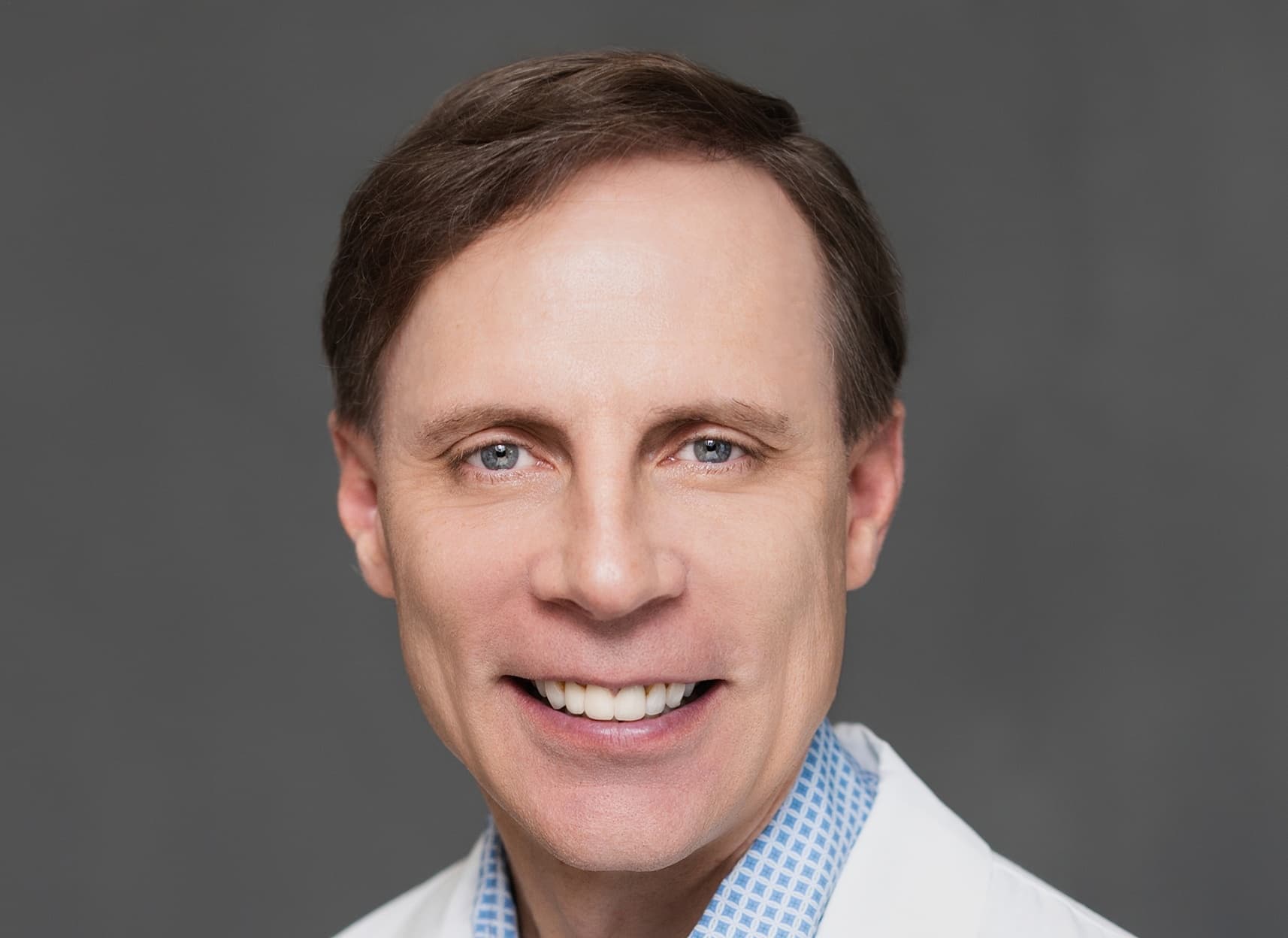
Full Transcript Introduction and Guest Background 0:00 Everybody. Great to be with you again. 0:02 Hey, we have a special guest, Doctor Jamie Kunkle And he's a nature path 0:06 doctor, actually, in the state of California where I'm at. 0:10 He's got a lot of special needs 0:11 and some good stuff today to help people with chronic digestive problems. 0:15 And so, Doctor Kunkle great to be with you. 0:18 Yeah. It's a pleasure to join you this morning. 0:20 Thank you. Mark. Yes. 0:21 My name is Doctor Jamie Kunkle and I've been practicing 0:24 for about 11 years now. 0:26 And complex chronic illnesses. 0:27 I went to Boston University in Washington, and 0:30 I also have a training in acupuncture and Chinese herbs. 0:34 So yeah, I look forward to talking more about the gut here. 0:38 Yes, but spent more about how you got into, like, got health associated 0:43 with chronic illness or chronic illness, you know, affecting health policy. 0:47 The two can go, you know, both ways. 0:48 So it's very important to address it from both sides. 0:51 How you got interested in that. 0:52 How you help people, you know, chronic environmental illness, 0:55 chronic infections a very underrated thing in medicine, 0:58 why people have chronic health problems, but also about that. 1:01 Sure. Yeah, it's kind of interesting, really. 1:03 I mean, 1:04 I think having all my training and natural medicine and Chinese 1:07 traditional medicines and, you know, dabbling 1:09 in other traditional medicine practice, it's. 1:11 Yeah, it gave us a great gave me a great foundation. 1:13 And all of us who had the same training for the importance of the gut and gut 1:17 centered approach to healing and wellness and prevention and everything in between. 1:22 The gut is central to everything. 1:24 So I started there. 1:25 My undergraduate was in neuroscience, so I started learning about the brain, 1:28 and it was very interesting 1:29 how the brain was obviously affected by and effects other parts of the body too. 1:33 So that whole gut brain connection was sort of a very early foundation 1:37 for me, and I got really interested in that. 1:40 And how did I get into chronic illness? 1:42 It's really a good question. 1:42 They always say that, 1:44 you know, people find you, I guess, if you're suited for them. 1:47 I've always just had a mind for it, I guess, 1:50 and it doesn't overwhelm me easily, I guess. 1:53 So as a result, I've been able to kind of piece. 1:56 A lot of very complex puzzles together. 1:58 And I have a continued drive to learn and just better, better myself in this world. 2:03 And collaboration. 2:04 Collaboration, you know, 2:05 speaking to other people who've been in the game for a long time 2:08 and working with groups, it's it's been wonderful. 2:10 So, yeah, so I mean, I kind of just fell into it 2:13 because I like puzzles and I like knowing a lot about a lot. 2:16 And but connecting and distilling complexity into actual actionable steps, 2:21 so to speak, for folks so that they can move towards healing and wellness. 2:25 So, yeah, that's kind of the long and short of it, really, 2:29 I presume just because so many Americans have chronic disease now. 2:33 And, you know, it's one of those things where in traditional medicine 2:37 they struggle with helping people. 2:38 There are so many different aspects to it. 2:40 So there's just people 2:41 looking for doctors like yourself who have chronic illnesses. 2:45 Yeah, absolutely. 2:45 I think chronic illness is on the rise, really. 2:48 And I mean, 2:49 you can look no further than Covid and what happened in the post Covid world.
Gut-Brain Connection and Chronic Illness 2:54 But even before that, it was on the rise. 2:56 It's just that added another layer to things. 2:58 And certainly it exposed a lot of issues with our health care system 3:02 that we probably you and I new prior, but I think it was more exposure in the, 3:07 in the masses. 3:07 So people have actually lost a little bit of confidence 3:10 in conventional medicine if they hadn't already before. 3:13 And so they're seeking more care like this, more holistic care, 3:16 and it's being better validated even amongst the conventional 3:19 practitioners of collaborate with a lot of conventional practitioners now. 3:23 And some of them are still kind of like, you're a quack, you're crazy. 3:26 And but more coming around. 3:27 We're coming around to having the conversation. 3:29 So yeah, it's 3:31 well, tell us more in your mind how you see the connection between, 3:34 let's say, leaky gut, the microbiome imbalances, 3:38 and then things like Lyme disease, which you have a lot of good 3:41 training in and experience in, you know, mold problems, other infectious diseases. 3:46 I tell us more about just what you're seeing with that interaction there. 3:50 Sure. 3:50 And I think as far as the research goes, we're really just scratching 3:53 the surface of what is actually happening in these conditions. 3:56 We don't have perfect testing to recognize that, other than we're getting better 4:00 at extensive microbiome mapping, and we're realizing at large in the US 4:04 here we have much less biodiversity, as many have probably heard 4:08 than other places in the world and probably been our ancestors before us. 4:13 So we already have sort of a possible susceptible state, just being as we are 4:16 with the standard American diet and the overuse of antibiotics 4:19 and other environmental influences. 4:21 You can think about glyphosate, for example, 4:23 even things that have affected 4:24 our microbiome from the time we were born, sometimes even our mothers before 4:28 us, so to speak, because we all inherit from our mothers. 4:30 So how does it work in Lyme and mold and all this? 4:33 They kind of have some common features and some non common features. 4:37 I'd say some of the microbiome lines that get affected 4:41 the most that have been studied recently or like for example, to bacteria. 4:45 And there's devastation 4:46 in some of these really important immune regulating bacteria in the gut. 4:51 And Lyme seems to do that. 4:52 Covid seems to affect it in some way. 4:54 Mold is a little more complicated because molds probably a combination of factors. 4:59 There are theories that mold can colonize in the gut 5:02 and can can cause not necessarily a full on infection, 5:07 but certainly a disturbance in metabolism because the food you eat interacts 5:10 with your microbiome. 5:11 And whatever happens to that interaction 5:13 is ideally just giving you good nutrients and feeding your body at large. 5:17 But a lot of things can go sideways in that interaction. 5:22 And when there's more mold 5:23 in that environment, it can be problematic if they're some of their metabolites 5:27 or mycotoxins or mold toxins, they can potentially t gut. 5:31 Like other fungi, 5:32 they can activate the mast cell line, which is a protective 5:36 part of your immune system. 5:37 That's right on the other side of where the food and the microbiome are. 5:41 That was called the gulp. 5:42 They're part of that line, too. 5:44 There's a lot of mechanisms within that. 5:46 I found it fascinating that in Covid situation that it can actually 5:50 just also go into the gut and colonize the gutter, 5:53 you know, infect the gut, so to speak, even in a primary infection. 5:56 And they're thinking even that the spike protein itself might be interactive 6:00 in the gut in some way. 6:01 So that would also indicate that there's a possibility 6:03 vaccines may affect the gut, too. 6:05 And I've had some patients who haven't had any problems with Covid 6:08 or any problems with the vaccine, and their guts have been seemingly 6:12 fine and resilient, and others that have had quite a bit of devastation, 6:16 and they may have predisposing factors to so and with Lyme. 6:20 The other issue with Lyme especially, is that there's an inclination 6:24 to always kill and kill hard and using really big antibiotics. 6:29 Oftentimes at least that's the tradition of the lime world. 6:31 And there's a lot of people who still do that. 6:33 And I can't say I don't do that. 6:34 If it's like a rescue situation for somebody, 6:36 you kind of have to just know the consequences of those actions 6:40 that you're going to the microbiome, possibly, 6:43 although there is a subset of people you can just sort of apparently hammer 6:47 with antibiotics, and they never really have major gut issues. 6:51 It's quite fascinating how some people you can devastate a whole cell line 6:54 and all the phylum, it'll just grow right on back. 6:58 And it seems that way anyway. 7:00 He doesn't seem like they're doing too bad. 7:01 The other people, you'll you'll you'll get them down to like, 7:04 small amounts of bacteria that are running the show completely. 7:08 And those guys aren't necessarily serving you all the time.
Lyme, Mold, and Microbiome Disruption 7:11 They may be producing toxins, they may be affecting how you're absorbing 7:15 food and stuff. 7:16 So and Blake, you got so those are just a few possible mechanisms I can 7:22 well maybe tell us just a bit more about live 7:23 because we haven't talked a whole lot about it in this series. 7:25 So talk just a bit more. 7:27 How common is it? 7:28 Maybe some of the key symptoms? 7:30 A lot of people 7:31 I don't know, there's challenges with testing it, 7:34 especially if you don't catch it in the early stages. 7:36 Maybe just a little overview on that if you were sure in the term line is kind of 7:40 I guess it could mean a lot of things if you just refer to Lyme really free, 7:45 which is classic line Borrelia, it means one thing, 7:48 but Lyme syndrome is sort of meaning tick borne infection in general. 7:52 So it can mean a lot of different things. 7:53 And then some people say, well, ticks aren't the only vector, 7:55 so you might as well just call it vector borne infection or vector borne disease. 7:59 So these are oftentimes a lot of infections that affect 8:03 many mammals, not just humans. 8:04 They're considered what's called zoonotic infections. 8:07 They kind of transfer from human to or from animal 8:11 to whatever insect or biting thing. 8:13 And there's a blood exchange and then they affect humans. 8:16 So theoretically, even if we haven't been bit by a tick, 8:18 we could have had exposure to these things. 8:20 And there's potential that they could be passed on to from mother to child. 8:24 And it's kind of interesting. 8:26 So it seems to me it's most likely that humans 8:29 have been able to adapt around the world of these infections for some time, but 8:33 it hasn't been as as great as a relationship lately. 8:37 Wine was first identified in 1978. 8:39 And why I'm Connecticut and that's why it's called wine 8:41 with tick borne infections and kids affect causing joint pain in various elements. 8:45 And lime comes in two major forms, though. 8:48 It's like the acute form of it, maybe easily recognized or may not like. 8:52 Not everybody has a bull's eye rash. 8:54 Not everybody has the classic symptoms. 8:56 There may be a delayed onset of symptoms, 8:58 and a lot of times they're really not very descript. 9:00 They may be flu like things. 9:02 Headaches maybe, or maybe not. 9:04 A fever doesn't have to be a rash. Nausea. 9:07 I mean it's really not very obvious. 9:09 So a lot of times acute infections get missed. 9:11 The best time to treat it like a classic 9:13 infection is defined acutely and just beat it up. 9:16 And hopefully the short term of that antibiotic use or whatever 9:19 substances you're using are not going to devastate your gut too hard. 9:22 But in the chronic form of wine, it's a lot more complicated because you have 9:26 whatever the infections were that may have come in with the wine itself. 9:30 But if you're talking about Borrelia, because it could be, you know, the Busia 9:34 Bartonella in a plasma or lithia 9:37 Brucella could be so many different things. 9:40 But then you also have the bugs that your body normally 9:43 is supposed to be regulating, and that might be Epstein-Barr virus 9:47 and mycoplasma. 9:48 Some people have Coxsackie whatever. 9:51 There's all these other things 9:52 that also get lumped into the dysregulation of infections. 9:57 And that's where, you know, mold can interface with wine quite a bit. 10:01 Most of the worst cases I've seen of lime usually have some 10:04 sort of toxin interface. 10:06 And there's something additionally suppressing the immune system's 10:09 ability to actually deal with these infections further. 10:12 But Lyme Borrelia as a central point, Borrelia 10:15 burgdorferi is known by as many names. 10:18 It's the great mimic. 10:20 It's some people call it new HIV. 10:22 And what they mean by that is just is very immune suppressive, 10:24 very immune suppressive. 10:26 And its surface proteins can mimic our neurologic tissues joint tissue. 10:30 So it can potentially eat autoimmune type. 10:32 And I can't tell you 10:33 all the reasons politically why it hasn't been acknowledged or, you know, 10:37 maybe more prevention has been practiced or more education to the masses. 10:41 It's just that it's a very complicated illness. 10:44 It manifests differently in each person. 10:46 And to acknowledge it is also to have to pay for it as a society. 10:49 And I think that that comes into play sometimes with 10:52 why we're not seeing more movement toward the recognition of chronic Lyme, 10:55 which can be a debilitating, sometimes lifelong condition in people. 10:59 But there's hope if you do catch it. 11:00 The earlier you catch it, the younger you are, the better older you are. 11:03 You still have hope. 11:04 And there's just it's navigating it as it evolves. 11:07 As it changes, it's just you have to see where that person 11:11 is in that process, in that journey and really understand it, 11:14 because it may not be in the later phases to really primarily 11:17 just treat the infection. 11:18 At that point, you have to do a lot of other things 11:20 within the body to bring it back into balance. 11:22 So that's kind of the general trying to trying to talk about subject. 11:26 That's a good overview. 11:27 Tell us about some of the treatment approaches. 11:29 You take the line of disease and then you can talk about some stuff with line to 11:34 your clinic there, which we'll talk more about in the house. 11:36 How you generally coach out there. One's different. 11:39 But where are some of the therapies you like to employ? 11:42 Yeah, for sure I like to 11:43 first of all, in terms of the gut, I like to do extensive gut testing. 11:46 When I first meet somebody who's been diagnosed with Lyme, 11:49 whether they've had treatment or not, it's really nice to know 11:52 kind of what I'm dealing with. 11:53 And I know that the microbiome 11:55 isn't the perfect science yet, but at least I can get some insights. 11:58 I can also check inflammatory markers, I can check leaky gut markers. 12:02 I can do all those different things 12:03 and try to get a perspective on how much their guts playing a role. 12:06 And clearly I'm also doing 12:07 extensive history and physical examination in that department because they may 12:12 some people don't have quote unquote 12:13 gut symptoms, but there's actually a lot going on there 12:15 that may be interfacing with their body at large. 12:18 So I'll look at that. 12:19 And overall, you know, I think I'm looking at how I can connect 12:23 all these dots together with people and I and one of the things 12:27 I see a lot with Lyme is, is autonomic dysregulation. 12:30 So it can come in many forms. 12:31 So the autonomic nervous system is that unconscious regulatory 12:35 part of your nervous system that controls our breathing 12:37 and our heart rate and all these different things, 12:39 including our gut, our gut motility, all this stuff. 12:42 So you'll see people presenting with some form of autonomic dysregulation. 12:46 And in the gut it may look like or it may look like small intestine 12:50 bacterial overgrowth, bloating or, you know, constipation or, 12:54 you know, some sort of motility issue in their brain. 12:57 It may be a lot of like neuroscience, 13:00 distress, low stress, resilience and different things like this. 13:04 And of course it can come in other forms to like Pots foster 13:08 syndrome, where people, you know, 13:09 stand up from sitting down and they don't they don't have good regulation. 13:12 They may feel like they're going to pass out or their hearts 13:14 beating really rapidly in their chest. 13:17 So that can have a strong connection with the gut, because the vagus nerve, 13:20 that cranial nerve that comes from your brain and affects your gut 13:23 and a lot of your broad regulation in your body and the mast cell system 13:28 is also something I evaluate for early on, which has a lot of interplay in the gut. 13:32 As I've mentioned, this is a part of your innate immune 13:36 system response or initial immune system response to the outside world. 13:39 Skin got blood brain barrier signs, whatever. 13:42 All of it has mast cells, and if they become overactive, it's 13:46 going to affect the autonomic system too. 13:48 It's going to affect the leaky gut. 13:49 And I'm basically looking for cycles. 13:51 I'm looking for negative feedback that aren't serving that individual. 13:56 And how can I sort of work on them foundationally to correct them? 13:59 I'll also be looking at the hormone system because of course it's affected. 14:02 The adrenals and the autonomic have a lot of interplay, you know, and on and on, 14:06 and even up to sex hormones, thyroid, insulin systems, everything in between. 14:11 But so you're looking for where the lack of regulation is. 14:14 And how can I start to provide some of those signals of regulation 14:17 as the body's been struggling to maintain homeostasis?
Lyme Disease Overview and Symptoms 14:21 Excellent. 14:22 I talked about diet and some of the supplements 14:25 and pharmaceuticals you're helping people live disease with. 14:29 Again, I know obviously varies depending. 14:31 Like you said we find the weak points. 14:32 But what are maybe some things of doers I would like to hear about? 14:35 Yeah, sure. 14:37 I think the most interesting thing about Microbiome Project is, 14:40 is that it's not so much about giving probiotics all the time. 14:46 It's about trying to achieve the best diversity possible. 14:51 And I think when I map people, when I look at those things, 14:54 I try to figure out how I can support them through diet in those arenas. 14:57 And that's something I'm working on getting better or more precise with. 15:01 And so I try to, if I can try to individually tailor the diet, I will. 15:06 But there are some general foundations and principles I'll usually follow. 15:09 And most of that is 15:11 no processed foods, usually gluten free. 15:14 You know there there may not be good, probably dairy free, 15:17 and I'll make sure they have if they can handle them 15:19 and they don't have like a small intestine bacteria overgrowth situation, 15:23 they'll have good prebiotics in their diet, things that are going 15:26 to encourage that diversity just at a base level and getting dense micronutrients. 15:31 And I tend to go lower insulin, lower glycemic with people, generally speaking, 15:35 because a lot of people that are really inflamed have issues 15:38 around insulin systems and that can further inflame them. 15:41 And yeah, anything I can do basically from that. 15:44 So I may follow like a paleo style. 15:47 And some people, I've had some patients who can't firm, they don't ferment 15:52 very well in the beginning, like anything that ferments them makes them feel yucky. 15:56 So any prebiotics can really hurt them in the beginning. 15:58 And some of them have gone carnivore briefly and have had good effects to it. 16:03 It's quite interesting. 16:04 Some of my patients with connective tissue disorders, which I didn't talk about 16:07 like aliens, demos, hypermobility syndrome and stuff like that 16:10 do well with more of these types of diets sometimes too. 16:14 So I try to just individually tailor it, but I'm definitely trying to clean it up. 16:18 Getting rid of glyphosate, like I mentioned, all organic if possible, 16:21 which it's not super possible in this country to avoid glyphosate, 16:24 unfortunately, but it's nice to try your best to do that. 16:28 And then I usually measure it in the urine or whatever anyway. 16:31 And then as far as other things I do, like I said, it's all foundational 16:35 first and pending on how strong the person is manifesting 16:39 and where they are in their journey and their diagnosis with Wyrm, 16:42 I will consider working them into infection treatment 16:46 sooner or later in the process. 16:48 And sometimes they've tried to treat and it hasn't gone 16:52 well at all, made them worse, or made them really, really bad. 16:55 So I've course at our clinic 16:57 we get a lot of those patients who have been to like five, ten 16:59 docs that have tried treatment and it just hasn't hasn't worked for them. 17:02 I'll use other immune modulating therapies with these people, 17:05 like for example, with infections. 17:07 I've used low dose immunotherapy, which is kind of somewhere between 17:10 where allergy shots and homeopathy interface. 17:12 But it's about just normalizing immune system response or 17:16 keeping it from being destructive or out of control. 17:19 And hopefully that brings them into better regulation. 17:22 And I'll use low dose and I'll track sun sometimes, you know, from the drug world 17:25 and a lot of herbals that do similar things to that process. 17:29 So it's not always a once again, a kill first approach with Lyme generally. 17:34 And we do use a lot of IV medicine, other things it really depends 17:37 because if the gut is really compromising somebody, 17:39 I have a lot of patients that can't take a lot of oral stuff, 17:41 so they can't take a lot of oral nutrients even. 17:44 It's just it doesn't go well. 17:46 Whether that's that fermentation 17:47 issue again, that I mentioned, where things are being processed abnormally, 17:51 abnormally in the gut or whatever it may be, 17:54 the masculine or something different, you can blame a lot of things, leaky gut, 17:57 what have you. 17:57 I'll have to 17:58 sometimes replete them with IV nutrients or other bypass methods first. 18:03 And so yeah, I'm 18:04 a foundationally micronutrients really key with a lot of these people 18:07 they become very deplete over time as mentioned. 18:09 But yeah, so it's not a one size fits all approach as you can imagine. 18:12 But when when people manifest with extreme 18:15 like autoimmune manifestations in line, sometimes I do have to use heavier 18:20 antibiotic therapies to try to rescue that situation. 18:23 And we have some people with really severe encephalitis too, 18:27 that sometimes we've had to use like IVIg or get them referred for. 18:32 I mean that 18:32 those are extreme ends of the spectrum, as one can imagine, but it happens. 18:36 We see them. So we have to be. 18:38 What I've learned is I have to have a lot of tools 18:40 in my toolbox or a lot of resources and referrals, whatever I need that 18:44 my goal is to get the person better however I can, whoever that is. 18:48 I love it when it's down here and foundational, 18:50 but most of my practice is living somewhere up here these days. 18:54 Yeah. 18:55 How about you? 18:56 You find a lot of your patients Lyme disease. 18:58 You have to treat the digestion 19:00 right from the beginning or somewhere along the lines of treatment. 19:04 What's your experience with that? Yeah. 19:06 If you can treat it in the beginning, it would be wonderful. 19:09 I think you probably have to treat it in the beginning. 19:11 In in the end 19:12 when people are on the road to recovery, a lot of the work 19:14 that I do with them is really gut centered. 19:16 So if you've really gotten things 19:18 into relative remission or under better regulation the long term, 19:21 where you can try to create more resilience in that, in that state, 19:25 to keep them from falling back is to definitely work on the gut. 19:28 But sometimes, as I mentioned, 19:30 I can't give anything by mouth with some of these people. 19:32 I have to calm the gut down first, and if I don't do 19:37 that, it's not really going to work very well.
Testing and Treatment Strategies for Lyme 19:40 Even if I bypass the gut all together, just put things in the veins. 19:43 It's it's not really going to work because the gut is still not regulated. 19:48 And a lot of those people, you're doing that kind of desensitization maybe 19:53 get some nutrients in IV to their better and then you start getting stuff in. 19:56 Is that. 19:56 Yeah. Yeah. 19:57 That's a good way to start with these people if you can. 20:00 It's certainly it does work when it works. 20:02 And sometimes you have to step back even further. 20:05 But if you can get the desensitization going and get them some, some basic 20:09 micronutrients, you'd be surprised how much things can kind of 20:12 calm down, even just at that, so they can accept treatment better. 20:15 And you know, they do. 20:17 They may need other types of therapies like limbic system 20:21 retraining, neurofeedback counseling, and general trauma work. 20:24 There's there's a lot of other obstructive forces, 20:26 because there's the traumas before the illness 20:28 that may contribute to the illness. 20:30 Then there's the trauma of the illness and not being heard and being gaslighted 20:33 all day long, over and over and over again. 20:36 So I wanted to say it's very important to recognize the role of trauma and 20:39 these illnesses to. 20:41 Excellent. 20:42 Now tell us about a bit more about mold if you would like. 20:44 How common is it? 20:45 How do you see it connect to the digestive tract. 20:47 And then systemically, you would. Sure. 20:51 You know, it's interesting to think that humans have probably been around 20:54 mold for how many thousands and thousands and thousands of years. 20:58 I mean, a long time. 20:59 Why are we having problems with it now? 21:01 It's kind of a good question. 21:03 I don't I don't 21:04 that's something that perplexes me too, because the general consensus 21:08 on that in the environmental medicine community is it's a toxic burden issue. 21:13 There's just too much coming out of us at any given time, and we're not really able 21:17 to process those things as effectively or efficiently as we once were. 21:20 It is possible with our new building, the way we build things now, that 21:24 sometimes we're more prone to to mold infestations and stuff like that too. 21:29 But I would venture to say it's probably a little more complicated 21:32 than the simple presence of the mold itself. 21:34 But the mycotoxins are metabolites of each of the molds. 21:38 Depending on the person and the mold and the toxin, 21:41 they may have a different type of interaction with it. 21:43 Some people are really good at getting rid of these things, 21:46 for some of our parents have lived in moldy houses 21:48 most of their lives and kind of gotten through. 21:51 Some people just do that and it doesn't seem to be a problem. 21:54 Other people just by accumulate like crazy. 21:57 And a lot of the toxins are neurotoxic, so they affect the nervous system 22:01 quite a bit. 22:02 But they do once again starting in the gut, 22:04 because usually you're inhaling it and swallowing some of it. 22:07 It's going to contact the sinuses and the gut and that whole sort of access 22:11 one way or another. 22:12 And then it, you know, absorbs, it's going to start getting into the bloodstream 22:16 and causing a lot more like neurovascular issues over time. 22:19 So the way I see it, though, with its interface with a lot of other illnesses, 22:23 is that its immune dysregulation, immune dysregulation, immune suppressive, 22:27 as far as that goes, directly toxic to certain tissues like mucosal tissue 22:31 and different things like this. 22:33 And it basically leaves you kind of open, open to other things 22:39 getting in or being problematic in your system like infections. 22:43 So it's rare that I see a big mold case without some sort of infection interface. 22:48 But if you go and just treat the infection first, especially if you're going to use 22:51 antibiotics, you're going to have a very unpredictable result. 22:54 Let's just say that. 22:55 So it's important to recognize mold when you're trying to interface 22:59 with a lot of other illnesses that have been diagnosed, 23:01 like is there a mold in this equation? 23:03 I've had some people that are so sensitized to mold 23:06 that they have to either go above and beyond to remediate 23:08 or change their environment in their home, 23:11 but I mean above and beyond in some cases, and really extreme cases, 23:15 they've had to move to Arizona or something. It's crazy. 23:17 But there's there's an extreme on both ends. 23:19 If you most people if you identify it early, 23:21 just like the lime situation and deal with it appropriately 23:24 and you can help desensitize it, they can dabble a little bit 23:27 because in the winter we're all getting hit with him mold. 23:30 If we're in a wet environment anyway outside, it's usually 23:33 when you're in a box with it practically like in your home, 23:36 and you're just breathing it in at a high rate every day, 23:39 that's when it really becomes problematic. 23:41 But once it sets off the immune system, 23:43 it is a challenge sometimes to get people back to zero 23:47 if you're if the environment isn't under some level of control. 23:51 So what are some of the classic symptoms you see with mold issues? 23:55 Yeah, sure. 23:56 I'd say it can manifest in many ways too. 23:59 I think in some cases it's simple 24:01 dis biotic type reactions, I guess, you know, like you might see 24:05 anything from the upper to 24:07 the lower area, indigestion, reflux or something like that. 24:10 A lot of sinus and post nasal drip and things. 24:13 But it's kind of affecting, 24:14 you know, this whole arena all the way down to the stomach 24:16 and probably into the small intestine if it goes on, you know, certainly 24:21 you're going to see large intestine stuff to like constipation or loose stools. 24:25 What I really see a lot is the development of food sensitivities. 24:28 And that gets a lot worse over time the longer they're in it. 24:31 So things they used to be able to tolerate, 24:33 they don't tolerate very much anymore. 24:35 And so they just start getting these abnormal interactions with their 24:39 with other aspects of their environment. 24:41 And some people theorize that might be, you know, a mast cell issue 24:44 that develops around it. 24:45 It's hard to say, 24:46 but and then eventually leads to them probably not getting enough nutrients.
Mold Exposure, Symptoms, and Detox Support 24:50 And because they're avoiding foods or they're not absorbing effectively 24:54 or anything like this. 24:55 So yeah, a lot of times in the early phases, though, I might see stuff 24:59 kind of like in this upper region, and then it does get worse over time, 25:03 as it probably contributes 25:04 to the actual functional change in the microbiome at large. 25:08 Yeah. 25:09 And what kind of protocols may tell us about diet for mold 25:12 and some of the supplements use or medicines that do it. 25:15 Yeah, sure. 25:16 There are low mold diets quote unquote out there. 25:19 And I think they're good to try with people. 25:21 They're very they can be very restrictive sometimes for sure. 25:24 But like 25:25 they avoid a lot of like fermented foods, for example, things that can sort of 25:29 cross react in the fungal land or foods that get contaminated with mold. 25:33 Certain grains can get contaminated with mold. 25:35 A lot of times we'll try 25:37 putting people on a green free diet 25:38 if we think there are a lot of fungal 25:39 elements with them anyway, and there's just other ways 25:42 they can maybe get complex carbohydrates, they don't have to be completely 25:45 carbohydrate free. So, you know, you might do. 25:47 Sometimes root vegetables are okay in some cases, although mold 25:51 sometimes potentiate oxalate absorption in a lot of different ways. 25:54 And so people will have very high oxalates. 25:56 They may not form stones per se, but oxalates can be very inflammatory. 26:00 So sometimes we have to put them on a temporary low oxalate diet 26:03 until we can fix the mold situation and fix the gut barrier better. 26:08 Maybe give them some calcium citrate or something temporarily, 26:11 and then we'll use binders, of course, things which, 26:14 you know, you have to be careful when people are really sensitive, 26:16 even with binders, you can make them react to them. 26:18 So you may have to start with something really, really gentle. 26:22 If they can handle something like fiber, that's great, but any binder 26:25 that's going to constitute them is is going to not be to your favor 26:29 if you're trying to get things 26:30 moving through the gut, because one of the most important 26:32 principles is to keep transit and mold in all ends. 26:35 You know, the if you got, you know, the liver, gallbladder, the 26:39 interfaces with the gut, and of course, the skin and the sweating 26:41 and the lymphatics and the kidneys and the urinary bladder and all that good stuff. 26:46 So make sure all their detox pathways are nice and open and kind of get, 26:50 get rolling with it. 26:51 And a lot of them have very high demands for antioxidants 26:54 because my sons give them such put such oxidative stress on their system. 26:58 So you're going to see a lot of use with fire. 27:00 And if they can tolerate it, any C plant based antioxidants and flavonoids 27:05 a lot of good stuff there. 27:05 So a lot of mold diets are very antioxidant rich too. 27:09 And that's a good way to kind of, you know, usually stabilize the mast cells 27:13 and help the liver and just help the vascular system at large, because 27:16 mold can, 27:17 you know, make your make you a little more blood thickened, too, 27:20 like other other things other chronic illnesses can doesn't necessarily 27:23 mean you have heart attack or stroke, but fibrin is a response to inflammations 27:28 and things that create inflammation enter into the bloodstream. 27:31 So yeah, you're going to have to consider 27:34 that especially in the Covid world to that because it also does that. 27:37 So that can make people very fatigued and very achy and very yucky feeling 27:42 using any like direct anti-microbial approaches as well. 27:46 Seems like different thought on that. 27:49 Yeah. 27:50 Well, yeah, I'd say sometimes we do because I don't think we know for sure 27:55 when we don't have perfect testing all the time, 27:57 when we should do that, when we shouldn't do that. 28:00 I think if I can swallow the sinuses and find fungal colonization up there, 28:03 which I have, I've used the the microbiology 28:06 mark on kit and Marcus is actually a staff infection. 28:09 But you can also do fungal cultures up there is a staff 28:12 infection is associated with mold colonization. 28:16 You can consider that and also do next generation sequencing with micron up here 28:20 and see if I find stuff. 28:21 I've found Aspergillus and Penicillium and I found Candida 28:24 colonization and all kinds of weird areas in the respiratory tract too. 28:27 So if you see fungal elements, 28:29 you know, you might want to think about treating them. 28:31 You might want to start in the sinuses 28:33 because it's a little less reactive for people. 28:34 If you can do nasal sprays, or 28:36 my favorite new thing is the name of neb, the nebulizer of the nasal passages, 28:40 because it gets into the very high sinuses and the maxillary really well. 28:44 And that also gives a really deep rinse into those areas. 28:47 So rinsing is wonderful in general for this area. 28:50 If there's been mold exposure. 28:51 And then if you're going to just gut agents, there's in the drug world 28:55 they have a few that don't absorb, which is kind of beneficial in this case. 28:58 So you're not less silly pushing them into the liver and the system at large. 29:01 So I'll use nice satin sometimes or in really severe cases I'll use the terrace. 29:06 And but that's when I've demonstrated that there's a key. 29:10 There's a, there's clear 29:11 either there's a clear fungal element there or there's clear 29:13 benefit to fungal treatment prior before I use big guns 29:16 because there's a lot of fungal resistance out there too. 29:18 So we have to be careful. 29:20 And if I can do it with plant based stuff like a regular essential oils, berberine, 29:25 grapefruit seed extract, whatever, if I can do it with those, then 29:28 I'm winning because in biofilm support, biofilm support all over the place here it 29:33 whether you're up here, whether you're down there, 29:35 biofilms are little colonies of bacteria and other microbes. 29:38 They can cohabitate. 29:39 It can be fungal and bacterial or viral and bacterial. 29:43 And they all just live there. 29:44 And no matter 29:45 how many drugs you throw at them, sometimes they won't always penetrate. 29:49 There's drug resistant biofilms that are out there down to. 29:52 And they've acknowledged that in the fungal realm. 29:55 So it is a complex question in that regard. 29:57 I have to consider all those variables. 29:58 But there have been plenty of my patients that that's been 30:00 one of the things that's really helped them. We've done everything else. 30:03 You have to make sure that they're out of the mold. 30:06 You've done detox work with them, or you've tried at the very least, 30:09 and you've rounded out all your other foundational supports 30:13 or whatever else with them that they need, they need support on. 30:16 And then you might want to try killing it. 30:18 And at that point you'll get your answer probably pretty quick. 30:22 And it's nice in that way. 30:25 And if it's helping, it's helping. 30:26 And we'll just support the system around that and make sure 30:29 we're recovering the gut afterwards,
Gut Health in Complex Chronic Infections 30:30 because some of the stuff will will also hit the the bacteria, 30:34 even though they're antifungals, a lot of drugs, you know cross crossover. 30:38 Yeah that's good information. 30:40 Well maybe an ending. Give us time. 30:42 Maybe just your summary of how you see the connection between gut health 30:45 and rock infections like Lyme and mold and stuff like that. 30:49 Sure. 30:50 Well, the gut itself has so many interfaces 30:54 with the body at large, and I think that I've mentioned a lot of them here today. 30:59 And I think that if you're seeing a system that's dysregulated at large, 31:02 like the whole body, there's a lot of multi systemic issues at hand. 31:06 You got to come back to the gut and really put 31:09 a lot of intention and focus into healing it, 31:13 or else you're not necessarily going to get some of these complex 31:16 chronic illnesses to move in the long term. 31:19 And I think that as I mentioned, Lyme 31:23 has a lot of inner plays in the microbiome that we don't fully understand. 31:27 And it also leaves, but we're starting to understand. 31:30 So there are patterns of imbalance that happen with Lyme specifically in the gut. 31:36 And we need to better understand those and better address those over time. 31:40 And we need more directed therapies 31:42 if we are going to kill toward Lyme and they're starting to try to develop 31:45 drugs, there's this thing called hydro mice and it's a soil based antimicrobial. 31:50 They're going to try to do studies on. 31:51 They're trying to make sure it's safe in humans. 31:53 And hopefully they're doing phase one trials right now. 31:55 But if we can directly target 31:58 some of the infections without a lot of collateral damage, 32:00 I think that's kind of exciting, especially for the lime borrelia world, 32:04 because if you can get that out of, you know, marginalized, at least 32:08 you're hoping it's opening up the immune system to potential. 32:11 And we can hopefully then better recover the gut 32:15 and the immune system is is more able to tolerate those types of treatments. 32:19 Because if we sometimes if we don't get that done, it's it's going to be really 32:24 a long journey. 32:26 Yes. Well well said. 32:27 So doctor, thank you so much for your time. 32:30 And I know people want to get more information on you or see 32:33 you at the best website is Gordon medical.com. 32:37 That's GORDON medical com. 32:41 That's correct. Find you there. 32:43 Thank you. Thank you so much for your time. 32:45 Thank you so much. It's been a pleasure.

Comments