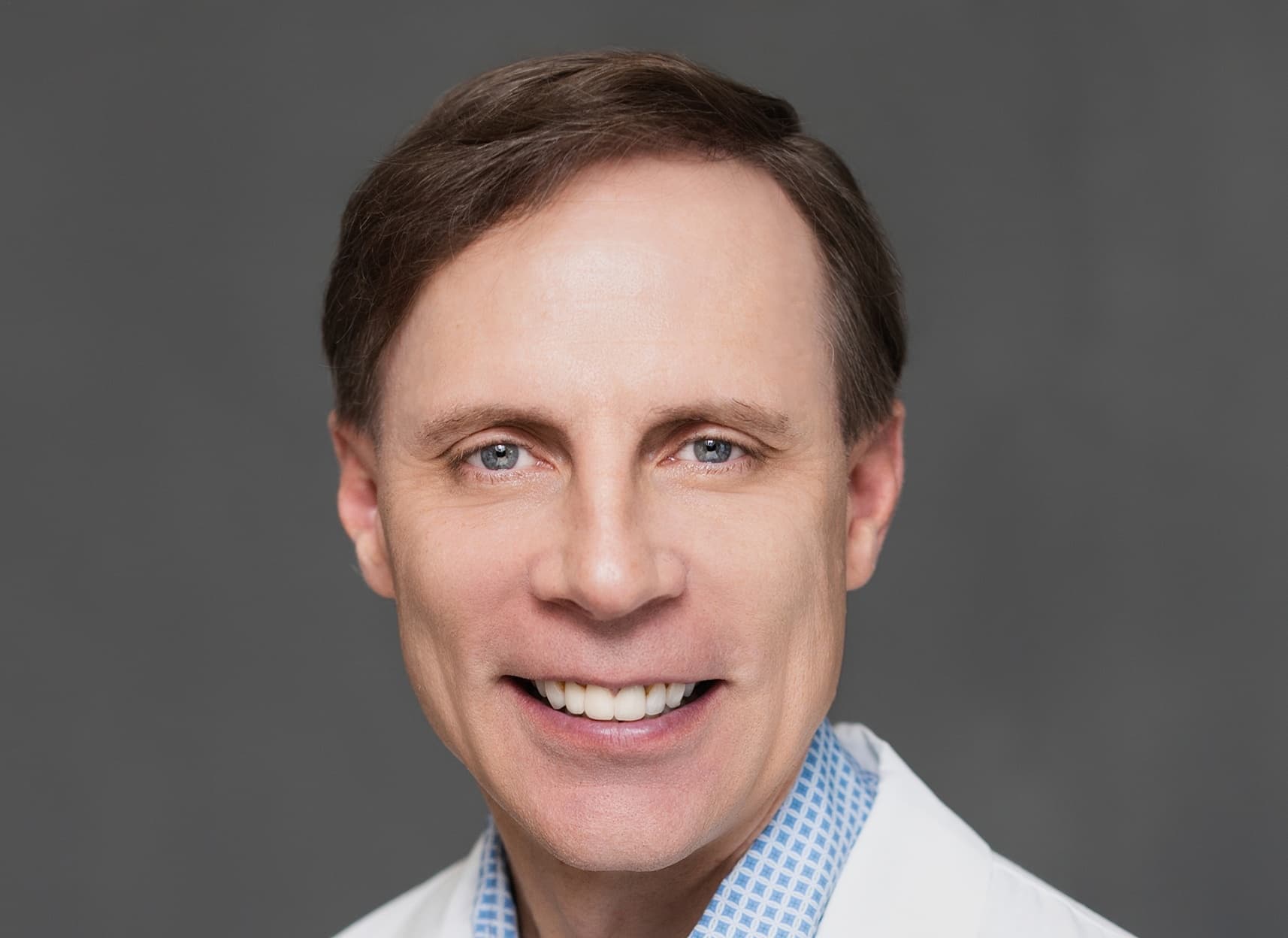
Full Transcript Introduction to Gut Infections and Chronic Illness 0:00 Everybody. Great to be back with you. 0:02 I have a special guest, doctor McCann, with us today. 0:04 And this is a topic a lot of people ask about. 0:07 And that is the relationship between Cronk infections and gut health. 0:11 And any of those of us who have been practicing for a long period of time, 0:15 you we find that in medicine, infections of the gut 0:18 often are underdiagnosed, identified by doctors and practitioners, 0:23 and as a result, the patient suffers with digestive problems and problems 0:27 throughout the body. 0:27 So we have doctor McCann today who's going to delve into this, explain it 0:32 and and how she deals with it so everyone can have a better understanding. 0:35 So doctor McCann, great to be with you. 0:38 Thank you so much for having me. 0:39 Doctor Singler, I appreciate the invitation. 0:42 Well, absolutely. 0:43 And you're a perfect person for this. 0:45 You're a medical doctor. You're an integrative doctor. 0:48 You have extensive training 0:49 and all these different segments of integrative mass, including gut health, 0:54 including environmental medicine, including infections in the gut. 0:57 I know you train doctors on this subject, so you really are the perfect person 1:01 to talk about this. 1:02 So maybe tell us a bit about how common of a problem is this gut 1:06 infection problem or chronic infections go beyond the gut, I should say. 1:11 You know, we have infections systemically. 1:12 Infections and the God of it can affect gut health. 1:15 But tell us a bit more in the background and how you learned about this 1:19 connection between chronic infections and get health, if you would. 1:23 You know, 1:24 when I first got into integrative and functional medicine, 1:28 we're doing food sensitivity testing, we're doing stool testing. 1:32 And occasionally you find stuff on stool testing, like maybe somebody has H.
How Chronic Infections Affect Gut Health 1:35 Pylori, or maybe they have blastocyst as harmonists and their stool 1:40 tests as a parasite, and maybe they have some dysbiosis. 1:44 And that's something that we need to deal with. 1:46 But over the years it's become much more complicated. 1:49 Fortunately, we have more sophisticated testing, 1:52 so we can get a variety 1:53 of different pieces of information more in depth about dysbiosis. 1:58 But my perspective really is more 2:01 systemic infections impacting the gut. 2:04 So for example, things like chronic Lyme disease 2:08 and many of the other co-infections that are that present with Lyme 2:13 disease or are, you know, related. 2:16 So for example, I see a lot of Bartonella 2:19 and baby Bartonella as otherwise known as cat scratch fever. 2:24 You may remember that song if you're old like me. 2:27 And most people don't have a history 2:30 of a cat scratch and they don't get an acute infection. 2:34 But many people will have a Bartonella. 2:37 And Bartonella loves the mucous membranes. 2:40 It loves the vascular system. 2:42 It causes a lot of pain. 2:44 It causes a lot of autonomic dysfunction. 2:47 And so we can really get messed up 2:50 in our gastrointestinal systems because of the presence of these organisms. 2:54 They impact the immune system 2:57 and then will lead to things 3:01 like leaky gut, more food sensitivities, etc.. 3:04 So I do think that there's a relationship between the 3:08 these chronic systemic infections and gastrointestinal health. 3:13 Absolutely. 3:14 So with your patients, how do you normally screen you go more on their history. 3:18 And then there's signs and symptoms. 3:20 I know labs at least my experience have been 3:23 I mean them 3:23 aren't don't seem to be definitive although they're better than 3:27 the standard labs we use. 3:28 What's kind of your experience with all that? 3:30 Patients come to us for a reason. Right. 3:33 So it's really important to acknowledge 3:36 and work on the complaints that they have. 3:39 Right. 3:40 So if you're if a patient out there has gastrointestinal issues, 3:44 I really want to understand how that's affecting their lives. 3:47 Right. 3:48 Do they have reflux. Do they have heartburn. 3:51 Do they have upper GI symptoms? 3:53 Do I think that they might have small intestinal bacterial overgrowth, 3:57 for example, which is very, very common in these patients. 4:01 And you know, Lyme and mold can lead to things like Sibo. 4:05 So depending upon what the presentation is, 4:08 that will really determine the trajectory that we explore. 4:13 And you know, we used to think of small intestinal bacterial overgrowth
Testing for SIBO, Dysbiosis, and Mold-Related Gut Issues 4:18 or even fungal overgrowth as like last thing that we look at. 4:23 Right. 4:23 And really now it is one of the first things that I look at, 4:26 I want to rule out Sibo as a factor in somebody's presentation, 4:32 so we can do things like Lactulose or even a fructose breath test 4:38 where they drink this horrible, sticky, sweet stuff and blow 4:42 in a tube at various intervals for several hours. 4:47 And then we get to see, did the sick sweet drink 4:52 get fermented by bacteria in the wrong place? 4:55 And therefore now they have symptoms. 4:57 So that's one of the first things that I'll look at is bacterial overgrowth. 5:01 Now we don't have tests yet for fungal overgrowth. 5:04 So CFO or small intestinal fungal 5:07 overgrowth we don't have the testing for that per se. 5:11 We can do things like organic acid test to see if there's 5:15 yeast metabolites that are high in the body. 5:19 And so that's one possibility. 5:21 And then it's really more about the history too right. 5:23 So if somebody we find out that they're in a moldy house, 5:27 I can be pretty confident that there is a yeast slash 5:31 mold colonization that's going on in that person oftentimes in their gut. 5:36 And so we may treat empirically with some antifungals to see if we get a benefit. 5:44 And moving forward in terms of their symptomatology, 5:48 it's quite 5:48 shocking how many patients are run into who do have mold problems. 5:52 Tell us more about tell the viewers more about that. 5:55 I think a lot of people are gonna be surprised 5:56 how common integrative doctors like ourselves find it to be a problem. 6:00 When we address it, it greatly helps the patient tell them about that. 6:03 Even course goes beyond people who live in, you know, Southern California. 6:07 I mean, this is a problem across the country. 6:09 Please tell us more about that. Absolutely. 6:12 Yeah. I usually share that. 6:14 I've lived in ten houses in Orange County, and they have Alden moldy. 6:18 And so two of them were so moldy 6:20 that I had to get rid of all of my belongings and and leave. 6:24 That's a really terrible thing. 6:25 I don't wish that anyone. 6:27 But it is really common, 6:28 not just in Southern California where we don't build things very well. 6:32 Right? 6:32 We don't have inclement weather, so we have to build things well. 6:36 But everywhere in the country, if a building isn't constructed properly, 6:41 you have the potential for water damage and mold growth. 6:45 And then when there's mold exposure 6:48 in, you know, in a home, what happens? 6:52 Will we inhale that? 6:53 We breathe it in through our mouth and our nose and some of those mold spores 6:58 and the combination of yeast and other stuff. 7:03 Bacteria can get into the gastrointestinal tract, get into the sinuses, 7:08 and then set up housekeeping and cause all sorts of problems. 7:13 So it's actually very common. 7:15 And these things cause immunologic changes. 7:20 So that will drive autoimmunity. 7:22 It can drive immune depression. 7:25 It can drive this hypersensitivity mast cell reaction. 7:30 And so people can develop allergies and sensitivities to foods 7:34 that then triggers leaky gut. 7:36 And it's this whole cascade of things that are happening.
Mold Exposure, Mycotoxins, and Immune Dysfunction 7:40 You find one that clues with these patients 7:41 as you talk to them, and then maybe they go somewhere 7:44 for two weeks on a vacation or something, and they feel a whole lot better. 7:47 And of course, they're thinking, wow, just 7:49 I wasn't under the stress from work and stuff as I was, but it could be. 7:53 And they're just not being exposed to the mold in their home or workplace. 7:56 Yes, it's always wonderful when we get that history, 8:00 and it's really helpful for the patient to see that in their own life, 8:04 in their own body and have that experience doesn't always happen, 8:08 sometimes longer than that. 8:10 Sometimes they're more sick than that. 8:12 But yeah, I love it when that happens. 8:14 Do you find the urinary mycotoxin tests are helpful? 8:18 Your patients 8:19 looking at the kind of mold toxins embody the kind of the body burden. 8:23 What are your thoughts on that? 8:25 I do I use mycotoxin testing a great deal actually. 8:30 There is some controversy about them. 8:33 We know that there are some shoemaker trained doctors who are very anti 8:38 Andrew Campbell. 8:39 Doctor Andrew Campbell, 8:40 who has my Michael Labs is very against using urinary mycotoxin testing. 8:46 I have found it to be extremely helpful. 8:48 I use one lab in particular over the other labs. 8:52 Although the science for two of the labs is good. 8:55 There's a third lab that I. 8:56 I don't feel as reproducible. 8:59 And yeah, we use them a great deal. 9:02 And it's I can't really compare the test of one person to another. 9:09 It's really tracking that person's progress over time. 9:13 And usually what we have, what we see in terms of patterns, is oftentimes 9:18 the first time we do a mycotoxin test 9:21 while somebody is still living in a moldy environment 9:23 is that the levels are elevated but not terribly high. 9:28 And then usually what happens is we figure out that mold is the issue, 9:33 get them out of the moldy environment, and now their bodies like, oh, few. 9:37 I can start dumping. 9:38 And you see much, much higher levels of excretion of these mycotoxins 9:42 in the urine. 9:44 And eventually they come back down again. 9:47 And there's there's certainly a pattern there. 9:49 So people get a little wigged out with their second repeat test or like, I'm 9:53 going to be better, know you're better because it's coming out of you. 9:57 Yeah. 9:57 Kind of see that sometimes 9:58 when we're detoxing the heavy metals with chelation and stuff. 10:02 So I know what you mean. Yes, exactly. 10:05 How about Lyme disease? 10:06 It obviously, in my opinion experience it is a problem. 10:10 It's a lot more common problem than the medical community leads on. 10:13 The CDC has acknowledged that. 10:15 How common of a problem is it that you see? 10:17 And again, are you, you know, going on history and signs 10:20 and symptoms and secondary lab tests, or how do you help people with that? 10:24 Sure. 10:26 Not all people who have Lyme disease or, 10:29 you know, the and we're using Lyme disease as a broad term, right. 10:32 So people can have Borrelia burgdorferi, which is the bacteria that causes Lyme. 10:37 They can have Bartonella 10:40 and a plasma Rickettsia, 10:42 you know, any number of those chronic infections, 10:45 and they will look like Lyme disease again. 10:48 Usually it's in the the history. 10:49 I sometimes will use a screening test called a CD 57.
Lyme Disease, Co-Infections, and Diagnostic Strategies 10:54 CD 57 is an innate immune marker. 10:58 It's a natural killer cell marker. 11:00 You know, there's again, 11:01 some controversy about it, but it can only be run through LabCorp. 11:05 Just FYI, you cannot run it through quest. 11:07 It's not accurate, but if it's less than 60, 11:12 I'm highly suspicious of a chronic infection. 11:15 It's not 100%. 11:16 I've certainly had patients who have had, you know, a CD 57 of 200 11:21 and a CDC positive Western blot through LabCorp. 11:26 So it's not a perfect test, but it is a helpful screening 11:30 test, particularly when I'm trying to sort out, is it mold? 11:34 Is it Lyme? 11:34 Chronic infections, 11:36 you know, is in a mast cell sensitive patient with lots of stuff going on. 11:40 Personally, I use I whenever possible as my test of choice. 11:46 Identical is really in my mind the gold standard for Lyme testing. 11:51 And you know, there are a couple other tests. 11:53 MDL is a pretty decent test for Lyme, less so for the co-infections. 11:59 Infected labs is a good test for Lyme and co-infections. 12:03 And then there are some German tests that are very good to arm and labs. 12:07 More often than not, we'll get positive tests. 12:10 And usually by the time patients come to see me, they, you know, rather 12:14 than pussyfooting around and trying to guess, we just do the test right. 12:18 Let's done. 12:19 I used to try and help people save money, 12:22 and then we would be fumbling in the dark trying to figure out what was happening. 12:26 So at some point you just kind of got an anti up and like bite the bullet. 12:30 The positive thing about it is that they take Medicare. 12:34 So for all Medicare patients who have who I suspect might have Lyme 12:39 or a chronic infection underneath, there are presentation to the test. 12:45 And that's been a huge game changer of being able to really identify 12:49 what's going on. 12:50 They have up leveled their technology. 12:52 They use immuno blots for all of the major infections in California. 12:57 Lyme is present, and I actually see a lot of tick borne relapsing Borrelia, 13:02 which are not really a Burgdorf or I, but rather Braley and Miyamoto 13:08 or Turcotte. 13:09 And those are actually very common in California. 13:13 And then for some people, you know, if I have a young person 13:17 who really can't afford to do the kinds of testing 13:21 that needs to be done, sometimes we'll just start 13:24 with empiric tinctures and see how they respond to the tinctures. 13:28 The tinctures are usually targeted towards the individual infections 13:34 if they respond favorably, either with hurting, which tells me that you're 13:40 killing something and they're having a response of by feeling better. 13:45 Sometimes we can do it clinically that way. 13:47 To a lot of the doctors I've talked to in practicing 20 years 13:51 plus of them, start off with a lot of antibiotic therapy 13:54 for Lyme and Lyme related illnesses, the tick borne illnesses. 13:58 And then at some point, it seems like they switched more 14:01 dominantly to the herbal like tinctures and herbal treatments, like you said. 14:05 And been more happy with that approach. 14:07 Now, of course, depends on the patients. 14:09 Sometimes you got to use antibiotics, especially if you catch it early 14:12 and all that. But what's your take on that? 14:14 I agree. 14:15 Yeah, I started with antibiotics. 14:18 Now I really try and minimize the antibiotic use
Treatment Approaches for Chronic Infections and Gut Repair 14:21 for chronic infections, but it depends on the patients. 14:25 I mean, sometimes people just do better with the antibiotics. 14:28 Maybe they tolerate them better 14:31 or if there's a lot of neurological symptoms and we really need that, 14:35 that IV antibiotic to get penetration into the brain. 14:39 So it really is case specific. 14:43 I do use a lot of anti parasitic. 14:45 If somebody has for example, trying using things like a tobacco cone 14:51 or nit is oxidized, which is or Alinea 14:56 whenever possible, because we're not going to have 14:58 that deleterious effect on their gut microbiome. 15:02 For for Bartonella, I've been using methylene blue 15:06 in combination with China's all compounded Chinese, all is actually an antifungal, 15:12 but taken orally has a great effect with some of the species. 15:19 And so you're not going to have that delicious effect on your gut microbiome either 15:26 point. 15:26 So connecting it to the gut summit, then you often find as you're treating 15:31 these chronic systemic infections, then these chronic gut problems often improve. 15:35 And then when you improve the gut, then of course the whole body gets better too. 15:39 Is that kind of the cycle you see or. 15:41 Absolutely yes. Yeah. 15:43 I mean, obviously, like I said at the beginning, it depends on the presentation. 15:48 So if people have really prominent gut symptoms, I'm going to do the best 15:53 that I can to identify what the problem is, specifically with the gut 15:57 rule out, you know, things that are going on with people. 16:01 I've been using a lot of low dose allergy therapy or LDA 16:06 training that's done by the American Academy 16:09 of Environmental Medicine to help reduce allergies 16:13 and sensitivities, and that's been a total game changer. 16:16 So when you've got this immune dysregulation, gut symptoms, 16:21 immune symptoms and then you're fighting all these infections, 16:25 maybe you have Marcell activation and everything's on fire. 16:28 Using something like low dose allergy therapy 16:31 or immunotherapy can calm down the immune response. 16:36 Help with the food sensitivities that often can exacerbate leaky gut. 16:42 And so everything gets slowly better. 16:46 Oh that's great. That's great. 16:48 Well, can you tell the viewers more about your practice, 16:50 how they can get Ahold of you the best websites, 16:53 because they need doctors like you to access and get help?
Dr. McCannu2019s Practice and Patient Resources 16:57 Thank you. 16:58 So my clinic is at the center.com. 17:02 It's a membership based practice, and 17:05 we do have patients who come in from outside of California. 17:09 We ask that people who live in a state where I happen to have a license, 17:14 they still have to come in person in California to be established. 17:18 And then we can often do telehealth for a follow up visits outside of this, 17:23 outside of the state. 17:24 So you can contact the contact my staff and figure out if you are eligible. 17:29 If I happen to have a license in the state where you live. 17:33 If you are not able to become a patient because you don't live in a state 17:37 where I'm licensed, I do have an online webinar series 17:41 that you can access through doctor Kelly mccann.com, 17:45 as well as an online community with plenty of resources. 17:48 And I have a couple of courses there as well. 17:51 Excellent. 17:52 Well, doctor McCann, thank you so much for your time and helping the viewers today. 17:57 You're welcome. 17:57 Thank you so much for your invitation.

Comments