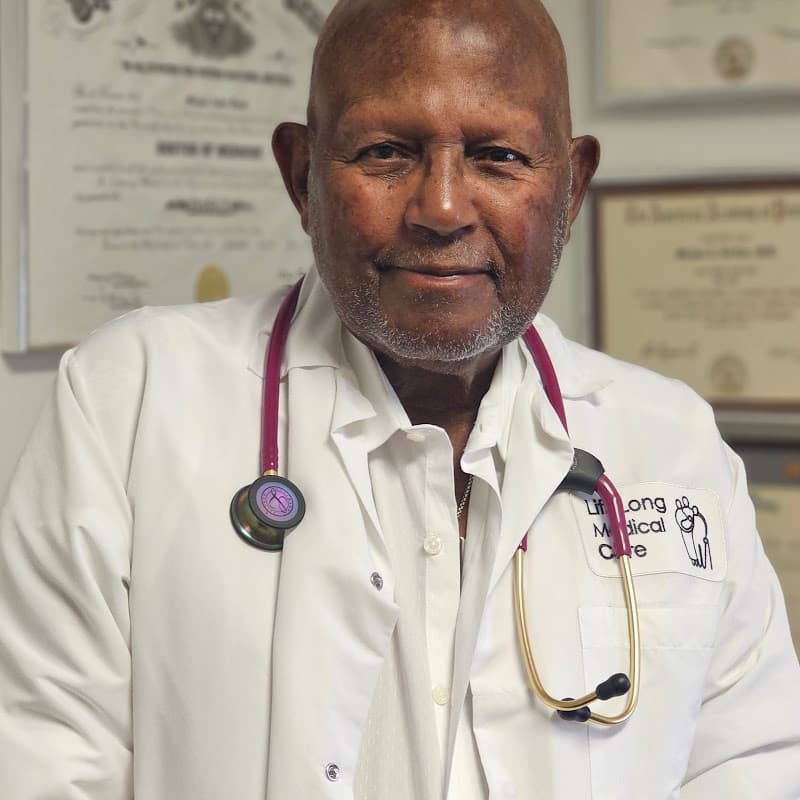
Full Transcript Healthcare Inequality and Medical Mistrust 0:01 Dr. 0:01 Michael Norah, I want to talk to you about what black families need to know when they enter the healthcare system, which is often unequal, 0:10 unjust. 0:14 Our history with the American medical system is complicated and often painful. 0:18 For generations, blackfamilies have navigated a system that was not built for us. 0:22 We carry the memory of unethical experiments and the present day reality of unequaled treatment. 0:27 It is not just in your head. 0:29 Studies and countless personal stories confirm that black patients often receive a different standard of care. 0:36 Our pain is dismissed more frequently, our concerns are sometimes overlooked. 0:41 This history creates a deep, understandable mistrust that can make even a routine doctor's visit feel stressful and overwhelming. 0:48 Acknowledging this truth is the first step toward empowerment. 0:51 this is not a story of the past, it is a reality many of us face today on January 13th, 2026. When we walk into a clinic or an emergency room, 1:01 we often carry an extra burden. 1:03 We worry if our symptoms will be taken seriously or if we will become another statistic. 1:08 This mental weight is heavy and it can prevent us from seeking the care we desperately need. 1:14 we might delay appointments or hesitate to speak up, fearing judgment or dismissal. 1:19 Understanding this shared experience is crucial. 1:22 It connects us and validates our feelings, reminding us that we are not alone in this struggle for fair and just medical treatment. 1:29 The statistics are stark and tell a story we know all too well in our communities. 1:34 Black mothers face tragically high rates of maternal mortality.
Understanding Disparities and Systemic Bias 1:39 Black patients are less likely to receive adequate pain management compared to white patients with the same complaints. 1:45 These disparities are not due to biology. 1:48 They are the direct result of systemic racism and implicit bias within the healthcare profession. 1:52 these biases can be unconscious, but their impact on our health is very real and very dangerous. 1:58 We must confront this reality head on, not to be discouraged. 2:04 but to be prepared. 2:06 Knowing this history and the current landscape is not about fear. 2:10 It is about knowledge. 2:11 Knowledge is power. 2:13 When we understand the challenges, we can build strategies to overcome them. 2:18 We can learn how to navigate these spaces with confidence and demand the respect and care we are entitled to. 2:24 This is not just about our individual health, it is about changing the system for our children and for generations to come. 2:30 We are standing on the shoulders of ancestors who fought for their very survival and we can honor them by fighting for out well-being today. 2:40 You are the chief executive officer, the CEO of your own body. 2:43 No one knows your body better than you do. 2:45 This mindset is your greatest tool. 2:47 Before you ever step into a doctor's office, your preparation begins. 2:51 Start by keeping a simple health journal or a log on your phone.
Preparing for a Doctor Visit 2:55 Write down your symptoms every day. 2:57 What does the pain feel like? 2:59 Is it sharp, dull, or aching? 3:01 What time of day is it worse? 3:03 what makes it better or worse. 3:05 this detailed record is powerful evidence that cannot be easily dismissed. 3:09 it turns your feelings into facts. 3:12 Next, make a complete list of every single thing you take. 3:16 This includes prescription medications, over-the-counter drugs like pain relievers or allergy pills, and any vitamins or herbal supplements. 3:24 Write down the name of each one, the dosage, And how often you Take it. 3:28 this information is critical for your doctor to understand your full health picture and avoid dangerous drug interactions. 3:35 Don't assume your Doctor will already have this list or that it's not important. 3:38 Your thoroughness protects you and helps your doctor make the safest, most effective decisions for your care. 3:44 Now think about what you want to get out of this visit. 3:46 Write down your questions ahead of time. 3:49 No question is too small or too silly. 3:52 Are you worried about a side effect? 3:53 Do you wanna know about other treatment options? 3:56 Are concerned about how a condition might affect your work, or family, life? 4:02 Having your questions written down ensures you won't forget them in the moment. 4:05 It also signals to your doctor that you are an engaged and serious partner in your own healthcare journey, which can shift the dynamic of the entire appointment. 4:13 Finally, gather any relevant medical records you might have, especially if you're seeing a new doctor. 4:19 This could include recent lab results, imaging reports, or notes from a specialist. 4:25 Having you own copies empowers you and ensures continuity of care. 4:28 This preparation transforms you from a passive patient into an active informed advocate for your own health. 4:34 It is your right to be heard and being prepared is the best way to make sure your voice is clear, strong and impossible to ignore. 4:42 This is you taking charge.
Choosing the Right Doctor and Advocating in the Room 4:47 Finding the right doctor is like building your personal support team. 4:50 You deserve a provider who sees you, hears you and respects your culture. 4:54 Don't be afraid to do your research. 4:56 Look for doctors who are committed to health equity. 4:58 Hospital websites sometimes highlight their diversity and inclusion initiatives. 5:02 Patient review sites can also offer clues, though you should read them carefully. 5:06 Looking for comments that mention a doctor's listening skills, respect and willingness to answer questions. 5:11 Word of mouth recommendations from trusted friends, family or community groups can be incredibly valuable in finding culturally sensitive providers. 5:19 Once you are in the appointment, remember that you have the right to clarity. 5:23 Medical language can get confusing and intimidating. 5:25 It is okay to say, can you explain that to me in simpler terms, or I don't understand what that means. 5:31 Could you draw a picture or break it down for me? 5:34 A good doctor will welcome these questions and take the time to ensure you understand your diagnosis and treatment plan. 5:40 Your understanding is essential for your health. 5:43 You need to know what is happening with your body and what the next steps are. 5:47 In plain language. 5:49 One of the most powerful strategies is to never go to an important appointment alone. 5:53 Bring a trusted family member or friend to act as your advocate and second set of ears. 5:58 This person can help you remember your questions, take notes on what the doctor says, and provide emotional support. 6:04 Their presence can also change the dynamic in the room, making it less likely that your concerns will be brushed aside. 6:10 They are your witness and your backup, Making sure the focus stays on your health and wellbeing. 6:17 But what if you feel your symptoms are being ignored? 6:19 This is the moment to be firm and persistent. 6:22 You can say, I appreciate your opinion, but I know my body and I Know something is wrong. 6:27 What are the next steps to investigate this further? 6:29 Or what else could be causing these symptoms?
Speaking Up, Seeking Second Opinions, and Family Legacy 6:32 I would like to rule out other possibilities. 6:34 If you are still not being heard, you have the right to ask for a second opinion or to Be referred to a specialist. 6:40 Do not leave the office feeling dismissed. 6:42 Your health is on the line and your advocacy is your best defense. 6:48 The work you do today to take charge of your health is not just for you, it is a powerful lesson for your children and your entire family. 6:55 When they see you preparing for appointments, asking bold questions and demanding respect, you are teaching them how to be their own advocates. 7:02 You are breaking a cycle of medical mistrust and passivity. 7:05 You are showing them that their health matters and that there voices deserve to be heard. 7:09 This is how we build a legacy of empowerment that will protect our loved ones for generations to come. 7:15 this journey of advocacy is an act of love for yourself and your community. 7:19 It can be tiring and sometimes it may feel like an uphill battle, but every time you speak up you make it a little bit easier for the next black patient 7:26 who walks into that same clinic. 7:28 You are contributing to a slow but steady shift in the culture of medicine. 7:31 Your preparation and your courage create ripples of change. 7:35 You're not just a patient, you're a pioneer, paving the way for a more just and equitable healthcare system for all of us. 7:41 Remember that you are not in this alone, we are a community, and our collective strength is immense. 7:46 Share your experiences, both good and bad, with your friends and family. 7:51 share tips, recommend doctors who listen, and support each other through health challenges. 7:57 By building this network of knowledge and supports, we reinforce our power and resilience. 8:02 We create a safety net built on shared wisdom and mutual care. 8:05 This connection is a vital part of our well-being, strengthening our resolve and reminding us of the shared goal. 8:11 So, take a deep breath, gather your notes, call your trusted friend, Walk into that doctor's office with your head held high, 8:18 knowing you are prepared, you're powerful, and you the CEO of your health, your life and the health of the family are worth fighting for. 8:26 By taking these steps, You are not only protecting your body but also honoring your history and building a healthier more empowered future. 8:34 Your health is your wealth, a precious inheritance you will pass down. 8:38 Guard it fiercely.
Comments