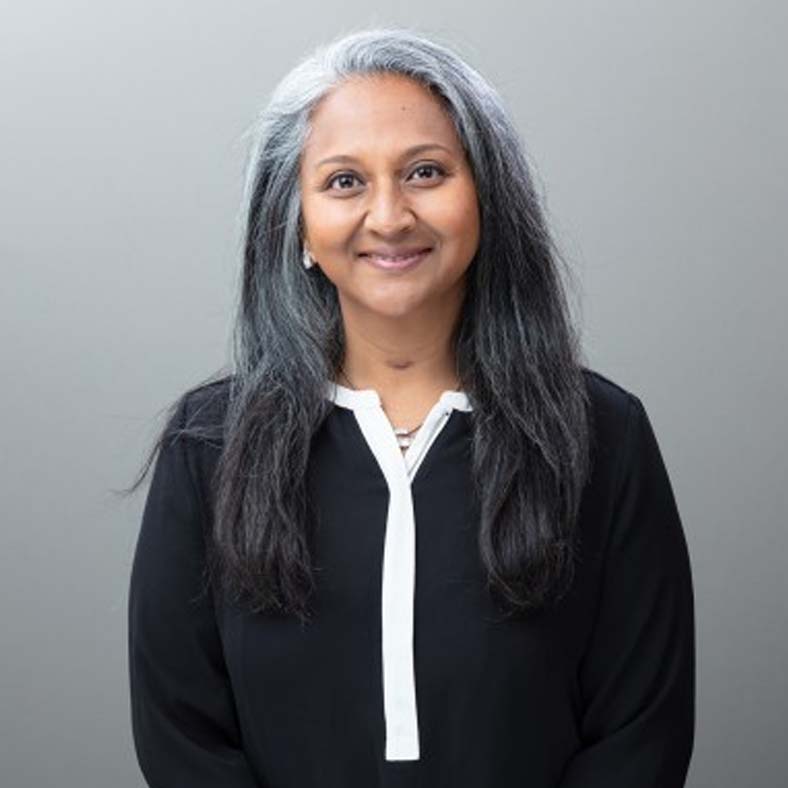
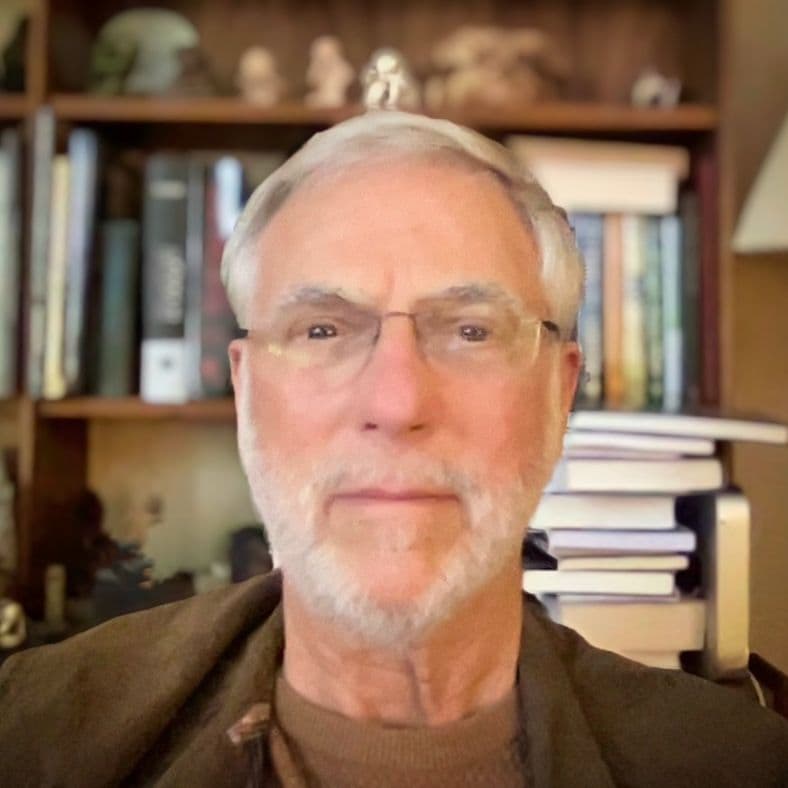
Full Transcript Opening Reflection on Psychedelic Experience 0:00 But the psychedelic experience includes, there always seems to be sentience. 0:05 There always seem to a sense of me or I, or the being of Me is being. 0:13 Even as I am losing my being, I still am noticing that I'm losing the Being, that i am dying or i'm dead, but I not dead because I know that im dying, 0:23 iam dead or dispersed over the landscape. 0:26 So as he said, There still was an I. 0:29 But it didn't matter that it wasn't together and it was under his control. 0:34 And that could be just simply understood as like, whatever it is, it's before default network mode, going offline or some part of the brain going off line, 0:46 but the self is still there. 0:48 Welcome to the To Curious, MB podcast. 0:52 I'm Dr. 0:52 Ali Ahmed. 0:54 And I am Dr Surya Ravan. 0:56 With the wisdom from holistic, alternative, and these conventional medicines, we are here to challenge the status quo. 1:04 We're curious about the connectivity and complexity between diverse fields of knowledge as a relief to consciousness, chronic illness, 1:12 mental health, resilience, learning more about the art and science of healing, or listening to stories of extraordinary healing. 1:20 You're in the right place. 1:22 Let's dive in. 1:22 Welcome back to our podcast, The Two Curious MDs, where we ask those unasked questions. 1:28 Today we have Tom Broad, and Surya Raman is going to introduce him. 1:33 He'll be speaking today on a topic that I think will be stretching the limits of this conversation on the ketamine experience, 1:41 what's healing and what transforms in that ketamin experience. 1:44 So I'll hand it over now. 1:46 As we take that deep dive in, Soraya, would you be able to introduce Tom Broad for this podcast? 1:53 Yeah, thank you so much. 1:55 I'm really excited for this conversation. 1:57 Tom Broad, MD, is a psychiatrist and practicing psychoanalyst who works in the intensive emotion-based attachment model known as ISTDP. 2:08 Formerly, he was an associate clinical professor of psychiatry at UCLA Geffen School of Medicine. 2:14 He has worked extensively in a ketamine-assisted psychotherapy, or CAP, sphere. 2:19 He's active and teaches at the Los Angeles New Center for Psychoanalysis, coordinating the Film and Mind series and the Psychedelic Oriented Manifest Mind Series. 2:29 Inspired by Walt Whitman and The Creative Inspirations of Ketamine Input, he shapes invocative poetry for ketamine exploration. 2:38 He is a compulsive assembler of eclectic playlists for CAP. 2:43 He has managed to hang on to his wife, Lily, for nearly 60 years. 2:47 Welcome, Tom, to the Two Curious MDs podcast. 2:50 Well, Tommy, I am so excited to talk to you today because we're doing this work as non-psychiatrists. 2:59 I'm not a mental health care provider from my training. 3:03 And psychedelics, though, bring us into our process. 3:06 When I talk my patients and I hear about what they're going through and where we are going to, and you mentioned something about unwrapping this gift of life.
Introducing Tom Broad and the Ketamine Conversation 3:20 What are psychedelics here? 3:21 And what are they here to do? 3:23 What do they doing? 3:24 How do we interact with them? 3:26 Like all those ways in which we've learned. 3:29 But also, what does it really mean? 3:31 Down to that question of how do you unwrap that gift of life. 3:36 That really struck me because today I just did a couple of I want to check in, do my check-in. 3:41 I just did a group session and we had two observers, a therapist and a medical student. 3:46 And it was really interesting to try to bridge those perspectives together. 3:50 We did kind of a lot of building a container, everybody kind getting to arrive, sharing their intentions and their perspectives. 3:57 Everybody's coming to it from a different perspective and then the two participants in the middle kind have their journey and were all silent and meditative 4:04 and kind hear, witnessing. 4:08 And then afterwards, everybody, every one of us is like we're in it. 4:15 We're feeling like, we've all arrived somewhere together and we are connecting so deeply with what the participants are relating and were finding pieces 4:27 in there for ourselves. 4:28 And they're describing some architecture in their where one person is saying, every journey I've ever had, I felt like I was kind of getting to a place 4:36 and then this time, because of the way I prepped everything, they were describing kind like this archer, you know, kindof like drawing back their bow and 4:45 piercing through. 4:45 That was like the psychological phenomenon that was happening of like them piercing their fear. 4:52 and feeling at the same time and embodied kind of like opening in their chest. 4:57 And you know, the medical students sitting there going, what is happening here? 5:03 We don't watch this in training. 5:07 And so I just got a little window into how weird it must be for people who are not doing this work, who're not in the psychological sciences or psychoanalysis 5:19 or just this landscape that we all have the ability to inhabit and yet may not have any familiarity with. 5:26 So those maps. 5:28 you know, that you and your professional life have really explored are just important and helpful. 5:33 And, you now, I think Alia and I also kind of bring a cross-cultural element to this, which is just what are all the maps? 5:41 Let's see all of the The Global Map. 5:44 The global map. 5:46 And you know, I mean, this gentleman who was talking is of Latino descent, but his spiritual alignment is with Hanuman. 5:56 So what's happening there when you can pull from different traditions and your own tradition and really bring it together and it's operative, 6:05 you make it operational. 6:07 I felt like today I saw one of my you know, really journeys that really like brings to light this idea of transformation and enlightenment and illumination 6:17 and and then some of those larger questions. 6:19 And I just felt like I wanted to share that with you guys as like maybe a starting point or an anchor for our discussion today. 6:27 When I saw your statement open the gift of life, I immediately thought of You know, how do you open a gift of life? 6:37 Like, I've just never heard a way of looking at life that way, that you have to open to it and you to see it as a give and it is life. 6:47 So, tell us more about this phrase and what does it really mean to you personally, professionally and in the work that your doing? 6:55 I'm working on some introductory remarks that I make with my patients, but ideally I am scheduling and there's sort of an informal tradition to call them 7:07 flight instructions. 7:09 So basically it's an invocatory column as flight instruction. 7:14 And what I'm doing, the intramuscular ketamine, I inject the patient and then I fiddle with various things that need to be done, 7:24 whether it is the aroma therapy or the getting a second injection ready or I offer the patient's light and sound through a goggles instead of a mindful goggles. 7:33 So I'm maybe doing any of those things for a few minutes. 7:36 Once the patients after three or five minutes says I am beginning to feel it, I was assuming this is about the first session for the patience.
Open the Gift of Life and the Role of Invocation 7:44 If it's first or early sessions, it is a little different. 7:48 Then I read this poem which keeps evolving and keeps changing and at one point I realized through my own ketamine experiences that I like the poetic expression, 8:01 open the gift of life, because it's all about our vitality, our beingness. 8:07 They use a word that has to be in quotes, the miracle of being alive, which extends far down into the so-called animal kingdom, 8:17 everything that's alive and in some way the botanical kingdoms and the fungi kingdoms too, I'm sure. 8:25 But anyway, that's a diversion. 8:27 So it's to be open to the awe, the freshness in the ordinary that is normally quite appropriately taken for granted or not noticed. 8:39 It's built into the invisible ordinary that we live with. 8:44 And that's one of our unspoken tests with the Academy and psychedelics is to make the ordinary visible again and awesome. 8:52 So that what that phrase, open the gift of life is blah, blah blah. 8:58 And I'm feeling like there's an element of maybe we've lost some of that, or it's always been this way where we kind of have to open to it. 9:08 It's a participatory miracle in some way. 9:12 And if we don't search, it doesn't arrive. 9:16 There's kind like this coming together. 9:19 And where do you think we are right now with this work? 9:23 The relevance of this, the interest in this. 9:26 Almost kind of compared to the 50s and 60s when the first kind psychedelic awareness increased in the West, how is this time different? 9:35 Because this has happened before. 9:36 We've opened as a culture to be all of life. 9:40 Well, as you asked the question, I might have answered it differently. 9:44 few hours ago or whatever. 9:46 But as you asked the question, I think of it in evolutionary terms that life is continually making experiments and some of them work and of some don't work. 9:59 And the ones that work over a long term tend to survive and become incorporated in the biological history of the beings. 10:10 It's also true culturally. 10:13 And right now we're in a gruesomely awful cultural time. 10:18 But at the same time, with this psychedelic revolution, thanks to Roland Griffith's work, really, and Michael Pollan following through. 10:30 We're in an era where psychedelics, particularly through ketamine, but not only through Ketamine obviously, is opening people up to unitive experiences. 10:42 And I guess this will get to the core idea that I'm trying to work with right now. 10:48 which is that psychedelic experience is a different form of dreaming. 10:53 It seems to be very close neurologically to dreaming, and maybe also opening up more than just what was already previously stored in the tissues? 11:07 That's a big question, isn't it? 11:09 It sure is, you brought it in. 11:12 That the perennialist Aldous Huxley question. 11:17 Whether the funnel of consciousness is opened out and can bring in more that we previously have had. 11:26 So the purposes of our conversation at the moment, we don't have to decide whether these are literally transpersonal experiences that are downloaded to 11:37 us in psychedelic states or whether in a psychedelics state we are put into a kind of dreaming, sometimes called the oneric state, 11:46 a kinda dreaming that allows us to take what we already know and freshly put it together. 11:55 And we all know, as Jimi Hendrix called it, we are all experienced. 12:00 So we know that there's something about the, do you want to call it the affect of love? 12:06 Let's leave that out. 12:07 Let us just say there is something that is part of the experience. 12:12 And that's part of the unit of experience that these various medicines provide us with. 12:18 What does unitive mean? 12:20 Unitive means the sense of all being connected in some way with different functions and different capabilities and outcomes. 12:29 So I don't know. 12:32 Did I get lost along the way? 12:33 No, no, you're bringing it together. 12:35 And what I'm hearing is a couple of things. 12:38 One is that your meditative access, the dreaming access that state of mind that we're able to utilize with ketamine to bring in that awareness into the 12:52 open space of all right into that whatever all looks like and whether that's the unitive one of the type of experiences is a unitive type experiences where 13:02 one feels that connection. 13:04 And then the neuroscience for me, I know you're also a neuroscientist and have studied this in your feedback in the EEGs and seen that possibility of what 13:16 changes in that sort of experience. 13:19 Then comes the aspect of Well, why questioning, like, what is a unit of experience versus the access that you would get to so many different levels of consciousness, 13:32 not just the subconsciousness, but the external consciousness of things, and how does that happen? 13:39 So, you know, I'm hearing these three categorically unique perspectives on this idea of opening oneself to the gift of life. 13:48 So it kind of brings me to question of healing, What would you say your view is on this aspect of what these treatments do biologically and existentially 14:03 as well as humanistically to the human mind that brings them to a place of healing? 14:10 I'm the guest, so I am required to give an answer. 14:14 I don't want to, I'd rather hear what you guys have to say and respond to that. 14:20 But I'll mumble a few things. 14:23 So what is healing? 14:25 Is it a reorientation in a way that makes for better functionalism. 14:31 So in classic psychoanalytic psychotherapy, people are held back by their need to hold themselves in check because of the multitude of dangerous situations 14:44 and dangerous thoughts about situations. 14:47 that they learned in childhood and learned as they moved into adultness, adulthood and politeness and what politiness requires and all the big part of 14:58 our brain is dedicated to inhibition and that inhibitions protects us from being totally disorganized. 15:07 But healing helps us go to the places that have been overly scarred or tacked down, adapted through, I guess what we call defenses and sclerotization. 15:21 So people get a free chance to loosen up and make connections that they hadn't allowed themselves to make. 15:29 And at a deeper level, get the sense that what they've been frightened of is still possible to think about. 15:37 whether or not it's acted on. 15:38 That's very tight shorthand for the whole Freudian psychology. 15:44 So you had mentioned earlier too that we're in this moment of kind of like great stress and breakdown. 15:51 And what I got from your description of it is that there are periods that happen like this and this exists in nature and we are nature. 16:00 We're embedded in thing of life, right? 16:05 And I got this realization, and civilization, we're a civilization that is dependent on life. 16:11 And we have a relationship to life and we've kind of lost a relationships to this great idea that we are all part of our life like there's all of these 16:19 layers of dissociation that But if we can flow with the great turning of life, which is the contraction and the relaxation, 16:29 the destruction and creation, I'm feeling like there's something psychological here that we as human beings are starting to recognize is useful to do, 16:40 like you said, alignment. 16:42 back to functionality where you mentioned sclerotization and getting hardened patterns and what we're doing with these psychedelics is we are kind of shaking 16:51 it up and loosening it and the taffy is getting a little bit warm because we kind as a species need to do this and we need do it quickly because our technology 17:02 has outstripped our ability to keep up with it. 17:05 And I'm feeling like we us responding to the forces that are happening right now. 17:14 And so even as you were describing, like we're in this great moment of breakdown, but having that relationship to The Great Cycles of Life brings me a 17:23 place of peace, even in the midst of this crazy tornado, this just awesome destruction, as You mentioned, that is ongoing right Now.
Healing, Unitive Experience, and Cultural Breakdown 17:33 You're kind of talking about like a spiritual jiu-jitsu almost. 17:38 than a spiritual jiu-jitsu, you know, where you kind of have to, is that the right one? 17:44 Jiu jitsu or the other one, You know where are you? 17:48 Kind of? 17:48 Have to gently yet forcefully redirect your energies because if we stay sclerotized and that's what we're seeing is people are just so entrenched in their 18:00 stories of who is us and who was them and what is right and What is wrong and That's being used against us. 18:06 now, right? 18:07 We are now in these encampments of warring factions where we've convinced that the other is so beyond the pale. 18:17 It's not about love. 18:19 This is what the psychedelic type of medicines can teach us and are really permeating our culture. 18:28 So we have a chance, maybe. 18:30 Maybe we But on the other hand, we do have some biology working against us, and that is that we're a predatory species. 18:40 That's why we are on top. 18:42 And the primitive force of winning and protecting our own It starts with protecting our family and then it's protecting own and that gets defined. 18:53 It's really a psychologically immature position. 18:56 There's a position of arrested narcissistic development is what it really is. 19:01 We've got to protect our own so we're going to get rid of anyone who's not us. 19:06 That's the kind of psychology and it can poison a civilization. 19:12 maybe worse than poison. 19:14 So the more that we are able to enhance and support the love aspects that come from the use of the psychedelic methods, the More we have a chance to adjust 19:28 our predatory nature. 19:29 A few minutes ago, I mentioned simple stuff like as we get more mature, we've become more polite. 19:35 so we don't front other people. 19:38 That's really a simple bit of inhibition and integration. 19:43 These are also the lessons of having a unit of experience. 19:46 There's no doubt. 19:48 Is there any doubt? 19:50 I mean, I've just been reading about the arguments about mysticism and psychedelic mystism the whole afternoon. 19:58 But there isn't any doubt that these medicine experiences create the unitive sense, the sense of all being one and all be connected, 20:08 however it's done. 20:10 And if people are having these unative experiences and getting a chance to contemplate them, it can provide a balance to these primitive forces that happen 20:22 to be in power right now. 20:24 So I'm going to then now summarize a little bit just to simplify this for our audience. 20:29 You're saying that there is a certain level of wisdom. 20:32 I can show you my passport. 20:34 All right, go ahead. 20:37 Tell us what you mean by your passport? 20:40 Well, you said it's been recorded. 20:42 It's an audience. 20:43 They're all going to see it, but I have a passport. 20:46 Oh, yeah. 20:47 My house burned down six months ago and I'm not leaving where I am now. 20:53 Yeah. 20:55 So I had like three questions in my head, so I'll try to stick to the one, hopefully. 21:02 wisdom that you speak of that one gains or one has with maturity with that unit of experience that brings us together that aligns us in our spirituality 21:16 and align us with our society or with a culture yeah social is society means social right yeah yeah go on please Is there a lack of that type of experience 21:29 without psychedelics? 21:30 Are we living life the way we are away from that when that's the natural code or should be the national code of, you know, 21:37 pre industrial pre technological times when we had daily almost, You know practices of That unit of Experience in all things we did, 21:48 what we ate, how we slept rituals, of sometimes the uncertainty of what We didn't know. 21:55 and the magical thinking about how philosophies come together, the ideas that were shared around in storytelling and around the fireplace, 22:05 around when we had community and connection. 22:08 You got three points. 22:10 That was the first. 22:12 So my response to it, it's not a direct response, is knowing that in Native American tradition, if you kill an animal to eat it you honor its spirit, 22:26 and in some way you're honoring all that goes into the creation of that particular animal and its sacrifice for the good of the individual that's predating 22:42 on it. 22:43 That's a bit of an emotional problem, that is why I try not to eat meat. 22:48 At least there's respect, as you were saying, I'm echoing what you said, at that level there is respect for all the connections that are there. 22:58 There's not disregard. 22:59 Well, go down to the butcher shop and see how much it is about. 23:04 And I want to bring in a little bit as you talk both of you were talking it sounds like what we're reaching for is that that this capacity does exist within 23:13 us because we must at some point have had it because as You said Tom in some cultures and a lot of cultures, they are ingrained. 23:21 They are as part of the way of life that we've seen. 23:25 And at some point we have lost track of it or because now our food comes packaged and different values are attached to it, 23:33 it's so far removed, right? 23:35 So part of is just what we're embedded in. 23:37 As you were talking, Alia, I always thought as you watch a child developing, and their relationship to this world developing, 23:46 right? 23:46 So you've got infant, you know, toddler. 23:50 We do have this moment when children say and when they see an animal that's hurt, they feel for the animal. 23:57 They really do. 23:58 I mean, They are completely crushed by it and devastated by and they the emotion really strongly. 24:04 And it's the acculturation around it that we've wrapped into it, and said, Oh, no, that' okay, don't worry about it. 24:10 And now we kind of, you know, and I think what we're recognizing is that that is an element that flowers in the human development. 24:20 This is a capacity that opens up. 24:23 And just like we know in certain times of development, certain capacities open up and if we somehow shut those capacities down or negate them or tell them 24:33 they don't matter, Somebody who might be a very sensitive child is told, no, don't think, you know, what are you doing crying over that video of a suffering 24:43 dog or something like that? 24:43 And they're just ashamed. 24:48 And then they get shamed for it and there's this real armoring happening. 24:53 And I think the way we shut down that element of love and concern and connectedness for life that I Think is embedded within us. 25:05 And i think everybody is born with. 25:07 Yeah. 25:07 So I just wanted that story. 25:10 That's very profound, actually. 25:15 Yeah, and it's simple as well. 25:18 I mean, it just it an idea that we've moved away from, I think, because it was ever present. 25:23 And we have to revisit it, as you said. 25:28 Yeah. 25:29 Well, our value system is completely turned around. 25:32 It's like, study something so you can earn money, instead of study, something, so, you could enjoy it and learn about it. 25:42 And really discovered, and I think our musicians, our artists are the only ones that still hold on to that idea that your inspiration is the key to unlocking 25:54 something and not how much it's worth. 25:57 That's ridiculous. 25:58 Really? 25:59 You mean our artist are only the ones? 26:00 What about every hour that I spend with a patient, I feel that. 26:04 There you go, you're an artist because you are an artists. 26:09 Claim your artistic self because your right. 26:12 What we do is also art. 26:14 Absolutely. 26:15 I don't think you know, I think what I mean is, yeah, like when you not doing it for the money. 26:20 You're not in that room with the patient because of the money. 26:23 You are not. 26:24 And I think that's what matters. 26:26 That's the part that makes us think about it in this way. 26:30 This brings me to my second question, Tom. 26:34 It has to do with that experience of story, of connection that you have with your patient as you were describing the setting of getting the patient settled, 26:47 getting their injection ready and reading this beautiful poem that I so want to hear and setting that space that allows one to go into that discovery zone, 26:59 call it. 27:00 Are there any patient stories or anything that you felt was one of those experiences in your experience or in a patient's experience that really opened 27:09 them up to the gift of life or They went and discovered the gift of life through that. 27:14 It's invocation. 27:18 I'm sure the content is important, but it's not as important as the idea of an invokation. 27:25 Long ago, in college, I was an English major. 27:27 And I knew I would become a psychoanalyst when I went to college. 27:30 But I thought I should do something in addition to my pre-med. 27:35 And from the Greek classics to the English classics, Milton and so on always begin with invocation. 27:42 And it's a way of the writer setting aside the ordinary and allowing what's called inspiration to flow through and to be connected to a feeling that something 27:56 greater is flowing through them. 27:59 So flight instructions, if they're literally flight instruction, is if you see a door, open it. 28:05 If you come to stairs, climb the stairs. 28:08 That doesn't work so well anyway with Ketamine, because Kettamine is not particularly visual, but it works more with psilocybin. 28:15 But even literal flight instructs like that, that say that they are already creating a set that something is going to happen. 28:26 And there can be expectation and a payoff when you expect something new to happen.
Ritual, Safety, and the Flight Instructions Poem 28:33 And of course, also with those same flight instructions as the idea, don't turn away just because you're scared. 28:39 That's the old Bill Richards thing, go toward what you are scared of. 28:43 Did I address your question with the issue of invocation? 28:46 You did. 28:47 And now you have me curious to your invocation before your flight instructions. 28:53 What are your flood instructions? 28:54 I have read them and I know they've evolved. 28:56 But before you do, before I want to ask you, you know, I believe this. 29:02 I absolutely have found that to be true as well. 29:05 Thank you for bringing in that. 29:06 Yes, books and that inviting the muse. 29:09 There's some sort of an invitation happening And I think psychologically there's a mechanism that we're inviting. 29:16 Either it's this sense of openness or either it is a sense letting go of things here in this ordinary world to go inward into a more familiar space. 29:28 But also that ability that have of when we repeatedly ritualize and go in. 29:35 And that's what's also happening is our patients are hearing this over and over again. 29:39 And that's allowing them each time to be in this perfectly primed astronaut, locked and loaded, you know, all the checklists are being done and the sense 29:50 of preparation psychologically that we're doing. 29:54 And I think you're right, that absolutely helps to center someone into the quality of the space because we've lost the ability to Yeah, 30:02 drop into that on our every day. 30:04 Like, when do we ever do that? 30:05 When do ever sit in that kind of relationship to reality anymore? 30:10 So would you like me to read my book called Flight Instructions, renamed Open the Gift of Life? 30:15 Would you'd like to share the screen or just read it? 30:20 Yeah. 30:20 I think that's a beautiful idea. 30:22 If you can do both. 30:23 put it on screen and read it or do you want to read? 30:26 I think just read and maybe we kind of do a meditative because this is closing your eyes. 30:33 I just invite our listeners to also do that and just take this moment to listen and settle in with your instructions. 30:42 Thank you. 30:43 Okay, it's about four minutes long. 30:46 And as I said, usually wait until there's some sense that the medicine is beginning to take hold, which is kind of a cheat because it makes it more beautiful 30:56 than it might be otherwise, but you're going to hear it straight. 30:58 Okay. 30:58 We're gonna just settle in our bodies and allow our breath to just kind connect with our breathe. 31:04 Bring in that long deep inhale and just use that breath of fully engage with yourself and with your thoughts and anything that it is and any sensation, 31:14 any awareness, to just be noticed, just to be acknowledged, and then releasing with your breath as you exhale. 31:22 Any tension, Any doubt, or any question that takes you away from this very moment. 31:26 Just staying present with that, with yourself. 31:33 Thank you, Ayla. 31:36 Open the gift of life. 31:38 Turn into the wind, you're safe, turn into wind and be carried. 31:44 Turn with the dust, rolling, roiling, seen, unseen, teeming, tuning, turning into air. 31:54 You're welcome, be welcoming. 31:57 Welcoming the vast more as you turn to wind. 32:01 Turn with the sun, the source of life, to the east, south, west, and the north, turning above and below, orienting to yet unknown more. 32:14 Unbound, you are in beauty and safe. 32:18 From the east, dawn opens being, sun-seeking seeds stretching in light, turning towards next and next, and NEXT. 32:30 Reach south, arching back ahead to radiate, lifting generations of aches, baked in being. 32:39 Illuminate the living of life, open west further toward ever, unbinding dimensions connected in more, Of north, ember's edge dissolved, 32:51 light into dark, dark into light, it's now. 32:56 Turn into the revealed realm of the ancient infused now, time without line, past seeking past, mine. 33:07 Now's timetable is ever now times all. 33:13 Turning into vast wind, you're more than the dust of rusting matter. 33:18 turn through vast windows you're less than you ever dreamed before before you turned into mist winding the vast hole turn as a nut anchored to the wind 33:29 secure to roll and plant in the edges of life a unit a cell of self the unfolded self me pressed into more than me now pressed in to vast ever safe you 33:43 were as you turn safe will be your return And here's a mantra that you can repeat. 33:50 I am safe in my being more than me. 33:55 And say, I welcomed the more, than I'm safe. 34:02 My being remembers the, more then me, of the whole, my, being in the More Than Me, breathes me I, am of, the hole I Am. 34:17 of the whole. 34:21 The gift of life is vast. 34:23 Now go, let go. 34:25 Let God, so called the eternal, find you. 34:28 Go! 34:29 Let go! 34:29 Safely find yourself within the vast more than me. 34:34 Open the gift to life. 34:36 That's it." That is incredible. 34:38 Thank you! 34:39 Oh, wow! 34:44 The images, the structures you've captured in that cadence and the rhythm and the pace at which the opening happens, right in that beginning. 34:58 And it's so lovely to have the accompaniment of a human voice to just walk with you and say, this is okay. 35:07 This is safe. 35:11 I know this place. 35:12 We're all together in this space. 35:17 Thank you so much for, yeah, not just writing, but reciting, you know, just how long have you worked on that? 35:28 Oh, it's been more than two years. 35:32 It's like every time I have a Ketamine experience, it gives me a little bit more. 35:37 It is inviting, curious, kind of activating. 35:42 There is a sense of lightness and where you invite the senses and the sun and direction, the wind. 35:49 Part of the things that I feel sometimes with patients especially is you don't want to direct their experience. 35:54 Their experience is their own. 35:57 Here, you're really giving them a platform for which they can launch, giving the tools from which we can explore and just letting that happen and knowing 36:06 that it's contained and it still safe for them to do that. 36:10 It's such a challenge for so many, right? 36:12 That sense of safety in this mind exploration or this experience exploration. 36:18 So I'm really honing in on that part that really begins the next phase of their discovery, Also for many people, it certainly has in the past been my experience 36:31 that going into the psychedelic state is terrifying to the flesh, giving up the control of the flash through the experience. 36:42 So this poetry and my voice and the familiarity and unfamiliarity, that's all built into poem happens at the time that they would be going through that 36:55 yielding and giving up experience. 36:56 So that's what it's intended to do. 36:59 Beautiful. 37:00 And I do believe this is something that we can find on, like, I think you've shared it with the community. 37:06 Is that correct? 37:07 Yeah. 37:08 I put it on the list of providers. 37:10 Yeah, thank you so much. 37:11 But I don't know what everybody who students in is one of the providers, yeah. 37:16 Yeah, but thank you for doing that. 37:18 That's such a lovely gift to share. 37:20 And I have to say, you know, just getting to know other people and yourself in this community, Just how rich it is. 37:27 It's all about this inner experience and discovery. 37:30 Each time we have this conversation, it's different with different people. 37:34 So I've really enjoyed just how spiritual this journey is for you, how meaningful and how grounded in our current reality. 37:44 So thank you for sharing your wisdom, your deep, deep wisdom and your beautiful poem. 37:49 You said you've had 31 guests or something like that, and each one is different. 37:55 And of course, that's exactly true. 37:57 The fingerprints are unique. 38:01 And that's one of the really interesting things to me about the ketamine experiences. 38:06 Now I've done, I don't count anymore, but I have done well over a thousand hours. 38:11 And because I work with some people once a week, you know, for years, like a psychoanalyst does. 38:18 I do not think there are too many people who do that. 38:20 as a therapeutic model. 38:22 But I'm a psychoanalyst, so for me, it's natural. 38:25 And it really, which I say, is reaffirming the notice that every ketamine adventure is different from the other one, but each person has their own type 38:40 of experience. 38:41 They have their clustered type experience that's unique to them. 38:47 That's part of why I know that it's like dreaming. 38:50 It's the same way with dreams. 38:52 Right. 38:53 There are certain themes. 38:54 They're certain elements that may be in common. 38:56 Or ways of dreaming, yeah. 39:00 And I had a dream the other night that was extraordinary. 39:05 I'm not going to bother to go into all of it, but just this much. 39:12 In this particular dream, it was a big meeting. 39:16 And there must've been, you know, let's say more than a hundred people at the meeting. 39:21 And it happened that one by one people got up and they said what they wanted to talk about. 39:27 The goddamn dreamer, that's me, made up all of these different people that I've never seen before. 39:33 I don't know anything about them. 39:35 They don' know what the look like or how they think. 39:37 Then they all showed up in the dream. 39:39 How did that happen? 39:41 That's not the way I typically dream, But it happened to be what came through me and some of the conflicts and issues that were underlying it are very 39:54 much mine. 39:56 Yeah, thank you, Ian. 39:57 Thank you for relating, I think, bringing also to question here or to the center here that, you know, we always talk about psychedelics in the perspective 40:06 of healing, PTSD, depression, anxiety. 40:09 And here we're talking, well, what's coming through for each individual is so different. 40:16 I find that they are kind of excavating and looking for their soul's purpose. 40:23 And each person's purpose is so absolutely different from another's that when people say, well, this worked for them, is ketamine going to work for me too? 40:32 In that is this big question of like, I don't know, for some people, you know they've done the pre-work, they primed it, 40:39 They've taken that bow and arrow and they pulled it back and all the ketamine is helping them do is release it. 40:47 And then for some people, they're like, what's a bow? 40:49 What's an arrow? 40:50 I don't even know what this is, right? 40:53 So I think just even recognizing that there is some sort of element of this, which is a clarification of each person's particular, 41:02 yes, like what coming through in your dreams, so it's coming. 41:05 Through you and paying attention to that and learning how to read it and You know, it's very interesting working with people over the long,
Dreaming, Ego Dissolution, and Meaning-Making 41:18 long bowl and how they, how we slowly change. 41:22 Oh yeah. 41:22 You, you had a third point. 41:24 I don't know if you remember what it was. 41:26 Yeah, I do. 41:28 And one, one has to do with the difference between transformation and just that transformation. 41:37 Okay. 41:39 but relief, right? 41:41 What is the difference that you've seen? 41:43 I guess, patient to patient, is it experience related? 41:47 Like does one have to have kind of a psychedelic experience to really transform or are they going to just be okay if they just have the medicine and feel 41:57 better and then as an antidepressant? 41:59 Gosh, I don't know how to answer that. 42:01 I mean, have so many patients who look for courts around to get better. 42:08 from my interest in them and what we work on together that have nothing to do with any kind of psychedelic medicine. 42:15 It's having learned how to listen in the context of a lot of interest, in what the person is talking about that is helpful, 42:24 as I understand it. 42:25 And then the medicine provides a looseness and an availability and then intensity. 42:32 Yeah. 42:33 The question that I'm seeking or the answer I am seeking is, what is the difference between what really heals in the experience? 42:42 Is it in experience when one has this opening to the gift of life, whether it be with a substance or not, that they really heal? 42:52 versus them getting a medicine and saying, I've had an experience, and I'm better because of the medicine's chemical effects. 43:01 There is that spectrum of effect. 43:03 For me, what I see is it all depends on the patient. 43:07 It all depend on, the opening that the patients allows themselves to be, are they ready for such experience? 43:15 Is this the right thing for them? 43:17 That assessment that I think is often I feel more and more now after doing thousands of sessions, I think that's the question from a safety point of view. 43:27 Because when these sort of transformations occur, they change lives. 43:31 They change people, identities, behaviors. 43:39 situation to the point that they can't deal with that. 43:43 They can live in the same environment because of the constraints around them, which is what led them to be in that constrained position. 43:50 So there's that assessment. 43:52 And I know I've asked, I keep going with a different kind of wandering from this topic to other, but because to me that there is these certain points where 44:01 I like to question what is better for this patient and how do they get there based on whatever place their in for themselves. 44:11 You anticipate my response in your continuing the question, because you do have experience with thousands of people with some terrible, 44:20 terrible nightmarish experiences that keep happening to them. 44:26 And so maybe what you get is the questions, well, how come people do get better? 44:32 Why? 44:33 How can they? 44:33 It's so deeply stuck in them and then they get better. 44:38 How? 44:39 So, can I turn it around for a moment and ask you? 44:42 What do you think? 44:44 Yeah. 44:46 Well, I believe and I think what's just the narrative medicine based ideology is you have to know where the patient is in their story. 44:53 And it's following that patient in the arc of that story to really assess first is, you know, the critical nature of their presentation. 45:03 when they come in. 45:04 And they're the cream of the crop complex patient who everything's failed them. 45:09 When they've come, this is their last resort. 45:13 So there's that impetus that I have to do something here. 45:19 Make that intake off and say, well, what are your barriers? 45:24 What would prevent you from you know, this ideal, uh, imagined outcome that you're seeking for yourself, whatever that is and understanding and their resources 45:32 where they're at. 45:34 And often that spiritual nature, getting the history of their spiritual experiences and spiritual access or spiritual beliefs. 45:43 Because for me, that helps predict kind of, their belief system and, and. 45:48 Their understanding of this kind mystical, these types of experiences that letting go and that trust in something bigger and beyonder than themselves. 45:56 Trust and distrust. 45:58 Yeah, trust and distress. 46:00 And after so many thousands of sessions, the answer still remains in my head about, well, this patient is better from feeling better because now they're 46:11 not depressed and they are motivated, they moving their bodies, eating better, trust in themselves, they feel unburdened and they've been able to communicate that, 46:22 whether that in therapy or whether in that trusted relationship, that alliance. 46:27 And then there's their patients who have had psychedelic experiences and speak to the nature of that experience as something beyond themselves. 46:37 We have this one patient who in their second session had an ego dissolution Session and since then as everything else has been mundane, 46:45 but that one session Just changed the nature of the game for them because they were able to completely Dissolve and now they go back. 46:55 They had a dissolution of their life they died in some way we thought they would dead or about to die probably thought, they, 47:05 were dead and They came back through a loving membrane that stayed with them and Yeah, they reached out. 47:14 They were scared in that process. 47:17 they held on and knowing that somebody was with them in the room, knowing they had that physical contact, that emotional contact. 47:26 They've been okay since. 47:28 It's almost like, do you need any more sessions? 47:30 Because everything is less important than it was. 47:35 The situation that they were surrounded by, it's not as important because they've seen something, they released themselves in that I imagine that if they 47:48 were tripping on their own and had a very, not quite right shorthand, they had ego dissolutions. 47:58 They had an experience of dying and they we're on there own. 48:04 And it turned gray and dark and cold. 48:08 That's traumatic and re-traumatizing. 48:11 But being with you and your lovely smile, and your voice and knowing that you're there and the whole security of the two-person arrangement makes it a 48:24 completely different thing. 48:25 I've come back through, I'll use the phrase from before, comeback through a membrane of love and stayed with me. 48:31 And I love that the membrane love because it's like the baby being reborn. 48:36 It's, like, if you die, you get to be reborn and what that means is it as if little you know I took a little cotton wool and a bit of cooling witch hazel 48:49 and I just like kind of put it on top of a hurt that cooling effect of that membrane that you're talking about and what it does for all of our pains and 48:58 our hurts and any kind of jaggedy edges, as you said earlier, and how it can help us to bounce back a little bit and be a bit less jaged, 49:13 more constituted in the way we're supposed to be, which is to feel whole and to love. 49:21 And yeah, I think sometimes just that one experience, that I've had patients who've You know gone through and come back and never needed another experience 49:31 again you know they're in that classic Alan Watts like if you hear the message hang up the phone. 49:39 I heard the message. 49:41 I'm hanging up the phone now because I got this because, I mean, you know, and you're right, too. 49:46 And I think both of you recognize this as people who come to this medicine are coming when they've exhausted every other situation. 49:53 and I do think there is a level of desperation that is needed before any of us will jump into the unknown because it's scary. 50:02 It's like if everything was okay in your life. 50:04 Would you choose to do this? 50:05 And yes, there are people who do it in the name of exploration. 50:08 But for most people, this is not cool, because coming back to their everyday may be just too jarring. 50:16 I have a completely different agenda item before we say goodbye, if I could introduce it. 50:21 While I was reading and studying today for a paper that I'm attempting to pull together, I came across a Michael Pollan quote And it raises the interesting 50:35 question about psychedelic experience, mystical as personal experience. 50:40 And I'm going to get that quotation. 50:44 It was used in a different way in the paper that I was reading it from, but I wrote it down. 50:49 This is Michael Collins, I think, page 236 of the book. 50:56 He says, and he puts that in quotes, Now I turned into a sheaf of little papers, no bigger than post-its as if they were being scattered to the wind. 51:07 But the I taking this in taking in this seeming catastrophe and no desire to chase after those slips and pile my old self back together. 51:17 No desires of any kind. 51:18 In fact, whoever I now was, was fine with whatever happened. 51:24 No more ego? 51:26 Well, that was okay. 51:27 In fact, it was the most natural thing in the world. 51:30 And then I looked and I saw myself out there, but this time spread over the landscape like paint or butter, thinly coating a whole wide expanse of the 51:41 word with a substance I recognized as me. 51:45 What had always been a thinking, feeling, perceiving subject based in here was now an object out their. 51:53 I was paint. 51:54 He's a wonderful writer. 51:57 So I'm thinking about how you would interpret that as a dream. 51:59 And at one level of the dream, if you just interpret it as just simply a Then he is taking the experience of, well, okay, 52:16 I have to say it beforehand, but the psychedelic experience includes, there always seems to be sentience. 52:23 There always seem to a sense of me or I or the being of me is being, even as I am losing my being I still am noticing that I'm losing the Being, 52:36 that i am dying or I Am Dead, but i'm not dead because I know that, I AM dying, or i Am dead, dispersed over the landscape. 52:44 So as he said, there still was an I, But it didn't matter that it wasn't together and it was an under his control. 52:52 And that could be just simply understood as like whatever it is before default network mode going offline or some part of the brain going off line, 53:04 but the self is still there. 53:06 So it could just be, let's use the shorthand again, ego dissolution. 53:12 But now let us look at this as a revelation. 53:17 Revolutionary revelation. 53:18 In fact, it's a way of the beyond talking back to Michael Pollan saying, look at you son of a bitch. 53:27 Look at, you, but you're not going to dissolve into nothing. 53:32 Most people just turn into dust and dust that circulates as long as there's air around earth, that you are able to do something which is transmitted and 53:44 translated and covers the whole globe. 53:47 Little, little bits of you that don't have you in them and yet are you. 53:50 And it's what you've done. 53:52 What's it called? 53:53 A prediction. 53:54 Yeah. 53:55 The landscape of blending of that connection to the, to, yeah. 53:59 To the colors. 54:00 So that's the future talking to him, talking through him. 54:05 That's an interpretation. 54:08 May or may not be right, but it seems right. 54:10 Doesn't it? 54:11 Yeah, I love to think about that. 54:13 I'm going to put that in my paper. 54:15 Yeah. 54:15 Thank you. 54:16 Good. 54:17 The definition or the actual... 54:20 That story. 54:21 That little story in the dream interpretation. 54:24 And there's so many different ways of interpreting that, but that central piece, which is when I dissolve, there is still something there. 54:34 is something that when our patients encounter for the first time, they're kind of shocked by it because those two things have always been so interrelated. 54:42 But I think that's the 1st step is like, what does it mean now that you can have this experience and that this person here now, 54:50 all the things that are in your default mode network, personality, history, dah, is when it goes away, this you doesn't really care. 54:58 and is actually looking at and yes there's this wonderful like perspective taking aspect which that gives us which i think is what gives a lot of relief 55:09 over the pains of our small self sufferings because it's just like well those actually don't matter in the grand scheme of things and And then, 55:16 what I'm kind of recognizing- Well, they matter a lot to us. 55:19 To us, yes. 55:19 As human beings, as embodied human being, the matter of a great deal. 55:24 This person really cares about it. 55:26 In a big picture they don't, and we're all connected to the big pictures. 55:30 Yeah. 55:31 And there's this kind understanding of like, you talked about the funnel, I talk about like the aperture of the camera, I think we're talking about a really 55:42 complicated structure here that does have kind of like that qualities of being able to hone in and be small and then be able expand out and somehow have 55:52 more information coming through it, right? 55:54 And that going between couple of states in that constriction changes how we think about this self. 56:03 That's as far as I'm going to go with that interpretation. 56:06 But I think recognizing that we even have control over that funnel is probably like another step, right? 56:14 That I try to teach my patients is like, you can get into this state from listening to music and exercise and being with somebody you love and being in 56:22 nature and all of that, you source more from this place. 56:27 Access. 56:27 And then recognize also when it's getting constricted and constrained and it is getting very tight and that nothing is going through. 56:35 That's like no inspiration, no love, nothing, and whatever the reasons for that are. 56:41 Then the next kind of framework that I think of is the concept of Indra's Web. 56:49 Which is that everything in the cosmos is kind of yet, you know contained in microcosm as well as the macrocosms and. 56:56 We are a web of meaning, and we're each reflected in each other. 56:59 So I contain within me both Alia and Tom in this place of non-dual being, where it's like, I'm not me, And I am not you guys. 57:11 You know, kind of both. 57:12 And that's kind cool too, because we are all having an interaction, but it is hard to live in that place. 57:17 But we kind see that when we go into psychedelics. 57:20 We really recognize and be with and experience the fact that We are all one. 57:26 Again, one, we are one that we're of one and, and so, yeah, there's no separate talking about that. 57:38 There's nothing that there is no separateness. 57:41 So going back to micro pollen, he's, He is all those pieces, but he is also the person, the being or the presence that can look at that experience and 57:52 make meaning of it in some way. 57:54 So that transpersonal nature of it. 57:57 And the meaning changes. 57:58 That single metaphor may be interpreted when it's revisited in so many different ways, that the fragmentation of the posted notes and then the coming together 58:09 is something else and that it evolves. 58:11 And I could read this again and say, wow, this was what it means. 58:16 No, no, now because of this experience, THIS is what IT means! 58:21 So it becomes something to anchor the patients to their sense of reality, just because of that experience, they're able to really engage with it. 58:30 So I guess I answered my own question. 58:34 Or you answered it for me. 58:35 You answered with that paragraph, really, that the experience is important. 58:43 That experience becomes meaningful because we bring meaning to it, and we see it in so many different ways. 58:53 And we can able to lift from that experience. 58:56 We can access it again. 58:58 Yeah, if we've accessed it once, we're gonna access that again, and I think that's where that trust piece comes in to be able trust that this is actually 59:06 who we are. 59:07 That's a whole other conversation. 59:11 And it is time to end this conversation. 59:13 Like the psychoanalyst that I am. 59:15 Thank you so, so much. 59:18 This was absolutely beautiful. 59:19 Yeah, it's been great fun. 59:22 I feel like we're going to have another chapter in your book or in our next paper. 59:27 And we need to revisit this again because there's other topics here that we still have not addressed. 59:35 Thanks so much. 59:39 Thanks for joining us on the Two Curious MD podcast. 59:42 We hope today's episode inspired you to ask new questions and explore fresh perspectives. 1:00:05 Post your comment with a question or curious inquiry that you have and seek to explore or learn with us. 1:00:11 Stay curious and we'll see you next time.
Comments