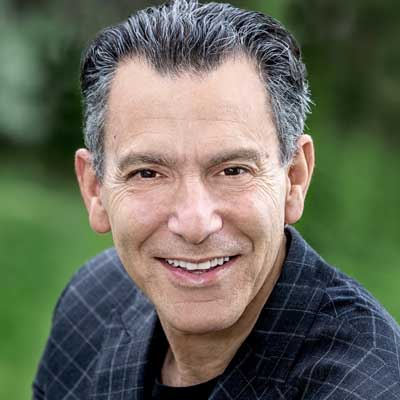
Full Transcript Introduction to Dr. Douglas Thompson 0:00 Everybody. This is a great topic. 0:03 So glad you're here. 0:04 Back with another episode of Reverse Heart Disease Naturally Summit. 0:07 And I bring two from southeastern Michigan, one of the most famous dentists 0:12 across the United States, an educator, a clinician, accommodation. 0:17 But most importantly is my dentist, too. 0:20 So I put my teeth and gums and tongue and oral care 0:23 in his and his stats hand and I'm very picky about who I pick. 0:27 So introducing Doctor Douglas Thompson, but just to give him 0:31 the accolades that he certainly deserves. 0:33 He's a graduate of the University 0:34 of Michigan School of Dentistry and we share that legacy. 0:38 He went on to do, advanced training at the VA, residency program and joined, 0:44 private practice in 1997, in suburban Detroit. 0:48 So we practice a couple miles apart. 0:51 But beyond that, he went on to do continuing education 0:54 at a major dental center in Seattle called the Coys center. 0:58 And he's moved up to become a member of the advisory board and clinical faculty. 1:02 And he spends lots of time in Seattle educating all those other dentists 1:07 about advanced techniques and periodontal disease and the genetics of oral DNA. 1:12 We're going to talk about and really exciting. 1:15 He's set up 1:15 something called the Wellness Dentistry Network of dentists around the country, 1:20 dedicated to continuing education, really centered on cardiovascular disease. 1:25 And how can a dentist introduce systemic health, systemic 1:29 wellness, while the patient is visiting a dental office for a radical idea? 1:33 But Douglas is an out of the box guy. 1:36 We have overlap. 1:37 Besides in, dental care, both in anti-aging training 1:41 where we were in the same modules, and also in the Bale Donen course. 1:46 And of course, everybody has had a chance to meet Amy Downey and Doctor Deneen and, 1:51 so we just share multiple pass of curious doctors. 1:55 Doctor Doug Dabs. 1:56 It is a curious doctor. He's not satisfied being average. 1:59 So thank you so much for coming and joining today. 2:03 Well, Joel, thank you so much for the great introduction. 2:05 I appreciate it. 2:06 And I just want to give a obviously a shout out to what you do. 2:09 You know, being on the prevention side is takes a lot of courage 2:14 because there's, just like me, I could make a lot more money 2:17 drilling on things than I can, educating somebody about how to be healthy. 2:20 But the goal is, you know, create beautiful smiles for patients. 2:23 But to allow those people that have those beautiful smiles 2:26 to be as healthy as they can be. 2:27 So before we kick off, any questions or any comments, I just want to thank you 2:31 for all the mutual patience that we get to share and, the work that you do as well. 2:36 Well, thank you very much. 2:38 If you're not curious, if you're not asking why, 2:40 if you're not disrupting the norm, 2:43 you're doing good work, but you're doing really special work 2:45 when you do the kind of stuff that you do. 2:46 I mean, just everybody listening. 2:48 You walk in Doctor Thompson's 2:50 dental office a beautiful place, but there's books all over the place. 2:54 And cardiovascular disease 2:55 and sleep medicine and, weight management on fasting, mimicking diets. 2:59 There's posters. There's handouts. 3:01 And we'll talk about the Wellness Dentistry network in a minute. 3:04 But you actually offer blood work 3:06 that's sometimes more advanced than what people might get at their internist 3:09 or their cardiologist, looking at that magical word 3:12 called inflammation and root causes of, poor health. 3:16 So, Doug, some people are going to wonder, you 3:18 know, this is a really broad summit on reversing heart disease. 3:22 Naturally. 3:23 You know, we're not talking about hemorrhoids
Why Oral Health Matters for Heart Disease 3:25 and heart disease because there's no known connection. 3:27 But why are we talking 3:28 why are we talking about oral health and cardiovascular disease? 3:33 And how big a field of overlap is that? 3:37 Yeah, it's a great question, Joel. 3:38 And, 2011, I attended one of the functional medicine Continuums. 3:44 I think it was maybe the American Academy of Anti-Aging medicine, 3:47 but whether it's, the, Functional Medicine Institute 3:50 or the international, College of Integrative Medicine, 3:55 a lot of these physicians were looking at back in, back in after 2004. 3:59 They were looking at inflammation, just whole body 4:02 inflammation as being the silent killer. 4:05 And, you know, we thought the heart disease was a cholesterol disease. 4:08 And then we started to realize it's an inflammatory disease. 4:11 And now today we've moved 4:13 from not only inflammation, but we're now looking at oxidative stress 4:17 and the significance of oxidative stress and what it does. 4:19 And when I started to peruse the literature on gum disease and other 4:24 oral conditions that create inflammation or create increased oxidative stress, 4:30 I mean, obviously it's a plethora of diseases that do that. 4:34 And so I thought to myself, 4:35 I wonder what I could do in my dental practice if I have somebody 4:39 sitting there for 45 minutes, which most physicians, unless you're, 4:43 you know, have some kind of, fee, for your practice, 4:46 most physicians just don't have that much time with patients. 4:49 And I thought, what could I do to maybe ask a question 4:54 or say something quickly to a patient that would 4:57 maybe encourage them to see somebody else, or that would encourage them to get help 5:01 in another way. 5:02 And then and so we developed this whole concept about, 5:06 can you be could you be healthier coming to a dentist beyond your smile? 5:12 I mean, that was the idea. 5:13 And the answer was, yes, you could. 5:15 There's a lot of things we could do. 5:17 I mean, I could see I mean, there's three things 5:20 in metabolic syndrome that I can see visually. 5:23 There's things that I can look at their health history and determine 5:27 that, you know, they're significantly at risk. 5:29 So this was the option and this was the opportunity. 5:32 And then when I started to really study the science and I learned about the bugs, 5:36 the bacteria, yeast and viruses that live around the teeth, 5:40 I started to realize they have a direct impact on vascular biology, 5:44 basically what goes on inside the bile, the biology of the vascular wall 5:49 and when I thought about that, I mean, what a great opportunity 5:52 to eliminate the oral cavity as being a contributor 5:56 to what you so strongly, work hard to put out the fire 6:01 inside the vessel, that inflammation and that oxidative stress that's going 6:05 on, that we know is the root cause of many heart attacks and strokes. 6:09 So before we go to maybe some other questions, 6:12 I mean, some people might be tuning out already. 6:15 My teeth are fine. 6:16 I don't have any gross problem. 6:19 I don't have any pain. 6:20 I don't see much blood 6:21 when I hopefully floss and, use some kind of water irrigation and brush. 6:25 What do we really need to hear the rest of this talk. 6:28 But every day in my clinic, I see people with elevated high 6:32 sensitivity C-reactive protein, elevated Milo peroxidase, 6:37 and the other advanced markers of vascular inflammation, blood vessels and fire. 6:42 And we go through. Do you have psoriasis? 6:45 Are you 50 pounds overweight? You have sleep apnea. 6:48 Are you eating McDonald's? 6:49 We go through the classic list of origins of inflammation. 6:53 And it's a no no, no, no. 6:56 Why does a person listening, need to stay tuned in 7:00 that there could be areas in their mouth driving inflammation 7:04 throughout the body, not just in the gums, and they may not be aware of it. 7:08 Where can you hide inflammation and how do you find hidden inflammation? 7:12 And what kind of testing might reveal that your mouth is rotten 7:15 and it's affecting your whole body, including your blood vessels? 7:19 Yeah, it's a great question because Joe and most of the disease 7:22 you can't see and unfortunately you can't feel it. 7:25 It's like hypertension. It's a silent killer. 7:28 It just sneaks up on you and it's, it percolates for a long time. 7:32 Starts in your 30s, maybe even in your late 20s, 7:35 and it just goes on and, percolates for a long time. 7:38 So the first thing that we can do as an earlier screening 7:43 than waiting until it gets so visual, it's like somebody 7:46 having a heart attack or stroke. 7:48 Why don't why do I have to wait 7:49 until they have dizzy spells or chest pain or shortness of breath? 7:53 I mean, why can't I do something earlier to detect subclinical disease? 7:58 Well, we now have salivary diagnostic tools 8:01 where we can measure the microbiome inside the mouth because we know 8:04 that the microbiome is a big part, a dysbiosis. 8:08 In other words, an unhealthy microbiome is a big part 8:12 of the causative factor of inflammation. 8:15 So what if I had some kind of test. 8:18 And this is where the world's going today. 8:19 We're getting into early and earlier testing methodologies 8:23 that allow us to figure out and see disease before it presents itself. 8:28 That's the gift that we have. 8:29 However, you got to come and sit in the dental chair 8:31 and you got to get it done, or you could do it in your office jaw. 8:34 You could do the salivary diagnostics in your office. 8:37 And when you see a dysbiosis, I know how I've spent 12 years of my life 8:41 trying to figure out how to shift that dysbiosis back to health, 8:45 and I can tell you it's very much harder than what they've been teaching us 8:48 traditionally in dental school.
Salivary Testing and Hidden Oral Inflammation 8:50 And that's what we've been, able to figure out. 8:52 And that's why when people have elevated CRP and you can't figure out 8:56 why, it's like, maybe I should look at their dental health. 8:59 Maybe I should look at that. 9:01 I think that's the message people need to carry away from here is 9:05 maybe you're not 9:06 getting an adequate dental evaluation, or maybe you haven't been to the dentist 9:10 because of the pandemic, and it's time to get yours. 9:12 So a lot of people haven't get back in the saddle. 9:15 But what you're talking about, you know, measuring oral, bacteria 9:19 is literally just spitting in a collection device 9:22 and sending it off to a lab, like oral DNA. 9:25 And I think there's about three other companies. 9:29 There's seven companies now, at least seven companies. 9:32 And we have one company that, literally for, 9:35 you know, $125, you can find out this information 9:39 is notoriously inexpensive and it's available. 9:43 It's a swish. 9:44 It's basically collect a saliva sample and we send it into a laboratory. 9:48 Within three days. 9:49 I can get a, an idea. 9:51 If you have high levels of high risk pathogens in your mouth. 9:55 And let's just say you do, let's just say you do. 9:58 I know, I know, if you have that exposure, 10:02 you have some kind of, likelihood 10:06 that a biomarker is being affected downstream 10:09 and you're up to 57 cross-reference diseases right now 10:13 with gum disease, and we haven't even mentioned sleep apnea, 10:17 or we haven't even mentioned some other things that we can, detect for. 10:20 And I know you do a lot of sleep apnea screening, 10:23 and you've realized how important that is for cardiovascular wellness and, 10:27 AFib and, different, different diseases that people have. 10:31 And in a recent study published as a cross section of Americans, 10:36 which sadly, three quarters of Americans are overweight 10:39 or obese, it's a real up to date cross-section of Americans, 10:43 47% had unknown moderate or severe sleep apnea. 10:48 By just doing a simple home sleep study like you offer, and I do now 10:52 offer two and it's 47%. 10:55 So you're right that dental visit may result in an evaluation and, 11:00 therapy for an important driver of inflammation, sleep apnea. 11:04 And, again, you and I know both. 11:06 I go by this, statement test, not guess. 11:09 I mean, you don't know that you don't have sleep apnea, 11:11 and you've been tested, and now you don't know that you have 11:15 a healthy mouth microbiome till you've done a, bacterial evaluation. 11:20 How about imaging? 11:22 The same patient. 11:23 Elevated high sensitivity C-reactive protein, no obvious, 11:27 extra mouse, cause, they have some root canals. 11:31 They have some implant. 11:32 Where can, abscesses if I said they're right, where can they hide? 11:37 And what can a advanced dentist like you do to image them? 11:40 Well, now, Jill, we have a really cool 11:43 three dimensional radiographic machine called cone beam. 11:48 Cone beam technology. 11:49 CBC, and the CBC t machine allows us to get a three dimensional image 11:55 that we can move around on the screen, and we can look at the front side 11:58 of a root in the left side of a root, 12:00 and the right side of the root and the back side of a root. 12:03 And what we can see is things that used to appear 12:07 to overlapped on two dimensional films all of a sudden become clear. 12:11 So we're detecting about 37% more disease on CBC, CT evaluation. 12:17 And what we also get a chance to see is typically the pituitary fossa. 12:21 We get to see other, images of the carotid. 12:24 And very often now we're detecting calcified changes 12:28 in other vascular systems other than just the carotid. 12:32 And so the idea is imaging 12:35 is now, probably a three fold benefit. 12:38 We can see so much more. 12:40 We can pick up calcifications on the on the radiographs, 12:44 which then I send them to you for a simple, 12:48 so I can figure out if there's other issues. 12:51 We can pick those up and what else can we see. 12:53 We can see these hidden infections that you couldn't see on two dimensional films. 12:59 So anybody wants to rule out any kind of inflammation 13:03 or any kind of infection that might be contributing to any elevated 13:08 biomarker of, cardiovascular disease, whether it be LPL 13:12 two, my up peroxidase microbiome and the ratio, 13:15 all these things can be are affected by gum disease 13:18 and by root and pathology, which you would call an abscess. 13:23 Okay. 13:24 And I mean, is it standard in dental offices? 13:27 Every time I'm in your office, I'm getting the depth of my gum pockets 13:32 measured with usually takes two people to do that efficiently. 13:36 I mean, how often. 13:37 And there's probably some people listening who don't completely understand 13:40 what I'm talking about. 13:41 Very careful, painless probing of every single tooth 13:46 for, depth of pockets to indicate periodontal disease. 13:49 Is that pretty standard 13:50 in a general dentistry office or, and how often should it be done? 13:54 Well, it should be done every visit for anybody 13:57 that comes more than twice a year ago. 13:59 But unfortunately it's not.
Cone Beam Imaging and Detecting Abscesses 14:02 It's the standard of care, 14:03 but unfortunately it's not standard in a lot of dental practices. 14:07 And I still have patients that come to me and we start to do that as the backbone 14:12 of our comprehensive periodontal evaluation. 14:15 It's the backbone of that evaluation. 14:17 You can't you can't make a diagnosis without it. 14:20 And the and unfortunately it's not being done in a lot of offices 14:24 because hygienist look at your teeth, make all your gums look perfect. 14:28 I can't tell you how many people have come into my office 14:30 with stage two and stage three periodontal disease. 14:34 We stage it just like cancer one through four, stage two and stage three. 14:38 That would be, more than mild to severe to lessen severe periodontal disease. 14:43 And they said, I've never had this gum mapping done before. 14:46 I've never had this charting done. 14:48 And what the charting does, it allows us to see the difference in the crevices. 14:53 Same crevice. 14:54 You would get a popcorn hall stuck in between the gum and the tooth. 14:58 It gets deep for some people, and when it gets deeper, 15:01 it selects for bad acting bacteria to grow down there. 15:04 So you have to measure it and you have to monitor. 15:07 And it's basically a report card. 15:08 It's how we tell how well your gum health is, is maintaining. 15:12 And our goal in practice, when we find somebody with gum disease, 15:16 we want to stabilize it and we want to hold it. 15:19 You can never cure it. 15:21 We want to hold it into that pattern so it doesn't get worse. 15:24 And then we want to eliminate the pathogens or the bad acting bacteria 15:28 that made that process in the first place. 15:31 That's the idea. 15:32 And again, for people listening, you know, why should you want to know 15:36 and go through this, more advanced careful examination of your gums, 15:40 your periodontal recesses, 15:42 because, as you said, Doc Thompson, more than 50 diseases are linked 15:46 to the presence of this moderate to severe periodontal disease. 15:49 One of them is coronary artery disease, carotid 15:52 atherosclerosis, the very topic we're talking about. 15:55 You're going to have a hard time reversing your heart disease. 15:58 Naturally. 15:59 If you have hidden pockets of peri apical abscesses 16:03 or you have a mouth full of advanced periodontal disease, 16:07 this is, you know, perhaps on par 16:09 with your diet, your fitness, your sleep, your stress management. 16:13 I mean, this is top priority is isn't, just, you know, being 16:17 kind to my good friend, Doctor Doug Thompson, this is a critical component. 16:20 Well, you would agree with that. 16:22 You know, Joel, I would describe it like in the Forest of Health, 16:26 you know, we have some big trees and we have some small trees 16:29 and we have some bushes, you know, and maybe, you know, vitamin B, 16:32 I don't want to I don't want to, learn loss credibility to. 16:36 But it might be a bush, but I can tell you gum disease is a tree. 16:39 And, you know, hyperlipidemia and, elevated, inflammatory biomarkers. 16:45 These are more trees. 16:46 And I can tell you if you want to, 16:48 if you want to prune the forest of, of health and wellness, 16:51 you got to cut down those big trees because those trees are important. 16:55 So anybody overlooking periodontal disease, anybody 16:58 overlooking sleep apnea, it's a big mistake. 17:01 And, and I'm trying to help train, 17:04 a team 17:05 of dentists around the world, through our wellness dentistry network. 17:09 We want them to understand the language, 17:11 and we want them to understand the significance of their place. 17:15 And collaborating with physicians and collaborating with, 17:19 other care providers to have that patient be as healthy as they can be. 17:23 And they have to have a thorough oral inflammatory evaluation, 17:28 and they need to make sure they don't have anything in the mouth 17:30 that's contributing negatively. 17:32 I can't I can't treat a dyslipidemia. 17:35 I can't treat elevated LP, LP delay. 17:38 I can't treat that stuff. That's for you to do. 17:41 But what can I do? 17:42 I can do my part, which is take the mouth out of the equation 17:45 as contributing to the, to the disease process. 17:48 There's so much literature on this. 17:50 It's, It's unbelievable. 17:51 Yeah, I know I'm hampering you 17:53 because your typical presentation is like 250 PowerPoint slides, 17:57 and they're all academic references to science. 18:00 And we're just talking which I know as a lecturing physician 18:05 can also be challenging not to have 18:07 the comfort of your PowerPoint, but you're making 18:09 you know, you're hitting home runs out of the park with these comments. 18:13 So we have a fair number of health care practitioners tuned into this summit 18:17 nurses, bas, nurse practitioners and all kinds of medical people. 18:22 They've got 15 minutes with a hard patient, 18:25 somebody who's had a stent bypass, heart attack, carotid disease, 18:28 and they don't ask any questions about dental health. 18:31 And they have one minute they say, I am so fired up. 18:34 I met Doctor Thomson.
Periodontal Probing and Disease Staging 18:36 I'm going to spend one minute of my 15 minutes. 18:38 What are two, three, four critical questions 18:41 they should ask when that heart patient 18:43 shows up in a cardiology office and internal medicine office 18:46 to get them over to somebody like you, but to screen for maybe the most in need? 18:52 Yeah. 18:52 The biggest thing 18:53 you would want to ask is, are they current with their dentist number one. 18:57 And then the second thing would be, is there any do 19:00 they have any bleeding when they brochure floss their teeth. 19:03 And then just for you when you do your visible 19:06 visible exam, it's you see any black spots on the teeth. 19:10 You see any flaring or, or or teeth that are, that are drifting. 19:15 Do you see a lot of gum recession where you see a lot of the root surface? 19:18 Do the teeth look like they're longer? 19:20 Does the patient have bad breath? 19:22 These are super easy telltale signs that you can just tell by looking in. 19:27 But even if you think somebody 19:29 has great health, it would be just a great oral health. 19:32 It would just be a nice question to say. 19:34 Does your doctor talk to you about the relationship 19:38 between your, oral health and your systemic health? 19:41 And have you ever had, bacteria from the saliva measured? 19:45 These this would be amazing. 19:46 And I'm going to encourage physicians, you know, don't wait for us dentists. 19:50 You could do this. 19:51 Now, you can start collecting a 32nd squishy spit test in your office. 19:55 And, Joel, I'll help you if you want to do this. 19:57 Now, you can do a 32nd squishy spit test in your office. 20:00 We need more people identifying more people 20:04 with disease so we can start to skin this cat. 20:07 About how many people you know. 20:09 Why are we losing people every 34 to 40s from a heart attack or stroke? 20:13 This could be prevented, and dentists could do it. 20:15 And we would do more of it if we had even patients 20:19 coming from us saying, hey, these got high levels of pathogens. 20:22 I don't know, to do most tennis, don't know what to do with it. 20:25 Okay. 20:26 I want to assure everybody watching 20:28 Doctor Townsend would never actually skin a cat. 20:31 That's a midwestern. 20:32 That's a midwestern stamen. 20:34 I don't want to offend anybody, 20:37 but I think we all understood, skin a potato. 20:40 How's that from a farm? Joel? 20:42 We've got a lot of potato eaters that are listening in all right, let me back up. 20:47 I don't want to leave periodontal disease because you can talk for hours. 20:50 And everybody, let me ask when this question in the 20:53 the internist, the nurse practitioner, the gynecologist, 20:57 should they ask if a patient has prior implants, root canals, 21:02 are you more likely to have a potential hidden abscess that needs cone 21:07 beam tomography when you have that kind of complex work in your history? 21:11 Yeah, there's no question that when you have more complex dentistry 21:14 and you see somebody that has a mouthful of crowns and bridges, you know that 21:19 they had some trouble with dental disease at some point in their life. 21:23 And even the disease of cavity of carries, jaw 21:26 and carries is the name of the disease that causes cavities. 21:30 So let's just say somebody 21:32 had a whole lot of restorative dentistry, even in their 20s. 21:35 We know that if you have the bug 21:40 that causes the acid change to dissolve the teeth, that cause caries or cavities, 21:46 if you've had just a lot of cavities, we you 21:49 we know that if you if that patient has a heart attack or stroke 21:52 and they do and our direct I mean, they look at the clot, 21:56 we're going to find strep mutants. 21:57 That's one of the bacteria that is significant in the in the 22:01 in the cavity process. 22:03 You're going to find those bacteria in the clot. 22:05 So to your point, if you look at somebody who has lots of crowns and bridges, 22:09 you know, at some point they had high levels 22:12 of bad acting bacteria that caused damage to the teeth. 22:16 So I'm always asking patients, did you lose your teeth 22:20 because they were structurally compromised from breakdown from like cavities? 22:25 Or did you lose your teeth because they got wiggly and they just fell out? 22:29 And, you know, and they just the gum went away and you got the tooth, 22:33 teeth look longer, and all of a sudden they became unstable. 22:36 It makes a big difference. 22:37 Both of those disease processes are biofilm mediated. 22:43 Now, I feel like I'm talking to a relatively sophisticated group. 22:47 So we all know about biofilm media diseases. 22:50 And if you eliminate the biofilm or if you can eliminate that biofilm, 22:54 you can no question you can control that or you can stabilize that disease. 22:59 So when you have even a patient with dentures, Joel, 23:02 I want to know why did they lose their teeth? 23:05 And to your point, those people that have had extensive dentistry 23:09 that have had an earlier dysbiosis in life, they need to be looked at. 23:14 I mean, if you're a man under 50 and you have personal disease, 23:17 you have a 72% increased risk of cardiovascular disease. 23:21 So when I see a young person in my practice with periodontal disease, 23:24 I want them to see you. 23:25 I want them to get evaluated. 23:27 I almost guarantee you they have some kind of problem.
Sleep Apnea Screening and Dental Treatment 23:30 And thank you for that. 23:31 And and for the guys listening, one of those 50 plus medical conditions 23:36 connected to periodontal disease is erectile dysfunction. 23:39 So let alone 23:41 the rest. 23:41 So there's you know, it's it 23:43 when we talk about the body's a network of connected organ systems. 23:47 You know you might go see a lung doctor an allergist and a cardiologist. 23:51 But really so much of the overlap is pointed out by focusing on, 23:55 the health of the mouth as a marker of, root cause analysis, root cause medicine. 24:01 I want to go back. 24:01 We talked a little bit about sleep apnea, 24:03 but I don't think you can ever overemphasize the importance. 24:06 What's the role of a dentist? 24:09 I mean, many people have been to their dentist 24:11 and probably haven't seen books like Gasp and Breathe 24:16 and other books that you have displayed all over your, your office 24:19 to stimulate people to learn more because you're all about education. 24:22 But what can a dentist do? 24:24 Diagnosis, therapy for sleep apnea. 24:27 Assuming there's a test done and it's not normal. 24:30 Yeah, a dentist can do both. 24:32 Joel. A dentist can screen for it. 24:35 But one of the things we can do an especially with our little kiddos is 24:38 we can see these kids when they're really young. 24:42 And when we see these kids, children with young, with huge enlarged tonsils, 24:47 when they can't breathe through their nose, when they have crooked teeth 24:51 or malformed jaws, they have tongue ties or they have lip ties. 24:55 So their tongue doesn't press against the roof of their mouth. So 24:59 we have a very thorough screening process for our little children and any child. 25:04 I want our listening audience to know any child that makes sleeping sounds. 25:09 It's not cute to videotape your child's snoring and then send it on to YouTube 25:13 that it's not funny. 25:15 The snoring and sleeping sounds are the first sign of an airway 25:19 problem, and I have another class of patients 25:22 that need to be addressed, and that's fit young females 25:25 that have what we call upper airway resistance syndrome. 25:28 So to your point, Joel, we can do an easy wristwatch type home sleep study. 25:33 And if that sleep study comes back showing a problem, 25:37 we can either refer and network with sleep physicians or we can help 25:41 treat that patient ourselves. 25:43 And sometimes we can do something as simple as lip sealing and teach people 25:47 how to, breathe through their nose that night, which some people can't do. 25:51 Or we can make them even a mouth appliance. 25:55 It just moves the mandible, the lower jaw, a little bit forward. 25:59 And now all of a sudden, it's the difference between 26:01 trying to breathe through a coffee straw and a McDonald's straw. 26:04 You know, it's just gets to be a bigger airway. 26:07 You only move it a millimeter and a half, 26:08 but it makes a radical difference in the way they can sleep. 26:12 But we always have to have a diagnosis. 26:14 We always have to have metrics pre study 26:17 and post study to prove that we're doing something valuable. 26:20 But dentists are very involved today in treatment for some of those things. 26:24 Excellent. 26:25 You know I think so so many pearls to take home. 26:28 They're about you know, you can use an app on your phone called 26:31 Snore Lab that will work for your sleep for free. 26:35 And it's not a sleep study, but it gives you a clue. 26:37 I'm a noisy sleeper, and that might trigger you to find 26:41 a dentist who does home sleep studies and then can triage you 26:45 to a, board certified sleep specialist with the MD or Dr. 26:50 after their name. 26:51 Or just stay in the office and get a, EMR, a, elastic 26:55 mandibular advancement device like you do so well for so many people. 27:00 Real practical stuff. 27:01 I mean, what should everybody do for their mouth care on a daily basis 27:06 that, you know, that's going to be a long term win? 27:10 I mean, how often do we brush in all of the practicals? 27:13 Yeah. 27:14 You know, that's going to be, relatively easy. 27:17 You have two areas you have to clean in your mouth. 27:19 You have to clean in between your teeth, you have to clean in between your teeth. 27:23 That's where the disease starts. 27:25 And you have to clean the tops and the outside surfaces of your teeth. 27:29 We know people do better with a rotary toothbrush 27:31 than they do with a handheld toothbrush, but let's just say you do a great job. 27:35 You know, some painters use hand brushes and they do a beautiful job, 27:39 and other ones use power sprayers, 27:41 and they get more done and they feel like that's better in their hands. 27:44 Whatever works best in your hands, whether it's a manual brush 27:48 or whether it's some kind of power brush, you got to be able to clean 27:52 the tops of the teeth in the outside surfaces. 27:54 You also have to be able to clean in between the teeth. 27:57 We know that people with disease and people with, increased tooth length. 28:01 Now the teeth have torturous services that you can't clean 28:05 with just a piece of string called dental floss. 28:08 So maybe we need to move to oral irrigation like a water pick 28:12 or even sometimes we make things like a medicine carrier tray for people that has, 28:16 that have an anti bacterial gel in it that can help, coat and clean the teeth, 28:22 but we have to clean in between the teeth and the tops of teeth. 28:25 And depending upon how, how hard it is for you, 28:29 some people say, oh, I can't get that string through my tight contacts or I, 28:34 you know, it's hard for me or I don't have the manual dexterity.
Daily Oral Care and Xylitol Strategies 28:37 It hurts my fingers. 28:38 Whatever. We have to come up with a 28:40 with a methodology for you to clean those two things. 28:43 We also need to take care of the rest of our mouth, our cheeks and tongue 28:47 and if you have a perfectly healthy mouth jaw that shouldn't require much care. 28:52 But if you have a dysbiosis, if you have some kind of microbiome 28:56 that's not so favorable, now we got to do something like a medicated rinse. 29:00 And those medicated rinses need to be balanced so you can reach out to us. 29:05 We would help you figure out what you need to use. 29:07 But it's important to do those basic things. 29:10 You should always water pick first, floss first. 29:14 Get the stuff out from between the teeth. 29:16 Use any kind of rinses if you're going to use a rinse. 29:19 No acidic rinses, no rinses below pH seven, please, 29:23 and then brush with the paste of your choice 29:27 and then we will always want to leave the film of paste on the teeth, 29:30 because that's the therapeutic part of the paste. 29:32 So that's the idea. There's a pearl. 29:34 How about chewing xylitol? 29:36 Sugar free gum between meals, when you don't have time 29:38 to run to the bathroom and use your toothbrush, I love it. 29:42 Xylitol is a biofilm buster. 29:44 It's natural, comes from birch bark. 29:46 It's a nice natural product. 29:48 It's a, it's, helps, reduce bacteria. 29:51 It's actually a sugar that the, bacteria can't use to make acid, 29:55 and it actually kills the bacteria. 29:57 So xylitol is a great product, and we have some people that 30:02 maybe they don't want to chew gum or mint, because 30:04 then they got to put it in the gut, and it can make you sometimes a little gassy. 30:08 So you might not have as many friends if you eat too much of it. 30:10 So, one of the things we would do with 30:12 the xylitol products is we would maybe rinse with it. 30:16 There's some xylitol rinses 30:17 and there's, powdered xylitol you can get from your health food store. 30:21 And so it's, there's a lot of things you can do with xylitol 30:24 and a research hall. 30:25 Joule is now another polyols sugar. 30:28 It's coming on strong. 30:29 Erythritol has some health benefits as well. 30:32 You'll see suckers and mints and different things made out of erythritol 30:37 and made out of xylitol. 30:38 Any of the other sugar sugar substitutes I probably would avoid. 30:42 Okay, let's, just a couple minutes on nutrition and we'll shut down. 30:46 This is a very plant forward. 30:48 No fast food, processed food conversation. 30:52 We're having a crisis. Reverse heart disease. 30:54 Naturally. Summit. 30:56 That's maybe supplements first. 30:57 Is there any recommendations? 30:59 I remember sitting with Doctor Houston and you and lectures 31:03 that might support better gum health, periodontal health. 31:07 And you can go to your local vitamin store. 31:09 Yeah. 31:10 There's no question that I think that vitamins and supplements are important, 31:14 but I would recommend testing first to make sure you're deficient 31:17 before you start taking lots of vitamins and supplements. 31:20 Because we hear often that, you know, CoQ10 is great, 31:24 but if you have optimal levels already, then you don't need to supplement for. 31:27 So I would make sure that your, DHEA 31:30 and EPA are optimized so your omegas are optimized. 31:34 I would want to make sure that and you know, that's 31:36 it can be a challenge, Joel, if you're not eating any kind of, 31:40 meat protein and then, but you can you have a lot of good plant options 31:44 and then our CoQ10, should be optimized. 31:48 It's up to you, Joel. 31:50 I rely on our medical specialists 31:51 to decide if we should be taking a baby aspirin every day with the baby. 31:55 Aspirin with fish oil can have some positive benefits. 31:59 And but the antioxidants, Joel, we know with oxidative stress 32:03 being part of the big issue, antioxidants are so important. 32:08 And, you know, you you should the whole antioxidant family, 32:11 you know, you mentioned Snore Lab earlier and snore lab. 32:16 One of the ways I use Snore Lab is to figure out how foods affect my sleep. 32:21 And I can tell you, I, not totally, 32:24 plant based, but I lean much, much more toward 32:27 a mediterranean style diet that's predominantly plant based. 32:31 And I can tell you, if I eat the wrong foods, your snore score will go way up. 32:36 I never have a problem when I have zucchini pasta 32:39 or when I have, vegetarian products, but when I, when I go and eat, 32:43 regular traditional lasagna or pasta, my snore score goes way up. 32:48 So, so based on Snore Lab, 32:51 think about how using it to see how foods disrupt your sleep, 32:55 and why I mentioned this now is because you're talking about supplements. 32:59 You need to have a good diet in order to get the proper supplements, 33:03 so that you don't need a lot of supplements so that you have 33:07 the proper, antioxidants in the proper 33:10 omegas in the, in the, proper balance for good oral health. 33:13 Yeah. 33:14 I read a research paper just recently about lycopene and periodontal disease,
Nutrition, Supplements, and Gum Health 33:18 the famous antioxidant found predominantly in tomato products, and of course, fresh 33:23 tomatoes, tomato sauce, any way you can get it except sugary ketchup. 33:28 And you can 33:29 buy lycopene capsules if you really want to get a green tea. 33:32 Good stuff in green tea. 33:34 The the prevents poor from owners ginger allergies 33:37 from growing and subdues some periodontal pathogens. 33:40 So you're correct. 33:41 There is a there's a dietary kind of some things 33:44 you could do, but I would say, green tea would be an amazing. 33:48 And you can take a green tea capsule, 33:49 you know, and you can take in one capsule, get as much as 18 cups of green tea. 33:53 So, you know, make it easy. 33:55 So there are some things you can do to promote good gum health pretty easily. 33:59 Last topic because this has been fascinating 34:01 and not everybody can read this. 34:03 I'm behind you, but I know what it says inside the Wellness Dentistry 34:06 Network with founder doctor Doug Thompson. 34:09 So just tell us you have I remember actually being on an airplane with you 34:13 and you were working, so hard at setting up a spreadsheet 34:18 about what is now a active and wonderful example of, 34:22 a guy with a big dream putting together a thought and making it happen. 34:26 What could somebody listening ask their dentist to check out 34:29 what is the Wellness Dentistry Network and how is 34:33 what is it about educating dentists on all these topics we've been enjoying? 34:38 Yeah. Thanks, Jill. 34:39 I, I it's just became my become my passion to share this message 34:44 with other dentists and as, as, you know, as a professional 34:48 that looks at research and has research based, protocols and procedures, 34:54 a lot of dentists want to learn that stuff, and they want to 34:57 they ask you, hey, what's your protocol for this? 34:59 And I would I started to share with my friends. 35:01 I'd have 50 Dropbox folders on my computer with, you know, sharing with friends, 35:06 forums and information and research articles 35:09 and different things that I was learning. 35:11 And then I decided, you know, why don't I create a 35:13 why don't I create an online resource hub for dentists 35:17 that would could allow them to personalize, education material to help 35:23 get the message out to professionals and to other people easier without, 35:28 you know, screwing around or copying something. 35:30 Or let's get into the electronic world. 35:33 So the world's dentistry 35:34 network is really a resource hub, where, it's a subscription service. 35:38 Dentist. 35:39 Pay me an annual fee, a very small, modest annual fee. 35:42 And, they belong to the network. 35:45 And we also have physicians like you that are what we call partners 35:49 in health, where there's no fee to be involved. 35:52 You're just. 35:53 I just need your permission to list you as somebody on the web 35:57 who could help patients who if you have a preventive mind. 36:01 And so we have two components. 36:03 We have resources for dentists to share this information 36:06 with their patients and to help them learn. 36:08 And then we have, a physician, a collaborative physician network, 36:13 which you're part of. And I thank you for that. 36:15 Where where other people can see your name and who you are and that you know 36:20 the language and that you're interested in going down this, this journey. 36:24 Because here's the last thing that I want. 36:26 I don't want a patient to walk into your office 36:28 and have you think that their dentist 36:33 is not that important and I don't want anybody to walk into my office.
Wellness Dentistry Network and Collaboration 36:36 And for me to think that their gum health or their oral health is not significant 36:42 to their cardiovascular health, to their brain health, to other areas. 36:45 And so I have lots of patients who need people like you. 36:48 So this is the idea. 36:49 We have about 165 offices around the world currently. 36:54 It ebbs and flows. 36:56 It's it's an amazing network. 36:58 And if people you should ask your dentist, are you a member of the Wellness 37:01 Dentistry Network? 37:02 And if you're not 37:03 and you want to go down this health and wellness pathway and be preventative 37:07 and help patients be healthier, then come join us, look us up. 37:11 And if you want to ask us any questions, Joel, I would like to give, 37:16 a simple plug for the email. 37:18 It's contact. 37:19 Like we all wear contacts. It's like contact. 37:22 Just basically contact that wellness dentistry network, three words. 37:27 Wellness dentistry network all strung together.com. 37:30 And that's where you can ask us a question and we'll you can inquire about it. 37:34 You can go to our website Wellness Dentistry network.com and learn 37:39 if there's a dentist in your area that gets it and understands us 37:43 and there's this is this is where we're we're way out 37:46 in the early stages of developing this thing. 37:49 And it's it's just getting to be more and more amazing. 37:53 That's great. 37:53 And, anybody who's listening that happens to be in Southeast or Michigan, 37:57 your practice is integrative oral medicine, which is by just by its name. 38:02 It's different than other dental practices. 38:05 And it's a meaningful, you know, choice of names 38:08 because it is really the whole body network 38:11 and the work you're doing is so cutting edge and, so important. 38:15 So I so appreciate you taking the time, from so many things you do. 38:21 Any dentist listening, go check out, Wellness Dentistry network.com, 38:25 check out the Voice Coaches Institute where Doctor Thompson 38:29 is faculty and very frequent lecturing and teaching to small groups. 38:34 Hands on. 38:35 I know you know, 38:35 you're so passionate about that work that you're doing out there mid December. 38:40 Wonderful, wonderful. All right. 38:41 Well thank you everybody. Thanks you. 38:44 And thanks for making so many beautiful smiles all over southeastern Michigan. 38:48 And the country. All so much. 38:50 And thank you for your involvement. I appreciate it so much. 38:53 All right.
Comments