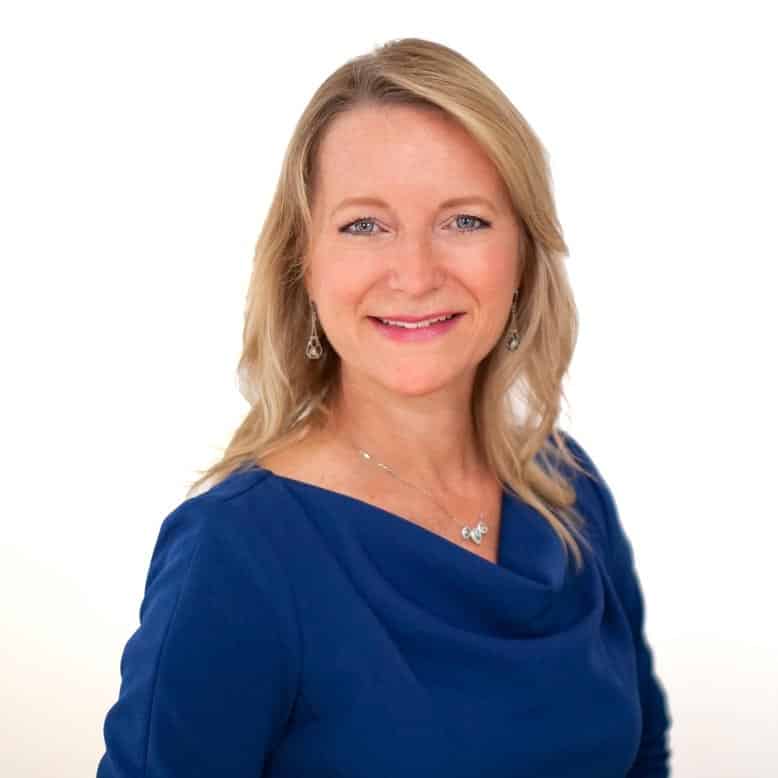
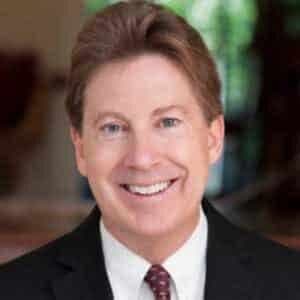
Full Transcript Introductions and Study Background 0:00 I am so honored today to introduce you to two of my incredible 0:04 colleagues, doctor Dale Bredesen and Doctor Kat Toups. 0:08 These two are the leaders of the randomized controlled trial 0:12 we recently completed, together with four of our colleagues, called a precision 0:16 medicine approach for Early Dementia and mild cognitive impairment. 0:21 Doctor Bredesen is one of my most cherished mentors. 0:24 He is a brilliant and kind person and one of the fathers of this work. 0:29 Doctor Bredesen received his undergraduate 0:31 degree from Caltech and his medical degree from Duke. 0:35 He was post-doctoral fellow in the laboratory 0:37 of Nobel Laureate Professor Stanley Prisoner, 0:40 then held faculty positions at UCSF, 0:43 UCLA, and UC San Diego. 0:46 He was founding president and CEO of the Buck Institute 0:49 for Research on Aging, and his laboratory studied mechanisms of neurodegeneration 0:55 and published over 200 scientific papers leading to the first report 1:00 of the reversal of cognitive decline in Alzheimer's disease. 1:04 He is the author of two New York Times bestselling books, 1:08 and is currently Senior Director of the first Precision Medicine Program 1:12 for Neurodegenerative Diseases at the Pacific Neuroscience Institute. 1:16 Next, we have my dear friend, Doctor Kat Tubes, 1:20 who is a distinguished functional medicine psychiatrist, 1:23 clinical researcher, and thought leader in the field of cognitive health. 1:27 She has collaborated with Doctor Bredesen as the lead principal investigator on now 1:31 two successful multimodal precision 1:34 medicine clinical trials to reverse cognitive decline 1:37 in patients with mild cognitive impairment and early Alzheimer's disease. 1:41 The first trial had measurable improvements in 84% of participants. 1:47 And we can't wait to share 1:48 the even more impressive results in the recent randomized trial. 1:52 With decades of clinical and research experience. 1:55 Doctor Toups is a sought after speaker, educator, and mentor 1:59 in the Alzheimer's and dementia prevention community. 2:02 Doctor Bredesen, Doctor Toups a huge welcome to both of you. 2:06 And thank you so much 2:07 for joining me to talk about the exciting results of this study. 2:11 Thanks so much, Christine. Great to be here. 2:13 Thanks for having us. 2:14 We're so excited to share the results. 2:16 It's really, really wonderful. 2:18 So let's just start with that. 2:19 Let's start by talking about what I'm sure everyone is excited to hear 2:23 what the study was about. Exactly. 2:25 And what did we find? 2:27 Doctor Peterson. 2:28 Thank you. Christine. 2:28 So this was the next logical step. 2:31 So we had the first reversals of cognitive decline about 15 years ago. 2:36 Then we had over hundreds of documented, 2:39 which we've all seen, improvements in cognition. 2:43 And then we had the proof of concept trial, which I was 2:47 the principal investigator on, which was published in 2022. 2:51 So this was the next logical step, which is a randomized controlled trial 2:55 looking at a control group, 2:56 which was standard of care versus a precision medicine protocol. 3:00 And then following them for nine months, it did not look at long 3:04 term or sustained improvement, did not look at late stage dementia. 3:08 It was actually meant to be like other published trials, MCI and early dementia. 3:14 It did not look at things like plasmapheresis 3:17 and even stem cells and things. 3:19 It looked at precision medicine protocol, identify the problem, address it, 3:24 and then do the follow up. 3:26 Can you 3:26 tell us about the results or do you want to summarize the results. 3:29 And then I can say a bit more about the study design. 3:33 Yeah. Thanks, Kat. That's a great point. 3:35 The study results were phenomenal in that, 3:38 it showed the greatest difference, the greatest effect, size 3:42 difference between the control and the treatment group 3:45 that has ever been published. 3:47 So we're very excited about that. 3:49 The probability so p values 3:52 for most cognitive parameters were 0.001. 3:56 So 1 in 1000 chance that these were no different. 4:00 And so improvements in processing speed, improvements in memory, 4:04 improvements in executive function, improvements in overall performance, 4:09 improvements in cognitive symptom tracker from Doctor Burke, improvements in a 220. 4:14 So all of these cognitive parameters changed strikingly. 4:19 Yeah, it really is remarkable 4:21 not just the the magnitude of the results, but the statistical 4:26 significance of those results was really remarkable, too. 4:29 Cat, do you want to talk a little bit 4:31 about exactly what we did, what our multimodal approach was 4:34 and what that means for how we manage the subjects in the study? 4:38 Dermott, I'd like to echo a little bit, even on the results, 4:41 because that's the whole reason we did this, to show that this method works. 4:45 So in our first precision medicine multimodal trial, 84% of our patients
Trial Design and Multimodal Treatment Approach 4:50 got better. 4:51 In this trial, we've done even better. 4:53 And this was a 4:54 randomized controlled trial, which means we did have a control group. 4:58 We had a 2 to 1 randomization. 5:00 So twice as many people received active treatment 5:03 as people that just we call it standard of care. 5:06 So they could do whatever 5:08 the standard of care was for dementia that their doctor recommended. 5:12 But we tried to have them not make too many dramatic changes, 5:15 especially in their diet, 5:17 lifestyle supplements, the kind of things that we do work with in our study. 5:21 So we were just thrilled, for starters, with the magnitude of the results 5:25 that we got. 5:26 And, when people can look at our preprint publication to see some of them, 5:30 I'd have to look at my notes. 5:31 But our active treatment group 5:33 to translate these p values into maybe numbers, they they improved 5:38 14 points on their cognitive scores while our standard of care group declined. 5:43 And when you look at the preprint you could just look at the graphs. 5:46 And there we have graph after graph after graph of the different markers 5:51 and tests that we were doing with the patients. 5:53 And you can see everything in the active treatment group is improving. 5:57 And everything in in the standard of care either 6:00 stays the same or actually declines in a lot of the markers. 6:04 So so we're we're just again thrilled with these results. 6:07 So we call this a multimodal trial. 6:10 And now what we've learned, and Doctor Bateson has written and taught 6:13 so eloquently about for years is that there are multiple 6:17 contributing factors for dementia. 6:19 It's not just one thing, and it certainly isn't just your genes, 6:22 because we have people that don't have Alzheimer 6:25 genes, just as many that get cognitive decline. 6:28 So what we do is we cast a wide net with our testing, 6:32 and we test every thing, any of the major things that we know 6:36 contributes to neurodegeneration and cognitive decline. 6:40 And that's kind of the 6:41 that's discussed some in our paper, the various things we're testing. 6:45 But but the general premise is let's test all of these things. 6:49 Figure out what are the treatment targets for that specific patient. 6:52 So it's not not the same protocol for everybody by any means. 6:56 We do the same testing for everyone. 6:58 But the treatment is precision medicine. 7:00 So it's individualized. 7:01 And we determine those treatment targets. 7:03 And then we decide a treatment plan to work with all of those things. 7:08 And that's what we think is really important. 7:10 Of course we started with diet and lifestyle and sleep and stress. 7:14 You need that for general health, for healthy aging. 7:17 And we worked with people on that. 7:19 But beyond that, we looked at things that I believe people often miss 7:22 the infections that affect the brain, viruses, Lyme disease, toxoplasmosis. 7:28 We looked at toxins, chemical toxins, mold or mycotoxins. 7:33 We looked at, hormones, the lack of trophic hormones for people 7:37 because the brain is full of receptors for all those hormones. 7:40 So we believe that that and the studies show 7:44 that replacing these hormones can have benefits for cognition. 7:47 So, we of course work with nutrients, B12, vitamin D, minerals. 7:53 And we worked with lipids and blood sugar. 7:55 Those things have been well known for a long time to contribute to dementia. 7:59 So we just we looked at all of these various things 8:01 and we worked as fast as we could, to try to get things in balance 8:05 because we only had nine months to move the needle. 8:07 But when you look at the results, 8:09 you can see how dramatically we moved the needle in nine months. 8:13 Yeah, yeah, you really can. 8:15 You know, I think whenever a new study comes out, there's a tendency 8:20 to ask it to or expect it to answer every possible question. 8:25 And I know that we've encountered that a bit as we've started 8:28 talking about the study results. 8:29 So, you know, as clinicians and researchers 8:31 were asked to explain what a study was truly designed to show. 8:35 So, Dale, from your perspective, what was the core question 8:39 this trial was meant to answer? 8:42 And and what questions were did we sort of intentionally leave for future work? 8:48 Yeah. 8:49 So as I mentioned earlier, we're looking at the next logical step. 8:53 The question is in a in the most well-accepted approach, 8:57 which is a randomized controlled trial with that generally accepted approach, 9:03 could we reproduce the findings that we had seen earlier? 9:06 As I mentioned anecdotally, proof of concept. 9:09 And the answer was, as Kat said, not only reproduce them, 9:12 but actually did a little better than before. 9:15 And so you can see the striking difference. 9:17 And in fact, it does raise the issue. 9:19 Is it ethical anymore to continue to do these control groups 9:23 when you're looking at treatment for cognitive decline? 9:27 Because we all know now and this study shows that we can do much better. 9:32 So it may be that future control groups are going to have to be 9:36 some sort of precision medicine. 9:38 And then you're going to add things on there, be it a drug or a procedure or what 9:42 have you. 9:42 So this was meant to answer the question in a in a what is accepted by everyone 9:47 a randomized control does this show effect is I mentioned that 9:51 it was not meant to look at things like what about sustained improvement? 9:55 What about for people who have a very late stage dementia? 9:59 So we went from 18 and above on the Moca scores, 10:03 which is MCI and early dementia, and we did that 10:06 purposefully because that's what other trials have done. 10:09 So that allowed us better to compare to other trials that have been published. 10:14 And as I mentioned, we have the greatest effect size of any published trial. 10:20 So we're very enthusiastic about that. 10:22 Again, it was not meant it was not meant to look at things 10:25 like stem cells or plasmapheresis or new columns or all these other things. 10:30 It was a precision medicine approach. 10:31 Now, the good news, you can always add things on top of that. 10:34 And but this gives us a place to start. 10:36 Yeah. 10:37 And I think the other thing too, that it wasn't meant to show is it wasn't 10:41 it wasn't designed to be able to show 10:43 which of these things is the most important impact. 10:46 I know that we plan to evaluate the data more to see if any patterns emerge, 10:51 because I know we all have our own thoughts about that, 10:53 but it really was designed to show that this group of interventions, 10:58 when we do like what you talked about, Kat, where we figure out all the things 11:02 that are out of balance and then we address them. 11:04 Does that approach have a significant effect? 11:07 And the answer was a resounding yes. Yeah. 11:10 And because there are differences across 11:12 patient outcomes and differences in what was done, for example, 11:16 some of the patients at one side got hyperbaric oxygen, others did not. 11:21 So you can now take all these disparities and look to see what were the things 11:25 that actually were associated with best outcomes. 11:28 So I think that we're going to be learning a lot from this. 11:31 And there's going to be data mining from epigenetics and from imaging 11:35 and from all these different modalities for a long time to come. 11:39 This is really teaching us a lot. 11:41 Yeah, it really is. 11:43 Kat, when, you know, when we look at the results overall, let's 11:47 maybe dig into what types of changes we saw in the people 11:51 who received the personalized intervention compared with those who didn't. 11:54 Because I know you have some fabulous stories, and it's always nice 11:57 to hear, like the real people stories. 12:00 What happened? 12:01 Yeah, yeah, definitely some great stories. 12:04 And it will maybe be fun later to go to rights in case reports of 12:08 of we all had of course some stunning success stories. 12:11 Let me start by saying in my cohort at my site, 12:14 every single patient in my active treatment got better and all, 12:18 but one of them were testing completely normal by the end of the study. 12:22 And I had people with markers that, you know, 18, 19, 21 12:26 so these were people that were starting out pretty impaired. 12:30 And the natural progression when you're at that level 12:33 is that you're going to continue to decline. 12:35 And instead we were able to reverse things for the patients. 12:39 I think the the stories of what happened in people's 12:42 lives that that really tells is why we do what we do. 12:46 I had one patient who was still working part time. 12:50 She was on the younger end and she was still working part time. 12:54 By the end of the study, she took on two volunteer jobs. 12:58 She said, wow, my brain is working so much better that I can do more. 13:04 And she took a job at hospice in the SPCA, where she had to undergo training,
Patient Outcomes and Personal Success Stories 13:08 and she was able to learn these new things and she felt like despite the fact 13:12 that we had people spending, you know, 1 or 2 hours a day 13:16 doing some of the supported protocols, parts of our protocols. 13:20 She found more time in her day instead of less time. 13:23 Right. 13:23 Because that's one of the things, oh, you have to exercise 13:26 and you have to do brain training for you, mindfulness work. 13:28 But it does end up opening. 13:30 So much more ease as people's brains are working better. 13:33 So that was a great story. 13:35 And I had one of the things we haven't gotten into, 13:37 but we had so many unexpected medical and health benefits from what we did. 13:43 Which of course not surprise to us, but it might be surprise to some people 13:47 instead of side effects of medication, we had, you know, lowered blood pressure, 13:51 lowered weight, you know, lower 13:52 inflammatory markers, even improvements in people's immune functioning. 13:56 So I had one, one gentleman, he, was in his, 14:01 he was over 75, so, you know, not, spring chicken. 14:04 And when he came in, he said, I need three joint replacements. 14:08 I cannot walk up the stairs. 14:10 I have to hold on and pull myself up. 14:12 It's so painful. 14:14 Well, partway through the study, his joints were fine. 14:17 He doesn't need any more joint replacements. Like what? 14:20 An unexpected benefit of everything that we were doing for him in the study. 14:25 And additionally, that gentleman had a fairly serious autoimmune disease, 14:30 myasthenia gravis, and that myasthenia gravis result the symptoms resolved. 14:36 I was looking at his antibodies partway through the study, and they antibodies 14:41 that you see with that immune disorder were coming down, down, down. 14:44 But he had no more symptoms. 14:46 So besides his this guy tested with a perfect score 14:50 partway through the study 14:51 on his cognitive issues and said I can do anything I want in my life now. 14:56 You know, I'm rebuilding a car with my grandson 14:59 that's very highly technical, this type of car. 15:02 And, and I can do that, and I can crawl under the car and I can, 15:06 you know, both physically and mentally do things. 15:08 So these were some of the kinds of stories we saw clinically of the improvement, 15:12 I'm sure. Christine, you have some as well. 15:15 Yeah. 15:15 I mean, it was just you know, it's so it's it's emotional 15:19 when you have people tell you that they feel like themselves again. 15:24 Like you, your work has that. 15:27 Well your work, Dale, that we're all implementing has helped someone to 15:31 to reconnect with themselves, to be who they who they always have 15:35 felt like they are. 15:36 And I, I always think those stories are so powerful. 15:38 And one of the one of the ones that pops in my mind when you say that is 15:43 one of my subjects who, was an instructor, a fitness instructor, 15:47 and was having difficulty just remembering the sequence of the classes 15:51 that she was teaching, she couldn't even do that. 15:53 She had to have notes. 15:54 And by, you know, about halfway through the study, 15:57 she decided to pick up a class and travel Italian because she could learn again 16:01 and she could think, and she could remember. 16:03 And it's just, you know, you can't you can't test that. 16:06 You know, we don't have a cognitive test that tests for the ability 16:10 to feel like yourself and to do things like you used to do before. 16:13 So it is 16:14 the stories really are amazing, and I do hope we have the opportunity will. 16:18 And I think some of that will come out in the planned documentary as well. 16:23 Yeah. 16:24 So, as 16:24 the documentary, I don't know if you've talked about that in these interviews, but 16:28 we do have some very wonderful filmmakers that have been filming 16:33 since the end of the first study, 16:35 and then filming a lot of people as they've gone through this study. 16:38 So we're hoping that's going to maybe get out by the end of this year. 16:42 I think it's a lot of footage for them to edit and put together. 16:44 But we're we're excited that that will show some of the real 16:49 features, assets and faces in this study. 16:52 Yeah, and not just all the positive outcomes, which we're super excited about, 16:56 but some of the struggle along the way, too, 16:58 because this is it's a lot of work for people to to do this. 17:02 But then you get to see the triumphs of how worthwhile it is in the end. 17:06 Let's talk a little bit 17:07 about how we evaluated people's cognitive function, because we talked, 17:12 you know, about the real life, the lived experiences. 17:15 But how did we set about to do the measurement 17:18 so that we could actually show that this intervention made a difference? 17:24 Yeah, it's a great point because, you know, 17:26 there's just been this whole article about what is Alzheimer's disease. 17:30 When do you define it? 17:31 Because there's this push to do treatment. 17:34 Earlier with antibodies that sort of approach it. 17:37 But they've got side effects. 17:38 So how you know, how do you decide when to go. 17:41 So we were very clear about we wanted to have specific criteria. 17:45 People had to have complaints of cognitive decline. 17:48 They had to have it so that their partners noticed, in other words, 17:52 their AQ 21 score, which is the partner's measurement of 17:55 how are they doing, had to be in the MCI or early dementia range. 18:02 Then they had to have abnormalities either on Moca or on CNS vital signs, where 18:07 CNS vital signs is a more sensitive 18:10 online measurement of cognitive decline. 18:13 So they really had to have multiple parameters 18:16 that all said, yes, this is a person who has cognitive decline. 18:20 Now, we didn't require that they specifically had cognitive 18:24 decline due to Alzheimer's. 18:26 We know that about 60% of people who will have complaints of progressive 18:31 cognitive decline at that age, we were in the 45 to 77 18:35 range are going to have Alzheimer's disease. 18:39 So most of these did. 18:40 But as we saw when we used the biomarkers, some of them did not. 18:45 And in fact Cat had a remarkable patient who turned out to have progressive 18:49 super nuclear palsy. 18:51 So again, we're going to learn something 18:52 more by the fact that she actually had improvements in that person. 18:56 So my guess is that most likely we're going to end up 18:59 about two thirds of these people actually had Alzheimer's disease. 19:03 We have the biomarkers. 19:05 So we can say about half of them had abnormal. 19:07 Pete out, but virtually all of them had abnormal a-beta 42 to 40 ratios. 19:13 And so that's why not everybody knows what A-beta is. 19:16 So that's the amyloid levels that I think we heard about. 19:19 So all 19:20 but one of the patients at all six sites, everyone had elevated amyloid levels. 19:24 And we know that that that starts years and even maybe decades 19:29 before some of the other brain biomarkers start to elevate. 19:32 So obviously we had chosen clinically 19:35 very well because everybody had elevated amyloid. 19:39 But that was not a criteria to come into the study. 19:42 As Dale mentioned, it was all of the other cognitive complaints and measurements. 19:46 Exactly. 19:48 And I think it's a, 19:49 you know, a really great thing that we we did this from so many angles 19:53 is, as you mentioned, the the study partner, 19:56 usually a spouse and sometimes an adult child. 19:59 We ideally right that study partner to live with the subjects 20:03 so that they could give us reports and also help them with the protocol 20:06 if needed. 20:07 And, I had one patient that did not qualify for this study 20:11 that was so clearly impaired, but she was hiding it from her husband. 20:16 She didn't want to say that she had this problem. 20:19 So when he did the rating scale, he said she had no problem. 20:21 And sadly, we could not take her into the study 20:25 because he was unaware and couldn't adequately rate how she was doing. 20:30 And I think that's a such an interesting point that so many people, 20:34 when they start to have cognitive decline, they feel shame. 20:37 They they're afraid to talk about it and that it's going to diminish 20:40 how people think about them and they don't want to burden their children. 20:43 And sometimes, in this case, their spouse. 20:45 And I think we need to change that conversation. 20:48 We need to put it into the light of day, because as we're learning from 20:52 our studies are so much you can do about it. 20:54 This is not a hopeless, fatal disease at this point. 20:58 For a majority of people. 20:59 So I hope then that more people can take hope and acknowledge 21:04 when they're having symptoms and not feel ashamed of that. 21:09 Yeah. 21:09 And I think you make such an important point that just that, 21:12 you know, people avoiding recognizing their own symptoms or, 21:18 or, you know, acknowledging that they have something that's changing is now going 21:23 to keep them from having access to this potentially life changing intervention. 21:28 Yeah. 21:29 And I would add, Christine and Kat that, you know, as you 21:32 develop Alzheimer related dementia, you go through four phases. 21:36 And in fact, unfortunately, 45 million of the currently living 21:40 Americans will die of Alzheimer's disease if we don't do better. 21:44 So the first phase, you're pre-symptomatic, 21:46 you don't have problems, but you can already pick up 21:48 abnormal markers like the 40 to 40 ratio that Kat mentioned. 21:52 Second one is CI subjective cognitive impairment, 21:54 which may last ten years, where you know something's wrong 21:57 but you're still able to score normally on testing. 22:00 The third phase is MCI mild cognitive impairment, 22:03 where now you're not scoring normally, and then the fourth phase 22:06 is dementia, where you're actually having trouble with activities of daily living. 22:09 Now, all of these trials are in the last two phases. 22:13 All of the people we should be getting to are in the first two phases. 22:16 If we could just make that change from the last two phases 22:20 to the first two phases, there will be very little dementia. 22:24 Well, that comes back to what you say so often, right? 22:26 Let's make dementia optional because if we go after those 22:30 first two groups, we have the potential to do that. 22:33 Exactly. 22:34 We have the ability to do it now if people will simply come in earlier. 22:38 That's interesting. 22:38 One of my study patients, who did beautifully in the study, lovely, 22:42 lovely woman. 22:43 And and I said I was still recruiting at that time. 22:46 I said, do you have any friends that might be interested in this kind of study? 22:50 And she said, I have a lot of friends that have cognitive problems, 22:54 but they all think it's normal, and they think that I am crazy 22:58 to worry about this and do all that I'm doing in the study. 23:01 But, I mean, this woman got her memory completely back, reverse aged in 23:05 so many ways, and I think we also have to change that conversation 23:09 that it's normal to have cognitive decline with aging because there are, you know, 23:14 still brilliant people in their 90s that can, you know, think abstract way. 23:18 And at high levels. 23:20 And that's what we need to aspire to and not just think it's just normal. 23:24 And everybody has this cognitive decline. 23:27 Yeah. 23:27 But I, I can't tell you how many times people have said to me, 23:31 I went to my doctor complaining of cognitive problems, 23:34 and my doctor said, it's just normal aging. 23:37 And we've seen people even into the dementia phase 23:40 where the doctor will say, it's just normal aging. 23:43 We've got to get rid of that idea. 23:46 We can all do better. 23:47 And even people who are relatively normal can do much better 23:50 when they get on the right approach. 23:54 Yeah. 23:54 It's such it's such an important thing to change this conversation. 23:57 And hopefully what we're doing here together
How Cognitive Decline Was Measured 23:59 will be a piece of that as well as obviously the study. 24:04 Well, I think it's important because our results show that there's 24:07 something that can be done. 24:08 And so before, you know, recent years with the work that we're doing, 24:13 it might be kind of reasonable to say, oh, well, everybody has this. 24:16 Oh well, it's no big deal when you didn't have anything that you can do about it. 24:21 Right. 24:22 But I think that's no longer valid. 24:25 We have to shift that thinking because now we know so many things can be done. 24:30 It changes everything. 24:32 Yeah. 24:33 So one of the things that is common in the discussion of studies 24:38 that are done with patients with cognitive decline, with Alzheimer's disease is, 24:42 you know, kind of this expected course of decline and as opposed to improvement. 24:47 So let's just I know we've talked about it, but let's just 24:50 very specifically call out the difference between what 24:54 we expect people to experience without treatment, for example, 24:59 and what we were able to show in this study. 25:03 Dale, do you want to take that one? 25:04 That is such an important point because we hear 25:07 all the time about things like, oh, well, this seemed like it was prevented. 25:10 The problem. 25:11 That's not what we're doing. We are reversing the cognitive decline. 25:14 So you're right, there's 25:15 there's a big difference, a fundamental difference between you're 25:19 watching the natural decline. 25:21 And now you're slowing a little bit versus 25:24 you're taking that decline and you're actually making people better. 25:27 You are reversing the decline and people are actually improving. 25:31 And that's what hadn't been available in the past. 25:34 And we're of course, now all seeing it for the last decade or so, 25:38 which is wonderful to see. 25:39 So yes, in this study, unlike in most others, we didn't just slow decline, 25:45 we actually reversed the decline and made people better. 25:48 And often, as Kat was saying, often all the way back to very, very good scores 25:53 in, as she said, everyone except one of her, 25:56 her patients or subjects ended up in the normal range. 25:59 So it's important for people to understand that that is available. 26:03 And that particular patient of mine that had not improved fully. 26:06 She improved 50% on her neuropsychiatric testing 26:10 on CNS vital signs, and her PTO was going down. 26:13 So she was on the road. 26:14 But there was an interesting issue that she was spending. 26:19 She had to spend a lot of time remediating mold in her home during that time. 26:24 And so my hope is that, 26:25 you know, now that that's been done, that she will continue to get better. 26:29 And I wonder, even if you want to mention anything about the mold testing 26:33 that we did in the study, Christine, 26:34 because I think it was pretty novel for studies. 26:37 Yeah, I think that's a good thing for us to talk about. 26:41 You know, we did the Army testing environmental, 26:44 you know, relative maltiness index of the dust test in your home, 26:47 which evaluates for basically like the amount of mold 26:51 that's present that isn't typical in a normal house. 26:55 So molds that usually are grow in the presence of water, like water 27:00 damage, drywall and, and under flooring and behind walls, things like that. 27:05 And so we did that test as a baseline. 27:08 Well, in part cap, 27:09 because of what you guys realized in, in the pilot study, that people 27:13 that had a heavy burden of mold but didn't address it didn't get better. 27:18 And so we wanted a way of being able to quantify that 27:21 and then also require people to take action on that 27:24 to be a part of the study, which I think was also quite novel. 27:29 Right. 27:30 And so what what we did was we had all of our health coaches and study 27:33 coordinators trained by one of the environmental testing experts, 27:38 and then we asked our patients not to dust their home 27:41 for two weeks so we could collect fresh dust. 27:44 And then they had to consent, of course, for this testing ahead of time. 27:48 And then our study coordinators and health coaches went 27:51 and went through their home and tested all the dust. 27:54 And so that was a fascinating thing. 27:56 And we have yet to collate how many people in the study were above the threshold. 28:01 But I know more than half of my patients came above 28:05 the threshold for what we determined was a problem. 28:09 And and what we asked them to do was agree in the informed consent discussions 28:13 and in our consent. 28:14 We asked them to agree if they were above a certain level 28:17 of muddiness in their home, that they would hire 28:21 a mold inspector to come and evaluate their home for possible sources, 28:25 and if they needed remediation or cleanup of the mold, 28:29 they had to agree to do that or move out of their home 28:33 for the duration of the study if they weren't able to remediate. 28:37 And that was a big ask for people. 28:39 We knew that we agonized about this, but 28:42 we felt so strongly all of us did that. 28:45 When people have mold in their home, that's causing toxicity for them, 28:50 you're inhaling it and it's going right through to your brain. 28:52 And it's not certain strains are known to cause neurodegeneration. 28:55 So this was a novel thing that we did. 28:59 And I think, you know, will, there's more to come as we analyze the data on that. 29:04 We'll probably have to write a separate paper on the mold issues. 29:07 Yeah, we probably will. 29:08 But let me say let me segue way back to the patient 29:11 that ended up having progressive super nuclear policy in my site. 29:15 He did have a big problem with mold. 29:18 And they started the remediation and it was bigger than expected. 29:22 And so he and his wife did move out while the remediation was completed. 29:27 And he I mean, he was testing cognitively normal by the end of the study. 29:33 He came in with a lot of motor symptoms, and we knew that something was wrong 29:36 in his cerebellum with the degeneration that he had there. 29:39 But he was diagnosed after the study with progressive super nuclear 29:44 palsy, which is supposed to be a progressive neurodegenerative disease. 29:48 But I told him, we need to change the name for you. 29:51 You have super nuclear palsy, but it's not progressing. 29:54 It's going the other way. 29:56 He was, 29:56 you know, improving in all kinds of ways, including his gait and his vision. 30:00 And so you know, it's just such a fascinating story. 30:05 And he happened to be one of the high moral people as well. 30:09 Yeah. Yeah. 30:09 The disease formerly known as PSP, that's a good one. 30:12 So when, you know, we, we kind of started with the single intervention concept. 30:18 And then we've talked a lot about multimodal intervention and how 30:22 and how and why we think that that makes a difference. 30:25 So there's always going to be some criticism about the fact that this wasn't 30:29 a single intervention study. 30:32 And, Dale, from your years of studying this disease 30:35 and from a biological and clinical perspective, 30:38 why do you think it was so important to evaluate this 30:41 as a comprehensive, multimodal approach, rather than continuing to do 30:46 one single testing, one single factor at a time?
Reversing Decline vs. Slowing It 30:49 Because we could have done that, we could have done, 30:52 you know, let's do mold the first and then let's do this next. 30:55 And so maybe explain to our listeners why we thought it was important 30:59 to do it differently. 31:01 Yeah. 31:02 So you know, we we've spent 30 years in the lab 31:04 looking at the molecular pathways that drive this process. 31:08 And the surprise was you start even with the simplest, 31:12 the amyloid precursor protein one protein 31:15 sitting in your neurons, sitting, crossing the membrane in your neurons. 31:20 And this thing actually turns out to respond 31:23 to a whole bunch of different income, you know, inputs. 31:26 So it's it things are coming in that are hormonal, that are impact trophic factors. 31:30 For example, Metron one, a trophic factor, actually binds directly to the ATP. 31:36 It interacts with a p75, which is one of the trophic. 31:39 This is an NGF receptor. 31:41 One of them it is 31:44 no. It's good to say that to Cat. 31:45 Yeah nerve nerve growth factor. And guess what. 31:48 Recently it's been shown that it has to do with detoxification as well. 31:53 It has to do with hormones. 31:55 Estradiol actually turns on a set of genes. 31:59 And one of the set of genes is the one that cuts the ATP 32:03 to make it so that you make and keep synapses. 32:06 So everywhere we looked, it came in as trophic factors 32:10 hormones, detoxification, energetics, metals. 32:14 By the way, this thing binds metals. 32:16 So when you look at this you realize it's not a simple situation. 32:21 It really is a network illness. 32:24 It really is a whole systems biology illness. 32:28 And then ultimately, as you know, we realized that there is this 32:31 beautiful switch which is whole body wide between connection and protection, 32:37 just like you go parasympathetic, sympathetic, 32:39 all these same sorts of things are part of this, you know, 32:43 anti-inflammatory, pro-inflammatory, all these things. 32:46 You are literally switching when you get exposed to 32:49 these insults, you are going into this protection mode. 32:53 And part of that is you are downsizing this amazing 500 trillion synapses. 32:59 So you just you see it again and again and again and again. 33:02 And it made us realize, okay, if we're going to change the function 33:06 of that network, we're going to have to intervene at multiple sites. 33:11 And it's beautiful 33:12 how well it has worked to intervene at all those different sites. 33:18 And I can speak to the single variables. 33:21 I was just going to ask you, 33:22 because of all your experience with multiple trials, right? 33:25 So, you know, I read was Research center for 13 and 14 years. 33:29 I did over 100 trials 33:31 and at least 20 of those were were long term trials in Alzheimer's. 33:35 And I want to say that even when I was doing that some years ago, 33:38 I know one of the trials I did was with a drug 33:41 that could wipe out the amyloid plaques, but nobody got better. 33:45 They did get well and and, you know, we're still these, you know, 33:49 15 years later still having anti amyloid drugs in the picture. 33:53 And, you know, maybe some people 33:55 get better for a couple months, but it doesn't get them. 33:57 Well and then they continue to decline. 33:59 So in all of my Alzheimer studies they all failed. 34:03 So medications a single medication a single pill, I just realized 34:07 this is not the answer. 34:08 This is not how we get people. 34:10 Well, and as I, you know, came to the functional medicine table, 34:14 the precision medicine table and learned all of these other contributing 34:18 factors, as Dale said, a systems biology network approach. 34:23 It works. 34:24 And, you know, we can keep holding our breath and pouring 34:27 billions and billions of dollars 34:28 into drug development, but we're not seeing anything remotely 34:33 close to the results we're getting from the multimodal approach. 34:37 And I would add, I think that the place where 34:39 the drugs is going to be on top of the precision medicine approach. 34:43 So now we can address all the various infections, toxins, 34:46 metabolic changes, etc., and then begin to bring in targeted drugs 34:50 that could be very helpful when used in the right way. 34:54 And I would add you mentioned the anti amyloid work approach has failed. 34:58 So now there are the first results with anti-TNF approach. 35:02 They are also failing. 35:04 So even though people said well it's about the tau it's not about the amyloid. 35:07 Well it's that's not also not showing what had been hoped. 35:11 So again I think that there's a such an opportunity here to combine 35:16 specific drugs with the precision medicine approach to get the best outcomes. 35:20 Yeah, it really makes sense. 35:22 Right. 35:22 And in sequence, like first addressing the underlying 35:26 contributory causes of why your brain is declining. 35:29 Because otherwise just giving a medication it's going to still keep declining. 35:34 Oh yeah. Yeah. 35:35 And then analogy that I often use for patients is basically 35:38 if, if we use the medications as the first intervention 35:41 where we're basically ripping the scab off without healing the wound. 35:46 And so the multimodal approach helps to bring in that healing process 35:50 so that then we could come in and kind of clean up the mess that that created. 35:54 You know, the fundamental change that's happening here is to go 35:58 from treating the pathology to treating the physiology. 36:02 So what happened before is, oh, pathology. 36:05 There's amyloid. There's tau. Let's get rid of it. 36:07 That has not worked. 36:08 But looking at physiologically, why is it there. 36:11 Well these are anti-microbial peptide and anti-microbial protein respectively. 36:17 They are coming in because of these insults. 36:20 So let's recognize that address those insults. 36:23 And then at the appropriate time remove these in a gingerly fashion, 36:28 not ripping them off blood vessels and things like that. 36:31 Yeah. 36:32 And that was actually going to be our next question was, you know, 36:35 every study is a stepping stone rather than a final answer.
Mold Testing and Environmental Factors 36:38 And so in this study, I think we've just talked about 36:42 how this trial kind of clearly contributes to this field 36:46 and what some of the possible future questions are like, 36:50 will it will it be good for us to do this first 36:53 and then combine it later with some of the medical, 36:56 the medication interventions that have been developed? 36:59 Those are all questions that are going to need to be answered. 37:02 Dale, what do you think is the next step? 37:05 I know we're fresh off just spending three years to get this study done, so 37:09 asking you what the next trial should be is probably a little raw, 37:13 but let's just pretend that we were planning that. 37:16 What would you say would be the next step? 37:19 I think there are so many, Christine. 37:21 I think there are so many exciting avenues 37:23 opened up by this study and the proof of concept that preceded it. 37:27 Number one 37:28 is just the data mining, the epigenetics, all the things that we put together. 37:32 That's going to take some time. 37:33 Number two is adapting this to Lewy body to Parkinson's to follow temple dementia. 37:39 As we already talked about, there's already a PSP person. 37:41 We have single examples now of people improving PSP, Lewy body disease, 37:46 macular degeneration, ALS, cortical basal degeneration, posterior cortical atrophy. 37:52 It's amazing. 37:53 So now we can use these same principles to start to 37:57 it's not going to be an identical protocol because it's personalized, 38:00 but they're going to the same principles to use this for those. 38:04 And then of course we want to know how long can this be sustained. 38:08 We've already reported anecdotally 38:10 people who have sustained improvements for over a decade. 38:14 Can we keep people improved until, you know, for the rest of their lives, 38:18 can we make their brain spans equal to their lifespans? 38:21 That's the key. 38:22 And Kat, in fact, maybe you could talk about 38:25 you've had people who then went off the protocol 38:27 after the trials in the past who did not do so well. 38:31 So it really does mean 38:32 keeping up with doing the right things to get the right outcomes. 38:36 So I think that the there's so much that can be done really to 38:41 to take that next step to making dementia a much less common problem. 38:46 Yeah. 38:47 Kat, I would love for you to share your experience from the pilot study 38:51 and the follow on from that, because I think that's an important 38:54 thing for people to hear. 38:58 Yeah. 38:58 You know, it's interesting, I was just about to send a questionnaire 39:01 and an email to all of my patients from the first study, 39:04 because we just got funding from Paul Health 39:08 to have a continued support group for our patients from this current study. 39:13 And they told me I could invite the patients from the first study as well. 39:18 So I need to make contact with them, and I want to give them a questionnaire 39:21 and find out how they're doing. 39:23 Some of them I know, some of them I don't know, but I've definitely seen 39:27 with patients both in the study and my own patients in my private practice 39:31 before that, that the changes that we're teaching people to make, 39:36 it's it's you can't just say, okay, my brain's back 39:38 and I'll go back to the lifestyle that led to that degeneration 39:42 in the first place, because we have seen them crash again, 39:45 and you can only pull them back so many times. 39:48 I did inherit a patient from Doctor Craig. 39:52 Tanya? Who was what? Tanya. 39:53 That was one of our investigators in the study 39:55 a few years ago, who moved to my area in California. 39:59 And in the move, he had stopped all of his protocol that had helped him. 40:03 So we got him back on what he needed, and he got better. 40:07 And then Covid hit, and then he fell off the wagon again. 40:11 And then he got worse again. 40:12 And so we had to get him back on everything again that he needed to do. 40:16 So we do have to teach people how to change things for life. 40:21 It's just like the GOP drugs. 40:23 People lose weight with the drug, and then they can never stop the drug 40:26 because they don't. 40:27 They just think the pills going to keep their weight off 40:30 and they don't change what happened and what caused the weight gain 40:33 in the first place. 40:34 So we definitely have many, many patients long term have been able 40:38 to maintain their brain health and and their physical health 40:41 by sticking with all the facets of their individual programs. 40:45 And could we make it simpler? 40:47 I mean, that's the harder thing to determine. 40:49 We know this works. Which parts can we throw out? 40:52 Can we throw out the stress reduction and the mindfulness practices? 40:55 We used hard math in the study for that, which is, you know, a lovely way 40:58 to get people that don't want to meditate or not able to. 41:02 Meditation is not for everyone, but having some kind of mindfulness 41:06 practice we know that, that it increases your synapses in your brain. 41:11 It's it's, 41:12 you know, one of the things that enhances brain derived neurotrophic factor. 41:15 So can we throw that out? 41:17 I mean, we had people spend ten minutes 41:18 a day doing that. 41:19 We know we can't throw out the exercise 41:21 because that's essential for healthy aging. 41:24 So it's tough. 41:25 But there's things involved with the program.
Why a Multimodal Strategy Matters 41:28 We know we can't throw out the diet. 41:31 People can't go back to a horrible diet that's inflammatory 41:34 when raises in blood sugar. 41:36 So I think some of the questions are, you know, 41:39 what are the essentials. 41:40 But we feel like the essentials that we have. 41:43 And in this study we know they worked for people. 41:47 And I think that goes back to what you said earlier Dale. 41:50 Right. 41:50 Like if we can catch people in these first two phases, then 41:53 the intensity of the intervention is likely to be less. 41:57 Whereas when we wait until people are way over here in MCI 42:02 and into dementia, then it's a much heavier lift and the amount of change 42:07 in the amount of intervention that we have to ask of them is much greater. 42:11 It's just so much easier to do this earlier. 42:15 Right. And ounce prevention. 42:16 And Dale wrote a good book about that in this last year about things 42:20 that you can do to help prevent this in the first place. 42:24 I think that obviously, I think more studies 42:26 looking at prevention, but that takes huge numbers of people over 42:30 longer periods of time, which means a lot of money 42:33 that would be needed for those kind of studies. 42:35 But I think more of that is essential. 42:37 And I would just say also to the the genetic aspect of this, 42:43 we have people 42:43 that respond beautifully that have two copies of ApoE e4, 42:46 which predicts a very high risk of Alzheimer's disease. 42:51 So that's not a barrier. 42:52 But for people that have two copies in ApoE4, 42:56 you need to try harder and earlier because of those risk factors. 43:00 So I think, you know, learning 43:01 about the kind of things that we do to turn it around. 43:04 If people can use that for prevention, that, of course, to me 43:08 is where this an ounce of prevention, that's where we want people to be. 43:12 Yeah. But you should no longer worry. 43:14 People used to say oh my gosh I thought I was ApoE4 for I don't know what to do. 43:18 You know, am I going to take my own life. 43:20 No you don't have to worry about it anymore. 43:22 Find out early. 43:23 There's so much that can be done. 43:25 Of course, apoe4.info is a great place where people go, and there are over 43:29 8000 people on there. 43:31 Were able for positive and most of them doing very, very well. 43:35 I do think one of the, you know, one of the developments is going to be 43:38 to be able to say, here are the top 3 or 4 things, instead of doing 15 things, 43:44 we can now tell that these are the top 3 or 4 that are going to make you better. 43:48 And as you said, Christine, getting in early is so helpful. 43:53 I think the sweet spot is that Scott, because before that, people 43:56 don't worry enough. 43:57 They're just like, well, I'll, you know, I'll think about that when I get it. 44:00 When you have CI, you know, something's not quite right. 44:03 And now we've got good biomarkers. 44:05 And yet virtually 100% of people who have 44:08 CI can be reversed and really come back to normal. 44:12 So that's where we want to catch people and make sure 44:15 that we don't have people who go all the way to dementia. 44:18 And let me just translate for people who might not know it 44:21 as CI, is that subjective cognitive impairment. 44:25 So that's the phase before you go into mild 44:28 cognitive impairment where we can measure it. 44:30 But when you have that little nagging sense like, 44:33 you know, maybe I'm having too many senior moments or something's 44:36 going wrong, you need to pay attention to that little inner voice. 44:40 And that is the best. 44:42 If you've already, beyond the prevention stuff, 44:45 that you need to listen to that voice and find somebody that can help 44:50 you evaluate things and not just get a pat 44:53 on your back from your physician saying, come back in a year. 44:56 We'll see if you've gotten worse 44:57 because you lose that window of opportunity, 45:00 because things will get worse for a majority of people. 45:03 And I think that's what back to the study. 45:05 You know, seeing what happened in our delayed treat, 45:08 we call them delayed treatment group as well as standard of care group. 45:11 We allowed them to do whatever was standard care without making 45:15 changes of what they were doing in their diet, lifestyle and supplements. 45:18 But and we also call them the delayed treatment group 45:21 because at the end of the nine month trial, 45:23 we had funding to give them six months of active treatment 45:27 with coaching, supplements, medical, everything that the other patients did. 45:30 But what I observed was those patients were declining, 45:35 and when they got into the open active treatment, 45:39 it was harder because of that nine month delay to get them back 45:44 as quickly as I was able to do with some of the other patients in the study. 45:49 So I, I do feel like I never want to be in a study 45:52 that has a control arm with a delayed treatment group, because 45:56 I do feel like the longer you wait, the more your brain can be degenerating. 46:00 And we saw that was, you know, some of the brain markers with some 46:03 definitely with the cognitive testing for that group. 46:06 That's a good point. 46:07 But even with that we saw a number of people as you know, 46:10 who steadily went down for that nine months. 46:12 And then boom really bounced when they saw I felt like yeah 46:17 yeah. 46:18 And even even when people are significantly 46:21 you know when they're into mild, moderate, even more severe stages of dementia, 46:27 even though we may not be able to pull them all the way back to normal, 46:31 like all of the subjects, you know, Kat, that you were talking about. 46:34 But we can still accomplish quality of life improvements for those people
Future Research and Prevention 46:39 and that that can make a big difference. 46:42 So even though getting them in those first two stages is the most important, 46:46 even when things have progressed further, we can still help. 46:49 Like being able to recognize family members is a really big deal 46:54 and if we can do something that can help, brings enough memory back 46:58 that they can recognize family members. 46:59 That's a huge difference 47:01 in the quality of life for all of the people in that family. 47:05 Yeah, that's a really good point that, you know, when is it 47:07 too late to institute this kind of approach? 47:10 And the farther along when people are into moderate and marked dementia? 47:15 Sometimes, I mean, I've had some where at least we could stop the progression, 47:19 right? 47:19 They were getting worse, worse, worse, but they stopped getting worse. 47:22 And then, you know, over time some things can get better. 47:25 And of course, we've learned so many more things in the last few years 47:29 that we we have a bigger toolkit to be able to help people with. 47:33 And I guess speaking of that, I would say to that, 47:36 you know, the diet, lifestyle, stress, sleep is where everybody needs to start. 47:40 But I would urge people to that are having even if they're having subjective 47:44 a little worry, thinking something is wrong, 47:46 that it's really worthwhile to find a precision medicine 47:49 or a functional medicine trained physician that could test all the various things, 47:54 because some of these things, like hidden infections, 47:58 some which we did, dental microbiome testing and sometimes combing 48:01 Cat scans, looking for what's happening in the, in the microbiome at the mouth, 48:06 which there's certain strains in there that are linked to dementia. 48:10 And then also looking for hidden infections 48:12 like in root canals and cavitation and things like that. 48:15 So there's so many things that need to be tested that are not readily apparent 48:19 by the basic testing that most physicians would be doing. 48:25 Yeah, that's really true. 48:27 Well, I cannot thank you both enough for spending so much time with us 48:32 and really taking so much care with going through all of the details. 48:37 It's a complicated study, 48:38 and it was a lot for all of the subjects and for all of us. 48:42 And so I just really appreciate the time 48:44 that you both have spent with us to talk this through 48:46 so that people can understand that there is still hope. 48:50 And I know that's been really the message that both of you have wanted to get out, 48:55 that this study really does offer reasons 48:58 for hope, for people, and that is a paradigm shift. 49:02 And that to me is really proof that there is hope. 49:05 Thanks so much, Christine. 49:07 Yes, thank you so much for helping us to spread the word. 49:09 And we're it's just our pleasure and our joy to 49:13 have been a part of all of this. 49:14 And, and so thank you. Thank you for having us. 49:17 Absolutely. 49:18 I invite you to discover more stories 49:21 of Alzheimer's survivors and Alzheimer's Alzheimerssurvivors.org. 49:25 And I will include that in the show notes, along with the link 49:28 to the study results at dementiareversaltrial.com 49:32 If you, our dear viewers, have enjoyed this discussion 49:35 today on the summit and I am sure you have, please join us 49:39 for some of our other sessions where we continue to dive into my passion 49:43 solving the root causes of cognitive decline. 49:46 Thank you for joining us.

Comments