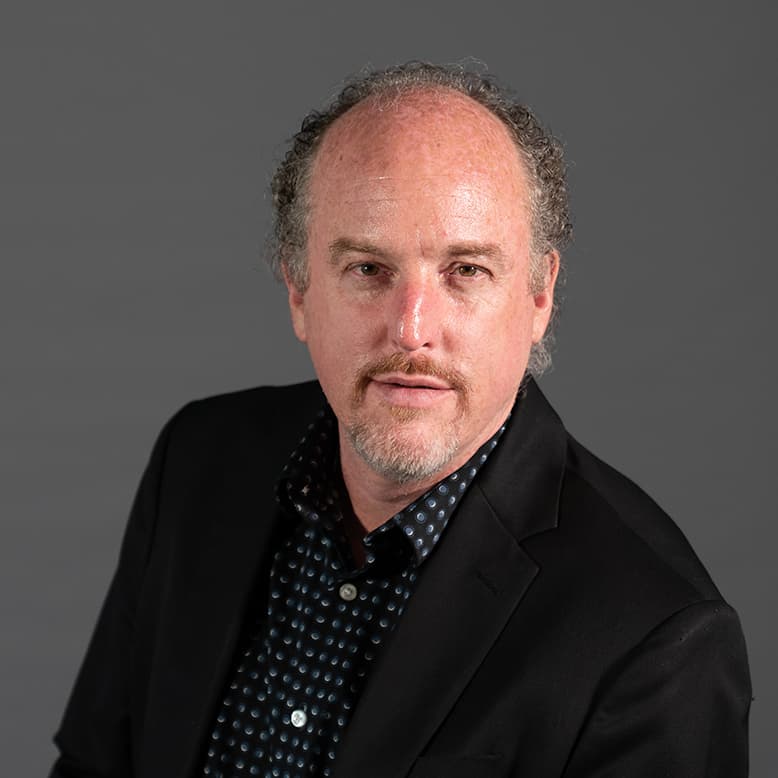
Full Transcript Introduction to Christopher Shade and Quicksilver Scientific 0:00 Welcome back to the Bioregulator and Peptide Summit. Folks. 0:02 We have a very special guest here with us today. 0:05 Christopher Shade PhD is a leading authority on mercury 0:09 biochemistry, glutathione science and advanced nutrient delivery. 0:13 His passion for healing and intuitive understanding of chemistry and biology 0:16 are reflected across two decades of innovation at Quicksilver Scientific, 0:20 from detoxification protocols and patented nanoparticle delivery systems 0:25 to the mercury speciation test and oral peptides, 0:29 which is what we're going to talk about today. 0:31 Doctor Shade has bridged the gap between clinical research and real world efficacy. 0:36 And aside from that, he's a totally cool guy. 0:39 Welcome, Doctor Shade. 0:40 Thank you for taking the time to be here today. 0:43 Oh, thanks. 0:43 Nat, I'm always glad when we can get together and talk. 0:47 Me too. It's. It's always a fun day. 0:50 Never easy to pin you down, but always worth the effort when I do. 0:56 That for a long time. 0:57 What's that? 0:59 That's been said for a long time by a friend. 1:02 Well, it's part of your charm, you know. Yeah. 1:04 It would. 1:04 We would be no fun if we could just get you when we wanted you. 1:07 We kind of have to know. It's the. 1:09 It's the joy of the chase. 1:11 Yeah. 1:13 All right, well, listen, you've been like. 1:16 You know, Quicksilver has been this kind of amazing 1:20 kind of institution around detoxification, cell membrane rebuilding. 1:24 You have that three month incredible longevity protocol 1:28 where you showed that after three months, most people were reversing 1:32 their biological age by, what, like two and a half years or something on average. 1:36 We got a year off in three months on absolute. 1:40 But you know, it was really the trajectory of that Dunedin pace. 1:45 You know, the raging really came down. 1:48 Yeah, it's a beautiful thing. 1:49 So you're slowing aging like that's that's the deal guys. 1:52 And you know what's the ethos of the brand is about get rid of the stuff 1:57 that's in the way, rebuild the machine and then energize the machine. 2:02 Like that's that's your ethos at the end of the day. 2:04 And then so when you decided you were going to turn your talents 2:09 towards the bio regulators and peptides, I was like, oh yeah, guys, here we go. 2:14 This is going to be a whole new little adventure for us in this space. 2:18 And the cool thing is that it doesn't involve any needles. 2:21 And so what I'd love to start with today was everything's in a liposome. 2:26 So if you could basically help the audience to understand, 2:31 because a lot of people say that their products are liposomal. 2:34 And my understanding is, yeah, 2:37 you know, liposomes are sort of not that simple. 2:42 It's not just a speak it and it will be kind of situation. 2:47 Oh yeah. 2:48 And it's not just put lecithin in and you have a liposuction. 2:51 And so what is a liposome. 2:52 You know we're making one of the ways you describe these particles is vehicles. 2:57 And you're making this sphere out of fossil choline, the same thing 3:02 that your cell membranes are made out of. 3:03 And when you make them small enough and with good structural integrity,
How Liposomes Deliver Peptides and Nutrients 3:09 they can absorb right through the mucous membranes, 3:11 right in your mouth, into the capillaries as you swallow. 3:14 They'll be basically anywhere it touches. 3:17 It's going in passively diffusing through something called parallel 3:22 transport squeezes between the cells and gets into circulation. 3:26 You know, it's sort of the biochemical syringe. 3:28 And this has been a key. 3:30 We got onto it when we were trying to do Mercury Detox. 3:33 My first supplement was a mercury binder, Mercury specific binder for the GI. 3:39 That really changed the way Mercury detox is done and got 3:43 you from forcing it to the kidneys to pulling through the liver, 3:46 opening up that juncture, getting everything clear through the GI. 3:50 And but that was based on getting glutathione complexes of mercury 3:54 down to the liver and so well, how about we put in some glutathione. 3:58 And so that was really the first approach at liposomes is 4:02 how do you get glutathione into the system. 4:04 Because the capsules the stomach peptidases are going to start 4:08 breaking it apart like they do with all tides. 4:10 And so I found these little ways to get in. 4:12 And there was a lot of products not a lot. 4:15 It was in the lives on days like live On and a couple others that were related. 4:19 These thick, pasty ones, a couple of these real milky ones were out there. 4:24 And Tim Gilford, Redis was out there. 4:27 That was that was the only one that was that was pretty good. 4:30 And I was trying around with those. 4:32 And I was private labeling some, and it's just nothing was what I wanted it to be. 4:35 And so I really focused on how you do these things, right. 4:38 And you have to get really high grades of fossil choline. 4:41 So what you'll see on a lot of labels is less often or phospholipids 4:46 or occasionally foster locally. 4:48 So let's it in we know is a food ingredient is a byproduct 4:53 of pressing the press. 4:55 All this will be a little cloudy. 4:57 They'll put some water and shake it up. 4:59 And all the water soluble all come as a sludge down to the base. 5:03 And a lot of these are phospholipids and but Ralston's only about 15% 5:08 fossil choline. 5:09 And then you get triple Lester which is 30. 5:12 And then you can purify there and bigger facilities up to 50, 70 and 90% 5:18 really making a liposome where it's a fossil lipid bilayer, 5:21 encapsulating a drop of water that's up around 70% 5:26 pure and above, you know, maybe a little between 50 and 70. 5:29 It starts. 5:30 And a lot of people now are just putting less than in a blender 5:33 with vitamin C and water calling it a life zone. 5:38 Yeah. 5:38 And then you call it a liposome. 5:39 Like when we were doing some electron microscopy, 5:43 we bought a whole bunch of things from the market of competitors and stuff. 5:48 We couldn't even get electron micrographs of them. 5:50 They were just 5:51 this hodgepodge of goop in there while we had all these perfect spheres. 5:55 So to be alive, it actually has to be made from this really high quality 6:00 extracted fossil colony. 6:01 We use the same source, if you remember, back to the days 6:05 when people were using injectable lipstick bill in a sensible. 6:09 These were pharmaceutical grade injectable 6:13 fossil colons same facility that makes ours injectable grade. 6:17 And so you have to use these real high grades. 6:19 And then the very structure of your vehicle is a therapeutic on its own. 6:24 I mean that has so much effect on cell membrane renewal, liver 6:28 renewal, brain renewal, that stuff was used on its own. 6:31 So now we make these fears to encapsulate a molecule that we want to get in that 6:36 usually wouldn't have a path into the GI, or would get broken down in the GI. 6:42 And the first big product we have, and it's still our number one 6:46 seller, is a tri peptide, 6:49 meaning three amino acids put together as a peptide. 6:52 And that's a good thing. 6:54 And so we're not new to putting peptides in liposomes and making them bioavailable. 7:00 We've been doing that since about 2012. 7:03 So now we get to the peptides and we have different size ones. 7:07 And you know we'll talk all about those. 7:08 But you know CFPB is about the smallest one that we use. 7:12 That's three 7:12 amino acids up to the biggest one we use is BPC 157 which is 15 amino acids. 7:18 And you know these are all in a small range. 7:20 It's easy to get into a Lebowski. 7:22 So like BPC is the same but like the sizes B12. 7:26 We've been doing B12 with pharmacokinetic 7:30 profiles of absorption since right after we started doing glutathione. 7:35 And so we've been doing these things for a long time. 7:38 And this line we put out has been getting fantastic results. 7:42 And people are reporting like, this is as good as injectable. 7:46 You might think a little bit more, 7:47 but the way it comes in, it just works just fantastic. 7:51 And we have a lot of studies going now in absorption 7:55 assays or getting some of the telomere data back from that. 7:59 And that's looking great. 8:01 So yeah, so liposome is a little way to get stuff 8:04 into your body in a very direct way. 8:08 So it gets and it gets it to the cell, which is really interesting on the BBC. 8:12 157 is it still going to like 8:16 is it going to be absorbed in the gut as well 8:20 because you're talking about like, you know, with most of your products, 8:24 the instruction is holding in your mouth for, 8:28 for a period of time to enhance 8:30 that buccal membrane absorption, bypassing the digestion, the whole nine yards. 8:34 So before it hits the stomach acid and then the file and the microbes 8:39 and give it a fighting chance before it's, you know, 8:42 fighting against these other things. 8:44 Now we have two general classes of particles. 8:46 Water soluble are the fossil lipid bilayer called the liposome 8:51 that has a water drop in the middle, then fats and alcohol soluble. 8:56 And so it'll be like vitamin A, vitamin D, CBD, the alcohol soluble 9:01 like steroid hormones like resveratrol are still being questioned. 9:05 Those go in an animal motion where there's a droplet of oil in the middle. 9:10 Now, these by nature tougher little mofos, and they'll absorb here, 9:14 they'll absorb there. 9:16 But the light is we're a little bit more like, wow, more of a chance here 9:20 before we swallow them. 9:21 Now, like with the B12, you know, we measured B12. 9:24 Normally it goes to your stomach, 9:25 gets intrinsic factor and in the GI gets absorbed. 9:28 Well, you spread in your mouth. Hold it. 9:31 And then two minutes later you already have a significant amount in the blood. 9:34 So that's showing 9:35 you're getting this internal absorption with the steroid hormones. 9:39 Five minutes 15 minutes really high. 9:42 Now this is important. 9:43 All these different particles, all the pharmacokinetics that we've ever done, 9:47 they all peak in the blood between 20 and 30 minutes. 9:50 It's a big deal compared to all the things we've been taking 9:53 where you take all these different capsules and one's more Sibo. 9:56 And that's getting in there. 9:57 And our and other ones like four hours, five hours, and you want them all to hit 10:02 the same target, but they're all going in a different time doing detox. 10:06 You're trying to mobilize toxins, 10:08 get in your liver and move them out so you can take your binder. 10:12 But they're absorbing all over the place. 10:14 Now, all these different compounds going after a single target 10:17 are all getting in at the same time. 10:19 And the programs you're starting and you're trying to affect 10:23 are all getting infected at the same time. 10:25 And then most of it, you know, clears out of the system and you're not holding 10:29 these levels of these things all day long that we call them nutrients. 10:33 But a lot of these are like micro toxins that are stimulating this or that. 10:39 We want to stimulate it and go away. Yeah, yeah.
GHK-Cu, Copper Balance, and Matrix Repair 10:42 So you have more control over the delivery and the and and it moving out. 10:46 So talk to us a little bit. 10:47 You know GHQ copper is becoming. 10:52 Yeah. 10:52 Well I mean look there's a lot of noise in the peptide space right now. 10:55 But let's say the GHQ copper is becoming a bit of the darling 10:59 in the, in the longevity and healthy aging space. 11:03 And we know that GHQ levels are high when we're young. 11:07 They drop as we age, 11:09 which may have something to do with the way that we don't repair as well. 11:12 Our collagen elastin levels go down like so many different things, right? 11:16 So talk to us a little bit about your formulation of the GCC copper 11:21 and how you've seen it best be used by people. 11:25 Yeah. 11:25 You know, some of these others where you're really signaling something 11:30 like more of this growth phase. 11:32 Maybe you want to cycle those, you know, for on two weeks off, 11:37 for six weeks on, two weeks off, you could cycle during the week. 11:40 Copper is more like a nutrient. 11:42 I don't really see a need to cycle it unless you're taking 11:45 massive amounts, and it's such a fundamental one. 11:48 You know, in the one study 11:49 they saw between 20 year old grad medical students and 60 year 11:54 old doctors, I think it was about a 60% 11:57 drop, 40 or 60% drop in levels over time. 12:00 So copper GCC, you make the peptide GCC and it gets into the blood 12:04 and it gets copper and binds it and circulates all around. 12:08 And it's a major signaling for repair in the extracellular matrix. 12:14 Now when that comes down to how do we use it. 12:17 Well now it's on all these face screams because that is stimulating 12:20 collagen elastin. 12:22 It's used in burns and wounds where you have to get the extracellular 12:26 matrix and the college and production 12:28 the last in production to heal all that stuff. 12:30 But what is the extracellular matrix? 12:32 It's the one regulatory organ that exists head to toe. 12:36 It's the thing that touches every different cell. 12:38 And all the regulation goes through the matrix. 12:42 And even guys like Bill Tiller at Stanford, you know, we're 12:45 finding these hyper ordered ion channels through the matrix and saying, 12:49 I think these are the Chinese medicine meridians. Yes. 12:53 And yeah. 12:54 And that's where all the signaling on where nutrients are go. 12:57 And it's also the pathways 12:59 where the nutrients are going from blood through the matrix to the cell. 13:03 Waste is going cell, the matrix to blood. 13:05 And so it's this intermediate in everything that happens in your body. 13:09 So if you support the extracellular matrix you're supporting everything. 13:13 If you look to the German biomedical systems 13:16 and those guys were the mass of the extracellular matrix, 13:20 that whole system of medicine was built around the extracellular matrix. 13:24 They were the ones who demonstrated the puncture effect from acupuncture 13:28 and how it propagates through the matrix and through the whole body 13:32 with these little shifts in the fibers of the matrix. 13:36 And so when you're supporting matrix, you're doing so much. 13:39 And then we haven't even gone into gene regulation and methylation. 13:42 You genome and you know they're saying between 30 13:46 and 40% of your epigenome is copper control. 13:51 So it's something you definitely want in there. 13:54 You want to be flush with this stuff 13:56 and you don't necessarily need to pulse it or anything. 14:00 You just take a little bit every day. 14:02 We have people load up if they haven't had it. 14:05 The only time you run into a problem with somebody, you severely copper excess. 14:09 Yeah. Yeah. 14:10 And you know and then you've talked to me before about Ayler. 14:13 Stanley's uses a tongue because of the college they use so much 14:18 they have to use some pure GHQ so they don't get copper access. 14:22 So I saw one woman, this this guy was telling me, 14:25 oh, I take it I loved it, given my wife and had this in these symptoms. 14:29 And I'm looking at her and she's round and very estrogenic and very I'm like, 14:33 that's a copper type. 14:34 And so they got to get their copper zinc balance under control. 14:37 And just to put this out there like seemed like it was so hard to get rid 14:41 of copper. 14:42 It's just methylation of bile flow. 14:43 And you know, I've had so many copper excess women working for me here. 14:47 They all of a certain type and you give them bitters 14:51 and, you know, methylation supplements, everything gets back under control. 14:55 So no kidding. 14:55 So they just clear the excess copper. Yeah. 14:58 They weren't moving any bile. 15:00 And now this is copper, you know. 15:02 And then you decide what to reabsorb. 15:04 But nothing was moving out of the system. 15:06 Interesting. 15:07 That's really 15:08 and I guess I mean doing that Cyril of plasma and test also to determine 15:12 what the zinc copper balance is because sometimes it's zinc deficiency. 15:17 Yeah. 15:18 You're showing up as you're getting much more sophisticated. 15:22 You'll be looking at zinc and metallic, 15:24 which is the bank for for zinc, copper and cereal plasma. 15:27 Which bank for zinc. 15:29 How much is free copper, you know, and then iron and ferret and get in there. 15:34 But ferret and I see more of a measure of infection. 15:36 When we were talking about Lyme no infections, my ferritin was up to 400. 15:41 And as I treated all the infections, I, you know, 15:45 everybody was telling me to blood lad. 15:46 I did it like once I stopped doing it and naturally went for 400 15:50 to 2 40 to 140 to covers 100, 120. 15:56 And me now, you know, as a Viking, that's pretty good. 15:59 But yeah, I mean, some of the copper work, you can just figure it out by symptom 16:03 and some. 16:03 So for people who are listening, 16:05 just will finish up with copper and move on to one of the other ones. 16:08 But for people who are listening, how much is too much, 16:12 do you think, like how much can people probably take 16:17 every day, like every day and not worry too much? 16:20 Mars is like two pumps, five milligrams of copper, 16:24 but that's only a half a milligram of copper. 16:27 Yeah. So that's so that's interesting. 16:29 Will you ever make a GHQ without the copper, do you think? 16:32 And when the demand is there, it's hard to manage. 16:35 You know, we have such a broad line now. 16:37 It's hard to manage. 16:38 Yeah. Another skew. Yeah. Yeah. 16:40 And if there's not a demand for it, you're doing it as a public service. 16:44 And then you're being yelled at by manufacturing. 16:46 Warehousing. 16:47 You got all this stuff all over the place. 16:49 So we tried to just add as the demand there. 16:52 You know, it was kind of a shocking kind of a drag. 16:57 So, so much copper, 17:00 BPC, CFPB, TB, just tons of that stuff. 17:03 And I'm like, wait till the Epitaph and Fabulous were on there. 17:06 And it was like crickets. 17:08 You know, it's like the people like us all bought it and well let's talk about them 17:13 then because yeah, let's talk about the epitaph. 17:17 Because really, I mean, if you ask me, that's the money right there 17:21 that in the GCHQ, if I had, I mean CFPB, I'd be sad to lose. 17:25 And obviously BBC and those guys are great.
Epitalon and Telomere Support for Longevity 17:28 But if I, if you asked me what the pillars were here in the line, 17:31 I'd be going, yeah, it's copyright formula. 17:35 And I think BPC, CFPB is the most important one for dealing 17:39 with the kind of like repair mixed pathologies we're getting. 17:43 And the CFPB really because it blocks the propagation of inflammatory reactions 17:48 like food allergies that are even though the BPC fixes 17:52 the lining, then the next food comes in. 17:55 You inflamed that. 17:57 Tear the lining up again. 17:58 You need to stop that propagation. 17:59 People with mold post line post Covid. 18:02 These are runaway inflammatory reactions that aren't resolving, 18:06 and CFPB is the best thing for resolving those. 18:10 So those are the comorbidities of being alive in this world. 18:14 I think that one's important. 18:16 But you take those things away. And you're right. 18:19 Epithelial and copper are the pillars for longevity. 18:24 Yeah. 18:24 So let's talk to people a bit about a Patel. 18:26 And I mean, I got my hands on a bottle of Europe Italian. 18:30 I think you handed it to me maybe at eudaimonia last November. 18:33 And I used it up and I was like, you know, it was interesting. 18:37 Eye to see this. 18:39 The way the sleep metric shift, it's very subtle. 18:43 But next thing you know, all of a sudden you're deep, sleep is coming up. 18:46 Your your hrvoje is starting to look a little bit better. 18:50 Like everything just gets a little bit better. 18:53 Yeah. Great. 18:54 And yeah, we're starting to do some of the data around the telomeres. 18:58 And so for the people listening epithelium was legendary 19:02 as this pineal bio regulator and caverns and and Russia for a study 19:07 that along with Simon or so it was there's 19:12 slightly different names like epithelial min was a pineal extract 19:16 epithelial on is the the most powerful of the peptides in their time 19:20 Allen was the extract thime ulin is the pure peptide. 19:25 And he did this research on those and was finding this massive change 19:29 in all cause mortality among elderly, changes in cardiovascular 19:34 complications, lung complications and neurodegenerative complications. 19:39 And then they looked at the size of the telomeres, 19:42 the end caps on the chromosomes. 19:44 And these shrink. 19:46 And the more pathology you're exposed to infections 19:50 and toxins, the faster they shrink. 19:52 It's called telomere attrition. 19:53 And there's an enzyme that's supposed to bring them back. 19:56 And it just doesn't work very well. 19:58 And so one of the Holy Grail is finding something to lighten that. 20:01 His data showed lengthening of the telomeres, along with all of these changes 20:07 in the trajectory of these degenerative diseases. 20:11 Yeah. 20:12 And it was and that is, you know, the way he quantified it 20:16 mostly was a decrease in mortality, right? 20:19 When he did his old people studies the people. 20:22 And, you know, the first one was a 12 year study, 20:25 and he was able to show at the end of 12 years. 20:27 And what was amazing in those is he was using the epithelium, 20:31 and they only got it a couple of times a year for 2 or 3 years. 20:36 Whites a year. Yeah. 20:37 And yeah. Yeah. 20:39 And then they followed him after. 20:40 Yes. And only half the mortality. 12 years. 20:44 I know it was crazy. 20:45 And then he did the old people study, which I mean, you know, 20:48 the Russians are not the most diplomatic people on the planet, but whatever. 20:51 We love them anyway. 20:53 He only followed them for six years, but the control group was, what, 20:56 88% of them had passed by the end of the six years. 20:59 The people that got the epithelium in it was maybe 45%. 21:03 But then the people he gave the epithelium in and the Simon two was like 21:07 33% mortality, like one fold 21:11 reduction in all cause mortality like that's insane. 21:15 Right. 21:15 And I, I don't know if you give that webinar 21:18 and I was kind of making fun of the doctors. 21:20 I'm like, isn't that enough to say longevity for you? 21:23 I mean, who's not buying in right away? 21:26 Yeah, yeah. 21:27 Anybody in the room here? Exactly. 21:29 And, you know, and I think that and it's funny because we still have 21:33 a number of fairly prominent names. 21:37 One in particular I'm thinking of who will walk around saying 21:41 it's a bunch of hogwash, not buying it, which is which is hilarious, right? 21:45 Because on the one hand, they're working with all these peptides 21:49 that don't have a whole lot of human evidence behind them. 21:52 We know they work like we know BPC. 21:54 157 CFPB 21:55 they do their thing even though we don't have a lot of human trials at this point. 21:59 We have enough clinical evidence from clinicians to know 22:02 that when they're used properly in the right 22:04 time, in the right context, they will produce results. 22:07 But on these bio regulators, there are studies upon 22:10 studies, upon studies on people, on humans. 22:13 And it is. 22:14 But I think the problem is, Chris, that it's subtle, 22:18 like there's no fireworks and fanfare, there's no balloons falling from the sky. 22:23 It's just this really under the hood 22:26 renovation going on slow and steady wins the race. 22:30 Little tweaks here and there that are making all the difference in the world. 22:34 Think trajectory over long period of time. 22:40 Yeah, yeah. 22:41 And I just I you know, and I remember a long time ago reading a paper on GKE 22:46 and the researchers speculating at that time that they believed that 22:50 delivering GHQ lipase as a liposome would actually produce the same, 22:55 if not better, results than by subcutaneous injection. 22:59 And here comes Doctor Shade. 23:01 Ask and you shall receive. 23:03 Yeah. 23:04 I mean, lips are beautiful and just, you know, the way they get in is different. 23:08 And, you know, I saw this with my son, who's the type one diabetic 23:13 that you think that injecting subcutaneously, you just have 100%, 23:18 you know, delivery all the time, but then, you know, wait, that's not 23:22 the blood sugar is not coming down. Another one. 23:24 And some just didn't seem to work. 23:27 And I think sometimes they'll drop them in a fat pocket 23:30 and they just get isolated in there and they don't spread out. 23:33 So I think there's a lot that goes into where you put it. 23:37 We just think, get it under the skin. 23:39 But I think there's there's more to it than that 23:42 and how it circulates and you know, and how it hits you. 23:45 And there is something great about the I mean, it really 23:49 the doctors are weighing in and a lot were, you know, dubious. 23:52 And we're just like, I can't believe how well these things are working. 23:57 What are you what are the reports you're getting on the timeline? 24:00 Because that's another one. 24:01 It's again, like, we're not pushing the immune system up. 24:04 We're not like, we're not boosting the immune system here. 24:07 And this is such an important nuance to unpack for people. 24:11 So do you want to maybe talk about that a little. 24:12 Yeah it will. 24:14 It's going to boost or clarify. 24:18 Yeah. 24:18 If it does what it's supposed to do, it's going to clarify the effect 24:21 of the immune system. 24:22 So it's going to stop burning everything down 24:25 and it's going to be more directed like there's a virus. 24:29 Let's kill that. 24:30 Then we'll bring back the inflammation should be changing CD4, CD8 ratio. 24:34 So the you're more effective at killing 24:37 when you need to kill and calm when you don't need to kill. 24:43 But that shift is going to be slow. 24:45 It's not like just immediately engaging your immune system. 24:48 You start killing things. 24:49 So though I did feel when I would go into it a little too hard, 24:52 I would kind of like almost get a little feverish. 24:55 And I had a big infective load I was still knocking off.
BPC, KPV, and Immune Regulation 24:58 So there is something there, but this is the one, 25:01 you know, it's a little newer out and not as many people using it. 25:04 You know, we're getting tons of, you know, reports of BPC, KP, BBC, TV, 25:10 like BBC, CBV taking like food allergies and chronic inflammation. 25:14 It's just it's just like a day, you know, like, oh my God, 25:18 I just saw Minkoff at his and you know, she was complaining 25:22 about something that I've dealt with. 25:23 I was like, do this next day she comes back, oh my God, I feel so much better. 25:28 I'm like, this stuff's a winner. So that was the 25:32 KP. And then with all the people with like old damaged 25:35 shoulders and knees and PPC, TV people are like, God, all those pains going away, 25:39 all these old things are healing was much, much more fanfare around it. 25:43 Whereas the timeline hasn't been as much, people aren't using it as much. 25:47 I'm waiting to hear more in we'll get aging data, 25:51 but that takes a little bit longer. 25:53 But you know, I'm hoping, you know, in the lime 25:56 and chronic infection world that I'm hearing that the immune system 25:59 is recovering more from this exact post line where it's immunosuppressive 26:03 and are all the post-Covid viruses 26:07 that are upregulated, you know, see that we're getting the immune system 26:11 back on track, but we're just using it the way it was said to be used. 26:16 And yeah, I want to just before we run out of time, 26:21 I want to also highlight that one of the, well, one of the many 26:24 superpowers of the Quicksilver line is going after 26:29 some of these underlying issues, pathogens that you have in your system. 26:33 And, you know, we I mean, I'm a huge fan of the peptides. 26:38 You're a huge fan of the peptides, but I think that it bears repeating. 26:41 And people are probably sick of me hearing me say this over 26:45 and over again in every interview. 26:46 But if you're carrying a pathogen load, which most of us are, 26:51 you will 26:52 get quite apart from the peptides might not even do anything for you. 26:56 If you have that crazy load and you bring the peptides on board 26:59 because there's just too much going on. 27:01 But I think it's almost like the difference between 27:06 speaking up in a room filled with screaming people 27:08 versus speaking up in a room that's actually listening to you 27:11 with a mic on, like you're going to get through to them. 27:14 But then, you know, when we're doing longevity, where people aren't just using 27:18 peptides, you're using a lot of stem cells and exosomes and growth factors. 27:23 And I think under a high infective load, those can work against you. 27:27 And you might growing them as much as you're growing yourself. 27:31 And so clearing things out, you know, 27:34 whether it's a toxin load or pathogen load. 27:36 And both are super important. 27:38 I think the pathogen load is under addressed. 27:41 Yeah. 27:41 And unless you have acute infection, people are missing this massive load. 27:45 Like I said, you know, once I looked under my hood, 27:48 you know, because some line people said, can you make labs crypto Lepsius. 27:52 And so I made crypto leaps. 27:54 I made the max with the other stuff, and I started taking them 27:57 and I started changing all this stuff. 27:59 So I ran a panel and I was just lit up. 28:03 I had, you know, one of the thickest loads 28:06 that most people have seen around me was able to clear all that. 28:10 I lost like 20 pounds doing that and then I lost another 15. 28:14 Just taking CBV, just taking the residual inflammation. 28:17 Everybody's like and this is at the same time GOP one 28:20 everybody's saying, man, you look great on those GP's. 28:23 I'm like, I did them for two weeks. 28:25 And I was like, this is the weirdest shit ever. 28:27 I stopped, yeah I'm a fan but I but to your 28:31 but that wasn't how I lost. 28:32 Well exactly. 28:33 I mean and I think to your point, the body's 28:36 defense systems may be imperfect, but they are what they are. 28:39 And if the bodies feel is got a bunch of stuff 28:42 it doesn't know what to do with, it's going to find a place to put it. 28:45 And adipose tissue is probably the most it's favorite. 28:50 Like it's the most effective place. 28:51 It has to sequester toxins. 28:54 Yeah. 28:54 And you know, most of them 28:55 are you know, a lot of it's sort of normal chemistry is their fat soluble toxins. 28:59 So they go down there. Yeah. 29:02 And and also that they all sudden you lose all this weight. 29:05 That's why. 29:05 When's your piece came out we would sell companion products. 29:07 I was like, well you need bitters and binder. 29:09 You know, you need some nutrition. 29:11 And it was like, if you don't detox now and you release all this stuff, 29:15 that's why people lose their hair and they would get sick. 29:18 How she motos and all these negative effects of people 29:21 like, see what the GLP wants to do. 29:22 And I'm like, 29:22 that's once that's the release of the hell that you stuffed into the fat. 29:27 Yeah, yeah. 29:28 So so so and the reason why I bring that up is again, I, 29:33 I just want to encourage people to really think about the terrain 29:37 that you're dealing with, guys, because the beauty of the peptides 29:41 and the bio regulators is they can move the needle in ways that 29:45 there's really very little else that can do it in that way. 29:48 That is so in harmony with your body systems 29:51 that really just taps into your body's wisdom. 29:54 But yeah, but your part is helping to reduce 29:57 and remove that toxic load that's underneath it. 30:00 Yeah. That's throwing the signals all off. 30:04 You know, they're all dysregulated. 30:06 And then you gotta you gotta take the crap out, 30:09 kill the invaders, and then 30:12 and then the resignaling piece cake. 30:15 And it's like, oh, that feels good. Yeah. 30:18 So what do you suggest people do? 30:20 Like, would you recommend people do some testing or. 30:23 I mean, I feel with the pit on in particular, anybody, almost anyone, 30:29 I think in the absence of active cancer, which maybe there's 30:33 some questions around that, but a lot of questions, 30:36 because it's like all the data around cancer is really good 30:40 because it is not like growth hormone promoters, 30:44 you know, Somalian, you know, Hexham oil and all that stuff. 30:47 That's a danger with just but I don't think
Pathogen Load, Detox, and Product Sourcing 30:51 if people on a million or whatsoever when you look at the data around them. 30:56 Yeah, I mean definitely Kevin didn't believe the moon 31:00 and on crosses over into immune. 31:04 It does. Yeah. 31:05 Yep. And case cells. 31:06 It's restoring immunocompetent. 31:08 So there's no reason to believe it's going to drive 31:12 cancer growth unless it's a cancer. 31:14 The telomere which I don't think exists now telomeres are up regulated in cancers. 31:19 And that's the fear around that. 31:21 But that upregulation of telomerase 31:24 is something that the cancer maintains independently, 31:27 whereas the rest of your telomeres are falling apart. 31:31 The building your immune system. 31:33 So I don't worry about that. 31:35 I mean, you could put it out 31:36 there as a, as a thing, but it's also not something, you know, 31:40 if you're going after chemotherapy you're going to do that. 31:42 Then you have to repair the whole system. Exactly. 31:44 After the most people stay off 31:46 all these things during the chemo and, and then do the repair after. 31:50 Yeah. 31:50 Which I think is and there's definitely. 31:53 Are you ever going to do a villain. 31:56 It's would you put away up on the list? 32:00 I would I think villain is it's one of the immune bio regulators. 32:05 It's one of the it's one of the few. 32:08 I think there's only 4 or 5 of the bio regulators 32:11 that Kevin Son named Gerard, protectors and villain is one of those. 32:15 And villain is along with epitope on where they 32:19 he tested both of those on transgenic mice 32:22 that were prone to develop her two tumors. 32:27 They had the Her2 gene mutation and Violent Act. 32:31 Both of them worked to reduce the occurrence and the size of the tumors. 32:36 But villain was actually more powerful than a pit. Alon. 32:38 Yeah, but we're going to have to just share 32:41 that news around a little more before would you make it otherwise? 32:43 Otherwise, it's going to be me and you and four other people using it. 32:46 Exactly. 32:48 And the people listening to this episode. But, 32:52 you know, I mean, I think there's such an opportunity 32:54 on the bio regulators just because of the way that they work. 32:58 It's just really beautiful things. 33:00 I do want to expand that a little bit. 33:03 And, you know, I'm waiting for the sort of next wave and we'll bring those in. 33:06 And the prices have been coming down. 33:09 There's more suppliers now. 33:11 We're starting to get us manufacturers. 33:14 I was going to ask about your sourcing. 33:15 How are you doing the using Chinese labs, 33:19 which are, you know, 95% of what's out there. 33:23 And you just you just test, well, everything that comes in. 33:27 This is the nice thing about, 33:28 you know, the supplement world that people don't talk about this CGM 33:31 environment compounding is not our, you know, our regulations. 33:35 We have to test everything coming in and we have to test everything going out. 33:38 And so, you know, it'll come with a sea of a with some HPLC from somewhere. 33:43 But then we do up to three different kinds of tests on the peptides, 33:49 because you can have a mis assembled string that's got 33:53 maybe the same mass or the same retention time in an HBO sea column, 33:58 but then you're putting it under some UV vis and it's different circle dichroism. 34:04 There's different ways to make sure the whole molecule is correct. 34:08 And we've rejected some batches. 34:11 Not too many. 34:12 It's this supplier has been really good. 34:13 There was really one in particular 34:17 back. 34:17 And we're like, yeah I think you're right. 34:19 Yeah. 34:19 So and I think that's 34:21 an important conversation to have because sourcing is a massive issue. 34:25 And I love that you just came out and said, look, 34:28 we are getting stuff from China because there are good 34:32 suppliers in China, just as there are bad suppliers. 34:36 James man, they got some great shit. 34:38 They got a lot of junk. 34:39 But yeah, but if you've got your if you're doing your own vetting and testing 34:43 at the end of the day, that's, that's the, that's the secret sauce right there. 34:47 But do you think you will, you know, getting pure quotas up in now 34:51 just write your psycho dragon all set for like high purity. 34:56 The price is coming down. 34:57 And so some of these labs will make these things. 35:00 And certainly for the peptides, you got to have sequencers going all the time. 35:05 And you know, labor and overhead really adds up on those things. 35:09 And so it's a little cheaper there. 35:10 And there's great chemists and you know they can make some good products. 35:14 Amazing. 35:14 Well and and you've taken on the burden of proof. 35:17 Right. 35:18 You've taken on the burden of testing as it's coming in the door and then do 35:22 you and then testing again as you're on when you're through your process. 35:26 Yeah. Yeah. 35:27 And that's, you know, just to make sure your potency was right 35:29 and everything added, everybody added everything right. 35:33 You know, that's the nice thing about CMP. 35:34 And I met one of these guys run a R&D at one of these big telemedicine 35:39 pharmacies connected with, you know, they'll in their own compounding stuff. 35:42 And he's like, I got to tell you, this place makes me nervous, you know, 35:46 not CMP because I'm much more comfortable with your environment. 35:49 So it was good hearing that. Nice. Love it. 35:53 Well, Doctor Shade, we never run out of things to talk about. 35:55 Thank you for being here. 35:58 Thank you. 35:58 I'll see you on your podcast next you will see me on my podcast. 36:01 And in the meantime, folks, we do have a code for you 36:05 which is SHS Doctor Talks, which will get you 10% off. 36:09 However, getting to these products, 36:13 there's a process and all of the links and directions will be in the show notes. 36:17 So you'll need to go to the show notes. 36:19 And basically 36:20 you need to go and just create an account for yourself on our website. 36:24 Then when you log in with your account, everything shows up. 36:27 There you go. Thank you, thank you Chris.

Comments