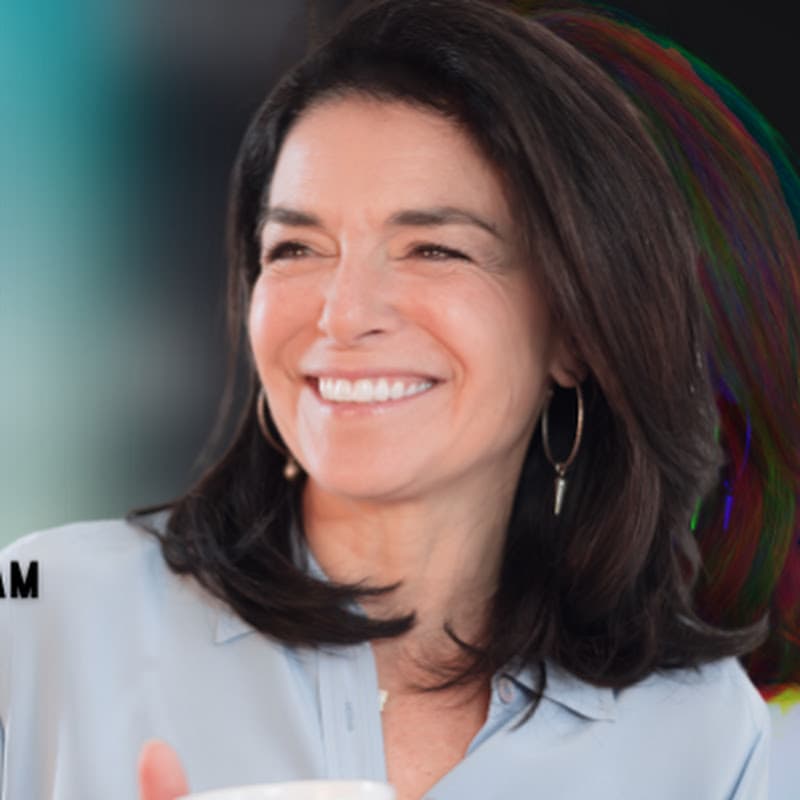
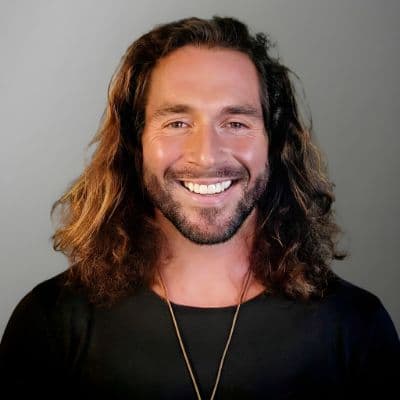
Full Transcript Introduction to Hunter Williams 0:00 Ladies and gentlemen, welcome back to the Bioregulator and Peptides Summit. 0:03 We have a very special guest here today. 0:06 If and you know, all the guests are special. 0:08 I mean, let's face it, I say this all the time, 0:10 but every one of them is special in their own way. 0:13 And Hunter is one of those guys. 0:15 If you've spent any time in the peptide and biohacking space, chances are 0:19 you've already crossed paths with today's guest. 0:22 Hunter Williams is a creator, entrepreneur, and bio hacker 0:24 who's made it his mission to take the science of peptides 0:27 and bio regulators out of the fringe and into the mainstream, and to do it. 0:31 Most importantly, with rigor, transparency and as little hype as possible. 0:36 Hunter is also the host of the Hunter Williams Podcast, where he goes 0:40 deep on the science of peptides, hormone optimization, metabolic health, 0:44 and biohacking, covering everything mainstream medicine tends to overlook. 0:48 One thing that sets Hunter apart is his insistence on the fundamentals 0:52 third party lab testing, published results, and a clear eyed distinction 0:55 between what a peptide actually is and does versus 0:59 what a bio regulator actually is and does in a space full of noise. 1:05 That clarity really matters. 1:07 Today he's bringing that same precision to our stage. 1:09 Please help me. Welcome. 1:11 Hunter Williams. Welcome, Hunter. 1:13 It's a pleasure to have you here. 1:14 Thank you. Natalie, the pleasure is all mine. 1:17 And well, before I was doing this, I was learning from peptides about you. 1:20 So this is awesome for me to be here and anything I can do 1:23 to contribute and help people out today, I'm really excited to do. Wow. 1:27 I'm stoked. 1:27 I mean, you've done, 1:29 you know, you kind of to me, you kind of came out of left field at some point. 1:32 I became aware of you. I'm like, whoa, this guy knows. 1:34 What are you talking about? This is super interesting. 1:36 So I'm excited to have you here. 1:38 And, you know, there is a lot we could talk about, but 1:41 because we're doing this in a summit and we want to keep it tight for people, 1:44 and we want to make sure people walk away with some concrete information 1:48 in a reasonable amount of time. 1:49 Just because there's 1:50 the summit is kind of turned into a bit of a big monster thing. 1:54 I, we decided that we would hone in on bio regulators. 1:57 There's not a lot of people that speak to bio regulators. 2:00 And you wanted to really focus on the injectables, 2:05 which are the synthetic forms of bio regulators. 2:07 So why did you want to do that? 2:09 Like, I'm curious because not everybody deals with that a lot. 2:13 I mean, a lot of people deal with the oral natural extracts, 2:16 but maybe we can just start off there and just kind of 2:20 talk about the synthetic versus the oral Barr regulator. 2:23 Yeah. 2:24 Well, one, I think there's a general like lack of awareness and understanding 2:27 that these are even tools that people have access to. 2:30 When people hear by a regulator, a lot of them are like, oh, 2:32 you mean like the captains and ones or the oral ones that you're taking capsules. 2:35 And those are great. 2:36 I'm huge fans of those, but you see a lot of places 2:40 all peptides will have some of these injectable ones. 2:42 And even a few years ago, I didn't really know that much about them. 2:45 I knew more 2:46 probably about the oral, just because there's more literature on the oral. 2:49 And I was like, let me start looking into these and seeing what they do.
Why Injectable Bioregulators Matter 2:53 And when we look at the oral ones, what I think is really cool about those is 2:57 we have enough data and enough really good doctors that are setting up 3:00 like protocols of, hey, 3:01 this is how you would use these in a longevity stack to do it. 3:04 And I think the injectables, 3:06 you probably could get to a point where you could set stuff up like that. 3:09 But what I think is cool about the injectable ones relative to oral ones, 3:14 is you can use them in more acute scenarios, whereas oral ones are. 3:17 I kind of think of those as almost like background players 3:19 that do a really good job of creating the environment in a body 3:23 that's responsive to all the other things we're doing, whereas the injectable ones, 3:26 I think you could probably do that, but I've seen them just in the people 3:30 that I coach and everything 3:31 have really good responses for acute issues 3:33 where some of the other general injectable peptides might help, 3:36 but they're not going to take someone all the way there. 3:38 So that's 3:39 what I'm excited and just helping kind of get more broad exposure to these, 3:43 because I think a lot of the the gaps that we might have in the traditional 3:47 injectable peptides can be filled a lot by these injectable by a regulators 3:51 for acute things, but just not enough people know about them. 3:53 So I'm excited to talk about them. Yeah. 3:55 And you know, not a lot of places know how to make them there. 3:58 You know, it's ironic that these are the tiniest little peptides. 4:01 These are like two, three, four, maybe five amino acids. 4:06 I mean, none of the ones we're going to talk about today are five amino acids. 4:09 But people would think, oh, well, there's only a couple of amino acids involved. 4:12 These must be really easy to make. 4:13 And as it turns out, the smaller it is, the harder it is to me to produce. 4:18 And and I think for the longest time, that part of the issue, 4:22 and even to this day, there just aren't as many lives that are making 4:26 these as there are making the longer signaling peptides. 4:31 Yeah, well, it's funny you say that because I've talked to people 4:33 that own compounding pharmacies in the US. 4:36 And when I bring this up, it's like, hey, 4:38 do you know there's some of these injectable 4:40 bio regulators that you could probably make 4:42 their actually kind of at a loss and they start to look into it. 4:44 And it's not in their purview a lot of times 4:45 because they're making LPs or, you know, BPC or whatever. 4:49 And a lot of them are like, oh, wow, I didn't even realize that was a thing. 4:52 And then they start trying to source it and do it. 4:54 And it's really common, which kind of sucks. 4:56 I hope we can do a good job of educating the market 4:58 so that more people demand it and ultimately, like 5:00 more people have access to it. 5:01 But yeah, like you said, you would think it would be easier 5:04 than making something that's 50 5:05 amino acids long, but just because they're a little bit more rare 5:07 and also the process is a little bit different. 5:10 It's interesting that they're 5:11 they're not as widely accessible as some of these other ones. 5:14 So you brought up something earlier which I think is worth mentioning. 5:18 You talked about how for you, the synthetic bio regulator can be more 5:22 can be helpful in a more acute situation than the orals. 5:26 And that really is echoed in the, in the Russian research. 5:31 Right. 5:31 In, in the work that we read about in Russia, they do talk about the synthetic 5:37 bio regulator or the injectables, these injectable bio regulators. 5:41 And we can actually, in a little while, talk about the other injectable 5:44 bio regulators you can't even find outside Russia, 5:46 but that these are faster acting and in some ways, because they're simpler, 5:51 they're just that most effective amino acid chain 5:55 as an extract from the natural bio regulator, whereas the natural comes 5:59 in with a whole bunch of other cofactors, small proteins, that kind of stuff. 6:04 And so I think we should just dive into how you're using these 6:09 when you talk about acute situations, because, you know, typically with, 6:14 you know, one of the ones that I think is, well, they're all interesting, 6:17 but for example, which is the cartilage bio regulator, 6:20 it's going to affect collagen elastin throughout the system. 6:24 Right. 6:24 It may it'll definitely help in a joint. 6:27 But if we think about what it's really doing 6:30 and where we might find collagen elastin in the body, it's going to be
Cartilage Bioregulator for Injury Recovery 6:33 in every organ that has flex, which is all of them. 6:38 Yeah. Yeah. 6:40 Right. 6:40 I mean, I don't 6:41 I can't think of a tissue in the body that isn't required to flex in some way, 6:45 shape or form and from bone all the way to extracellular matrix 6:48 or whatever the case may be. 6:50 So would you want to talk a little bit about Cardiacs, 6:52 because you brought that up in our conversation 6:53 before we started recording, and I do think it's one of the peptides, 6:56 the bio regulators, that doesn't get nearly enough attention 6:59 and is so foundational to human health. 7:03 Yeah, well, I'll tell a story. 7:05 Just kind of my intro to Carl. 7:07 So back a few years ago when I was just researching 7:09 these and, you know, I'm obviously experimenting on myself all the time. 7:13 I played football for 17 years and played Division one college football 7:17 and everything, 7:17 and I was told I had arthritis in my wrist because I played linebacker. 7:20 So I was like hitting people, tackling people and whatever. 7:23 And it went away, you know, because it's been a long time since I played football. 7:25 But still to this day when I work out, sometimes 7:28 I'll get like soreness in my wrist just where they were really weak, 7:31 you know, and I had injured them a lot when I was playing football. 7:33 And one day I was like, really saw after a workout and I was about to walk 7:37 my dogs and I was like, you know what? I got some likes. 7:39 And I was like, let me mix it up and just do what I know 7:42 from like the literature, which is in this case for an acute issue, 7:44 was like a one milligram dose. 7:46 I was like, it's a really good sample because I've got both risks that hurt. 7:48 I'm injected into one, see how it does and then leave the other. 7:51 And I injected it alone. Yeah, exactly. 7:55 And I injected it. 7:56 Went to walk my dogs. 7:57 And like 30 minutes later I was walking my dogs and I was like, 7:59 wait a second, my wrist doesn't hurt anymore. 8:01 I was like, okay, 8:02 so something is definitely going on here because I felt the effects 8:06 that I normally would get from like BPC or TB 500, but it was way faster. 8:10 And it also I did that one injection and like the next couple of days 8:14 I didn't inject and it still like the pain stayed away. 8:17 Whereas typically with like a BPC it's more of a cumulative thing of 8:20 like you inject and after a few days you start to see results and then, 8:23 you know, you have a cycle of 8 to 12 weeks 8:26 where you start to notice results and hopefully those results last. 8:29 So I was like, okay, there's definitely something here. 8:30 So started playing around with it more and then having people in my coaching 8:34 groups playing with it more. 8:35 And when you read about them, 8:36 what you realize is especially let's talk about cardio for an injury. 8:40 We have the peptides, we have BPC, TB, 500, GPC, even like CFPB. 8:45 And I love CFPB because a lot of times that's doing more direct 8:48 as an anti-inflammatory than even BPC and TB 500 are doing. 8:52 But what none of those are doing is actually working on DNA expression. 8:57 And what's really cool about LAX is, is this tiny little peptide sequence 9:01 that's actually if you kind of the way 9:03 the analogy I use and I know it's probably more complex than this is, 9:07 those things are great, but what it's actually doing 9:09 is going into the nucleus of the cell, looking at the DNA 9:12 and kind of saying, hey, this and this and this is wrong with the DNA 9:15 because of inflammation or injury or whatever it is, is actually. 9:19 Yeah, or, or exactly just old age to where you get like poor DNA transcription 9:24 with old age and everything, 9:25 and it's going in and fixing those, which is truly anti-aging in a way. 9:28 If you think about it, it's going in and saying, hey, this now is expressing 9:31 older than we would like it to, and it's rewriting that expression. 9:35 And on top of some of those typical interventions that we would use, 9:39 none of those are actually doing that, especially for the example of access 9:44 to cartilage tissue. 9:45 And so fast forward, having people that are in coaching groups 9:48 that have used it for years, I've seen people. 9:50 And again, this is just anecdote. 9:51 It's not research data, but I've seen people that were like 9:54 doomed to have a surgery from their doctor and BPC and CB 9:57 500 help, but it was still like on course to have a surgery. 10:00 Then they used for like 8 or 12 weeks and the doctor told them 10:03 they no longer had to have surgery, 10:05 which is crazy when you think about it, because with those other peptides, 10:08 you can get the suppression of inflammation, 10:10 you get the angiogenesis and the migration. 10:12 But with this, you're actually getting direct action at a cellular level 10:16 to re like basically reverse age the tissue. 10:20 And I think you could play that out 10:21 with any of the other ones because they're doing a very similar thing 10:25 across organ systems that those specific ones address. 10:28 But I love Cardiacs and I've seen it's kind of one of those things that I know 10:31 you're like this too. 10:32 It's like when you see the same thing over and over again, it becomes like, man, 10:36 I wish more 10:37 people knew about this because I know so many people that have come to me 10:41 and they use the typical peptides, and it's still especially for things like, 10:45 you know, spinal injuries or hip osteoarthritis. 10:49 You know, BPC and TB 500 can help, but it's not always going to like 10:52 really actually make that person to where the tissue has been restored 10:57 to where it was before. 10:58 And that's what I've seen Cardiacs do time and time again and people again. 11:01 It's not going to help everyone like some people, 11:04 if they have like degenerative disease or something like that. 11:06 I can't tell them that, you know, it's probably going to solve all of that. 11:09 But for a lot of people that thought that they didn't have hope 11:12 from some of those other peptides, I've seen Carmelites do it. 11:15 And it's pretty cool because when you look at it, it makes sense. But 11:19 it's doing so much more above and beyond what some of those other ones have to. 11:23 Well, as you said, 11:24 I mean, these are I mean, I will refer to bio regulators as epigenetic switches. 11:28 Like ultimately they are affecting the expression of your genes, 11:33 as you mentioned, and or the expression of your name. 11:36 And that is wildly powerful. 11:39 And it's still it still blows my mind a little bit how few physicians are on this. 11:44 And I mean, the good news is there's some very good physicians 11:47 that are onto the bio regulators, but there are still legions 11:51 that are completely ignorant, or there's still a few running around. 11:55 I heard one just the other day on a big podcast saying, oh yeah, there's 11:58 those by regulators. It's all hype. 12:00 There's nothing there's nothing there. 12:02 And it just it used to make me mad and now it makes me laugh like I just 12:07 yeah, I just think it's funny because there's a lot of there's 12:11 over three decades of research by Kevin and his and his team. 12:15 Like, it wasn't just him by himself. 12:17 Mad scientists in a lab, like he had teams of people working with him. 12:21 Like this guy did a huge amount of research. 12:24 And it's not like there aren't any institutions 12:26 internationally that haven't looked at them as well. 12:29 Like there's universities in the US, in Italy, like in all 12:33 a bunch of different countries where they've actually studied different 12:37 bio regulators. 12:38 And people might be sitting there going, well, okay, great.
Liver, Thymus, and Immune Support 12:41 Well then why aren't they mainstream or why aren't they available? 12:45 And it's like, because 12:47 we don't 12:48 have we don't have a good answer, which we did. 12:51 Yeah. 12:51 And it's almost like the incentives might not be that it's it's interesting 12:54 you mentioned that about the countries because it brought to my mind, 12:58 I know and living in are both specific to the liver. 13:01 I forget which one also has some some GI benefit as well. 13:05 It might. I think it's over gen that has a little bit. 13:08 I think it's over gen is interesting because I think it's liver and lungs 13:12 and it's like kind of like I call it the innards by a regulator. 13:17 Yeah. Yeah. 13:17 Exactly. 13:18 Of like kind of those almost like your gut in a way. 13:20 Like the whole area of the gut. 13:22 What's great about that is I'm blanking on what country this was in. 13:26 And it could have might have been Russia. 13:27 But I remember reading a paper a while back, they actually used that 13:30 as an adjunct to chemotherapy to help with the toxicity of chemotherapy. 13:35 And guess what? 13:36 It improves outcomes of chemotherapy, improves survival rate from chemo alone. 13:40 That's like why are we not doing that here in the United States? 13:42 It's something that should be like relatively easy to get. 13:45 And for someone that unfortunately, if they do have to go on chemotherapy, 13:49 could use to like help express a healthy liver, or at least like 13:52 keep the liver from being so overloaded with toxins from chemotherapy 13:56 and radiation, whatever it is. 13:57 And again, 13:58 that was probably like 30 or 40 years ago, if I'm remembering right, 14:01 that that was done. 14:02 And these were being used in 14:04 some of the Eastern Bloc countries to enhance outcomes for people's health. 14:07 So yeah, it's crazy. 14:08 It's I mean, you know, I mean, definitely the medical system here, 14:11 if it doesn't have a slew of double blind, controlled placebo studies. 14:17 And I said all those words in the wrong order, but if if they don't 14:21 have all those studies, they're just not going to get adopted. 14:24 And, and, you know, the the oncological world is pretty leery 14:30 of most of most things out of the that's just not in their space kind of thing. 14:36 And the other the other bio regulator, actually, and I don't know if you've used 14:39 this one very much, that doesn't get nearly enough attention. 14:42 Is villain. 14:43 Do you have you played with the villain at all, 14:46 which your computer will automatically autocorrect a violin? 14:49 Yeah, it's funny you say that because I'm actually using a cycle of that right now. 14:55 For me personally, on my last bloodwork I had, I think it was like my 14:59 my face was a little high and I was like, you know what I mean? 15:03 Thymus for one can work good for that. 15:05 But I actually anytime I use it and now that I know how to pronounce it 15:09 correctly, because I always say 15:11 like an ignorant Southerner, either like villain or villain. 15:14 Yeah, well, I'm French, so I'm going to pronounce it that way. 15:17 But there's no there's no saying that I'm writing. 15:20 You're wrong. So let's just say that. 15:22 Well, I will say villain sounds a lot cooler and a lot more sophisticated, so. 15:26 But anyway, I've actually been using that recently and could be anecdotal. 15:31 I actually got my blood work done today, so like it was a three month period 15:35 that I was I was using it. 15:36 And so I wouldn't say that there's like an enormous like, 15:40 you know, it's not like drinking a cup of coffee. 15:41 We're going to wake up and just have like lightning come out of your fingertips. 15:44 But the sleep is amazing. 15:46 Like anytime I'm using a cycle of that, the sleep is amazing. 15:49 And there just overall feels like a general sense 15:52 of lower inflammation anytime I've used that in a cycle. 15:55 So again, I think for people that I always recommend 15:58 that for people that have like suppressed immune systems 16:00 or immune dysregulation, it seems to work really well. 16:02 And I know two and again, this is just going off of memory. 16:05 There seems to be a lot of longevity data around that one kind of pairing 16:09 with some of the others to enhance longevity expression and a lot of people. 16:12 Yeah. 16:13 Well, Kevin Sun referred to it as one of the Gerard protective. 16:16 There were only a few that he named as Gerard protective 16:19 I think epitope on the pineal gland, one maybe vestige in villain. 16:24 And I forget there were maybe 1 or 2 others, 16:27 but one of the and I don't know, I'm sure you came across this because you do 16:30 so many deep dives on this stuff, you know, in certain countries is used 16:34 post post radiation and chemotherapy to help to restore immune function. 16:40 And that makes it pretty pretty darn interesting as a compound. 16:45 Yeah. 16:46 And I think two if and this is again I'm just going off of memory. 16:49 I think it's a component of maybe timeline. 16:53 So it's actually that sequence is in thymus. 16:56 And I've seen papers where they had used them together. 16:58 But again 16:59 something that I don't think enough people we have all of this 17:02 longevity stuff out there and there's you know, 17:03 it's like a cottage industry now of longevity 17:05 and doing all these crazy things and whatever. 17:07 But if you look at thymic function of like the actual thymus, we all know 17:12 after the age of 25 or 30, most people's lives is going to shrink over time. 17:15 And again, 17:16 you can correlate that with a decline in overall health, longevity, lifespan, 17:20 you name it. And we look at some of those things. 17:22 It's like, okay, we know directly that these are modulating and potentially 17:27 even like regrowing thymic tissue to help the thymus function as it's intended. 17:31 And what I always love conceptually to like, talk 17:34 about with people is so many people come to the peptide world 17:36 and they're like, okay, I want to lose that. 17:38 I want to do this. 17:38 I want to have like a jackhammer to create these results. 17:41 And I don't think that that's a bad thing in some cases. 17:44 What I love about 17:45 that is you go so far upstream, it's like, hey, if I go address the thymus, 17:49 which most people don't even think of, they don't even know what the thymus is 17:52 like, goes to the far upstream to improve the function of that organ, 17:57 which is then going to help my immune system, 17:59 which is then going to help with so many other things 18:01 downstream for longevity, but then also to just as a protective mechanism 18:05 in the world that we live in today with exposure to toxins and EMF and blue 18:09 light and stuff, it's like, yeah, you could you could live in a bubble 18:12 to try to protect yourself from some of those things. 18:14 But if you're actually addressing these, I think on a regular basis, 18:17 especially with like Villain and Final Million, in some of those ones 18:21 that work on thymus function and immune function, 18:23 you're going to protect yourself downstream from some of the other things 18:26 that people get exposed to that end up resulting in chronic disease. 18:30 Yeah, 100%. 18:31 It's you know, the immune system is the thing that will take you out 18:35 right at the end of the day, 18:36 either it's going to be over function or under function. 18:38 It's that imbalance. 18:39 So which there's a couple of themes I want to cover with you. 18:43 One of them being the safety profile. 18:45 So generally 18:46 speaking the safety profile of bio regulators is considered to be very high. 18:51 Do you want to talk to people a little bit about why you think that is 18:55 and what you've seen in practice? 18:58 Yeah. 18:58 So the good thing about them, we were kind of 19:01 we were kind of talking about like errors in dosing, I will say 19:04 relative to like the person that I get a message from. 19:07 It's just this is a real story of someone injecting 20mg of red, a true tide. 19:11 It's like, sorry, there's nothing you can do. 19:12 Like you're in, you're going to be really nauseous. 19:15 Yeah, like the next two weeks. Just kind of buckle down. 19:17 You might want to lock yourself in your house and just kind of like, 19:20 be near a bathroom somewhere. 19:21 But we look at the bio regulators, obviously, like 19:23 you want to use like appropriate dosing parameters for what we know now, 19:26 I kind of think of those as more of modulators of tissue. 19:30 Like you were just saying, where is some of these other peptides, 19:34 albeit they they can have really good effects. 19:36 There's chemical signals that are then just going to keep driving and keep 19:39 driving regardless of what the body is going to respond. 19:42 So for instance, that person that does overdose on a GLP one, 19:45 the body is not going to say, hey, I don't need any more of that. 19:48 I'm going to use what I need and use it. 19:50 It's just going to get really sick and nauseous 19:51 because there's so much chemical pressure, because of the nature of that molecule. 19:56 Conversely, we have bio regulators that are more 19:59 kind of like a homing molecule that's going into the tissue 20:02 and saying, hey, does anything look out of place here or wrong? 20:06 Oh, it does. 20:07 Okay, I'm going to reorder it. 20:08 And like you said to the immune system, you either have like
Safety, Dosing, and Cycling 20:10 an overactive immune system or an underactive immune system. 20:13 It actually helps them both of those directions to bring it back 20:16 more to the middle. 20:17 Whereas some of these other peptides that we have, they don't really do that. 20:20 They're just kind of like one chemical signal that as you go more and more, 20:24 it's just more chemical pressure rather than kind of like a modulating effect. 20:28 So that's what's really cool about them. 20:30 To to your point from a safety profile is sure, like it's probably not 20:33 the best thing if you went and injected ten bottles of a bio regulator. 20:37 But we also know to the body is more likely to just do 20:41 or take what it needs from it, do what it needs, and then the rest. 20:45 And I think the best example of this, and again, 20:47 this is from something 20:49 I read a long time ago, but I think in Russia when they looked at 20:52 epistle on or reptile on, and they looked at it 20:55 and people that were in their 50s versus people in their 20s, the people 20:58 their 20s actually didn't have any change like they secreted nothing. 21:02 Yeah. 21:02 They said created the same amount of melatonin. 21:04 There was no change. 21:05 Whereas the people in their 50s, it was like a miracle, 21:07 like they slept better and everything. 21:08 Because obviously, like as you age you have suppressed pineal gland function. 21:12 It usually is not as good in your 50s as it is in your 20s. 21:15 And so I think that kind of is like a testament. 21:17 I know, like each chemical might be a little bit different. 21:20 It's kind of a testament to like, 21:21 hey, with those, we know they're relatively safe 21:23 because the body's going to do what it does. 21:25 Which makes sense, because if you go back to like them 21:27 being the extract from animals, it's kind of mirroring the tissue. 21:31 The body is going to say, oh, I kind of recognize what this is. 21:34 I'm going to use it for what I need, 21:35 and then the rest I'm just going to excrete out and just, 21:37 you know, put to the waste pipe and then say, I don't need any more. 21:40 So that's, that's what's cool about them is, you know, you're you're very unlikely, 21:44 in my experience, to have really any bad side effect 21:47 unless you're doing a dose that's way too high to where it causes any issues, 21:52 whereas some other peptides you can you can definitely do that. 21:54 And I hear the horror stories every day of people doing too much of a peptide. 21:58 And, you know, whether it's nausea or mast cell reactions or whatever, 22:02 you definitely you definitely can can go the wrong way with some other peptides. 22:06 Yeah. 22:07 I had a person in my membership community, not my current one. 22:10 The Facebook group might now defunct the Facebook group, 22:13 who mistook a vial of VIP for a vial of. 22:18 I think it was. 22:19 It must have been tours because they injected 2.5mg of VIP 22:25 and they passed out. 22:27 So VIP vaso intestinal peptide will modulate blood pressure. 22:32 And this person would. 22:35 It was crazy. 22:36 She the scene that she described her husband must have aged 20 years in 22:41 in this period of time where she would lose consciousness 22:44 because of this drop in blood pressure, she'd come back and she would have 22:48 just enough bandwidth to say, do not call 911. 22:51 And then she'd pass out again, and then she'd come back 22:54 and it was almost like out of a bad comedy show. 22:57 Do not recommend anybody do this. 22:59 Like it can happen like this is a this is a very powerful compound 23:04 signaling compound that literally affect your blood pressure. 23:07 It can be really helpful for people, but if you're using it 23:10 at a too high a dose, it'll mess you up. 23:13 And I think this person it was. 23:15 It took the good news is it has a very short half life, 23:19 so it only took an hour or so for her to kind of work her way out of it. 23:23 But very, very scary moment and note to everybody double, triple, quadruple. 23:29 Check the vial. 23:30 Just like your person with the 20mg 23:33 of red a true tied for the love of God, that is just horrible. 23:36 I can't even imagine 23:37 the irony of that one too, was that it was the sister of a doctor. 23:41 So the doctor had called me to say like, hey, my sister did this. 23:45 So it wasn't she wasn't a doctor, but it was a doctor's sister. 23:48 So yeah, even people that you would think are not susceptible. 23:51 It happens. 23:52 It happens. 23:53 All right. Let's talk a little bit more. 23:55 I mean, we've done some some interesting discussion around, but let's give 23:59 people an idea of the dosing, the cycling and the stacking. 24:03 These are three big themes in the bio regulator world. 24:07 I mean stacking of course is part of the the signaling peptide world if you will. 24:12 But the dosing and these the and the and the cycling and the stacking. 24:18 I'd love you to kind of share some of your kind of go to 24:23 guidance on that. 24:25 Yeah. 24:25 Well before I, before I say that I will preface it in saying 24:29 this is just from like personal and coaching experience. 24:32 And so when it comes to like clinically, there probably is something out there 24:35 that maybe I haven't seen that is more of, I will say 24:38 like gospel truth than what I have. 24:39 So this is just my own practice. 24:41 I don't claim to have the end all be all by any means, 24:43 and I'm still doing my best to figure this out. 24:45 So when it comes to dosing, I kind of think about it 24:49 as more of like a two tiered of for general purposes. 24:52 So like let's take for instance, let's just say someone is a little 24:56 bit more sore. 24:57 So they have like sore joints, but they don't have an acute injury 25:00 like a torn torn ACL or torn shoulder or whatever. 25:03 Dosing wise, I kind of like the 100 to 300 microgram range dose for that. 25:07 And that would be probably like in a 30 to 60 day cycle. 25:11 If I had someone that was like, hey, my joints are sore. 25:13 Like I don't feel the best, 25:15 but I don't have anything that is preventing me from exercising or whatever. 25:19 So I like that lower dose over a 30 to 60 day timeline, just to kind of 25:23 give them the broad exposure to it and work over time, get the body exposed 25:27 to it, and kind of have a build up of a cumulative effect and then cycle off. 25:32 On the flip side, we 25:33 have the second part, which would be the acute dosing. 25:37 And I like the 1 to 2 milligram range for that. 25:39 So for like for instance 25:40 someone did have a torn knee torn shoulder I would do 1 to 2mg. 25:44 You know, with an injury I'm always kind of like back 25:46 and forth of like cycling versus like doing it till it heals. 25:49 And so sometimes someone might need like 25:51 if it is a torn ACL might be beneficial for them to use it until that heals. 25:56 Maybe that's like eight weeks, maybe it's 12 weeks. 25:58 But I always on the side of like shorter cycles if they can get away with it. 26:03 And then maybe they just use that for, you know, 10 to 30 days. 26:06 And they're also using some other peptides like BPC or TP 500, 26:09 then maybe they extend out a little bit longer. 26:11 So that's kind of the general dosing. 26:13 And I would apply that same situation to any of the other ones. 26:17 So for instance for like cross to max which would be the prostate one for men. 26:21 Kind of the same thing is like for me right now, 26:23 I don't necessarily have any prostate issues. 26:25 My PSA is very low. 26:26 I don't have any issues with BPH or anything like that. 26:29 So when I use that, I do like the 100 to 300 microgram dose range, 26:32 just because I'm not trying to necessarily cure anything. 26:34 But fast forward to a guy that's maybe in a 70s that has pretty severe BPH, 26:39 has to get up to the to go to the bathroom like 3 or 4 times a night. 26:43 Those guys, I've had them use like 1 to 2mg per day for like a 10 to 30 day cycle. 26:48 In a lot of cases, they report back and they're like, hey, 26:50 I went from getting up four times to pee to going only one time, 26:53 which again, can be huge for a guy like that. 26:55 If that's what's causing them to get up to go to the bathroom. 26:57 So that's kind of the logic I apply to it. 27:00 Again, whether or not that's right, I don't claim to definitely not 27:03 have the definitive answer on that, but that's what I've seen. 27:05 We're good in practice just from like 27:07 a general optimization standpoint, all the way to like the acute side. 27:11 Yeah, no. 27:12 And I think that I think that there's plenty of literature 27:15 and plenty of other practitioners that would line up with that as well. 27:18 I mean, the cycling is, is I think it's critical. 27:21 I mean, if you think about the, the, the way of the working, if they really are 27:25 addressing and correcting and restoring youthful expression of DNA, 27:30 you don't have to keep hitting that over and over and over again, 27:33 like you at least have to take a break. 27:35 And in someone who's older, it will revert. 27:38 They'll go going to continue to age. 27:40 So you'll have to come back to it, but you shouldn't 27:43 need to be on it, hitting that button continuously all the time. 27:47 So I'm a huge fan of that. 27:49 What about stacking multiple bio regulators together? 27:53 Do you do you do that? 27:55 Is that something that is in your practice or you more of A11 at a time 28:00 kind of guy? 28:01 I do it kind of depends on the situation. 28:04 So I mentioned Max and I'll kind of give you 28:06 the ones that out of those ones that we have 28:07 that I would think of stacking, I'm sure there's probably 28:10 like permutations and combinations of ones that would, would even be better. 28:13 But for instance, like with a prostate one, typically what I would do 28:16 is stack that with which is the bladder peptide. 28:20 So for a guy that has, like I said, getting up to go to the bathroom, 28:23 I really like pairing those together because they're kind of synergistic. 28:26 Obviously they're near each other in the body and they're functioning. 28:29 The way that they carry out.
Stacking Bioregulators for Specific Goals 28:31 Function is usually synergistic in terms of creating the goal, 28:34 which is to obviously modulate prostate inflammation 28:37 and keep a guy from having to get up near the bathroom. 28:39 So I really like those together. 28:40 I'm trying to think of what else would be good. 28:43 Cardinal is more kind of on its own. 28:45 I do like pairing that with some of the healing peptides. 28:47 I will say, for people with liver issues and work 28:51 really well together, I like those for some of the immune issues. 28:55 I really like Velan and Timeline together. 28:59 Those have have seemed to work. 29:01 Now whether or not that's redundant, I don't know. 29:02 Like is is it worth doing 29:04 or you just waste your money if you're just repeating a signal? 29:06 What about Simon? Jen? Are you using that at all? 29:09 Or is that these days? 29:10 Because I know that, I mean, I it's a little less around than than it. 29:16 I really like it. 29:17 So I think is even better than Thymus and Alpha one. 29:21 I just can't get it. 29:22 So if you find a place that knows because yeah, I've had 29:25 people make it in the past, but 29:26 right now the people that makes up for me, like the chemist that I've talked to, 29:29 they can't get it to make. 29:31 Yeah. 29:31 The problem with Simon, Jen is it has very low solubility. 29:34 So the one lab that would make it consistently in the past, 29:38 which is no longer operating in North America, would was selling it 29:42 in one milligram vials because because it it was the only like you you would 29:47 you could add now you're 1 or 2 mls of bacteria, static water 29:51 and get your dose of 100 micrograms. 29:53 But it was a tougher one to use it, higher dose. 29:56 I mean, you'd have to use 29:57 literally a vial a day if you were going to that therapeutic one milligram dose. 30:01 And it was really because they just soluble. 30:04 It was really difficult. 30:05 But Simon and Velan together, I think. 30:08 Are there components of the thymus bio regulator. 30:12 Right. 30:12 It's remember we were talking earlier 30:14 like the natural bio regulator is not just going to be one amino acid chain. 30:18 It's going to have a few. 30:20 And so the thymus, the thymus and the villain are 30:24 are essentially components of it. 30:26 What about the blood vessel bar regulator. 30:28 Where does that fit in for you? 30:30 I love that. 30:30 So that one would be the injectable one that mostly is called vessel. 30:34 And I love that for people. 30:36 One of the biggest questions I always get and there's a lot of confusion around it. 30:39 And again, I don't claim to know everything, 30:41 but around like lipid profile, cardiovascular markers and everything. 30:44 I think when you look at vessels and what that one is specifically 30:47 doing is helping heal endothelial function. 30:50 And again, we look at someone that's maybe 50 or 60 years old. 30:53 They've had a lifetime of inflammation, poor dieting, poor lifestyle, 30:56 whatever that results in. 30:59 Usually the the I will say like calcification of arteries 31:03 which we know like leads to bad cholesterol and everything. 31:05 And what's cool, I don't 31:06 I haven't found as much literature on vessel and specifically. 31:09 But if you look at Ventforet, which would be like the oral counterpart 31:12 to it, there's a lot of data around improvement in those markers. 31:16 And so I love using vessel in, especially for someone that's like, hey, 31:20 I feel like at risk of heart disease. Or maybe I've had issues 31:23 with heart disease in the past, maybe even a heart attack. 31:25 I love that what's cool about Vessel in Two is when I've used it. 31:28 I actually notice 31:30 a performance enhancement benefit from like training and everything. 31:35 And so it almost feels like for, yeah, 31:36 for people that have used like low dose to fill as a pre-workout, 31:39 I get a very similar effect when I've used vessel and, 31:43 and you only have to do like 300 micrograms of it. 31:46 And for someone that's already pretty healthy, 31:48 you can get like a performance benefit. 31:50 But then I think too, when we look at the longevity aspect, 31:52 obviously that's going to be huge for everyone. 31:54 Heart disease is the number one cause of death that we have. 31:57 And if you look at restoring endothelial function, 31:59 whether that's helping with heart disease or even helping 32:02 like a guy with erectile dysfunction, because I've seen it help that as well. 32:05 It's huge. 32:06 And one thing for specifically for cardio health and this one 32:09 I, I don't honestly know if there's any papers around this, 32:12 but I've had people use it is a cardio gen and that is the one regulator. 32:17 Yeah. The specific to the heart that one does wonders 32:19 when you pair that one with vessel. 32:21 And especially for people if they've had vascular issues 32:23 or heart disease or something like that. 32:25 So I really like that, that pair to get to. 32:27 Yeah I to me Vestron is the one. 32:29 It goes with everything. 32:30 It's like it's that little black dress that you wear to every occasion. 32:34 Yeah, yeah. 32:35 Like I mean it's a girl thing, but you know, messaging is, you know, 32:39 if you're trying to deal with liver, you pair with it because they'll, 32:44 they'll work together. 32:45 You looking at heart, you throw in some vestige in you. 32:48 You know, there's literally 32:50 and and to your point, you know, for prostate issues even, you know, 32:53 you want to make sure that people don't have an elevated PSA when before 32:57 you start throwing these things in just to have an abundance of caution. 33:01 We again, I don't think we have too much literature 33:04 on elevated say and stimulating in any way the prostate. 33:09 But but throwing the blood vessel by a regulator in there with your 33:13 with your prostate and or your bladder, I think would be nothing but helpful. 33:18 Yeah. Well, even to to your point, I agree. 33:20 Like I think 33:20 it amplifies every other bio regulator because if you're getting more oxygen 33:25 delivery and nutrients to the area tissue, that's only going to make it better. 33:29 And another one that I've seen too, 33:31 as we're talking about this, and I actually learned this 33:33 from a doctor that reached out to me that was using it was quarter, 33:37 and he said he was using Corden. 33:38 I think he was using vessel in with it as well, 33:40 but he was actually seeing it help. 33:42 And this is one that I have. 33:43 I always tell people, 33:44 if you have this, I don't know, but for tinnitus and so for people 33:47 that have like really bad ringing in their ears, 33:49 he was saying the quarter Jen quarter in combination when I think 33:53 the Sarah Luton which is the oral version he said those worked really well together 33:59 and he actually had a clinic that he was saying he was helping people. 34:02 Tonight is and it was like reducing symptoms of tinnitus with those. 34:06 And again, makes sense because if you're if the tinnitus is a result of some sort 34:09 of inflammation in the brain and John is working to help, you'll bring tissue. 34:14 I really like that. 34:15 And potentially to I know less about this. 34:17 But for neurodegenerative disease that could do really well, 34:21 especially with something like an Italian or a penny alon to help 34:24 just modulate brain inflammation as well. 34:27 Yeah. No. 34:28 And again, like that blood flow factor is always going to be a real player here. 34:33 So all right what else did is okay. 34:36 So we talked about stacking. We talked about dosing. 34:38 What else. What else. 34:39 Last one dose stacking wise I did forget for lung health issues. 34:44 Yeah. 34:44 Bronco and I think it's Khan Luton or Chon Luton however you pronounce it. 34:49 Those are both. 34:50 Yeah those are both lung ones that work really well together. 34:52 I will say for people I've worked with a lot of people that have COPD. 34:56 Really bad weather is from like smoking 34:58 or just toxin exposure whatever those two with TB 500. 35:02 Because TB 500 does help a lot with these anti fibrotic right. 35:06 Yeah I've seen that. 35:08 For instance my father in law he had a really bad episode with COPD. 35:11 Was like hospitalized for seven days. 35:13 And he's very much like hey give me whatever and I'll take it. 35:17 We got him out of the hospital 35:18 thankfully, and I just gave him Bronco ten, Tron Luton and TB 500. 35:23 And within like ten days he was completely fine again. 35:25 And ever since then, that's been years ago. 35:27 Like he's never had any flare ups or anything with that is crazy. 35:30 So yeah, it's really weird too, because especially like, 35:33 you know, like having work with TB 500 like it does good. 35:36 But it's more like, okay, like you'll get this out of it and it does well. 35:40 But with those to the point of like reversing the tissue 35:43 probably be beneficial for him to like run it, 35:45 you know, like maybe once or twice a year, just if he had an issue with that. 35:48 But it kind of like the effects lasts. 35:50 Well after you actually use the peptide, which like some of the other peptides, 35:54 they don't really do that. 35:55 You're kind of getting the exposure while you have it 35:56 and then don't do anything when you don't have it. 35:58 So yeah. 35:59 Well, I think, you know, 36:01 if you look at the studies that Kevin Son did, there were a couple of studies. 36:05 They're called the old People studies. 36:07 And one of them is he followed them for 12 years and showed that there was a 36:11 50% reduction in mortality rate in the test subjects that got the 36:16 epithelium in versus the people who got the poly vitamin injections. 36:21 And then the next one was older people only studied them, only followed them 36:25 for six years. 36:26 The people, poor people who got the poly vitamins, 88% mortality rate. 36:30 The people who got the epithelium were down to 45% mortality rate. 36:34 People who got epithelium and timeline were down to 33% mortality. 36:38 What the a piece of the puzzle that a lot of people miss 36:41 is that they only got two cycles of whatever bio regulator 36:46 they were given for two years, and then they were followed after that. 36:50 And so that speaks a lot to your father in law's experience, where a somewhat 36:55 singular application had very long lasting effect. 37:00 Yeah, it's crazy to and even in my own life it's crazy. 37:04 I feel spoiled almost sometimes with ax because someone like, 37:08 I love fitness and training and stuff, and before
Future Access and Where to Find Hunter 37:12 I knew about Cardiacs, like I would use BPC and TP 500 and it would help. 37:16 But now it's like if I've pulled a muscle in my back before and just injected 37:20 Cardiacs into it literally one time, and then the next day it's fine. 37:23 And it it goes like it's gone, like the pain. 37:26 That's amazing. 37:27 So we're like, expected it to work as, as acutely as that. 37:31 That's really interesting. 37:33 Yeah. Me neither. And that's what it's like. 37:35 I almost feel spoiled. 37:36 I actually have a transdermal version of 37:40 that I had a manufacturer send me, and this was like a week ago. 37:43 I had like a cricket my neck, like I just slept on it wrong. 37:45 And I was like, let me try this because I had it. 37:47 I didn't have like any acute issues. 37:49 I put it on it and literally like the next day 37:52 it was healed, which I think, 37:53 you know, if we're talking about the future of speculative stuff, 37:55 I think that's what's cool about a lot of these 37:57 is if you look 37:57 at the nature of the molecule versus some other peptides, there's probably 38:01 an opportunity to put them in more novel delivery systems, like a transdermal 38:06 to actually get effect. 38:07 Now, like for for your lungs. 38:09 I don't know if you're going to get a transdermal broncho 38:11 and apply it like it's probably better to inject, but for something like, 38:15 you know, it works really well, and then you could apply it 38:17 in areas that you probably would get, you know, you could inject it as well. 38:20 But you know, some areas where you're injecting 38:22 like a knee or something be kind of tough and cumbersome. 38:25 Yeah, I have a gel that will get 38:28 pretty much any, any peptide across the skin. 38:31 And I've had a number of people in my membership community 38:35 use it with the BPCL and thymus and beta fours, and they 38:39 and the beauty of it is you can apply it right to whatever the area of injury is. 38:43 And it is remarkable the results they get. 38:46 So I think maybe we'll have to get them to use it with two and we should swap. 38:51 Like I'll get your cartilage, your lax transdermal 38:54 and then I'll send you some gel and we can compare results. 38:57 Yours. Yours is more convenient than mine. 38:59 But yeah yeah I would love that. 39:01 And then see and then maybe there's, 39:03 there's probably even a way you could combine them together to. 39:06 Yeah. 39:06 You just need to do them in a lab for sure. 39:08 Yeah. 39:09 That would be awesome I think to, to, to that point, 39:11 you know, what's interesting about some of these 39:12 like from a regulatory environment is like PPC and TB 500. 39:16 They kind of have the name brand cachet. 39:17 So they get the the scrutiny 39:20 of the agencies or whatever was like, cartel is like, who knows what that is? 39:23 No one really cares. 39:24 And then you look at it from a molecule standpoint, 39:26 it's kind of hard to say, like, well, isn't it just a supplement, 39:29 especially if you have it in a delivery system like that? 39:31 So yeah, somehow a petition made it onto the the FDA's and 39:37 poop list. 39:38 Yeah, not enough human data, even though there's more human data 39:42 going back probably, than a lot of pharmaceutical drugs 39:44 that are circulating in pharmacies today in the United States. 39:47 And less risk, right? 39:49 Like far less risk. Anyway, we'll see what happens. 39:51 You know, I mean, hopefully, but but you know, 39:53 I think that they're testing it for, you know, this thing that's happened. 39:58 Well, by the time this airs, the July event will have happened. 40:01 But I don't think that we're going to get a response. 40:04 We're going to get answers in July. 40:05 I think July is when they're starting to collate the information from physicians. 40:09 Right. Is that right? Do you have insight into that? 40:12 Yeah, I've talked to people that know 40:13 some of the physicians are going to be on the panel. 40:15 And so I guess basically what they're going to do, 40:17 their big thing right now is safety data. 40:20 So it's not so much like whether it works, whether it doesn't, but it's like, 40:23 okay, if we like put this rum category two to category one, 40:26 do we have enough safety data of people that are using it? 40:28 And so what they're trying to do is like, go forward and say like, 40:31 hey, we have a lot of people that have been doing this. 40:33 Look at the anecdotally evidence to show that, you know, maybe 40:36 or maybe not like 40:38 it should become FDA approved, but the very least, 40:40 like we know it's not going to harm people if it's circulating. 40:42 We know that it's not going to harm people. 40:43 But to your point, they're actually meeting then 40:46 but who knows how long before it gets decide 40:48 to like where they're going to write the, 40:49 you know, the ink on the paper and say, okay, now we've moved these. 40:52 And then also to I think there's seven that are on that one for July, 40:56 but then there's another in February 40:58 of next year with the other six or so that they're looking at two. 41:01 And so again, like how soon that happens I don't know. 41:04 I know there's a lot of compounding pharmacies 41:05 that are gearing up to like be able to make more peptides. 41:08 Yeah. 41:08 People are literally it's like they're at the 41:10 they're in the starting blocks right now. 41:12 Like it's it's remarkable what's happening out there. 41:14 So okay. 41:15 Well, Hunter, this has been a really great introductory conversation between us. 41:21 I'm so thrilled 41:22 that you were able to make this happen, and we were able to make it happen. 41:25 Maybe. 41:26 Please let people know where they can find you, 41:28 where they can connect with your work and get more of Hunter. 41:31 Yeah. Best place is just Hunter Williams Health. 41:35 That's my website and it has links to all the social stuff 41:36 I would give my socials, but you never know timing wise. 41:39 You say it one day and then it's taken down the next day. 41:41 So that's my website. Both. 41:43 We're both regular visitors to Instagram Jail. 41:46 Yeah, we're targeted individuals, as they would say. 41:48 So just Hunter Williams Health, that's got everything there. 41:52 It also has like 41:52 I found out a way to like now the cool stuff about all this AI stuff. 41:55 They found out a way to like back up all my videos. 41:57 So if any of the socials do get taken down, 41:59 they're all backed up there where you can like do them in a library and stuff. 42:02 So that's the best place. 42:04 And then then you can check out the social stuff from there. 42:07 Beautiful. And you have a podcast too, right? 42:09 Yes, yes. 42:10 You go to the podcast is just the Hunter Williams podcast. 42:12 I know, super original, but just search. 42:14 Hunter doesn't need to be original, man. 42:16 It just needs to be findable. 42:18 Yeah, exactly. 42:19 At this point, it's just like 42:19 if there's a way for people to find you, that's the best we can hope for. 42:22 So yeah, Spotify, iTunes, that's I put everything up there 42:26 in video on Spotify and then audio on the iTunes as well. 42:29 So beautiful. 42:31 Thank you so much. This has been a pleasure. 42:33 Thank you. All right. Thank you.
Comments