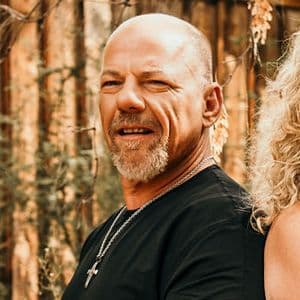
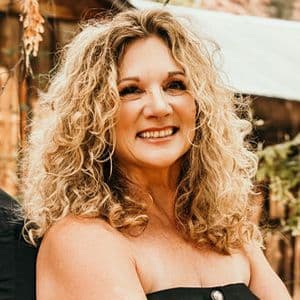
Full Transcript Podcast Introduction and Mission 0:00 When I first started taking sort of a really deep dive into the mitochondria and what they are and how they function, it was something that I found, 0:10 you know, that really helped explain, tie all these chronic disease states together. 0:15 So, everything from neurodegenerative disorders, even autism, the chronic fatigue, like all of these sorts of things, kind of comes down to the Welcome 0:29 to the Holistic Truth Podcast. 0:30 I'm Jamie Dorley, CEO of Nutritional Frontiers. 0:33 And I am Christine Genovese, creator of the Soul Intelligence Method. 0:37 We're here to help you break through chronic disease and dysfunction physically, mentally, emotionally and energetically. 0:44 With real proven strategies, protocols and tools you can use in your practice today. 0:50 Hello, everyone, and welcome back to The Holist Truth. 0:53 your favorite podcast for natural healing, wellness, and functional medicine. 0:58 I'm your host, as always, Jamie Dorley, CEO of Nutritional Frontiers, And we are on a mission. 1:04 And welcome back to the co-host, the one and only Christine Genovese, our Chief Growth Officer. 1:10 How are we doing today, Christine? 1:13 Oh, Jimmy, I am great. 1:20 Me too, you know, we love having the most innovative leaders and pioneers in functional medicine. 1:26 Today we have a great one all the way from Houston, Texas. 1:29 And no, Houston we don't have problem today. 1:32 We may have the mold problem we're going to get into at some point. 1:34 But, someone asked me recently, what do you do for a living? 1:38 And I said, I don' work. 1:39 They said you retired? 1:40 I says, no I'm on a mission. 1:42 What's our mission, Christine? 1:44 It's a mission to make the world healthy, physically, mentally, emotionally, spiritually, energetically, in every which way. 1:51 Yeah, and we do that one person at a time. 1:53 And in this whole new world of functional medicine, it's exciting to have some incredible medical doctors that have transitioned over the years and evolved 2:03 over years. 2:03 I remember 35 years ago when I got into this, functional medicines wasn't even a word yet. 2:10 They were just defining wellness. 2:13 It was more than the absence of disease and symptoms. 2:15 it was really an optimal way of living. 2:18 And, you know, to be able to meet so many incredible people over the years that have taken these leap of faith, I call it walking across the rickety bridge, 2:29 from what we call allopathic medicine they were trained in, maybe a general practitioner doing more functional medicine. 2:35 We have a great one we'd like to introduce, Dr. 2:38 Julia Ward. 2:39 Welcome to The Holistic Truth. 2:41 How are we doing today? 2:42 Good. 2:43 Thank you so much for having me. 2:44 I appreciate you having put me on. 2:47 It's a pleasure to have you on the show. 2:49 We love having pioneers in the field.
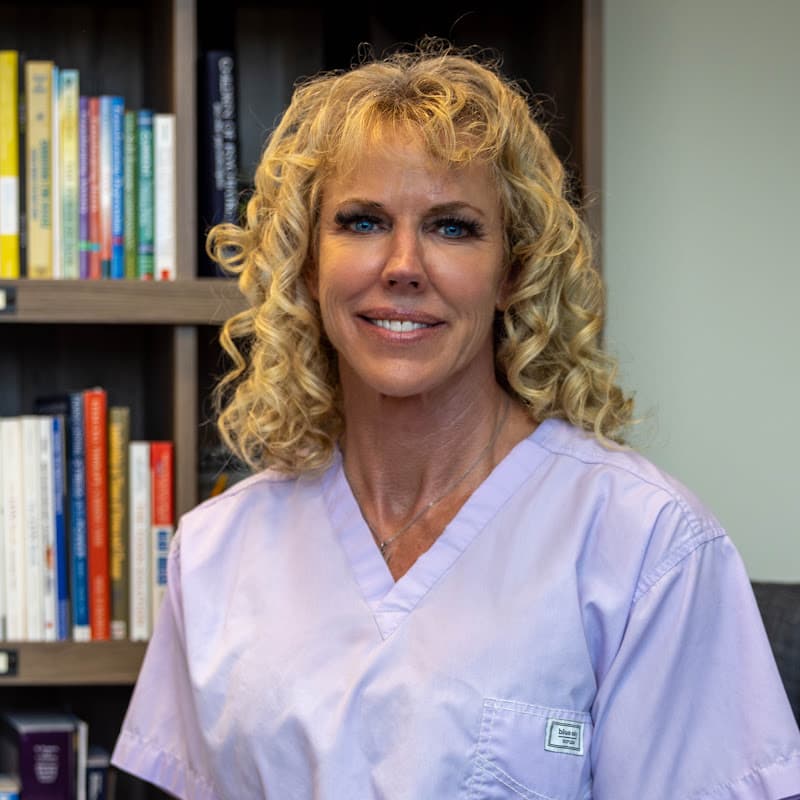
Dr. Julia Ward's Path to Functional Medicine 2:51 I know so much about you going to the IFM and A4M, you know, some of the places that I call home for me and some my friends and mentors like Dr. 3:00 Jeff Bland and Pam Smith. 3:03 Can you give us a little more background about what you do and how'd you even get into functional medicine? 3:09 Yeah, I was trained in traditional allopathic medicine. 3:14 I went to medical school at USC. 3:26 And so at that point, after internship, when you got your license, you were kind of put out in the field. 3:31 So I was stationed with the Marines for a year and then ended up coming back. 3:38 I did anesthesia for little while, but then stopped doing anesthesia and just went to primary care. 3:47 And I, was doing that for, a good number of years, probably, I don't know, at least 20 plus years when It was really my own struggle during the perimenopausal range. 4:02 I think I was about 45 when I started having symptoms of just overwhelming fatigue. 4:07 You know, I never really had the hot flashes of night sweats, but it was the fatigue that was getting me. 4:12 And it to the point where I fell asleep driving to work in the morning, not in So even though I had a full sleep the night before, 4:24 I was still really tired. 4:25 And it was researching and looking into what are bioidentical hormones. 4:31 Is this something that would benefit me that really got me into functional medicine? 4:37 Yeah, it's interesting, you know, I hear a lot of functional medicine practitioners or even people like me. 4:45 You have some kind of personal experience, right? 4:48 You know for me, when I was in college, And then it comes down to autoimmune conditions, psoriasis, and we told, well, there's no cure in this genetic. 4:59 And after doing a lot of investigation, I found, while there is no curer, but there may be underlying causes. 5:05 That's really what we do at Nutritional Frontiers and Holistic Truth, that's what you guys do is, you know, not running for the cure, 5:13 really running from the cause. 5:15 Then Christine brings in the whole, what are the energetic components to it? 5:20 you know, very interesting that, you take this leap of faith, but it was more a matter, it sounds like personal experience, 5:28 right? 5:28 Yeah, yeah. 5:29 When I went to, my doctor's like my GYN and asked about bioidentical hormones and she really just didn't know anything about them. 5:39 Not that I was blaming anyone, because we're not taught about, bio identical hormones in medical school internship residency, 5:46 like it's just not part of the, the curriculum. 5:49 And so you kind of have to go outside of the box to get that training. 5:54 It was in investigating, like, where do I get trained on bioidentical hormones that I found the whole functional medicine community. 6:01 When I've found that, it was like oh, well, this makes so much more sense. 6:05 This is so more logical. 6:07 Why aren't we doing this from the beginning, looking for the root cause of things, rather than just treating these symptoms one after another with some 6:15 drug that stops this or some drugs that stop that? 6:17 Why not? 6:19 just get to the root of the problem. 6:21 So, yeah, it really sort of reignited my passion for medicine and helping people in general. 6:28 Yeah, and I think you really look back to JAMA back in 2004 said this best. 6:34 They were like, If you look, they did research on like, why are we struggling with health? 6:39 You know, it's not lack of money. 6:40 We spend more money than any country in the world. 6:43 It's our lack a prescription medication. 6:46 You now, we're only about 5% of the World, but we consume over 50% at prescription medications. 6:52 But we still ranking 37th in healthcare systems and 72nd in health. 6:57 it doesn't make sense. 6:58 And when they dove deep on it, what they found is the system is set up for acute care and trauma. 7:06 We get in a car accident, someone has a heart attack, a stroke, or you're broken bone. 7:11 We are miracle workers, right? 7:12 Your colleagues in medicine, it's like we're all smiling because you know you are safe. 7:19 But what about for chronic care? 7:21 And they found over 81% of all visits are for chronic care. 7:27 So they're using an acute therapy for a chronic Karen and it will never work. 7:32 And then you talked about underlying causes where Christine comes in with her method. 7:36 You know, she deals with a lot of these, um, well, you can talk about the trapped emotions and you know all these underlying cause it's more than just genetics. 7:45 Yeah, absolutely. 7:46 Absolutely. 7:47 That, that was really the. 7:50 The main thing was that traditional medicine was great at the acute care, the emergency room stuff, but it fell so far short of the chronic care. 8:01 And especially in psychiatry, it seemed like the more we, quote, progressed in psychiatric, and the drugs people got on the worse we were off mental health-wise. 8:15 We just kept going down and down. 8:17 So I think that's especially true of that. 8:20 Yeah. 8:20 Emotional wellness is Christine's background. 8:22 I remember years ago that I looked over at the research, like in Europe, you know, they would use SAMe 30 to one over Prozac. 8:30 They just want to use it because SAME will get you the results. 8:33 But I'll let Christine share some of her experiences with the emotional wellness because, I would say back when I started in this doc, 8:42 You know, I could take a person with my personal training program, have them eat well, work out.
Chronic Disease, Root Causes, and Emotional Health 8:48 And usually within three months, their body was transforming. 8:52 But now it's not enough between all the hormones, the toxins, and the emotional dysfunction, what they're selling as food. 9:03 The technology is becoming overwhelming to people. 9:06 It's become so much more and more complex. 9:09 Yeah, yeah. 9:10 Yeah. 9:10 So you mentioned mental, mental wellness, right? 9:12 Mental and emotional wellness. 9:13 And it makes me think, you know, one of the things I do is to help some of our healthcare providers add a neuro-energetic methodology, 9:24 bio-energetic methodology to their practices to try and help people. 9:28 Cause I'm sure, when somebody shows up, your asking, You're doing a really deep personal history, and you're asking them, 9:34 so what's going on at work? 9:35 What's goin' on home? 9:37 in all aspects of life. 9:38 What's contributing to this, right? 9:40 Right. 9:41 So a lot of the area that I focus on are what are those underlying emotions, like the energy that's no longer in motion. 9:47 That's when it pulls in the body and it causes that dis-ease or dysfunction. 9:52 And then they got to come see you because they don't know what's going on, And so my method really gets to those underlying, 10:00 you know, whether it's negative energies, emotions, and thoughts, or whether its self-limiting beliefs, all of those things that are contributing. 10:08 And you were talking about mental health that made me think, You know, I often tag team with our practitioners with patients. 10:17 So they're working on the physical and I'm working the mental and emotional with the method. 10:22 And it made me think of this one gentleman, since you mentioned mental health, who when he showed up to Zoom, he had like a nasal cannula and he really 10:32 difficult time breathing. 10:35 By the end of the session, i was able to figure out what was causing the He said he had, you know, phantom pain according to traditional medicine. 10:46 And I'm like, You could see this guy was physically in pain. 10:49 He was actually holding on to a trauma in his gut that had been there for about 70 years. 10:59 military background. 11:00 So it also like triggered this for me. 11:02 And so I worked on getting the energy up and out of the body and healing that trauma. 11:07 Cause I had said, wow, you're holding the for yourself and like 80 other people. 11:13 I said and this is old, this has been here for like 70 years and it's just been cumulative. 11:18 He's like, yeah, that was the size of my company in Vietnam. 11:22 you know, when we're clearing it out. 11:24 And then I referred him to one of our functional medicine practitioners who worked with him, to continue to give his physical body than the support it needed. 11:33 But once we got the energy out, the body was so much more receptive to it. 11:37 We found that the medication he was being given for mental illness was too much serotonin, which is kind of funny, right? 11:45 Cause that's the happy hormone. 11:46 I'm like, well, this guy's not laughing, he's in pain. 11:48 And so it was basically, they kept titrating him up. 11:53 So he had too of that in his system. 11:56 The doctor prescribed something called COMDAE, Which is one of our natural, we'll call it Mother's Little Helper, our national form of Xanax that has GABA 12:08 in it that counteracted the seratonin production. 12:11 And so he showed up on my schedule a few months later and he's happy and beaming and no longer in this chair. 12:19 He doesn't have oxygen on and his wife flings in and she goes, guess what he just did? 12:23 I go, what did he do? 12:25 He just blew snow out of our entire driveway. 12:29 And she's like, he was restricted to a recliner and now he has his quality of life back and got her handyman around the house back. 12:36 So that earned me a lot of points in that household. 12:38 But I think about that. 12:40 So what are some of the chronic conditions that you treat? 12:44 You know, I know sometimes we'll fix one thing and another thing goes wrong if we don't get to that underlying trauma or emotional root cause or whatever 12:52 it's holding in there. 12:53 But what do you see and what you do treat on a regular basis? 12:57 You know, it really just depends. 13:00 I see quite a wide variety of cases of people. 13:04 Certainly I do see a lot of women with menopause or perimenopausal symptoms, but usually that's just something that also happening. 13:15 Sometimes it's the main driver of their symptoms but sometimes there's other things going on. 13:20 For some people, they've been exposed to mold or tick-borne illnesses and that can cause a lots of issues. 13:28 For some people, it's, you know, just a variety of different things causing one thing. 13:35 But what I'm starting to recognize is that a lot of people have, the emotional state really plays a big role into this and the whole mindset. 13:47 And so if your nervous system is dysregulated, if you find that you're under a lot of stress all the time and you are not taking really intentional ways 13:59 of decreasing your stress, either meditation or walks in nature or doing yoga or something intentional to decrease that stress level, 14:08 If you constantly in that fight or flight mode, you will have health issues. 14:17 And you really have to address that. 14:18 You can't just ignore the mental health side of things and just depend on the physical body. 14:34 So that is, the other interesting thing is people who've had a lot of trauma in their background, for whatever reason, that really makes a difference on 14:46 how their body reacts later in life. 14:49 So if somebody had like a lots of childhood trauma or a a of issues when they were growing up, it sort of predisposes them for extra inflammation, 14:59 if you will, or more of a hyperactive nervous system, which then affects every other system in their body, their immune system their gut, 15:08 they're hormones, you know, just their sleep, everything. 15:11 So you really have to address both the physical, not just the biochemistry of the person, but the mental state as well. 15:22 I'm so glad you brought this up. 15:23 You must have read my mind because I've written down nervous system overload. 15:29 I read your bio and everything and all your info was like, I really want to expand on this because you know what? 15:36 We have a Dr. 15:37 Bob Rakowski right in Houston, Texas. 15:39 He owns Natural Medicine Center. 15:42 he's a chiropractor nutritionist. 15:44 And he spoke with Dr Bland for years and now he speaks with us at Nutritional Frontiers. 15:50 and he says, look, he used to do a stress reset. 15:53 And he goes, now I gotta do it even deeper. 15:55 I was like, why? 15:57 He's like look people are so hot coming in, I don't care about their hormones, their gut, the sleep. 16:03 He goes if I didn't cool them down, yeah, can't get them healthy. 16:08 Yeah. 16:09 It's not like it was 30 years ago or 20 or even 10, it's getting worse and worse. 16:14 So he glossed over a little bit, what are some things people can do And I'm the big, I, um, all about consistency, right? 16:23 People want to work out for a month and, and you know, be back in a size two, whatever. 16:27 I like, look, you need, And look my nervous system was overheated last year and in this year with many things going on and we had to rebuild the business 16:37 and I think people sometimes have no hope. 16:40 So I want give them hope today. 16:42 And I want you to maybe expand a little bit on some of those things that we take for granted. 16:48 You know, yesterday we're at the beach and my older daughter came walking down and her friends couldn't find me. 16:54 I was laying at edge of the water and on my back looking up at this sun and do some sun gazing. 17:01 And she goes, you weren't sleeping, I think you were meditating. 17:06 And I think we forget sometimes, so I'm grounding, I am in the salt water, on the sand, the minerals, sun, breathing. 17:14 I was sharing with Christine and I go, it was incredible. 17:18 It's incredible! 17:20 So what are some of the things you find? 17:22 Because sometimes I find people are like, well, you can do that because you have time. 17:27 We all have the same amount of time!
Nervous System Regulation and Daily Reset Habits 17:29 I see you got to make it a priority because if you're not healthy, it doesn't matter how much money you have or how important that deadline is at work 17:37 or a junior's baseball game or the wife. 17:39 So maybe you could expand a little bit on some of the techniques and rituals you found that will be so easy for people to incorporate on a daily basis. 17:51 Well, I know for me I can say the one thing that I think really saved me throughout the years, because I would have been considered like a chronic fatigue 18:02 type of patient, except I just refused to pick up that label. 18:06 But I think the fact that I was exercising very, you know, consistently, my husband and I both been into bodybuilding and always enjoyed going to the gym. 18:20 So for me, that was sort of like Exercise I can't say enough good things about you know it keeps the blood moving it's healthy for your brain is just like 18:29 it so positive on so many different levels but if you don't enjoy going to the gym I would say just get out and walk. 18:37 Especially early morning sunlight I think that's that sort of a double you no bonus you can get that exercise plus the early mornings sunlight. 18:46 So, but doing things that you like. 18:49 Some people enjoy gardening, for other people it's dancing. 18:54 It's just getting outside and doing what you love I think is really important. 19:00 Yeah, and you're moving, right? 19:02 I was just talking to a stranger yesterday and his daughter, I don't know how it came up, but we were talking about kids. 19:07 We were waiting in line at a store. 19:10 And he said his one daughter had gotten into some trouble the night before. 19:13 So I said, he was in shape. 19:18 He was a large equipment operator, got in an accident years ago. 19:22 And they told me he would be paralyzed. 19:24 And the guy looks great. 19:26 He says, the gym. 19:27 I said, you know what? 19:28 I always say, when in doubt, I don't care what your problem is, go work out, regardless. 19:34 So did you guys compete in bodybuilding? 19:36 We did, yeah. 19:38 NPC or something else? 19:40 Well, we did NPC and I actually got my pro card in a smaller organization called GBO. 19:48 Congratulations. 19:49 I'm a big fan. 19:50 That's why I moved to Pittsburgh. 19:51 And that's the company that at Pittsburgh, cause that is the home of the NPC. 19:57 Christine had the pleasure of going out to dinner last week with Jim Manion and Debbie Manon. 20:02 He was the founder. 20:03 They were the founders of NPC and they still run the IFBB and MPC. 20:08 So a lot of synergies here today, Christine, I see you smiling. 20:12 Go ahead. 20:13 Yeah, no, I was just going to say, you know, a big philosophy that I think people need to remember is muscles medicine, right? 20:19 So, and the importance of muscle as we age in particular. 20:23 You mentioned a couple of times about fatigue and I know part of what you bring to people, is focusing on fatigue in the important of mitochondrial health. 20:34 Do you want to kind of expand upon that and how that is really one of the things you look at for most chronic diseases? 20:41 Yeah, I think that the mitochondria really tie things together when, you know, when I first started taking sort of a really deep dive into the Mitochondria 20:52 and what they are and how they function. 20:54 It was something that I found, that really helped explain tie all these chronic disease states together. 21:03 So everything from neurodegenerative disorders, even autism, the chronic fatigue, like all these sorts of things, it kind of comes down to the mitochondria. 21:17 in very super interesting stuff I found. 21:20 And this is one of the reasons why I love we have hyperbaric oxygen chambers in my office as well, because they are so beneficial at revving up those mitochondria, 21:31 getting more ATP production from the mitochondrion, as Well as stimulating the growth of new mitochondrial. 21:38 So for anybody who's having an energy production problem, you know, the hyperbolic oxygen chamber is such a great way to go. 21:45 Plus, it's all natural. 21:49 Yeah, but also I do use things like red light therapy, methylene blue. 21:56 and then a variety of nutrients, as I'm sure you're even more familiar with, that help boost the energy production from the mitochondria. 22:03 But again, if somebody is not at a place, like if somebodies nervous system is super dysregulated, If they're chronically in that fight or flight mode, 22:12 I am not going to put them in the chamber. 22:14 I not gonna give them a supplement that's gonna speed up their energy protection because they just probably can't handle it at that point. 22:21 They have to be in a little more a place where they can tolerate movements as far as what they handle stress-wise. 22:36 So what do you typically do for someone who comes to you that is just, you know, in adrenal fatigue, burnout, just fried? 22:43 What's your first step with somebody like that? 22:46 I might be asking for a friend. 22:48 So it sort of depends on the person and what I think, obviously we'll give them options for, here's things that you can do at home. 22:59 But for certain people, a lot of patients, I will be referring them to programs like Primal Trust. 23:07 which gives, I don't know if you're familiar with primaltrust.org, but they have a whole program that sort of takes you through exercises that helps to 23:19 calm the nervous system and expands your body's ability to deal with different emotions essentially. 23:27 So that's really helpful. 23:29 There's other programs like Annie Hopper, Gupta program, And then, so those are some online programs that people can participate in to really help calm 23:43 the nervous system. 23:44 And sometimes people need to start with that. 23:47 There are listening programs. 23:48 I don't know if you've heard of the Safe and Sound program. 23:53 It's a program where you listen with headphones and it will strengthen the muscles in the inner ear that then convey cues of safety to the brain. 24:05 There's another company called BrainHarmony.com and I love Brain Harmony because you will fill out a little 30 question like on online questionnaire and 24:17 then you get to talk with the owner of the company and they design a program for you that is much more passive as far as calming the nervous system. 24:28 So they will incorporate things like that safe and sound program along with some other technologies that just kind of help bring some calm to the Nervous 24:37 System so that you have more capacity then to deal with other things. 24:42 Now, I really love what you said about the moving in the morning. 24:46 Right? 24:46 I think, you know, when I'm not on top of my game, I feel in a rush. 24:50 You know what I mean? 24:52 Like I am behind the eight ball all day long. 24:54 I, feel like I gotta go, go go. 24:57 But I got to be conscious of that and not do that. 25:01 You know, so this morning we did Pilates early with a very challenging instructor. 25:06 So it's not like an easy class, but it got the blood moving and, you know got me feeling good. 25:13 And it was a good confidence booster because I'm improving in the class. 25:16 You Wait, so I think trying new things but getting moving in the morning is really vital Yeah to a lot of people and even if they're fatigued to go for 25:27 a walk Just get some fresh air get away from the TV the computer and the cell phone I Think that's where a lotta stimulus is coming out people so much 25:36 in it and Their cup is full. 25:40 They can only take so much. 25:42 Yeah. 25:43 And when people's, like, sort of cup full, if you imagine that you've got a bucket inside of your body that holds the toxins,
Mitochondria, Energy, and Fatigue Recovery 25:50 and as the toxins fill up and it reaches the edge, you know, then it's just like any little thing. 25:55 You know, some people come to me and they're like, I am so sensitive to chemicals, to drugs, the smells, you know. 26:02 Because their toxic bucket is so full, it's like they can't process any others. 26:08 And even that's when people start becoming really sensitive EMFs, which is the electromagnetic frequency from TVs and computers and phones and everything else, 26:19 and people don't really think about that. 26:21 But it can make a huge difference for some people who are at their limit, you know, and now they're just reacting to everything. 26:30 And then, their body starts just sort of misinterpreting signals that would normally be non-threatening, but all of a sudden they become threatening to 26:39 you because your nervous system is so dysregulated, your toxins are so full, it just builds on itself. 26:45 That's a great point. 26:46 Multiple chemical sensitivities. 26:49 He's full and one drop of perfume across the room can set you off. 26:55 Yeah. 26:55 Christine, I know you've heard me say this quite a few times, like you got to drain the strain, right? 27:01 And I think sometimes when you're in that environment, you don't even realize it. 27:05 I went to a relative's house recently. 27:09 And there was a lot of news on the living room, the kitchen. 27:12 I was kind of going back and forth because I don't watch news. 27:17 They're like, what's wrong? 27:18 I'm going outside to go for a walk. 27:21 It was, I didn't like that and I think when you're away from it for long time, then you realize how sensitive you are too. 27:30 Cristina, you see a lotta your work. 27:33 Yeah. 27:34 I, you know, when you were talking about the, I love your description of the bucket, the toxic load is too full so they can't. 27:41 Everything, they become hypersensitive everywhere. 27:44 And I've never really thought about it being that toxic, load within the body is really what's causing the ultra sensitivity elsewhere. 27:52 But I know we go through fight or flight on average today about 16 times a day. 27:57 And that could be a text message, that can be an email, just a phone call, the energy vampire that shows up on your phone. 28:04 So I want to answer that. 28:07 Or just listening to the news, you know? 28:10 It's terrible. 28:11 If you listen to news and your brain can't tell the difference between what is real and what's happening a thousand miles away. 28:19 And it's still giving you that same reaction. 28:21 So, yeah. 28:22 And then, and yeah, dropping you down and then the immune system crashes and everything else because it is just too much. 28:29 Let's go to the converse. 28:31 let's say you get somebody, their nervous system stable and they're in a better spot. 28:37 What's sort of your next step in terms of diagnosing what are the underlying chronic conditions that you're going to be treating? 28:45 I always want to check and see where they are with their gut health because we want make sure that the gut is working fine, 28:53 that they're having regular bowel movements, they digesting their food, not having issues with sensitivities and things like that. 29:01 That's number one. 29:02 And that makes a big difference on how they feel mental health-wise too because the majority of our neurotransmitters are actually made in the guts. 29:11 If your gut's not functioning properly, if you're having gas, bloating, constipation, diarrhea, you know, your gonna most likely have some mood disorders too. 29:20 Yeah, I would imagine. 29:21 People are cranky if things aren't moving the way they're supposed to in their body. 29:27 Yeah, that's a fascinating topic, right? 29:29 The gut's the second brain. 29:32 Yes. 29:32 And, you know, the neurotransmitter we found, dopamine, is over 50% in the gut. 29:39 Serotonin could be sometimes upwards of 95% of the guts. 29:43 Can you elaborate a little bit on that? 29:45 Because that is a concept, I mean, 10 years ago I was presenting on, but for the average person again, they think all these body parts are are disconnected, 29:55 right? 29:55 Yeah, yeah. 29:56 There's no rhyme or reason because you go to one doctor for your knee, you got another doctor, for you heart, another Dr. 30:02 For your head, You're having a bad day. 30:04 They tell you to take a pill. 30:06 You have in two bad days. 30:07 We'll take two pills. 30:08 It's gotten so, um, almost crazy the way that people look at their bodies, that there's No connection between all these. 30:16 And now the the latest research from Harvard Medical School and the AFRM and all these great organizations are showing, wow, 30:24 all this communication, not only between the gut and brain, but inside the mitochondria. 30:29 So can you elaborate a little more on that gut-brain connection and what are some of the things people can do to restore that connection? 30:36 Because sometimes the vagal nerve is just completely blown out. 30:41 Yeah. 30:44 It's important to recognize how much our gut affects our overall health as well as our mood.
Gut Health, Nutrition, and Healing Order 30:50 And what we're eating on a day-to-day basis really makes a big difference on how we are feeling. 30:55 I think this is especially important in this age of where we have these peptides, the GLP-1s, where everybody seems to be on these GLPs. 31:07 So now nobody has an appetite, and so now, nobody's eating. 31:12 And so, you know, I had just fielded a call the other day from a patient who said, well, yeah, not feeling really great. 31:19 I'm like, how many times a day are you eating? 31:22 Well, once. 31:23 Okay, that's not enough food. 31:25 You're asking your body to do all these things, but you're not giving it the fuel to it. 31:32 It really makes a big difference and people just forget how much that makes the difference as far as how you're feeling on a day-to-day basis. 31:42 So yeah, it's really important to get enough protein in to maintain your muscle mass or build muscle if that's what you are looking to do. 31:50 A lot of people are trying to build muscles mass. 31:53 But that's going to make a big difference on just how you're feeling. 31:57 One of the reasons why I love being in training, like, okay, I'm going prep for a show, maybe not actually get on stage, 32:03 but I want to go ahead and go through the motions, is that I am eating five times a day and I feel great because I have energy now. 32:11 I don't feel hungry at all. 32:14 So, yeah, we just have to be sure that you are getting enough fuel to do what you ask the body to. 32:22 Yeah, I love, we're on the same page, gotta say the thing, right? 32:27 Like you gotta eat to feed your body. 32:29 I think what's happened is that our country has been almost misled to think that, you know, weight is the number one indicator of health. 32:38 And I know that directly correlated, but at the time now, there's a lot of people losing weight on GLP-1s or other ways that are still not happy, 32:48 that is still doing well hormonally. 32:51 And I think you're right on it, you know, this whole, the old nature path saying is health and death begins in the colon. 32:59 Like the gut is really our second brain and so important overall health and wellness. 33:05 And can you alleviate all the people listening of the concern of putting on too much muscle? 33:11 Because you've been working out for years and taking protein with the goal of getting, you know, they would say more tone. 33:19 I would see more muscle because you can't shape a twig. 33:22 Can you leave everyone of that concern or putting too on much muscles? 33:25 Yeah. 33:26 I used to hear that a lot from my female patients. 33:28 Well, I don't want to get bulky. 33:30 You know, that was the major concern. 33:32 And I'm like, well, you're not going to be bulky unless you start doing steroids. 33:36 So you, your, fine, yeah. 33:38 It's I think it's just consistency is really a key thing. 33:44 Consistency of working out, doing the weights and, and eating is. 33:49 Last three years, more of the bodybuilding diet. 33:54 I always go with some simple sources like organic eggs I love and chicken and fish and grass-fed beef. 34:03 I believe, especially with blood sugar issues, you should really stay away from the sugars and the heavier carbs. 34:10 With some of your, so I call it the modified anti-inflammatory diet or Mediterranean diet, there's so many different names out there, 34:18 but I think it's very simple. 34:20 Eat the whole foods and manipulate your fats. 34:25 or carbs, depending on which one you like for energy. 34:27 I always say protein's important. 34:29 Then you got to pick or choose a little more fat or a lot more carbs. 34:32 And I think most people would do a better or much better by reducing their starchy carbohydrate content and increasing the olive oil, 34:41 the avocados, egg yolks, and the fish, those type of things. 34:45 But what's your philosophy on food and something that people can understand today that they could change? 34:51 I think the main thing is just trying to eat whole, clean, unprocessed foods. 34:56 Try to avoid sugar as much as possible. 34:59 Even the fake sugar. 35:00 I used to be really hooked on fake-sugar because I'm like, well, it's fine and it is not going to add to my caloric count. 35:11 kind of a thing. 35:12 Well I'll tell you what, I wore one of these continuous glucose monitors a year ago when I was still hooked on the fake sugar and you know I would drink 35:23 diet sodas every once in a while and use Splenda and everything else and my blood sugar even when i was fasting was consistently high. 35:32 Like it wasn't diabetic high but it was it, was really at the upper limit of where it should have been. 35:39 And over the last year, I've really given up all of that. 35:43 So now I'm no longer on any kind of sugar or even fake sugar. 35:47 And it really made a huge difference. 35:49 I did the continuous glucose monitor again and saw that my blood sugar just dropped. 35:55 It was so much better, it was much more in a healthy range. 35:59 Even though these fake sugars are not maybe causing you to gain pounds, they're still spiking your bloodsugar. 36:08 not healthy for you. 36:10 Well, that's great advice, Dr. 36:12 Ward. 36:13 I can't believe that we have come to near ending of our episode. 36:18 What? 36:18 I'm just warming up here with the doc. 36:20 Come on. 36:21 So many questions to ask her. 36:25 One last question. 36:27 You talk about like in your practice that there's an order of healing. 36:32 Can you kind of share with us like how that is and how you go about, you know, working with your patients with an order of healing? 36:40 Yeah. 36:41 So again, I mean, everyone is so different. 36:45 And so we really just want to start and see where people are in the beginning. 36:52 lab panel. 36:53 We do a couple of in-office body scans. 36:55 There's a really extensive health history questionnaire. 36:58 I start with nervous system, make sure that they're mental health, that there in a good place. 37:04 And then we're also at the same time looking at gut health. 37:09 And I do see a lot of mold issues here. 37:13 We don't initially start off treating the mold. 37:17 I mean, we want to make first certain that sort of their detox pathways are open so that their bile production is going, 37:25 that they're having regular bowel movements, making sure that the gut is working well, basically. 37:32 And before we start in on if they need some binders, Down the road, we will also look at, of course, hormones and thyroid, 37:43 the immune system. 37:44 But I don't like to just start hitting everything at once because typically we get either an opposite reaction or just not an ideal reaction. 37:57 Awesome. 37:57 Well, I'm sure that people are so excited to learn more about you and want to know if they can work with you. 38:04 So first of all, where in the country can they find you? 38:07 And if people aren't interested in working with, how can we get in touch with? 38:12 So, yes, in Houston, Texas region, just outside of Houston in Sugarland, and my website is drjuliaward.com.
Finding Dr. Ward and Closing Remarks 38:22 And so people can go on there and they can click a button and set up a discovery call if they're interested in talking to see if we might be a good fit 38:33 to work together. 38:34 Awesome. 38:35 Well, I know that definitely people have gotten something out of this episode, so we're going to encourage everyone to like, 38:41 comment and share this with someone who needs to hear it. 38:45 And I'm also going to make sure that everybody knows that all of your contact information will be in our show notes as well. 38:53 Jamie, I can't believe that we've come to the conclusion of the show. 38:56 Well, this is part one, of course. 38:58 We got to have more of this incredible conversation with a pioneer in the field of functional medicine, a bodybuilder, nutritionist. 39:08 And wow, what a great warm breath of fresh air today to this show and I loved how you really brought some complex topics down to earth for people to understand. 39:19 So folks, if you're in search of getting yourself in the best shape of your life, I highly recommend you call Dr. 39:27 Julie Ward's office, schedule an appointment, and you'll be on your way to becoming the better version of you. 39:33 So thanks, Dr. 39:34 Ward. 39:34 We really appreciate it. 39:35 It was an honor and a privilege to have you on the show today. 39:38 Thanks, of course, Christine Genovese, always there for me, and the Holistic Truth, your favorite podcast. 39:45 So, thanks everybody. 39:46 Let's have a great day and God bless. 39:49 Thank you so much. 39:54 If this episode spoke to you, please follow the show and share it with someone ready to take charge of their wellbeing. 40:00 And if you can, leave us a review. 40:02 It helps others find our podcast. 40:04 For more tools and practitioner support, visit NutritionalFrontiers.com.
Comments