Results for “Environmental & Toxic Load”
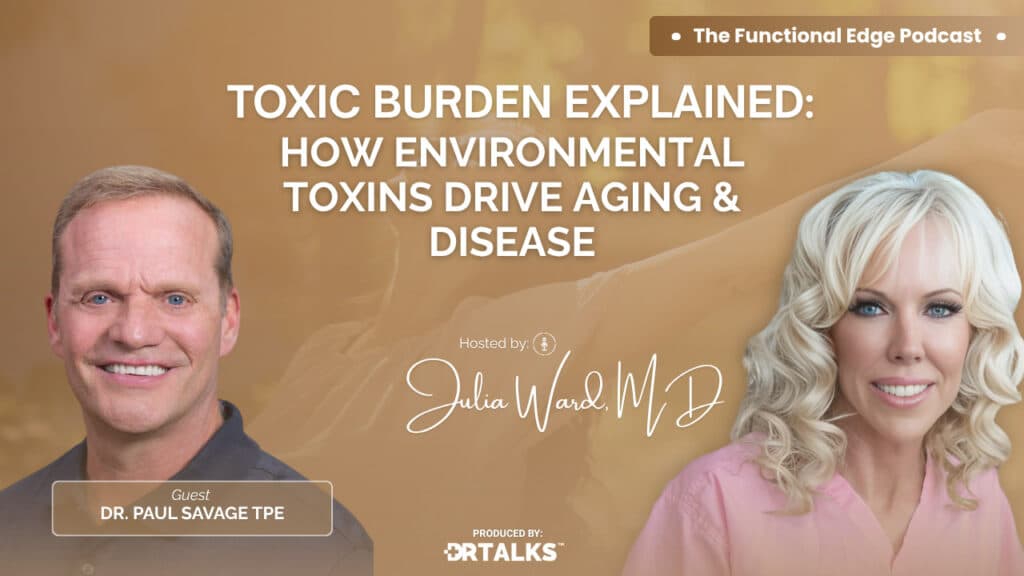
Environmental toxic load (toxic burden) is the cumulative amount of man‑made and natural toxins (toxicants and toxins) in and around us—chemicals not native to our biology—coming from industry, combustion, plastics, pesticides/herbicides, PFAS, heavy metals, and mold mycotoxins. These exposures enter via air, water, food and even in utero, and are increasing substantially (the Environmental Working Group noted ~100 million tons added in 2023 with estimates rising ~10–15%/year). Toxicants damage mitochondria, disrupt hormones and immunity, raise cancer and neurodevelopmental risks, and often act synergistically so combined effects can be far greater than individual exposures. Everyone carries a body burden; genetics and the capacity of detox pathways (liver, gut, kidney, skin, lymph) determine how well a person clears toxins—some people are born with a smaller “bucket.” Testing can document many exposures but removal is sometimes difficult (e.g., PFAS), so clinical approaches focus on reducing sources, supporting detox pathways, and targeted interventions (binders, improving nutrition, sleep, exercise, stress management) to lower the overall load.
For more information, refer to drtalks.com/videos/toxic-burden-explained-how-environmental-toxins-drive-aging-disease-2/?t=151.