Results for “Menopause”
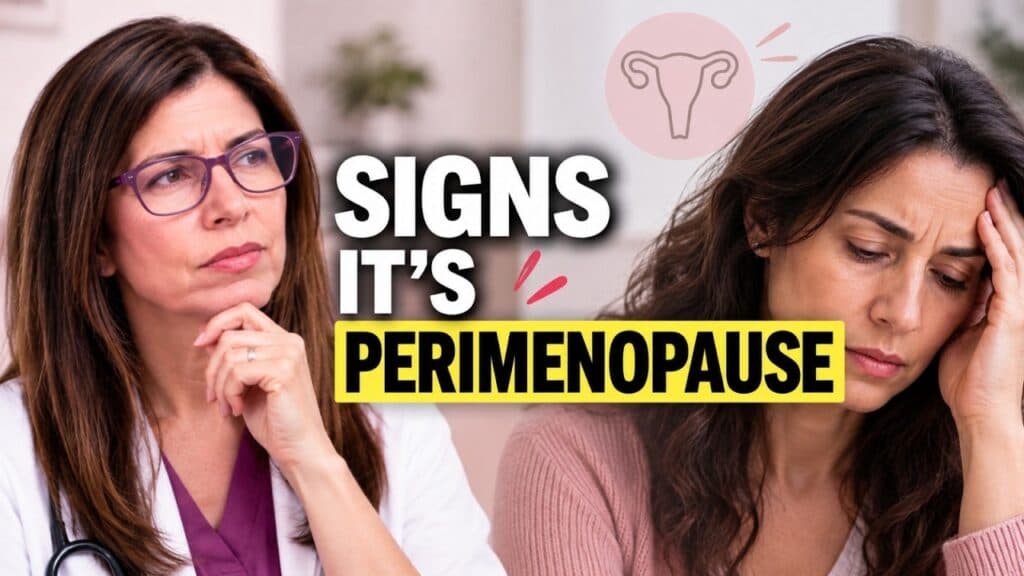
Menopause is defined as the point one year after your final menstrual period; it’s usually reached around age 51 but is preceded by a variable perimenopause transition that can begin up to about 10 years earlier. Early signs of the transition include menstrual irregularity (a >7‑day change in cycle length often marks entry) and by the late transition missing 60+ days of bleeding — at which point it’s about 95% likely the final period will occur within four years. Hormone-wise, ovarian production of estradiol and progesterone winds down (progesterone often falls first, causing anxiety and sleep problems), and later estrogen decline produces hot flashes, night sweats, vaginal dryness, and skin thinning. After menopause the ovaries stop producing significant hormones and remaining estrogens come largely from fat and the adrenals, so symptoms vary depending on adrenal reserve and body composition. Lifestyle measures that support heart, bone and gut health also help hormonal health, and bothersome symptoms can be discussed with a clinician to consider treatments such as hormone therapy.
For more information, refer to drtalks.com/videos/midlife-makeover-outsmart-menopausal-weight-gain-for-good-2/?t=630.