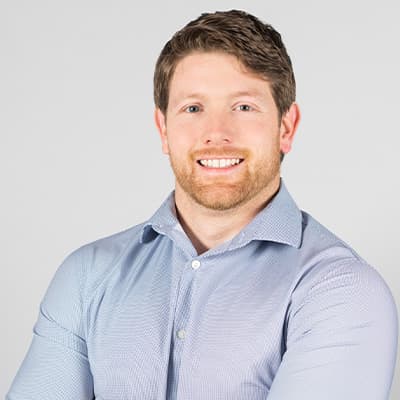
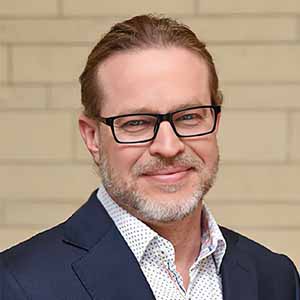
Full Transcript Introduction to Breast Implant Illness 0:00 What's happening at the tissue level on an implant now, according to this study, is more like organ rejection of a cadaver because your body's building 0:08 up antibody and it's also activating its B-cell response. 0:12 And that's what happens in organ rejections. 0:14 If you're overwhelmed with chronic health symptoms and still don't have answers, you are not alone. 0:19 I'm Dr. 0:19 Javan and on redefining wellness with Dr Javin, we'll be exploring root causes like Lyme disease, mold and parasites. 0:26 And I'll guide you with simple and practical steps towards real healing. 0:30 Hello, and welcome back to the redefine wellness podcast. 0:35 I am your host, Dr Javen Moore. 0:36 Today, I have Dr Rob Whitfield, who is one of the premier ex-plant surgeons, which we're going to get into what that is. 0:43 If you have any chronic conditions, anything that won't go away. 0:48 Anything where you just simply feel stuck. 0:52 and you've had honestly any kind of plastic surgery, you need to be listening today or if you know someone with breast implants, 0:59 today is where we're gonna get into the information. 1:02 He's gonna give us a lot of snippets because we've talked, I've listened to him present at conferences and he has the details, 1:08 the data and the research backing to make this useful and interesting so that you can actually get something out of it, not just go do surgery. 1:19 So thank you for joining me today, Doc. 1:22 Thanks for having me on. 1:22 I appreciate it. 1:24 Yeah. 1:24 So we're talking breast implant illness, which is something that honestly, a lot of people don't even believe in because how could it possibly be happening? 1:35 I want to start off with that. 1:37 What is breast and plant illness and why is it real? 1:40 Yeah, in 2019, I testified at the FDA hearings. 1:44 If people were concerned about it not being real, the F.D.A. 1:47 called a meeting about and asked for testimony about that specific topic. 1:51 So the way I look at it, where I define it is it's a chronic inflammatory process. 1:58 that a medical device in this place, a breast implant, is playing a role. 2:03 It is not the only thing. 2:04 As many of us who take care of patients with chronic illnesses find out, there's multiple things in their genetic history. 2:10 There's a multiple of things and their toxicity burden that they deal with throughout their life. 2:15 They accumulate over time. 2:16 You have gut health problems, they have sensitivities or triggers from their diet, and they hormonal disturbances for a number of reasons. 2:25 All those collectively go into making and informing what I see in front of me, which is usually a woman between 25 and 55 with tons of chronic inflammatory symptoms, 2:36 including brain fog, fatigue, shortness of breath, chest pain, muscle and joint pain. 2:41 Maybe chronic UTIs, gut problems, psoriasis, total body acne. 2:46 If you can come up with something, Jabin. 2:49 I've been told it as a symptom. 2:51 You know, I don't even remotely think I have all of it sorted out, but I can tell you when you listen to these poor patients tell, 2:59 you know what they're dealing with, and then they get told they have normal blood work and they are fine. 3:04 That is one of the more frustrating things. 3:07 And for the audience, this would all be sorted it out very simply if every woman who had this problem showed up to the ER with a red swollen breast. 3:20 Right? 3:20 Because it'd just be, that's infected. 3:23 But we know when I explant them, a third of them basically have bacterial contamination, which leads to a big interaction between the breast tissue. 3:31 It causes more oxidative stress in those tissues. 3:34 That leads more problems in the immune system, more activation, macrophages undergo polarization, and that leads into more symptoms. 3:42 So the long story, short story is there is a cause effect relationship with it and we're learning more and more all the time. 3:49 So I want to tell a story really quick for everybody that maybe this will make it hit home a little bit more. 3:54 I had a woman that came into my clinic and she was very, very health oriented. 4:00 She ate right, exercised, she slept right. 4:04 she controlled her stress, She did all the things right She had been on the journey of healing for 10 years. 4:11 Most recent diagnosis was headed down MS, but she had it under control. 4:15 She was really, really good for probably the last five years of time before she met me. 4:21 Very stable and good. 4:22 And I started working with her. 4:23 We saw a lot of progress for a while. 4:26 Then about a year into working We just hit a wall, just an absolute brick wall. 4:32 She could not move forward. 4:34 And things actually started worsening little by little, by a little. 4:37 I had no answer for it. 4:39 Nothing had changed. 4:39 Lab work didn't change. 4:40 Protocols were previously showing really effective. 4:46 And I just talked to her, I was like, you have breast implants? 4:48 I knew that she had breast and implants. 4:50 We had talked about that being a potential trigger, but I wasn't going to immediately jump out and say, Hey, have to remove those. 4:56 Let's see if we have progress first. 4:57 That's, that's where I started because I could tell she's like I want them and I identify, feel better with them in.
Why Breast Implant Illness Is Real 5:05 And. 5:05 I said, okay, we're not going start there. 5:07 So after this unfortunate flare up and it just stuck and wouldn't get better. 5:13 I said, Hey, that's probably something you need to get evaluated. 5:17 She got her breast implants out. 5:19 And within a few months, the flare was over. 5:21 The symptoms were progressing. 5:26 I mean, at that point, fortunately we were, we're blessed because she was fully confident that it was the right thing to do and we are moving forward. 5:32 And it's not always that black and white with they're out, I'm better. 5:36 A lot of times there's some work to. 5:37 Between there, but that's just one of those stories. 5:41 I've got so many of them with women that I worked with that for me anymore, it is not a, is this potentially a problem? 5:48 It's like, no, this is absolutely a problem for so many women, not a hundred percent of women with breast implants, but so of them. 5:55 And it's for the ones that seem to be okay now, it is still a burden on their body. 5:59 It still not good. 6:01 it just may not have broke you yet. 6:07 with BII just simply had some sort of you know red light that just switched on like yeah it's a problem now or a massively inflamed breast where it looks 6:18 infected people would take them seriously but instead it almost always every experience I've had I'm sure you've different ones that were maybe more visible 6:25 I have never had a woman tell me I can tell that this is the problem on this breast I could just visually see bruising and this and that. 6:35 None of them ever said that they're just like, they said internally, I just feel something's wrong. 6:42 Yeah. 6:43 And I don't want to make light of it. 6:47 It's very hard as a provider to understand the problem because it doesn't really fit your I mean, make a diagnosis based on these symptoms of like, 6:58 what are you supposed to do? 6:59 So I don't really listen to the patients to quote unquote make diagnosis. 7:04 I didn't tell anybody to have an explant surgery. 7:07 To your point, everybody's arrived at that conclusion by the time they get to Austin, Texas. 7:11 They've probably, you know, stalked me for many, many months to years, either on Instagram or YouTube or whatever and read the books we've written and 7:21 the shows we'd done. 7:23 It's a big decision. 7:24 They're all concerned. 7:25 Is it going to help? 7:26 And I think anytime you reduce your toxic burden, however, when a, you know, I, think you've highlighted like throughout life, 7:35 if you have a lot of things that build up over time and that creates, a difficult, situation and you add into it a device that we know causes inflammation. 7:47 I mean, it's silly to think it doesn't. 7:49 And the more evidence that mounts that certain individuals have far more problems with it than others, and that's typically what you're seeing and I'm seeing, 7:58 the people who are healthy and just running around doing fine, you don't see them. 8:03 Can I jump in here and ask? 8:05 You said there are certain people that have more problems. 8:08 Can you give any context to that? 8:10 Is there genetic types or body types, or personality types? 8:16 Yeah, for the genetics, we think very strongly, and we're getting this research evaluated now, that our patients, about 83% of them have mutations or single 8:27 nucleotide polymorphisms in the antioxidant pathways, the glucuronidation pathway, methylation pathway and the vitamin D metabolism pathways. 8:36 If you just add into that a problem with hormone metabolism where they have high amounts of estrone, that's kind of the perfect storm, 8:44 if you will, of a patient who's going to have this problem. 8:48 That's really, really interesting. 8:50 Honestly, you may have just came up with your next business and said, my brain's just running here. 8:54 I'm like, man, if you start a lab company that says before you go do this, Botox, filler, breast implants, You name it. 9:03 You should run this testing and make sure that you don't fall in this category because your likelihood of ending up a problem is X, 9:12 Y, Z. 9:12 I mean, that could be really helpful. 9:14 So, we do have that. 9:15 Yeah. 9:15 We do that it's called the Sharp Method and the wellness testing that you're talking about we have after... 9:21 So I'm really specific about the stack, Dr. 9:25 Moore. 9:26 From a supplement standpoint, I operate on patients with supplements. 9:29 You've probably heard like surgeons typically discontinue all supplementation two weeks prior to surgery. 9:34 That's still at the platelets. 9:37 and their function return to quote unquote normal. 9:40 And that's usually because everybody's concerned about high, high antioxidant levels. 9:45 So I don't do that. 9:48 I have a set of supplements that I'm very comfortable with in terms of balance that include antioxidants and we don't have problems with bleeding. 9:58 So we do the supplements starting from the time we first encounter and start working with them to help lower their inflammation to support the genetic 10:08 pathways we just discussed. 10:10 So we use a lot of liposomals because I'm sure just like your clients, I have a lots of clients with a of absorption and gut problems. 10:18 So, we used lipozomal formulations, a couple little powder formations with magnesium and amino acids and some proteins, things that are simpler for them 10:29 to deal with. 10:29 And then we get the test done and we're looking specifically, hang a of what I do based on toxicity burden through Vibrant Wellness right now. 10:39 They seemingly have, for me, the most information at one time that we can get, especially as it pertains to like mycotoxin burden. 10:48 And many of my patients have tons of micotoxins burden, I can tell you regionally, there's problems with obviously people in Florida. 10:57 They get sprayed with all sorts of stuff, herbicides and pesticides, probably due to the Everglades and all the things in the area.
Who Is Most at Risk 11:05 Plus they have high amounts of problems, with molds from floods and hurricanes and Where you grew up, maybe you grow up around agriculture. 11:17 So you're typically going to have a higher glyphosate burden. 11:20 If you group in a place with really bad groundwater, like I did, you are going have more arsenic in your system. 11:27 I think, honestly for the audience, You don't know any of this until you start checking these things. 11:33 And I don´t listen to patients to make a diagnosis, I listen here kind of how they detox. 11:38 Then I ask a lot of questions about where they grew where they traveled to, what kind of work they did. 11:45 Because those historical items, they'll tell you what's going on. 11:49 If you just listen to them long enough, They'll invariably tell, you their parasite exposure history, their mold exposure, 11:56 history lime, whatever the thing is that has not really fit into the box. 12:03 They will tell. 12:04 And many times they tell Like, I went to India, or I want to South America, to the Caribbean, and I got sick for multiple days. 12:13 And you ask them, well, did you get treated for traveler's diarrhea? 12:17 Did you you'll get any kind of treatment for that? 12:19 The number one cause of liver abscesses in Africa is still intramuscular. 12:25 So, you can very easily get a parasite and have a liver abcess in that part of the world. 12:29 It's well documented. 12:31 Like malaria is a parasite, like all these things, if you just think about them and maybe just ask a few more questions, 12:39 it won't be as hard for you to understand them as a provider. 12:44 You know, health history is one of the very first things you ever learn as is one of the first things I most forget as a doc, 12:52 because we get into what we're doing. 12:56 We feel like the paperwork or whatever is enough. 13:01 And I know as, a guy still in practice that sees complex chronic illness every single day, I re-ask what my paperwork says to the point where I've actually 13:11 had a few people give me a little bit of a complaint. 13:12 Like, why are you re asking this question to my staff? 13:15 And, 98% of the time, when I go back through your history, I get more than what you put into our documentation. 13:24 And I also just want to understand and hear your context because it helps me to understanding who you are. 13:28 I mean, one of things that I run into all the times, genetically speaking, like what talked about with getting breast implants, 13:36 if you're MTHFR, it's well known that you may not have the ability to absorb B12, a more common genetic marker. 13:44 Without B12, you have a higher likelihood of having anxiety and OCD, which makes you a little bit more of that perfectionistic A type, 13:54 more anxious warrior type person, Which then dysregulates your nervous system, complex chronic illness pathway, which also, 14:05 if you have breast implants, is going to make you a higher likely candidate of having BII. 14:10 So for me, just listening to someone explain their history and to what level of detail helps me understand who they are, 14:18 Which then helps be put together where we need to go. 14:20 I can't agree more that just, listening is a key point. 14:25 Yeah, absolutely. 14:26 That's a must of time. 14:28 And I feel rushed too, like by the time they get there, they're super like wound up, right? 14:34 So like coming to meet me or you, there like in-person now and they've been told all these things, most of which have not helped them and made them feel 14:45 worse either in general or specifically about this problem because it's not being taken serious basically. 14:52 Yeah. 14:53 So I'm going to take us back a moment into some of the things that you said, because it's been really interesting listening to you and you are presenting 14:59 on stage to teaching all of us doctors and. 15:02 You've talked about some studies you've done on bacteria associated to plastic surgery, breast implants, and you're finding that that's one of the causations 15:12 that is triggering BII. 15:13 What have you found there? 15:15 Yeah, in 2016, I had my first case of this particular problem where I just explanted somebody and what came back was an E. 15:24 coli infection. 15:26 Pre-op, we had no idea they had any problems because all the labs, white blood cell count was normal, they have no changes on their examination. 15:34 And this was a cancer patient who just wanted their breast reconstruction removed and an aesthetic flat closure. 15:42 So I did all that. 15:44 And when we reviewed everything, now for me listening to get an E. 15:48 coli infection from a hospital specimen, it has to be meet certain criteria, which is greater than 10 to the 6 per high power field under a microscope. 16:00 And then they get a sensitivity pattern. 16:02 To boot means that person had basically got bacteremic, a blood-borne type situation. 16:09 It attached to the device typically. 16:11 Now when we're older, things with our bowel and bladder are the most common reasons. 16:16 Like an E. 16:17 coli infection is typically going to be like bladder. 16:21 So not always, but typically And so I try to explain to patients, the reason something like that happens is because our body has this elegant surveillance system. 16:35 But a device, hypni-breast dental cardiac implant, neurologic implant is not you. 16:44 Once again, right, it's not you. 16:47 Can't be recognized as self. 16:49 So it can attach, the bacteria can attached to it and the device can't do anything about the bacterium. 16:56 Your body also cannot do any thing about bacteria.
Bacteria, Biofilm, and Immune Activation 17:01 Those things set up an environment for you to build, you know, colonies or biofilms of bacteria, and then that is what interacts with your tissues. 17:12 Now, I think also, Dr. 17:14 Moore, it's important to understand that the scar tissue, which is big collagen sac that forms around any implant, hip, knee, 17:21 breast, dental, whatever, is not impervious. 17:25 I thinks everybody's impression is this thing is impervius and it is It allows for interaction between the bacteria on the device and your tissue. 17:35 It does not block the signaling. 17:37 So think of like a screen door. 17:38 You can look through it. 17:40 So it can interact. 17:42 And I think that's probably one of the things that is not understood well enough. 17:46 What's that interaction cause? 17:49 So we know 29% of specimens that I've ex-planted, we published a big series in 2024, 694 consecutive specimens. 17:57 29 percent have predominantly two bacterial species, staph epidermidis, which is on everybody's skin. 18:04 And then cutobacterium acnes, that's found on your face, neck, chest, shoulders. 18:09 Just like it sounds, it's more found in acne. 18:11 Those readily produce biofilm, so they aggregate in colonies and it makes it harder for your body to get rid of. 18:18 Now that interaction between the tissue and the bacteria is what leads to more and more symptoms. 18:25 Now, a step further than that now is a paper was published in Denmark last summer that showed that patients who are having more scarring, 18:35 like firmness, thickness, tightness like capture contractures, the term that you used, that term and system were created in the mid-70s by Dr. 18:46 Baker. 18:47 And that's been used. 18:48 It's a very subjective system. 18:50 Recently, this paper showed at the level of the tissue, Instead of what I look at, which is DNA of bacteria, fungus, and mycobacterium that could be on 19:01 the device, they're looking at levels of RNA to find what proteins are being made at the tissue level, because DNA could dead or alive, 19:10 but RNA is obviously making protein. 19:14 So they found higher levels RNA. 19:17 of different cell types. 19:19 Now it's interesting because the plasma cells, the B cells and the T cells were all elevated. 19:26 Traditional thinking is it is just T-cells, like a foreign body reaction. 19:33 I'll make this as simple as possible. 19:35 The first kidney transplant was done between Siamese twins in the 60s by Dr. 19:40 Joseph Marie. 19:41 required no immunosuppression because they have the same genetic code. 19:47 They're identical twins. 19:49 Everything after that requires immuno suppression or something to block the immune response. 19:55 So even a non-identical twin needs immunospression and then you get to cadaver. 20:03 So all of that means is what's happening at the tissue level on an implant now, according to this study, is more like organ rejection of a cadaver organ. 20:15 Because your body's building up antibody and it's also activating its B-cell response. 20:20 And that's what happens in organ reduction, which makes sense, right? 20:25 We have a whole group of patients who have more symptoms. 20:29 So those symptoms coupled to bad genetic pathways or what's happening at the tissue level, the immune system activation is higher in those patients. 20:39 That's why I will always advocate for complete cap selectomy in every single case because I don't want to leave any of that behind. 20:49 I think of it as any debris that comes off the shell of an implant can act as a stimulus to the immune system because your T cell receptors will find it foreign. 20:59 They'll respond. 21:01 So if you were to just unzip the old incision underneath the breast, take the implant out, leave the capsule in, that debris, 21:10 whether it's ruptured or not, is still there from the show interacting at the tissue level. 21:17 You'll have patients who have implant removal without capsulectomy still have the same symptoms they had before. 21:27 And why are people leaving a capsule in there? 21:29 Why is there a controversy about that? 21:31 We've talked in the past about it and you've mentioned different reasons why, but for the audience to understand as a surgeon, 21:41 why they are leaving that in their? 21:44 So those, I think it's multifactorial. 21:48 They're under the impression that what I just said to you doesn't happen. 21:52 they think It's fine. 21:54 I Think if you just use logic, that argument fails. 21:57 So I don't consider that really an argument, right? 22:00 We already know that basically a third have bacterial contamination. 22:04 so if we just take out an implant and leave the bacterial contaminations, what are you doing? 22:08 You're not helping. 22:10 The other is say someone has a ruptured silicone device and under local, which has recently been sent to me, a patient who just had the rupture silicone 22:21 removed and the capsule left in. 22:23 How easy do you think it is to remove rupertured silicon in an awake patient? 22:31 I have no idea if it can be easy. 22:33 No, no, and it's never going to be appropriate in my mind. 22:38 It's both inappropriate and not an ethical treatment of the patient. 22:43 And the final and more irritating thing to me is a, I feel like it, it I don't know the best way to describe it. 22:51 So if I. 22:52 Don't do something anymore, say I, don' do no surgery anymore. 22:56 I used to, but I know when someone calls the office and says they want a rhinoplasty. 23:03 I don't see them and say, oh yeah, I'll do your rhinoplasty. 23:08 Right. 23:08 I just say my office knows I didn't do them anymore. 23:11 So if in fact you tell the patient that it's not safe to do a capsulectomy, that's a lie. 23:18 It's very safe. 23:19 All right. 23:22 They tell patients that you get lung injury, pneumothorax. 23:27 In I think 2000 cases, we have less than nine or something. 23:36 Once again, you're not injuring the lung. 23:37 Pneumothorax, as you enter the space where the long is, your not hitting the lungs. 23:42 You create a positive pressure and a negative pressure environment and the one goes down. 23:46 All you do is remove the air and then close and it's fine. 23:50 The patient's is fine, right? 23:52 So that's fear mongering. 23:53 It's not a safety issue. 23:56 You can say you don't feel comfortable as a surgeon doing that because of a training issue or repetition issue. 24:03 That's fine. 24:05 But you shouldn't scare a patient and say it's unsafe. 24:09 Right? 24:11 That is bordering on, once again, just being unethical. 24:19 There's no safety issue with it. 24:21 I used to reconstruct people's chest wall over the lung for the cancer surgeons all the time. 24:27 What are we talking about? 24:28 We're talking the scar tissue and taking it off of the rib cage. 24:32 This is not hard surgery. 24:35 Hard surgery is reconstructing the chest wall in a cancer case or reconstruct someone's jaw or making a microvascular breast reconstruction. 24:43 That's hard. 24:44 Like taking scar tissues out of people and reattaching muscle and doing some fat simultaneously like I like to do to help the patients. 24:53 Yeah, there's steps involved and repetition is important, but it's not super technical surgery like I used to do for microsurgery for cancer reconstruction
Why Complete Capsulectomy Matters 25:01 that would take all day. 25:03 And the patient had to have that surgery so they could eat or walk or so that they wouldn't be completely flat from a cancer operation. 25:11 Those are difficult operations and they're hard on patients. 25:15 You have to be technically experienced and skilled to those. 25:20 You talk about these things, not being that hard. 25:22 And for the rest of us out here listening, we're going, man, wow, okay. 25:26 There's a lot going on, but that's why you're the expert. 25:28 That's, why are you one of the premier guys doing breast implants? 25:32 That is why, you have strong opinions because you've done thousands of them. 25:36 Yeah. 25:37 I want to touch back into some of, the topic that you were saying, because I'm over here typing. 25:42 Just because, I am interested. 25:44 It makes great educational purposes for my clients. 25:48 And you said there's 29% of breast implants that you removed had two bacteria. 25:53 You said that there is a breast implant activation of the immune system, just like organ rejection that are two of the things that you're really finding 26:04 in there. 26:04 And it's being caused by basically the body identifying this breast implant as being foreign object, foreign to the buddy, 26:13 not of itself. 26:14 So it trying to defend itself in some way or fight the bacteria. 26:18 It's an immune modulated issue. 26:20 As I was listening to you, I'm just thinking to myself, Not that I would ever recommend this, but if we're having a reaction like an organ rejection situation, 26:30 Have they tried doing? 26:32 I know what you're going to say. 26:33 I don't know. 26:37 Yes. 26:37 So my tell is always just like, you are going say, have they put them on an immunosuppressive or a steroid? 26:46 So the best thing for me, Dr. 26:48 Morris, when the patient comes into the clinic and I go through their history and they're telling me they've seen the rheumatologist, 26:54 the dermatologist all the people, I wait till the end. 27:00 And I say, hey, did any of them give you a little blister pack of steroids ever? 27:06 Did you try that? 27:08 Yeah, yeah, and they tell a story and I take them back just like you took me back and say did you feel better when you started the steroids? 27:17 Do your symptoms go down, go away? 27:19 What do you think they all say? 27:21 Probably yes, because those things seem to make everything better. 27:25 So that's your tell right there. 27:27 So basically, you know, then part of the argument is if it's having that level of activation, like we said, of organ rejection, 27:39 how do organs not get rejected? 27:41 You have to be on. 27:43 immunosuppressive medications predominantly in the old days, because I'm old now, steroid was a big part of that, prednisone, 27:50 big of part that. 27:51 So every time someone tells me that in my head, I just think, well, they're going to be the group of patients who when I do this surgery right away, 28:02 that are going start feeling better. 28:05 Because they've already shown you by treatment what's going happen. 28:12 And it's like, I just, in my head I'm thinking like okay, this is going to be one of the cases that we do that right away the person is doing to start 28:24 feeling better. 28:24 Cause you don't know, right? 28:25 You have your client and you told them like I am concerned about this problem with implants. 28:31 I don' know if this going solve everything, but we're kind of at an impasse here. 28:38 So I don't ever go online and say, Dr. 28:40 Moore, hey, I want you all to give your patients a trial of steroids. 28:43 And if they all get better, i want to think about speaking with them about surgery or refer them to someone like me who can then talk to them intelligently 28:54 about it. 28:55 Now, there'll be a lot of people who don' t share that opinion. 28:58 I dn't really care. 29:00 Because if you just think abou what I just said and put together everything else we've been talking about, it makes sense. 29:08 You have immune system activation, so much so that the only thing that helps them is a tiny bit of steroid. 29:16 You want to make the whole problem go away? 29:17 Why don't you do what they do in organ transplantation? 29:21 A gram of steroids. 29:24 a big immunosuppressant medication, then everybody can be happy, right? 29:28 But then you're going to get other problems. 29:30 That's what I was saying earlier. 29:32 I wouldn't really want to recommend somebody going on an immune suppressant drug because the side effects are nasty. 29:37 Part of the reason is I trained a very specific way and for four months of my first year of surgical training was on transplantation. 29:49 That made, it was like doing an internal medicine residency in four months because all of those people had every single problem known to medicine and they 30:00 were taking polypharmacy. 30:04 So I'm the surgery resident. 30:07 And if one of the transplant patients came in with shortness of breath, you had to go the ER quickly. 30:14 You had the, and it was a tiny little university ER. 30:18 And before you knew it, Dr. 30:21 Moore, those patients would need to be intubated because they have no reserve. 30:27 Shortness of breath in a transplant patient is MI or pneumonia and you're going to have to intobate them. 30:34 or get them upstairs really quickly to the unit because you have someone on all these immunosuppressive medicines. 30:40 You can't trust the white count. 30:42 All it's going to happen is the person's gonna crump right in front of you and need to be intubated rapidly. 30:49 And that would happen all the time. 30:51 And just to give some translation for medical talk, MI is heart attack or myocardial infarction. 30:57 So as you throw that out there, I'm like, the average person may not know that one.
Recovery, Support, and Fat Transfer 31:02 Yeah, heart attacks, strokes, pneumonias, like all this stuff, but on top of it, taking all these drugs to block the response that will tell you they're 31:13 having that problem. 31:15 And that is always the hard part. 31:16 People come in and they're like, no, DACA, I'm good on this category. 31:19 I am good in that category, good with blood sugar. 31:21 Well, what are you on? 31:22 Well I on a GLP-1 and I also on, this, that, and that. 31:27 And I said, No, bloodsugar, you're not good. 31:31 You're medicated. 31:32 you are under control, but you aren't good Which makes everything different when people come in and their neutrophils, which is a white blood cell, 31:42 sky high, I'm like, no steroids? 31:45 Taking antibiotics? 31:46 No, No. 31:46 Okay. 31:47 Well then maybe we have a bacterial infection. 31:49 You know, like going down the rabbit hole of like could it be this? 31:52 Could it that? 31:53 and that's what you have to do with everything. 31:55 And that why BII, breast implant illness, is such a important topic because it's not everyone's problem, but it sure the heck is a big ass problem for 32:07 a large portion of people that have had breast implants. 32:10 I just love the details that you're giving here with reasonings why supplements that can be taken, not that your recommending it to each person because 32:17 you got to evaluate them individually, there's a lot of Let's call it misinformation out there about what can and cannot be done with surgery, 32:27 surgeons, breast implants. 32:28 And it's good to be clarifying with somebody that. 32:31 Well, literally you have your hands in that topic every single day as what you do. 32:40 There's no, well, I did that 30 years ago and now I'll talk about it or theoretically it could be it. 32:47 You're in it all day, which is why I wanted to talk with you. 32:49 So then. 32:50 What else comes to mind for you when you're talking about breast implant illness? 32:56 We've gone through kind of the type of people a little bit, the symptoms that cause it. 33:02 We talked about the internal causations of it, and then you talked a bit about, you know, just some ins and outs of what you need to have done if you are 33:12 deciding to do this procedure. 33:13 What do people need know? 33:15 Well, I think, you know, this is a difficult situation, right? 33:19 So maybe they've come to this conclusion with your help, your guidance, other providers have kind of nudged them along. 33:26 And maybe there at that point where they're like, okay, i'm willing to consider this and do this. 33:31 But then it becomes like a whole logistical nightmare, for you to come Austin, Texas and spend a week, which is what I require. 33:39 It takes a lot of commitment, you know, from resources, time away from family work, et cetera. 33:45 And I have a tremendous clinic and tremendous staff, as you, know here, we have human regenerator, a vertical hyperbaric chamber, 33:54 filopressa for lymphatic massage from New Zealand, coupled with nano V therapy and a six foot tall red light. 33:59 We have all the things, right? 34:02 So a lotta people are offering the surgery now, Dr. 34:05 Moore. 34:07 which is great because people have more access and that's all that should be happening. 34:13 They just need to do it the right way and ethically and help the patients get to in and out of the OR effectively, right? 34:19 Now, where I find it falling short is the programming around it. 34:25 Like you have programming to help with chronic illness. 34:27 We have program programming help of chronic illnesses and the Sharp Method, the book I wrote about it was to make it less cryptic for surgeons. 34:36 So the only reason you don't know about is you're choosing not to try to know or not trying to understand about it, or still like we talked about earlier, 34:46 denying that it exists. 34:48 So for patients, they just need support. 34:50 And we created a group program that's remote that helps with this specific component, because I don't want women to have surgery and then not get supported 35:01 the correct way that we've found that's, you know, from a psychosocial, emotional and physical standpoint, important to their recovery. 35:09 So we have a group of providers that actually have explanted with me who are functional medicine providers, and they are the people who run the program 35:18 for me now. 35:19 I used to do it solo a long time ago, but obviously you and I both know that it's not something that is sustainable. 35:27 They run the program, and they do group, they go through the testing, or they help patients really get to the other side, 35:35 as you would imagine. 35:36 There's a lot of gut trouble in this group. 35:38 I'm sure you've already seen that. 35:40 It is by far the thing that takes the longest to sort out, whether it's underlying parasite, mold, whatever the sebo, whenever the things is. 35:49 And they work diligently with the patients over the years. 35:53 So if you explain with someone else, you can still run our programming. 35:58 That's good, that's really good to know because exactly what you're saying is just a surgery for my clients, not even just this surgery, 36:07 but any surgery. 36:09 Anytime you go to the doctor and get an antibiotic, a Z-Pak. 36:12 there's some things I want to do with you afterward because we want it to recover your body to its maximum ability. 36:18 You just went through some stress, some trauma, and some difficulties. 36:21 So it's not ever just surgery. 36:24 There's always so much more to it, right? 36:28 It's just you got cut and sewn up and then you're all good. 36:31 And there is a process if you want that to actually work out correctly. 36:35 I'm glad you are doing that because That makes it more easy for me because when I am telling people like, hey, yeah, you're doing this, 36:42 that, and the other, but you've got to actually know how your body's responding to it. 36:47 So Doc, in the end, You're obviously the expert. 36:50 You have proven that today. 36:52 How do people get more information from you so that they can educate themselves or educate their family, their friends about this topic? 37:01 Yeah, I want to share one more thing and then I'll share how to get a hold of me. 37:04 So I think the future of this Dr. 37:06 Moore is explant surgery combined with fat transfer in a holistic transformation with their own genetically identical tissue. 37:17 That to me offsets what everybody's big concern is. 37:20 What is the visual change going to be? 37:22 I've looked this way for a long period of time. 37:24 I'm very afraid to go back and look a certain way. 37:27 That's why I got this done. 37:29 And so I do that transformation with fat. 37:32 It's also something Dr. 37:35 Moore oddly enough that a lot of people don't think is right to do as a plastic surgeon. 37:47 And the difference is the butt has the gluteus maximus and a big fatty layer and more real estate. 37:53 The face, you want to put the fat close to the facial skeleton, the bones, not superficial because it'd be too visible. 38:00 And small amounts go a long way in the face. 38:02 But in their chest area, we have this black box, right? 38:06 So men and women both have breast tissue, so there's no confusion there. 38:10 Now, The fat goes with its fatty friends is what I like to say. 38:14 You put The Fat where the Fat belongs and that's Okay, that makes sense, right? 38:19 It's with its friends. 38:21 Genetically identical tissue in the right space at the time in their right amount will help all of this be easier for the patients. 38:29 And you can learn more about this on our website. 38:32 We have put together a brand new website with the most information about breast implant illness, diagnosis, treatment, recovery, 38:39 and breast implants associated cancers in Perfect. 38:47 Well, Doc, you are the expert. 38:51 I appreciate your time. 38:52 You probably need to get back to doing what you do all day, every day. 38:55 So thank you so much. 38:57 And until next time, hopefully I'll see you soon. 38:59 All right, thanks. 39:00 Thank you for tuning in to Redefining Wellness with Dr. 39:02 Javin. 39:03 If this episode spoke to you, please follow and share this podcast with someone who is ready to take control of their chronic health symptoms. 39:11 Also, Please consider leaving a review. 39:12 It helps more people find the show. 39:15 See you here again.
Comments