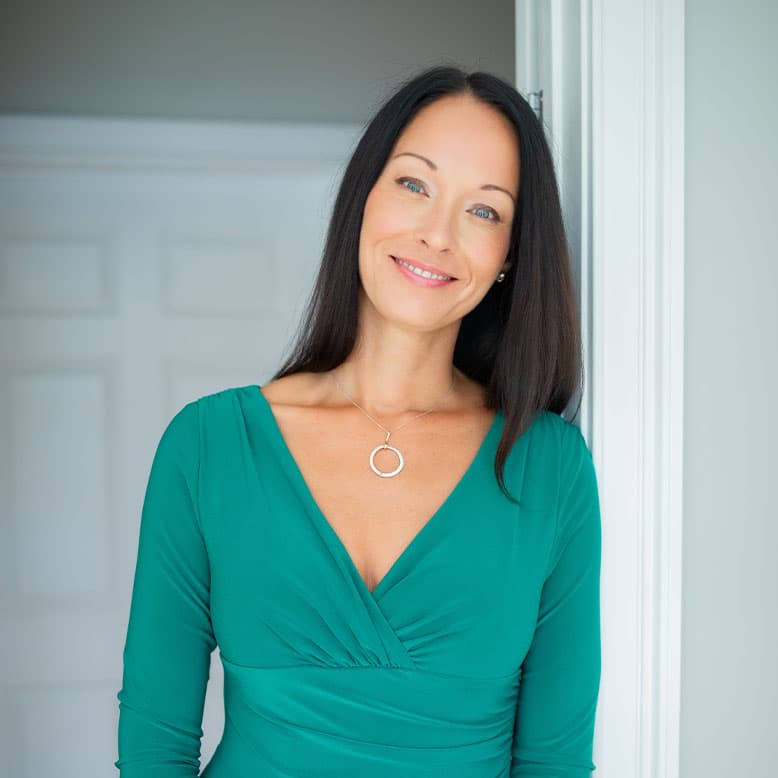
Full Transcript Introduction to Lab Standards and Guest Background 0:00 Hi and welcome to another episode of the Healing Lyme Summit. 0:02 I'm your host, Doctor Myriah Hinchey, 0:04 and today we're going to be discussing what is going on behind the lab door. 0:09 So we're going to talk about the global standards driving diagnostic accuracy 0:13 when it comes to mine and other vector borne disease testing. 0:18 Here with us today to navigate 0:20 through this pretty tough topic is Doctor Leona Gilbert. 0:24 So Doctor Gilbert is a docent of cell 0:26 and molecular biology and the CEO of Tested Oil. 0:30 This university spinoff company aims to get patients tested 0:34 so that they can be treated and recover quicker. 0:38 She has her doctorate in biotechnology and a vast 0:41 experience in bio innovation and bio business. 0:44 In addition, Doctor Gilbert's several peer reviewed publications 0:49 also demonstrate a thorough investigation of how a common virus 0:54 or bacterium can contribute to an autoimmune disease. 0:58 Doctor Gilbert's research initiatives into complete diagnostic platforms 1:03 and clinical profiling of patients for tick borne and autoimmune diseases 1:08 will allow a better understanding of how chronic conditions can be 1:11 established with infectious pathogens as potential underlying causes. 1:17 Welcome, Doctor Gilbert, thank you so much for joining us. 1:21 Well, thank you for having me. Absolutely. 1:24 So tell our listeners a little bit more like how did you get involved in this? 1:28 How did how did this become your career? 1:31 Well, I actually did a postdoctoral fellowship 1:34 at Penn State University College of Medicine under a doctors 1:38 Stanley Needles in their rheumatology department. 1:41 And we noticed that actually the test kits that they were using first up to Cox 1:45 pyogenes actually 1:46 was failing the patients because that bacteria was changing shape. 1:51 And so when I left my postdoctoral fellow and came back to Finland 1:55 to start my own group, 1:56 I had the opportunity and funding from an American philanthropist 2:00 to actually investigate Borrelia and how it changes form. 2:04 And then that really led the research 2:07 into noticing that the test kits, okay, 2:10 that was being used for Lyme disease, actually aren't recognizing that form. 2:15 So in my research group with my PhD students and my research team, 2:19 we really showed that there's a chronic form of Aurelia. 2:23 It's not being used in test kits. 2:25 And therefore therefore we should do better for the patients. 2:29 And and that's what's kind of started me on this kind of idea that 2:33 we need to do better for the patients, because the test kits were failing 2:36 the patients. 2:38 And I would have to say, out of all of the bacteria out there, 2:41 Borrelia has to be one of the most fascinating to study 2:45 because of the way that it changes throughout, you know, its life cycle. 2:49 And, you know, you have multiple different forms of it in the body at one time. 2:55 Yeah, I agree with you. 2:56 And also it's a low abundance bacteria. 2:59 Then we keep forgetting that it is like you only need a few copies of this 3:03 to cause havoc on the system. 3:04 And compared to like with streptococcus pathogens, it's it's highly abundant 3:09 in the system and you can really detect it directly. 3:12 But really as low abundance it's clear the bloodstream so quick. 3:16 You know, it finds its niche causes have it cause problems and long term problems. 3:21 And no doubt it's difficult to, you know, detect it and to treat it 3:25 because these test kits are failing and it's a low abundance, 3:29 low abundance and very, very slow growing. 3:31 Yes, exactly. Exactly. 3:34 Yeah. Okay. 3:36 So for our listeners at home today, we're going to be talking about the 3:40 International Organization of Standards for quality when it comes to testing. 3:46 So this is a little bit different 3:47 than our other testing talks that we've had where we've talked about, 3:51 you know, direct and indirect and how to read these tests. 3:54 So we're actually going to be talking more about like 3:57 the regulatory side of testing. 4:01 So Doctor Gilbert, let's start by talking about 4:04 ISO and really how these various international organizations
How Borrelia Research Led to Better Testing 4:09 apply to you know, most of our listeners are here in the United States 4:14 and then break down cap and clear 4:18 and FDA cleared versus FDA approved. 4:21 Let's just spend a few minutes, kind of like navigating 4:24 through all of this language when it comes to, you know, these various 4:29 clearings or approvals or certifications that all of these labs carry. 4:35 Okay. 4:36 So I will start globally speaking. 4:38 So the International Organization for standardization, 4:42 these ISO standards are harmonized standards okay. 4:46 That's countries all over the world can adhere to, conform to 4:50 and should be accepted okay by other countries. 4:54 And henceforth ISO okay. 4:56 And the two ISO standards that we use for testing are the ISO okay. 5:01 Let's say 1345, which is for medical devices. 5:05 So medical devices that are being manufactured in whatever country, okay. 5:10 If they are accredited by this ISO standard, 5:13 they can actually demonstrate that their medical device is validated 5:19 both analytically, clinically demonstrates clinical utility. 5:24 Has a risk assessment 5:26 follows that really great quality management system in its production okay. 5:30 And also making sure that it is in real time 5:33 always being validated and performing as it should for the patient. 5:39 So safety efficacy. So how efficient it is. 5:42 So the whole robustness of that test kit how it's performing. 5:46 So we should not see high amounts or percentages 5:50 of false positives or false negatives because under this ISO 1345 5:55 those characteristics should be minimal in this standard. 5:58 And those people hearing to this ISO 13 485 for manufacturing that medical device, 6:04 which these diagnostic kits are then covered under this ISO standard. 6:08 They are audited every year to maintain this quality, okay. 6:13 To maintain this quality management system. 6:15 Very and and to really demonstrates 6:18 the validation analytically, clinically and clinical utility. 6:22 Then the other side 6:23 to the clinical laboratories that are performing test kits. 6:27 Okay. 6:27 There's another ISO called the ISO 15189. 6:31 And this is really for medical laboratories 6:33 to make sure that they are conforming with the quality standards in performing 6:39 the test kits, maintaining the test, the test results, okay. 6:42 And even sample preparations from the day 6:45 one that their sample comes in, how it's treated and how it's used, 6:48 and how the reporting is for the patient or for the clinician. 6:52 So we have the medical lab clinical lab under night. 6:55 So and we have the test kit being manufactured on an ISO. 6:58 Those two ISOs come together. 7:00 Verify the consistent and accurate line testing that can be done globally. 7:06 Globally O cap is stands for College of American pathology. 7:10 They verify okay and accredited laboratories okay. 7:14 Clinical laboratories under the ISO 15189 okay. 7:19 So Cap accredited under ISO one 15189. 7:23 So if you are if you are adhering to this ISO, 7:26 in a sense there is equivalence to what Cap will accept 7:30 this body that regulates the performance of clinical laboratory. 7:35 Okay. 7:36 And and when I say performance of the clinical laboratories, 7:40 it actually demonstrates equality in the efficiency 7:44 and the quality of performance amongst all the Cap accredited laboratories. 7:50 And that really boils down to this ISO 158189. 7:54 So in a sense, if a lab in Germany is Cap accredited, 7:59 they will have the same quality robustness equivalent 8:02 as a Cap accredited laboratory in the United States. 8:06 Okay. 8:07 And one level more then if those two cap caps, 8:11 accredited laboratories use the same test kit that is manufactured 8:15 under the other ISO, the 13485 for the medical device, then 8:20 their test results should be equivalent and they should accept those test results. 8:25 This means fundamentally that if a test result that is using using, 8:31 a validated test like one manufactured under 1345 8:36 and in a cap approved, okay accredited laboratory in Germany, 8:41 if it's it should be accepted in the United States under the Cap accreditation. 8:46 And I'm only using those two as an example. 8:49 But there are many countries adhering to some agreements like this international 8:55 laboratory accreditation cooperation, mutual recognition arrangement. 9:00 It's an agreement. 9:01 So I know it's a tongue tying here, but it's think it's an agreement 9:04 that has many, many accreditation bodies from different countries 9:09 signing to the equivalence of the standards. 9:12 Okay. 9:13 So they will they should legally accept test 9:15 results from other accredited laboratories. 9:19 And there's, a few of these agreements out there. 9:22 And United States does sign to some of these agreements. 9:26 And that really means, really that test results 9:30 coming out of an accredited lab in Germany 9:33 should be accepted in these countries that have signed these agreements. 9:37 But that's not 9:38 what's happening with our Lyme disease patients. 9:41 Okay. 9:42 And I constantly hear 9:45 these are false positives. 9:47 It was performed in an uncredited lab or the test is invalidated. 9:53 Well, actually, those are common, wrong and misleading narratives
ISO Standards, CAP, and CLIA Explained 9:57 that I constantly here because in order for a test kit that is manufactured 10:02 under 1345 to get that stamp of approval, okay, to be accepted 10:07 internationally and also legally to sell it, 10:11 okay, the test has to be validated, has to be analytically. 10:15 So the performance has to be validated. 10:18 And then the clinical validation. 10:20 So it has to be clinically relevant. 10:22 It has to show clinically that it does properly diagnose for Lyme disease. 10:27 And and so it's validated. 10:29 Yes. At the manufacturer's level. 10:32 But under the other ISO the 15189, 10:35 that lab is legally obligated 10:38 legally obligated to independently validate 10:42 that test kit in their own lab and in order to maintain those ISOs. 10:47 And also because, after date, FDA requires 10:50 that only validated test kits come into those labs. 10:53 But Cap demands cap demands based on the ISO 1589 10:58 that these test kits be independently validated, 11:02 be before they're being used under that accredited lab. 11:06 So it's easy for people 11:09 to disregard false, you know, our test results okay. 11:13 Because just by saying it. 11:14 But they but they shouldn't because legally speaking a test kit cannot be sold 11:18 okay under these accredited labs if they're not independently 11:21 or analytically or clinically validated. 11:24 Okay. 11:25 So that means that by just 11:28 a clinician disregarding test results and saying, well, that's a false positive. 11:31 That's actually a legally an inaccurate statement. 11:35 Okay. 11:35 According to these standards and legally selling these test kits, okay. 11:40 In the countries 11:41 now we we talked I know I'm talking a little bit longer than the two minutes. 11:45 But to get back to the FDA approved an FDA cleared test. 11:49 So FDA cleared test actually refers to equivalence. 11:53 So one test is equivalent in its performance 11:56 than the other test kit that is is cleared. 11:59 Being approved means that a new test kit that doesn't have a predicate 12:04 or doesn't have a comparison test kit comes into the market, 12:07 and it has to go and undergo more assessment 12:10 because there is no comparative test out there to compare it with. 12:14 But cleared means it's just performing the same as all the other tests. 12:18 Okay, that's out in the market, right? Yeah. 12:21 And then what about clear. Yeah. So clear. 12:24 So this is the clinical laboratory improvement amendments okay. 12:28 That's what it stands for. 12:29 It is it is another a lower level 12:32 than Cap accrediting body for clinical laboratories. 12:36 They do not verify to ISO 158189. 12:40 They don't unfortunately. 12:41 Okay. 12:42 So there is not a demand as stringent as Cap okay. 12:46 Like as stringent as ISO 15189. 12:49 And and so like for example, some people will say 12:52 that Clea doesn't demand this clinical validation okay. 12:55 That may be so. 12:56 That may be so but it is it allows kind of like in-house 13:00 test kits to be used in house test kits okay. 13:04 So which means that that clinical lab could develop their own test kit, 13:09 own test kit and use it in-house under their own roof. 13:13 Okay. 13:14 And and in order for them minimum standard that they need to be accredited. 13:18 Is this clear standards. 13:20 So they should demonstrate that that test kit is is analytically validated 13:25 okay in its robustness, in its accuracy, and is precision in its sensitivity 13:30 and specificity. 13:30 These are all words to describe the performance of the test kit. 13:34 It doesn't have that demand of clinical utility. 13:38 Okay. As the ISO 15189. 13:41 So there's a clear 13:42 distinction between Cap accreditation and clear accreditation okay. 13:46 Cap is is adhering to the ISO standard, 13:49 the 15189 that demands clinical validation and clinical utility, 13:54 not only analytical but also that clear demands. 13:58 Of course, the analytical validation. 14:00 And of course there you want to show some clinical validation. 14:04 But the clinical utility is demand is not there. 14:07 So there's a higher level of accreditation higher higher level of demand 14:12 in the Cap accreditation because it follows the ISO 15189. 14:17 So for our listeners to be sure that the laboratory 14:21 that they're using is following kind of like 14:25 the highest global standard, 14:28 that would be looking to see that they are Cap. 14:32 Is it called certified like Cap accredited accredited accredited accredited. 14:37 Yeah. 14:38 So everyone Cap accredited is what you would be looking for. 14:43 And in the United States most labs are clear. 14:48 Yeah. 14:49 Like you have to be clear. 14:52 Yes. In my understanding, yes. 14:54 And that allows then for you, for that lab 14:57 to bring on their in-house test kits called laboratory developed tests. 15:01 Let's okay, let's and we, we call them in-house 15:05 test kits here on this side of the world. 15:07 But it's it's a laboratory developed. 15:08 But you have to be clear. 15:10 Approved are accredited in order to carry and or to use your. 15:15 Let's. All right. 15:17 Most most like 99.5% of all Lyme disease 15:21 testing are let's in in these specialty labs okay. 15:25 And and I'm not saying that the performance is less than accredited. 15:30 I'm not saying that at all. 15:31 But I think we should be aware that there are quality management 15:34 systems and global global standards. 15:37 Okay. 15:38 That influence okay, the performance and how we should look at these test kits. 15:43 Okay. 15:44 It would be so difficult to bring a test results 15:48 from a clear proof test into a different country and say, 15:51 accept this because it's not adhering to the 15189 standard. 15:55 It's a lot easier to the global standard. 15:57 Yes, yes, yes. 15:59 But like legally it's not. 16:01 Okay. 16:02 I'm not saying that they can't get Coppa approval and I encourage 16:05 that they do in this shift of what FDA is making, these, 16:09 these clinical laboratories go through with their laboratory develop test. 16:13 But but it's important for for patients to know that 16:17 that by adhering to global standards, their test results should be accepted 16:21 across country or even can I dare to say state to state 16:25 or province to province, you know, and and that's the key thing that we need to, 16:30 you know, empower the patient to think this, that it's actually 16:33 these are my test results. 16:34 You cannot dismiss them or health insurance is to say, no, 16:38 we we're not going to cover this. 16:39 Well, you should, because legally, this is you know, it's accredited. 16:43 It's validated test kit. 16:44 There is no reason legally to disregard these test results. 16:48 And that's what my message here for this interview is, is to empower 16:51 the patients that, 16:52 you know, this is the information that you can bring with you, you know, 16:56 to say, don't disregard my test result and don't say it's 16:59 a false positive or, you know, or a false negative. 17:02 I'm like, really there there are limitations to to these tests. 17:06 Yes, we understand, but there should be minimized because of these standards. 17:10 And and we manufacturers don't want to give false results hopefully. 17:15 I mean I think everyone listening or most people understand 17:20 what a terrible time most patients have leading up 17:23 to their diagnosis of Lyme and other vector borne diseases. 17:26 A lot of times they have seen multiple multiple doctors. 17:31 They've been told that they're crazy. 17:32 It's all in their head. They're making it up. 17:34 They've been misdiagnosed with chronic fatigue, fibromyalgia, 17:37 I mean, some very serious diagnoses as well that are pretty grim. 17:42 And then, you know, to be able to properly workup a patient 17:47 and test them and actually have them have that positive result 17:51 for them to go off to see their neurologist or rheumatologist 17:56 or on colleges even, and have them say, oh, that that test is that's crap. 18:01 That's not a standard test. 18:02 You know, that's a false positive or all of the narratives 18:06 that I think we clinicians have seen over and over and over again. 18:11 And it's like that patient having like that glimmer of hope that they finally had 18:16 a diagnosis that was, you know, 18:19 able to be treated to then just be dismissed. 18:23 I mean, I've seen it happen over and over again. 18:26 It is just absolutely devastating. 18:30 So I think that this talk here is so important 18:34 because you are literally giving the listeners 18:38 like, the language and the understanding that they need 18:42 to have to be able to take this back to, 18:45 you know, that practitioner and nicely educate them 18:49 that they're wrong, you know, and yet what actually is reality? 18:53 So in addition to that, talk about what other benefits 18:58 these global standards bring to testing and to our patients. 19:05 Yeah, I really think that that, 19:08 by looking out for this, you're actually protecting the patient more. 19:12 Okay. 19:13 Because because you're using really validated test 19:16 kits, like, now you they can use those words. Yes. 19:19 If a test was manufactured under 1345, it's validated okay. 19:23 So you're protecting the patient so that they will not get a misdiagnosis okay. 19:29 And they want to get the most accurate diagnosis possible. 19:33 And if that test was then performed under 19:36 you know this ISO 15189 accreditation okay. 19:40 Then you know you can feel comfortable that that lab is performing that test kit 19:44 as accurately as possible. Okay. 19:47 And and that's the whole point that that mitigate the risks for the patients. 19:52 Okay. 19:53 And hopefully then 19:54 the patients, will be managed more or more directly and more positively 19:58 and more accurately because we're, we're reducing the risk of misdiagnosis. 20:03 So we have then ultimately less false negatives, you know, less false positives. 20:08 And and hopefully this will lead to a better 20:12 kind of understanding of reliable diagnosis. 20:15 And at the moment, I, I'm not dismissing any clinical lab 20:19 that has clear accreditation because I think that's a great start 20:22 and that's needed for the laboratory to develop test. 20:25 But if we are going to compare 20:27 okay, between labs, we need to get to that ISO 158 now 20:31 for these labs and also use test kits that are manufactured under 1345 okay. 20:36 So because that is there's demands on performance there. 20:39 Also the whole point to it because of these harmonized standards, 20:45 it makes the market approvals streamlined so we can get into those markets faster. 20:50 Like right now, the testing scheme in Australia is very poor 20:55 because a lot of those test kits, and I see this credibly, 20:58 a lot of those test kits are using, you know, 21:00 just the burly border fees and so stricter strain, you can increase the sensitivity 21:05 and parameters and diagnosis by just putting the other two strains. 21:08 Absolutely Greenie in there okay. 21:10 And use you know, test kits that have those three strains okay. 21:13 And that's the whole point that that we need to do better. 21:17 So so streamlining with these ISOs and streamlining the regulatory approvals 21:22 based on these ISO standards or these accreditation standards 21:26 and or in these international agreements, it should allow us to get in 21:29 to those markets, you know, faster for the patients. 21:32 So that's good for the labs and it's good for the clinicians, because there's 21:35 a lot of clinicians in countries that don't have good testing algorithms. 21:40 You know, they're wanting better testing, better testing. 21:42 Well, we have better tests. 21:43 It's just we need those countries to, you know, to honor these agreements. 21:48 Okay, honor, honor the ISOs, you know, honor these, you know, 21:52 recognize and enforce these ISO standards, you know, and so forth. 21:56 So and also the whole long term benefit with these ISO standards
FDA Clearance vs Approval and Lab Validation 22:01 and embracing them legally more 22:04 so and empowering, you know, patients and clinicians to utilize this. 22:08 It's actually really having an influence on minimizing chronic Lyme disease 22:13 patients, you know, the whole chronic necessity of these patients 22:17 and long term consequences in these patients, because we'll have, 22:20 you know, these good diagnostics tests from the onset. 22:24 Okay. 22:25 And and that's our hope, you know, in educating 22:28 more on these ISO standards and, and these global standards. 22:31 And I'm not dismissing local standards because Cap is really 22:34 a good local standards in in the United States. 22:37 But we have to really think 22:39 about, you know, what's the benefit of the patients 22:41 and making sure that the standards are embraced. Okay. 22:43 Amongst amongst, you know, different labs so that we have fair, 22:48 equitable treatment and diagnosis and treatment for it for these patients. 22:53 Yeah. Okay. 22:53 So in the United States we have Cap that's looking at that 22:57 ISO 13485 as well as the ISO 5189. 23:01 But outside of the United States, what organizations 23:06 and laboratories also comply with. 23:09 But what. 23:11 So so normally normally 23:13 these accreditation bodies like Cap okay. 23:17 There are national ones like in the United States. 23:19 There's a handful of them. Okay. 23:21 And just like there's like clearance one cap is one, UAF is one, IHS is one. 23:27 And there's different accreditation bodies. 23:29 In Finland, we only have one because we're a small country. 23:32 It's called for. 23:32 That's Finnish National Accreditation service UK is Ucat UK 23:37 accreditation services in Germany is docs. 23:40 Okay. 23:40 So so in some countries there's a handful of accreditation bodies. 23:45 But in some countries there's only one that stand out like in here in Finland. 23:49 So these accreditation bodies like I said, are 23:52 they're approved by the government, the overall government. 23:55 Okay. 23:56 And they do the assessment of these clinical laboratories, okay. 24:01 And and they are the ones these accrediting bodies like Ucas cap, 24:05 they then assess the clinical laboratories in their performance, 24:09 and they are the ones that find the international agreements. 24:12 Okay. 24:12 That recognizes that, 24:14 you know, that they are conforming with the standards of ISO 15189. 24:18 Okay. 24:19 So Cap really is for accrediting, along alongside that, 24:24 they're verifying according to ISO 1518 for the medical laboratory. 24:28 But we have other auditors, if you call it that other auditors 24:31 for the ISO 13485. 24:34 And these auditors, like Lloyds Register or Lcra, is one auditor, BSI 24:40 is another auditor for the medical device manufacturing that standard. 24:43 So so some of these standards like the ISO, the fundamental one, 24:47 the ISO 9001, that standard is for management of offices. 24:51 Okay. 24:52 There's different auditors for those standards. 24:54 Okay. 24:55 But the ones that we are really interested like I, that we've been talking about, 24:59 in the, in the last 24:59 few minutes are really the one five, one eight, nine in the 1345. 25:03 Those ones are top level notified bodies or top level, creditors. 25:08 Okay. Like cap and finance and docs. 25:11 And they are actually approved by, by, governments. 25:15 Okay. To be accrediting bodies. Okay. 25:18 And here in Europe too, because where European Union we Finland is part of it. 25:23 We even have, have the EU looking at making sure 25:26 that these, these governments are appointing good notified bodies 25:30 that can then approve approved legally for this 25:35 IVD on our side, which is the in vitro diagnostic regulation on our side. 25:40 Okay. Because that's another that's the law that we have to follow. 25:43 What we have been talking about are just standards okay. 25:45 But the law is okay. IVD here in Europe. 25:48 And FDA has their approval system for tests, for test, for tests. 25:53 Okay. 25:53 So FDA approves or clears okay for test 25:57 manufacturing test and then IVD approves and clears or sorry 26:01 approves for tests that can be sold sold in European Union okay. 26:06 And they themselves have their own harmonized kind of agreements as well. 26:11 Okay. 26:11 And and it boils down to also, 26:14 if the manufacturer of the medical device is following the 1345. 26:19 So if you are accredited to 26:22 to a 1345 ISO, then FDA will accept it. 26:26 Your quality management, Health Canada will as well. 26:30 I have to say TGA in the united you know sorry in Australia. 26:34 Okay. And EU will accept it. 26:36 So so the standards are important even to get legally your your test kit sold. 26:41 Okay. 26:41 So we talked about you know accrediting of laboratories and that's cap. 26:45 And that's for us in the Finland Yukos and you know states 26:49 that's accrediting for the laboratory. 26:52 But legally speaking, even before you can sell a test kit, 26:55 it has to follow the laws. 26:57 And here in Europe, it follows the 1345 standard, the ISO standard. 27:02 And FDA is coming more and more a closer to a verifying the ISO 27:07 13 for each site for eight five standards for its testing parameters as well. 27:12 Okay, so for those who might still doubt 27:15 the accuracy of the Lyme disease test. 27:18 Yeah, you know, beyond the FDA and all of this accreditation 27:24 like how does ISO, how do the two different 27:28 ISOs in three four, eight five and the 15189? 27:32 I'm just saying them over and over and over again in case 27:34 our listeners are trying to catch them and jot them down so they can look into it. 27:38 But how did these ISOs address that? 27:42 Yeah. So 27:44 you have to think that these two international standards 27:47 are demanding real time, performance of what they're doing. 27:51 Okay. 27:52 Like the clinical laboratory has constantly 27:55 have to demonstrate that they're performing the test kit. 27:58 Okay. Accurately and robustly. 28:01 How? Well, you got it through audits. 28:04 Through audits. Okay. 28:06 So so the ISO 115189 they are audited every year okay. 28:11 Cap me audits every 2 to 3 years okay. 28:14 But it's men. 28:15 It's the immense kind of, demand in the beginning to get your approval. 28:19 And then they'll come back and audits you. 28:21 The ISO 1345. 28:22 You're audited every year to maintain 28:25 that credibility, robustness of your test kit. 28:29 So what it's audit is, is are you using your quality management system.
Why Test Performance and Intended Use Matter 28:33 So are you validating your test kit clinically and analytically? 28:36 Are you are you constantly demonstrating that your test kit is doing 28:40 as it should be doing? 28:41 And you need to show this, 28:43 so you have to do a post-marketing surveillance follow up. 28:45 It's called to report. 28:46 So basically it's showing that that it has clinical utility has not. No. 28:51 But it has very few false positives. 28:53 And false negatives do not to demonstrate that it has very little cross-reactivity. 28:58 Okay. 28:59 And and you have to demonstrate with data, 29:03 okay that it is doing what it's supposed to be doing. 29:06 So it's not misdiagnosing, it's accurately diagnosing. 29:09 And there's a lot more to it. 29:11 But the test performance is in the safety. 29:14 And the efficacy is the most important thing in 29:16 this ISO 1345, making sure that the patient 29:20 is not at risk if your test kit does something wrong. 29:23 And that's why when we do have accurate 29:26 like I here, I'll be talking about no, we don't have accurate test. 29:28 We don't have we have poor testing. 29:30 The algorithm that used the modified system is outdated 29:34 and there is data to support this. 29:36 But the test kits, 29:37 there are test kits that are very good in with great performance. 29:42 Okay. 29:42 Great accuracy, sensitivity, specificity. 29:45 But, we have to use them at the appropriate time. 29:49 And that's that's the whole point with serology tests. 29:52 There are pitfalls with serology test in all serology test 29:55 it's not exceptional for you. 29:58 It's not conventional versus specialty. 30:00 It's timing. 30:01 Yeah. Pretty thing during that infection. 30:04 Yeah. Yeah. 30:05 And that's the thing that we keep saying because I hear 30:07 like all these great, groups 30:09 you know, that support kind of Lyme disease 30:11 patients saying that we have bad testing. 30:12 No we don't we have good testing. 30:14 We're just using the test. Wrong. 30:17 We need to start using it accurately. 30:19 And and that's what I'm trying to say is, is that that let's use okay. 30:24 Let's use these these good tests that are validated, okay, that are 30:28 that are performed under accredited labs. 30:30 Let's use them on a day on the patients and, and 30:34 and change the narrative because we do have good testing. 30:37 We do. Yeah. 30:38 So there's no tests. 30:39 That's 100% ever, right? No no no no. 30:42 What to what would do you know how like what the efficacy is like for a lab 30:48 that has the 13485I so like what is 30:51 yeah of error that's allowed. 30:54 Well I would I would say that if we can talk sensitivity specificity 30:58 if I can say that because because I can relate to the error. 31:01 Explain to our listeners that's we're not all medical professionals. 31:05 What can those two words mean. 31:07 Break that down and then continue please. 31:10 Okay. 31:10 But I would just say I would just say to start this, 31:13 I would say that, how well the test is performing is what the parameters 31:19 should be looked at in the context of the patient and the clinician. 31:23 So is it specific enough? 31:25 It's it's seeing what it should and it is sensitive enough 31:28 to see the negative cases okay. 31:31 So sensitivity and and again a little Jack mike here. 31:35 But making sure that that's you're picking out the Lyme 31:39 disease patients over the non Lyme disease patients okay. 31:43 And you're and specific enough that you can differentiate between the negative 31:47 like people that are not sick compared to those people that are sick okay. 31:52 And and I know every and I seen this in conferences last year. 31:56 They're saying that we only have a, 60% sensitivity rate. 31:59 Okay. Sensitivity rate 60%. 32:02 That means like 60% of the chance you'll catch the cases. 32:05 Okay. And 42% chance you're going to miss it. 32:07 All right. But that depends on what test you're using. 32:10 Yeah, I know, but they're using that in their in their presentation. 32:13 But that data is from scientific articles. 32:15 Articles that are like 15 years old okay. 32:18 You need to look at the instructions for use the instructions 32:21 for use for the test kit. 32:22 Is there legal document that demonstrates the sensitivity and specificity? 32:27 Those two parameters are the ones that you should be looking at. 32:30 So that shows how accurate this test is. 32:33 So if it has a sensitivity of 98%, there's a 2% chance 32:36 that it will not pick up as it should. Okay. 32:39 And if it's in specificity, it means that that's, it's it's, 32:43 differentiating the negative people, compared to the positive people. 32:46 Okay. 32:47 So those are the two parameters that we should be looking at. 32:49 So a sensitivity of 98, like I said, 2% that they're not catching 32:53 the positive people. 32:54 Same thing, 98% of specificity. 32:57 They're not picking up the negative people 2%. 33:00 They're not picking up. 33:01 So those parameters are good. 33:02 I would think that a sensitivity of 99, 95 or 98 is good. 33:06 These these legal authorities and a creditors will not allow okay, 33:11 a sensitivity here 33:12 here in Finland has the would I for it because we're audited every year. 33:16 We're not allow a poor performance test kit to be able to be sold. 33:20 And what that is well, in in United States 33:23 it's, it's this FDA approved or cleared test. 33:26 So the sensitivity and specificity, what is, acceptable at the FDA level? 33:31 You need to look at those cleared tests. Okay. 33:34 And right now I think I genic said it was 70 there. 33:37 I if you says it's it's 75%. 33:40 Is there sensitivity specificity I didn't see that in 33:43 there are instructions for use and FDA accepted that okay. 33:46 But I know here in Finland that would not be 75% sensitive would not be acceptable. 33:51 Okay. 33:52 And so we have a demand to make sure that our sensitivity 33:55 and specificity is higher than 90%. 33:58 That's our demand here, not only our company okay. 34:01 But it is definitely a demand that we want to keep. 34:04 But we have a legal obligation to make sure that those sensitivity 34:07 specificity numbers are actually in the instructions for use. 34:11 So I encourage every patient and every clinician 34:17 to demand this legal document, the instruction for use of the test kit. 34:22 And look at those parameters, because that's the parameter. 34:25 It's not the scientific peer reviewed publications 34:28 that are being it's in the instructions for use. 34:30 That's the legal diet document. 34:32 That's what FDA allows it to be disclosed. 34:35 This is what the European Union allows us to disclose. 34:38 And if it asks your regulatory 34:41 body here in Finland, that's the legal document. 34:45 So that's what we should be looking at. 34:46 So and and then because this is never given out this instructions for use. 34:50 But if you ask for it they legally have to give it to you okay. 34:53 And this is empowering them patients to be more aware and the clinician 34:56 clinician to be accurately comparing the test kits, okay. 35:00 Because the instructions for use will also tell other parameters of the test kits. 35:04 Okay. Stability. Okay. 35:06 The clinical utility, the analytical utility, 35:11 all the validation parameters should be on this instructions for use. 35:14 It's a legal document. It has to be there. 35:16 And I don't know why we're not doing that. 35:19 I don't know either. 35:20 I think right now it's also important to bring back up 35:23 the fact that your test 35:27 is only testing for what it says it's testing for. 35:31 So we cannot say that we're testing you for Lyme disease 35:36 and have that encompass all of the various 35:39 species of Borrelia, 35:42 as well as those species of Borrelia that also can cause tick-borne, 35:46 relapsing fever, which gets lumped into the Lyme diagnosis. 35:51 If we're using a test that is only testing 35:54 for Borelli for Borrelia burgdorferi, right. 35:57 So it's like, again, your test might say that it is, 36:02 you know, a certain sensitivity and specificity. 36:06 But if you're only testing for one 36:10 species, you cannot then extrapolate that and say, 36:14 I don't have Lyme because you haven't evaluated like the other. 36:18 What what are we up to now? 36:19 18 or 19 different testable species of Borrelia 36:24 that cause, quote unquote, Lyme disease. 36:28 And it certainly isn't going to test for all the species of Busia 36:33 or Bartonella or an a plasma or liquid or Mycoplasma or Rocky 36:37 Mountain spotted fever, Brancaccio, etc., etc., etc.. 36:41 Right. 36:42 So know what the test is 36:45 actually looking for in addition to knowing, 36:49 you know, its various efficacy and accuracy, rating. 36:54 I agree 36:55 exactly what you I like with what you just said exactly. 37:00 And and that's what it encompasses that what the test is testing for 37:04 like the legal term is the intended use of your test kit. 37:08 Okay. 37:08 So the scope of your test kit. 37:10 Absolutely. It doesn't have all the species. 37:12 As you just said a beryllium there. 37:14 I absolutely like support exactly what you're said. 37:17 So when I as a as a medical device manufacturer, 37:20 I am constantly asked, well this test result on this test was positive. 37:24 But you're a negative one here. 37:26 Why you can't compare the two test kits unless they have the same proteins 37:31 in that test kit, unless they're testing exactly the same species, 37:35 you cannot do a comparison. 37:37 And it is actually really damaging for the patient to do that 37:42 or even even not only like 37:43 if you're talking serology tests, if you talk about indirect tests 37:47 in a direct test and comparing them, you can't do that. 37:51 You can't do you can't compare microscopy to serology test. 37:55 You shouldn't compare PCR with serology. 37:57 You cannot do that. 37:59 And even in the serology world, I go back to my first point. 38:03 Even in the serology testing, the different tests, 38:06 you can have the same person being tested over against like five different tests 38:11 and the correlation or how they compare. 38:15 Okay. 38:15 This is called like positive agreement or negative agreement. 38:18 How they positively compare with positive samples, how they compare 38:22 against like that ranges from 72 to 98% 38:25 depending on what is inside of the tests. 38:29 What are your proteins? 38:30 What are you actually testing for indicating such an important point? 38:35 Yeah, because like having one Borrelia species 38:39 in a test kit compared to the three most prominent ones, like global ones, 38:44 that they may not catch the other two species of Barella, you know. So. 38:48 So that's the whole point of why we need to do better. 38:50 We do have these test kits that have the most global, 38:53 you know, Borrelia species in them. 38:55 We do have those test kits that, you know, test for multiple, 38:58 you know, tick borne diseases. 38:59 We do have this, but we should not. 39:01 And we stop. 39:02 We need to stop comparing these tests. 39:05 And then I just want to bring up one other point about false negatives 39:09 and false positives we are seeing in these patients, chronic Lyme disease patients. 39:13 Sarah. 39:13 Negative patients, which means that they're not producing antibodies, 39:17 you know, because their immune system is dysfunctional at some extents okay. 39:22 And it could be many reasons. 39:23 Right. 39:24 And and there are many hypotheses in many studies to demonstrate this. 39:27 And that's why we have false negatives okay. 39:29 And we have to understand that that's in those chronic patients. 39:33 This is occurring okay. 39:35 Not in a typical healthy human that, you know, has a working 39:39 immune system that can elicit like build up, can make antibodies. 39:43 Okay. We won't see that in those people. 39:45 But when we dealing with chronic patients, we are definitely seeing this. 39:48 And this is not exceptional to chronic Lyme. 39:51 This is can 39:51 be seen in other chronic patients as well that there are certain negativity 39:55 in these diseases. 39:57 And that's something that that we need to publish more on. 40:00 Okay. To substantiate that. 40:02 But that's something to keep in mind that when we were having a negative result, 40:05 it may not indicate that they are not suffering from Lyme disease. 40:08 It's just that their immune system is 40:10 is compromised and they're not being able to, you know, build up those antibodies. 40:14 Right. 40:15 So let me once because so many of I mean really 40:19 I come back to for me the fundamental like why does line become chronic. 40:23 How does it become chronic, 40:24 how does it evade the immune system because it breaks the immune system. 40:28 And so, you know, almost everybody imbalance set to say the least.
Immune Fitness, Clinical Context, and Patient Advocacy 40:34 But then when you have patients who have impaired B cell production 40:40 and they literally cannot make antibodies against it, 40:43 and then we come along with these indirect tests and they're called indirect 40:47 because that means they're not testing for the bacteria itself, 40:52 but they're testing the immune response to the bacteria, i.e. 40:56 the antibodies. You know, it almost. 40:58 It's like it doesn't make sense. 41:00 Like, why would we use a test like that? 41:02 And it's like, well, when it comes to Lyme or Borrelia, 41:05 because of the way that it hates being in the bloodstream 41:08 and it gets out of the, the bloodstream and kind of goes 41:10 to the extracellular matrix in the collagen so that it can eat, 41:15 and evade the immune system more deeply. 41:17 It's very, very hard to get a direct test, which measures 41:21 like the actual genetic information of the organism. 41:25 So it's, you know, it's kind of like the the best 41:29 in a bad scenario, right, is looking at the antibodies. 41:32 But again, you know, coming back to Lyme is the clinical diagnosis. 41:36 And all of these tests can be helpful 41:40 if they're done at the right time with the right methodology. 41:44 Looking for the right organisms. 41:48 But again, it's like you have to take all of that and bring it 41:51 into the clinical picture and into that 41:55 one person sitting in front of you. 41:58 Right. 41:59 And and work them up clinically to get your diagnosis. 42:04 Yeah, I agree our test kits that we make 42:07 okay as a manufacturer is only there to help and aid okay. 42:11 In this clinical diagnosis, 42:13 the whole picture of the patient should be taken into consideration. 42:16 And I reiterate that in including also an immune fitness okay. 42:22 Testing because because that's the whole picture of the patient. 42:25 So so and there are very standard tests for this and for the immune fitness. 42:30 And, and we tend to overlook the whole picture of the patient. 42:34 And only want yes no answers. 42:36 I know that's easy to react with. 42:39 Yes no answers. 42:41 But we're not dealing with, you know, a yes no bacteria. 42:44 We're dealing with a chronic, you know, chronic 42:47 back to you or a complicated bacteria okay. 42:50 And one of the things that for the listeners, 42:53 let me just interrupt for a side. 42:54 So what Doctor Gilbert is talking about is you can have an assessment 42:59 of your immunoglobulins so you can have like your total IgG, 43:04 your total IgG and also IGA and IgG. 43:08 But I would say, you know, when you're looking to see if you're making 43:11 antibodies, in a normal response, 43:14 looking at ECGs and IgG UMS would be important. 43:19 And it's something that you can get done 43:20 and is accurate at pretty much any laboratory. 43:24 So that way if you're within the normal range, 43:27 then you can probably take your test results. 43:32 Your indirect test results. 43:34 You know, more seriously if it's done with a credible lab, 43:38 versus like, you know, 43:39 if you're very, very much on the low end with either of those, 43:44 then you would want to look at that when you're looking at your test result. 43:49 And again, not just looking at positive or negative, but looking at, 43:53 you know, depending on the lab, like vibrant gives you an actual number. 43:57 I will give you an indeterminate or a 44:00 one plus, two plus, three plus, etc. 44:03 you know, and so if you have low IgG or borderline 44:08 low IgG and let's say, you know, you get an ID an as your result, 44:13 that ID and has to be taken extremely seriously. 44:17 Right. And the ones where you. 44:19 So anyways, I think everyone understands what I'm saying, but I just wanted to 44:22 kind of break that down for the listeners so they understand why talking about. 44:26 Yeah. 44:26 And I would like to add to that too, that even standard, 44:30 you know, blood counts like for your immune cells. 44:33 Okay. 44:33 Like like is CD4, CD eight, you know, CD 57 CD 44:37 if like these are coming out anyways, if they're doing, you know, a blood count. 44:41 So along with the antibodies, like those are just standard 44:44 tests that are normally performed. 44:46 So let's look at those biomarkers okay. 44:48 And there are publications to demonstrate the correlation in you know a to chronic 44:53 chronic Lyme disease patients that have lower CD 50 sevens and so forth. 44:57 So so so the point is, is that that all gives a picture of immune fitness. 45:02 And we need to employ those tests to say okay guys come on. 45:07 This is anyways being done with look at that 45:09 and correlate that with the test results and and think cleverly that, you know, 45:13 the immune system isn't one fit all for everybody. 45:16 It's everybody's individualized okay. 45:19 And the immune system can have flares 45:22 and come down and and and we see that in patients too. 45:26 You know, 45:26 they have good days, they have bad days or they have good weeks and bad weeks. 45:29 And most likely it's it's, you know, the immune system partakes in this. 45:33 So so that's the point. 45:35 Yeah. 45:35 Just to reiterate what in support what you just said as well. 45:39 Well, thank you so much for joining us. 45:41 I want to make sure everyone hears that you are having the first annual 45:44 conference of Chronic Infection Pathologies. 45:48 This is going to be September 5th through seventh of 2025. 45:53 So this year, what what is the website that, people 45:57 can go to to learn more about your conference? 46:00 Yeah, it will be first because this is the first. 46:04 And we're, we're we're a little slow right now getting that, 46:07 official website, but it will be at our website on the company's website. 46:11 So we tested, teased TED.com. 46:15 It'll be there first. 46:16 And then we'll have our own, sip websites as soon as we can. 46:20 We can get that up and running. So. 46:21 But thank you for for mentioning that. 46:23 Yeah, we're excited about it because it's chronic infection pathologies. 46:27 And it's not only just tick borne related, but it also of course can be Covid
Conference Announcement and Closing Remarks 46:31 can be other infections and infections that are contributing to chronic diseases. 46:35 And and I think we're seeing a lot of similar traits 46:39 amongst these patients that have chronic infectious diseases and pathology. 46:43 So and even the science is demonstrating the common traits as well. 46:46 So so I think any data driven like this is this is a yeah, 46:51 scientific conference where, you know, your tagline is show me the data. 46:55 But that's exactly the main focus. 46:57 But I want to reiterate that this conference is 47:00 is unique in itself that we were on to make sure that we it's impactful 47:05 for the three major stakeholders in our area. 47:08 And that is the patient that is then the clinician or the practitioner 47:11 and that is the scientist. 47:12 So we will have impact statements and we'll we'll embrace all three 47:16 stakeholders because without the three we feel that that we cannot progress 47:21 further into having workable, tangible action points for EA, 47:26 for the patient, for the practitioner and for the scientists. 47:28 And we're unique in the sense of this conference 47:31 because we're embracing all three. 47:33 Traditionally, we see only for scientists, only for clinicians, maybe clinicians 47:37 and scientists together, or then we'll have patient oriented conferences. 47:41 But we are absolutely trying to embrace all three stakeholders. 47:45 That's what we want to push in this conference, that everybody that 47:48 presents, everybody that comes out hopefully will come in and provide impact 47:52 for all patients, scientists and clinicians or practitioners. 47:56 Wonderful. Actually here. 47:59 So here is you vascular Finland okay. 48:02 You vascular Finland. 48:04 And it's a great time of the year because we will not have mosquitoes, 48:08 but we will be able to see the northern lights on fully on unclear sky. 48:12 Yeah it's still very very season. 48:15 So picking season in the forest you can go and pick mushrooms as well. 48:19 And so it's a great time of the year to be here you vascular. 48:23 So it's basically 300km north of Helsinki and it's a great place to to experience. 48:29 So I encourage you all to come in 48:30 and abstracts will be open probably next week for speakers. 48:34 So I'm encouraging you yourself to submit an abstracts with the data and the 48:39 and we say show the data because 48:41 because we want to make sure that everything 48:42 that we do is credible for the patient, credible for the scientists, credible 48:45 for the clinician. 48:46 And it doesn't have to be peer review data can be preliminary data. 48:50 This isn't to encourage, you know, PhD students, master's students, postdocs, 48:54 early career, you know, scientists as well as medical students and so forth. 48:58 Okay. Or even just stakeholders, okay. 49:01 They want to come and let's say they analyze the surveys, 49:04 patient surveys, or analyze policies, you know, but they have some data to show. 49:08 So the whole point is really show us the data to make changes in treatment, 49:12 diagnosis, science and and outcomes for patients, scientists and clinicians. 49:17 That's the point. So show us the data. 49:20 Well thank you. One more time. 49:22 Tell our listeners how to, how to contact you or learn more. 49:27 Yeah. 49:27 So you can you can email me at Leona dot Gilbert. 49:31 So Leo and Gilbert Gilbert 49:35 at tested T, Z or Z TED.com. 49:39 You know, I'm a Canadian when I say z. Yeah. 49:42 So you can email me at leona.gilbert@tested.com 49:46 or go to our website for tested Dicom city Z. So t 49:52 yes. Yeah. 49:54 All right. 49:54 Well thank you again for joining us. 49:57 Thank you two for having me. 49:59 My pleasure. 50:00 For all of our listeners at home, thank you for joining us. 50:04 And I hope that this information is helpful to healing from Lyme. 50:08 Take care and we'll see you at the next episode.
Comments