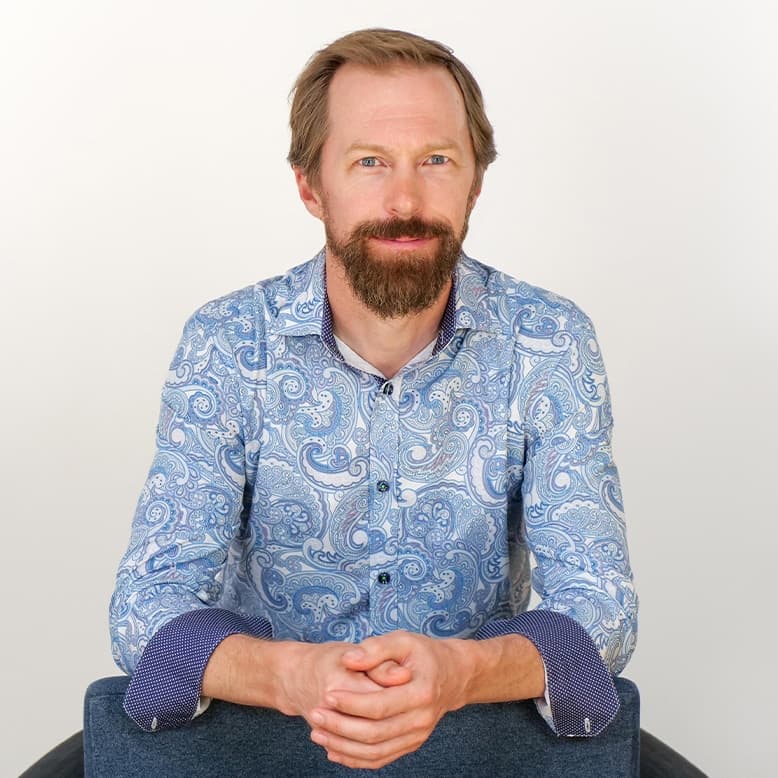
Full Transcript Introduction to Sensory Overload and Lyme 0:00 Hi and welcome to another episode of the Healing Lyme Summit. 0:03 I'm your host, Doctor Myriah Hinchey. 0:06 And today we're going to talk about a symptom 0:08 that I see in a lot of my patients. 0:10 It's something that can lead to irritability. 0:13 Anxiety can be very isolating 0:16 and actually impact a lot of patients relationships. 0:20 I'm talking about sensory overload. 0:22 And for those of you who are lucky enough to not know what it is, 0:26 it's a phenomenon where the environment 0:29 is actually overwhelmingly uncomfortable. 0:32 And here to help us navigate through the link between Lyme 0:37 disease induced sensory overload is doctor Tom Moorcroft. 0:42 He is a great friend and colleague 0:45 and I am beyond excited to do this interview with you. 0:48 So, Doctor Moorcroft, please tell our listeners a little bit about yourself 0:52 and how you came to specialize in treating tick borne disease. 0:58 Yeah. 0:58 Well, thanks so much, Doctor Hinchey or Mariah for having me here. 1:01 And it's such a blast to be able to have this conversation 1:04 because as you pointed out, I love the word you use. 1:06 Isolated is such a critical one to understand. 1:10 And so in my story, you know, I was, you know, 1:14 working at the Institute of Ecosystem Studies in Millbrook, New York. 1:17 It's now called the Carey Institute. 1:19 But basically they do a lot of landscape ecology, biology research, 1:23 and then they do education. 1:25 And then I was working in education because I love research. 1:28 I love a whole bunch of, 1:29 you know, older people getting together and talking about papers and then what 1:33 we might study next before we do something. 1:35 But I really wanted to know, how can who takes action 1:38 if we get them excited about Mother Earth, who takes action? 1:41 And it's the kids? 1:42 So I started teaching kids, and one of the things that, ended up 1:46 happening was I started to have job performance issues, several months
Doctor Moorcroftu2019s Lyme Journey 1:50 after I took this position. 1:52 And my boss is just like, what the hell is going on with you? 1:54 Because, you know, you've gotten like 14 hours 1:56 worth of work done in like, five hours on a regular day. 1:59 You're just like the Energizer bunny. 2:01 I'm like, I don't know. And she sat me down. 2:03 She that I needed to get work done on this project. 2:05 And she said, hey, I'll come back and check on you an hour. 2:08 And when she came back, she actually found me staring at the wall, 2:13 and she had to shake me to kind of get me to come to. 2:15 But my eyes were kind of open. 2:16 And then we both looked down and found out that I was drooling all over myself. 2:20 And within a couple of days, I got this big old rash. 2:23 And then I realized, oh well, I was kind of tired. 2:26 My brain wasn't working. 2:28 I wasn't hanging out with my friends as much. 2:30 And I went to the doctor. 2:31 They diagnosed me with acute Lyme disease, 2:33 and then they treated me for ten days with docs, a psych one. 2:36 But over the course of the next eight years, 2:38 pretty much every symptom came back. 2:40 And then. 2:40 So I had a lot of brain fog, joint pain and fatigue. 2:43 And then I would go to the doctor and tell them, but you're depressed. 2:47 Like you're dad. 2:47 I'm like, well, I'm not, but okay, sure, I'll try the meds. 2:50 And they didn't work. 2:51 And then they said, oh no, you don't have that. 2:53 You're like, you have bipolar depression. 2:55 You know, the the 2:55 all the good doctors and lawyers have that because it gives them the extra umph. 2:59 I'm like, right now I'm getting very irritated 3:01 because one I've tried I've listened to all your stories, 3:04 I've tried all your medicines and they don't work. 3:07 And I'm actually not. 3:09 I'm irritated because I'm in pain and I can't think and you're not listening 3:13 to me. 3:14 And so I became increasingly, increasingly isolated from the medical community. 3:19 And then people around me didn't know what was going on. 3:21 So, you know, family and friends are like, what's your problem? 3:24 I mean, you're, you know, everything looks great in your life. 3:27 You know, you look great. 3:28 I'm like, I feel like crap. 3:30 And you're telling me I look great, so I'm okay. 3:33 And so over time, basically what happened was I was my back was against the wall. 3:38 I found myself staring at another wall again, going, 3:41 I have my life is going to hell in a handbasket. 3:43 Like I'm following this path and it's not working. 3:46 I don't like it. 3:47 And I know if I keep down that path, it'll be the same. 3:49 I didn't know all the things I know today. 3:51 I didn't have exposure to naturopathy. 3:53 I was new to osteopathy in medical school, but I didn't know about nutrition. 3:58 So I was just like, I'm just going to choose something else. 4:01 I just said, what are my goals in life and what do I want? 4:03 And I, you know, I'd been recently married. 4:06 I wanted to have a family. 4:07 I love going outside and playing with the dogs and yada yada. 4:10 And in the end I was like, I'm just going to pretend that that's my life 4:14 because I know if I just keep doing my normal life, I'm getting the same thing. 4:17 And then somebody handed me a yoga DVD and I started doing yoga, 4:21 and then my body started to hurt less. 4:24 And then I noticed that other people irritated me less. 4:27 And then I also noticed that, like, I was engaging with other people more. 4:31 And when I went to the store, the lights weren't attacking me anymore. 4:35 A sound that was really low wouldn't 4:38 bother me, and it had to be much louder, almost like a normal person. 4:41 And then I started to change my diet. 4:43 And then ultimately, 4:44 I met two amazing doctors in Maine who treated me for the next four years. 4:48 And it took me about six years to get better. 4:50 But as the time of recording this, I've been symptom free from Lyme 4:53 and the desire for over 12 years and all of those sort of pieces 4:57 of that sensory overload, as well as the isolation 5:01 from everyone around me, 5:02 because they didn't know what was going on, and they just thought I was crazy, 5:05 that all that sort of falling away as the symptoms, went away 5:09 with effective treatment. 5:12 Yeah. 5:12 And that's awesome. 5:13 Thank you for sharing that story with us. 5:15 So, you know, first. Oh yeah. So I did actually one other thing. 5:18 So why do I do this? 5:20 Because I don't want anybody else to have to suffer like that. 5:23 And if they are already let's help them get better quicker. 5:26 Yeah. 5:27 And there's so many, so many people who are 5:30 so, so you know firsthand what exactly we're talking about here with this sensory 5:35 processing disorder and sensory overload for, for those people listening 5:40 who don't know what that is, can you talk a little bit about, just in general, 5:45 what a sensory processing disorder means and what some symptoms are? 5:51 Yeah. 5:52 I think at the top you really highlighted it really well. 5:55 And it's really this condition where it's a 5:57 we describe like we call it a condition, but it's like where in 6:00 your brain is processing sensory information from the outside. 6:04 So the things you see, hear, smell, taste, touch 6:08 or even how you emotionally feel in an area, 6:11 it's not so much that the thing coming in is bad 6:15 or in and of itself, overwhelming, but it's the brain's response to it. 6:20 It's it's the interpretation of the external stimulus 6:25 that really is the thing that drives symptoms. 6:27 So some people can't put clothes on. 6:29 I mean, I have kids who literally are basically wearing these, 6:32 you know, a dress with no underwear, no bra, no socks, no nothin. 6:36 And it's like three times too big for their parents. 6:40 But that's the only thing they can be in. 6:42 Or someone can only wear certain clothes, someone you know, 6:46 and they have to stay dirty because cleaning products and water bothers them. 6:50 Or the opposite is they can't get clean enough. 6:53 Which kind of borders in OCD. 6:56 And a lot of what I see is like and what I personally 6:59 experience is like, you could see there's lights on me right now, right? 7:03 I would have died 15 years ago. 7:05 There's no way. 7:06 I was like, glasses, you know, huddling. 7:10 And I would go like shopping in a mall or something. 7:13 When we used to have those thing 7:14 and it was like, I literally felt like the ceiling lights were attacking my body 7:18 and my nervous system would get all wound up. 7:21 So the same thing can happen. 7:22 It could be a smell that does it to you and for me. 7:25 I could never stand perfume and it's not like 7:27 I love going through like a mall setting where they're spraying it all over. 7:30 But now I can appreciate it. 7:32 And I can smell a flower and not feel like it's attacking me. 7:35 And so essentially, it's like whether it is taste or touch of smell 7:39 or hearing or whatever, it's this part where your nervous system 7:44 hyper reacts and everything is like, you know, and you're like, oh, and 7:48 and sometimes it could be even worse, but it's like and it's nonstop. 7:52 Right? 7:52 So it's like and and it's almost like, you know, sometimes it really can be 7:57 an intermittent thing. 7:58 But for most people 7:59 it starts intermittent and becomes more and more and more common. 8:03 And it can be really disabling because you're not able to trust what's coming in. 8:07 You're like, yeah, 8:08 I know that there's only like two lights and they're on the dimmer, 8:12 but I feel like it's attacking me and that's really what it is. 8:15 And so the sensory information coming in is processed 8:19 at a much higher degree of gain than it, than it really probably deserves. 8:23 And that's really the brain processing disorder 8:25 that comes through with sensory processing disorder. 8:29 And how does 8:30 how does Lyme disease bring that out or exacerbate it if it's already there? 8:36 Yeah, I think this is like so key. 8:38 And I think there's two main ways. 8:40 There's the direct way. 8:41 And then there's kind of the indirect way. 8:43 And the direct way is that things like Lyme 8:48 Bartonella need even to Baeza can change, like the way you see their things. 8:53 Right. Or the way your muscles work. 8:55 And one of the classic ones, at a very basic level, 8:58 is a thing called convergence insufficiency. 9:01 And essentially what that means is, 9:02 you know, we've got our two pupils, a little black dots that allow us to, 9:05 you know, they constrict and dilate to focus and, 9:09 and also tolerate the light well. 9:11 But Bézier 9:12 can actually change your ability to regulate how your pupils close or open. 9:17 So they may be more dilated when the lights are bright, 9:21 which is the opposite of what they should be doing.
What Sensory Processing Disorder Feels Like 9:23 So then you would be overwhelmed directly. 9:26 But the other thing is we also see with convergence, which is kind of like 9:30 if I hold a pen in front of my eyes, I think I have one. 9:34 I want to in order to focus, I need to put both my pupils on one point 9:39 and same thing for reading. 9:40 If I'm reading something, I have to be at a focus area. 9:43 However, Lyme can change the way I see, and many people talk about visual snow 9:48 and things of that nature, but it also can change the control of the muscles. 9:53 So if you try to focus or you have somebody hold 9:57 a finger or a pen in front of them and keep their focus on that one dot. 10:00 If my fingertips are your pupils, they should go like this when they come in 10:04 and they should go out. So they will always have one point. 10:07 And that allows us to focus normally. 10:09 Well in Lyme and a lot of these other infections, we screw up the processing. 10:14 So the muscles of the eye work well. 10:16 The eyes themselves work perfectly. 10:18 So you go to the eye doctor, oh, I got 2020, but I can't focus on the page. 10:22 What we find is when we ask them to do that, their pupils do not line up. 10:27 And that's a processing process 10:29 within the brain itself, directly caused by Lyme. 10:33 And it also can be caused by things like head injuries. 10:36 So we also know that Lyme and Bartonella can affect the eye. 10:40 We know that they can affect your hearing. 10:42 And so some people get tinnitus 10:43 but other people just get acuity increases or decreases. 10:47 And when you start to hear a lot of stuff 10:48 at a much higher degree, that can be kind of overwhelming. 10:52 So that's part of how it can happen. 10:55 And then I think the indirect one is a little more insidious, 10:59 because it's all about the in my mind that the toxin loads someone has. 11:05 And Lyme not only directly causes toxin load, but it so pro-inflammatory. 11:11 So it increases inflammation. 11:13 And now it's kind of like you have a glass and it overflows. 11:16 And so the problem then becomes the more inflamed 11:19 you are, the it's almost like in mast cell activation syndrome. 11:22 Right. 11:23 So in that disorder we're talking about the immune system 11:27 and looking at like everything coming in. 11:30 It's trying to protect you from everything, 11:32 as if everything in your environment is an insult. 11:35 Similar when we get Lyme and our nervous system gets all jacked up. 11:40 It's trying to protect you, but it views everything because of this low lying 11:44 sort of inflammation that chronic Lyme creates. 11:48 That every single thing around you, your nervous systems 11:51 like wait, wait, wait, that might be coming after me. 11:54 And so then you get this, that kind of hyper irritability. 11:57 And even as I'm talking, I can feel that 11:59 like I'm almost experiencing it under my skin because, like, 12:03 I remember what it feels like Lyme really can drive the toxin overload. 12:08 And as so many of our patients now, it's kind of the straw 12:11 that broke the camel's back. 12:12 Oh, so they lived in a moldy environment, but they were okay. 12:15 Oh, they had heavy metal 12:16 feel like mercury fillings in their mouth, and they were okay with it. 12:20 Not great, but they're okay. 12:21 Then they get Lyme and now it just kind of the cup overflows 12:24 and it's kind of really hard to get everything back under control. 12:28 So that's where a lot of our Lyme people sound crazy to certain people 12:32 because they're like saying that, hey, I went to the supermarket 12:35 and it flared my Lyme. And people are like, are you crazy? 12:38 But I'm like, yeah, because they only had 1% more toxicity 12:42 and inflammation they could deal with, but they got a 25% boost 12:46 when they went outside, and now they're down for a week. 12:49 So the set this is really like 12:52 a place 12:52 where what goes on in our chronic Lyme patients, 12:56 where they seem like a lot of other people from the outside, 12:59 unfortunately leading to this isolation, think that they're overreacting. 13:04 And so the thing is, a lot of times, it's not that you're overreacting, 13:08 but it's that your immune system 13:09 and your nervous system are in fact, hyper irritable. 13:13 So they are overreacting. 13:16 But that's not a personal choice. 13:18 That's a reflection of the infection. 13:20 And one of the things that Lyme disease and healing is we have to feel safe. 13:24 And the problem is, and I'm sure we can dive much deeper into it. 13:28 But the big issue with Lyme is that in order for you 13:32 and I to understand that we're safe because most of us know 13:35 we're safe to heal, right? 13:36 We're like, no shit, duh, I'm supposed to get better, right? 13:39 It would be safe. 13:40 Or for me to be not sick with Lyme disease. 13:43 But our nervous system doesn't process it that way. 13:47 And the cues of safety, particularly understanding 13:50 facial expression, vocal intonation and then gesture, 13:54 you know, and body language, all of those are processed 13:57 in areas of the brain that Lyme disease can actually slow down the function of. 14:03 So if you're chronically sick, those areas 14:06 stop working and you can't understand you're safe for whatever reason. 14:10 Even just isolation from Covid can do that. 14:13 But then if you get Lyme on top of it, that is also blocking the same pathway. 14:17 And it's literally preventing you from recognizing the safety 14:21 that everyone around you tells you you have. 14:24 And so then you get more irritable at them, and then you get more isolated 14:27 because they don't think that you're listening. 14:29 And it's kind of downward spiral. Right. 14:32 And so that's kind of the the bigger picture piece. 14:35 And but it's 14:36 I would say that, you know, it's difficult to tease out which one it is, 14:41 but because we're starting from both sides, either the Lyme directly 14:45 causing a problem treatment can handle that can help with that, 14:48 but then getting it back on track for any of the other reasons. 14:52 Each person listening 14:53 to this has the ability to access healing from that perspective as well. 14:57 So the nice thing is, no matter which side you're on, we have access to healing. 15:02 Right? 15:03 And I think as long as you are kind of looking at the person as a whole 15:08 and not trying to do things like in a linear fashion or piecemeal, 15:12 like if you're tackling the whole ball of wax at once, that 15:15 that individual is struggling with, then you're going to see a much better 15:21 resolution, and complete sort of resolution of symptoms you alluded to. 15:26 So you gave the example of going into a moldy building. 15:29 So obviously that would be, you know, a trigger that could bring this out 15:33 in a patient who already was suffering from Lyme disease. 15:37 Can you talk about if there, first of all, elaborate a little bit more 15:40 about mycotoxins illness playing a role, but 15:43 what other triggers would there be? 15:47 That could potentially exacerbate this in a patient? 15:51 Yeah, I feel bad. 15:52 I usually have my clear 15:53 my clear water cup with me, but I yeah, I have my, my nice one. 15:57 It's actually one my mom got me for Christmas this time I miss hot coffee. 16:01 It's so cute. 16:01 The. It's really simple in my brain. 16:04 I like to keep it super simple. 16:05 There's a vessel that has so much that it can hold, 16:08 and if you've got stress in your life that's up here, you're doing all right. 16:13 But then and you've got a little bit of mold in your life and you're all right, 16:18 but now you get Lyme disease and now you're not all right. 16:20 And the vessel or you, your body can't handle 16:23 the amount of toxicity that you're exposed to. 16:27 And so the problem here is if I were to have removed that mold 16:31 now, my Lyme and my stressor of life are right here and I'm in a better place. 16:35 But when you have mold and Lyme, now you're over the top. 16:40 And so this is the challenge. 16:42 We have more common things that will cause problems like mold, 16:47 like a crappy diet, like lack of exercise, like stress in your life. 16:51 Because, I mean, 16:51 stress is the number one cause of inflammation in the developed world. 16:55 But you do. 16:56 You have the mold exposure. 16:57 You may have heavy metal fillings in your mouth.
How Lyme Disease Triggers Sensory Overload 17:00 You can have a whole number of things, but then people are like wired. 17:04 Somebody getting triggered by going on a hike, like a really mild hike. 17:09 Well, the problem was it was a stressor 17:11 that sometimes is good for you, 17:14 but you were at a point where you couldn't handle it. 17:17 And that's really the thing. 17:18 So any once you're initially triggered by something like Lyme or co-infection 17:23 or from mold, then it can re trigger people. 17:27 And the challenge with some of our toxins, 17:29 including mold like you're saying, is these you can become either one. 17:34 It's in your environment where you're living and or you can become colonized. 17:37 So you can walk around with it. 17:38 And even if you go to a different environment, bring it with you. 17:41 Same with Lyme. 17:42 You are in an environment, you got it, but now it's in you. 17:45 So no matter where you go, like when I was at the mall 17:48 when I was in high school and it was beating the hell out of me, 17:51 I could just leave, 17:53 you know, and I feel like crap for an hour. 17:54 But then I would recover. 17:56 But when I can't leave the mall because I'm either living in it 17:59 or I'm walking around with it, 18:01 or I can't leave the Lyme in the bbca because it's in my body. 18:05 That's kind of where they become a bit more challenging. 18:08 And it really brings up a concept called the poor Mrs.. 18:12 And I think it's a really important one, because it will give us understanding 18:16 of how to heal in general, and also specifically how to overcome this. 18:20 Because for Mrs. 18:22 is essentially this concept of you could have something that in the proper dose. 18:27 Well in the inappropriate dose in too high of a dose 18:30 are too long of an exposure would be toxic. 18:33 Like let's take the example of exercise. 18:35 If you do too much exercise, it breaks down your body. 18:38 But if you do just enough exercise, it actually 18:41 stimulates growth, healing, and optimal immune function. 18:45 So in horror movies it's it's like making sure I do just 18:48 I get a the best like amount of exposure 18:52 to the toxic substance for the appropriate amount of time. 18:55 And it's like Goldilocks, it's like you don't want too little 18:57 because if you don't ever stress your body, it will never heal. 19:01 It will actually fall apart. 19:02 And if you stress it too much, it won't heal. 19:05 It'll also fall apart. 19:06 So there's this beautiful curve that people show. 19:09 And it's literally just it's just it goes up and it comes down 19:13 and it's just like a bell shaped curve. 19:15 And what's so nice about it is as you stress out 19:18 your body a little bit more and you challenge it a little bit, 19:22 you actually will heal more quickly. 19:24 But when you get to the top of it, then you start to slide down the curve 19:28 and then you start to get diminishing returns. 19:31 I often see this where we're pushing 19:33 in a treatment protocol, and then people start to plateau, 19:36 or they start to see a few things and they're, oh no, no, 19:39 no, my limbs worse because the treatment's not working. 19:42 That might be a possibility. 19:44 Or you could be on the downhill because you're pushing too hard. 19:47 And then the thing is, once you go below the original kind of up and down 19:51 and you go below, it becomes toxic, which is essentially saying that 19:57 there's an area, a sweet spot where if you challenge your body a little bit, 20:01 pushed through a little bit, but not a lot, you'll get better faster. 20:06 And what's beautiful, Mariah is there's over 1500 studies 20:10 on what optimal hermetic stressor doses. 20:15 And I'm sure that means nothing to almost all of us. 20:17 And it almost means nothing to me. 20:19 Except I read a lot on it. 20:20 But it's 20 to 30% above someone's baseline level of stress is enough. 20:26 More than that typically leads to true toxicity quicker. 20:30 So my message about this, even if it sounds like a little 20:33 bit of mumbo jumbo, is you want to push a hair, 20:38 but you don't have to push really hard. 20:40 So a lot of the things I hear about everybody, oh, that's a huge Horkheimer. 20:43 It's great challenges. 20:45 How many people have you seen that? 20:47 Either they're doing a little bit better and they push and they get a timer 20:51 and they crash 20:52 because they just went immediately to toxicity 20:55 or they're getting or they get better. 20:56 So they're just like boom, they take right off. 20:59 But almost everybody gets, you know, snapped back and they have this big crash. 21:04 And people are wondering why. 21:05 And it's because we pushed our nervous system too hard. 21:10 We pushed our physiology too hard. 21:13 So this is a great concept that allows us to take a deep breath 21:16 and just allow our body to heal at its own pace. 21:19 And our pace. 21:21 You know, you're in my pace of recovery from a particular incident 21:25 will be completely different and unique and personal. 21:28 And this is powerful because now we learn that 21:30 while we can learn from what everyone else around us is talking 21:33 about their experience, we need to have our own. 21:37 Because I would say that while we started off talking about isolation 21:42 from our family, our friends, or even the medical community 21:46 that at the time we trusted and then they betrayed our trust. 21:50 The biggest isolation I see is the damn Lyme field, 21:54 isolating each and every one of their own members, doctors or doctors. 21:59 Wow. I'm getting excited here. Doctors are doing this. 22:02 Patients are doing this. 22:03 The online forums are like, 22:04 if you're not doing what I'm doing, you're not doing it right. 22:08 Well, but I'm not you. 22:10 So let's not have that conversation because 22:13 I get hermetically 22:14 overstressed and I go into mental emotional toxicity, 22:19 which then suppresses my immune system and allows my Lyme to get worse 22:23 when I try to treat myself as if I were someone other than me 22:27 by comparing myself them. 22:28 So my my thoughts and my message would be learn from other people, 22:32 learn from this entire amazing summit, 22:36 and then sit down with their health care provider 22:38 and figure out what's uniquely appropriate for you, 22:41 because that is actually the number one way that people with Lyme get 22:46 sicker is trying to have someone else's healing journey. 22:50 Yeah, I couldn't agree with you more. 22:52 I think that different people are going to respond 22:55 to different treatments that are right for them. 22:59 And, you know, that's why there isn't a one size fits all. 23:03 You know, there 23:04 there's no like, here's your standard protocol to cure Lyme disease, right? 23:07 Like it just it doesn't exist to my knowledge. 23:11 And I think as medical providers, we have different styles 23:16 that attract different patients to us. 23:19 And really, you know, I think I think patients have a lot of 23:22 really good instincts and they're drawn to the people that practice medicine 23:26 in a way that resonates with them and is going to be able to heal them. 23:31 Doctor Moorcroft, please let everyone know where they can find you. 23:34 Thank you so much. 23:35 And I certainly encourage everyone to become a member 23:37 because I was like, wait, we're done. 23:38 We have so much about empowering people to start making a change at home today, 23:43 so definitely take advantage of that. And I thank you so much. 23:45 I know my medical practice is origins of health.com. 23:50 You can find out all things about myself and my partners 23:53 and the people who have trained with us 23:55 and work with us to help other people just like you heal 23:57 from Lyme, mold exposure and even pans and pandas with kids. 24:01 And so that's our big thing. 24:02 And then, you know, 24:03 one of the most important things to me is I can't see everybody by myself. 24:07 I know that you and I talk a lot offline, like we're so busy helping, 24:12 but that's why we do things like this. 24:14 And so one of the things that I've really felt the benefit of 24:17 is the mentorship and the mentors that I've had, including Doctor Horowitz. 24:21 And, you know, you and I talk so much and I gain so much 24:24 from talking to other practitioners. 24:25 So I do a practitioner training program called the Lyme Disease Practitioner 24:29 Certification and Mentorship Program year long, where practitioners 24:34 who are seeing patients have the ability to get real, firsthand knowledge. 24:38 We take what we learn in workshops and what we learn at conferences, 24:42 and what people are talking about informs and give you true one on one 24:46 and small group mentorship, as well as fill in any of the blanks. 24:50 So it's a true medical fellowship level of training 24:53 and people can find out more at Tom moorcroft.com. 24:57 Awesome. Thank you so much. 24:59 Okay, so let's dive back in by talking first about how would you. 25:06 And I mean obviously 25:07 if you're patient has the diagnosis of a tick borne disease, then, you know, 25:10 we kind of know that some of this sensory processing disorder is linked to that. 25:15 But can you just talk a little bit about symptoms of like a true, dare 25:21 I say, like a true sensory processing disorder versus one 25:25 that is being sort of exacerbated or ignited or caused by Lyme disease. 25:31 Yeah, that's a challenging one. 25:33 And I think the big thing is timing. 25:36 Like if you've had a kid who's just always been that way. 25:40 Now, granted, I in my head I already hear the peanut gallery go, well, they get it. 25:43 I'm content and online. 25:45 It's possible, but do a really good history. 25:47 But if you have someone who is born and everything's okay 25:52 and then they're developing, they're 3 or 4 or five years old 25:55 and they've got like one thing or one really small thing, and there's 25:59 probably no history of these other infections. 26:01 It might be a true sensory processing disorder. 26:04 The issue is what drives it. 26:06 Is it a head injury that they had when you didn't really like? 26:08 I remember my daughter Talia had fallen down the stairs like 4 or 5 stairs. 26:13 It wasn't anything crazy, but she tripped and landed with her
Triggers, Mold, and the Stress Bucket 26:15 head down and hit the banister when she was three and a half, 26:19 and it was like two years later she started having some challenges 26:22 reading, even though we did everything right right now. 26:25 Granted, she just need a little extra help and then got past it, 26:29 but in the history we thought it was from the head injury. So. 26:32 But her challenge was from something. 26:36 It was just not apparent in the beginning. 26:37 We had the track back and then we had the rule out everything else. 26:41 So for me a lot of this is 26:43 sensory processing disorder is kind of a diagnosis of exclusion. 26:47 It's really about is there any I'm always like, is there something treatable? 26:50 And everyone it is not all Lyme. 26:52 I just want to get it out there. 26:54 It's like, God, if it were I mean one, we would have more money in research. 26:58 But we're getting a lot more research now. 27:00 But there are other things that can do it. 27:03 I mean, and we see autistic children are a great example. 27:06 They have a lot of processing and a lot of sensory issues. 27:09 And in some of them there is a Lyme overlap. 27:12 But there's a big difference in a kid who's got like non Lyme and non 27:15 tick borne related autism like symptoms and true autism. 27:19 Right. 27:20 And it's like I know that there's overlaps right. 27:23 But there are people with other things. 27:25 But the question with autism is what is it. 27:27 Because so many people following a biomedical approach to treatment, 27:31 we'll find that if they do the nutrition they find out that have cerebral folate, 27:34 you know, receptor antibodies and all these other things are, 27:38 you know, that we can improve a lot of that. 27:41 So my question always is it's kind of like genetics versus the environment. 27:45 Right? 27:46 So much of what pushes our sensory processing is actually our environment 27:52 and a lot of our ADHD. 27:54 And I'll use the example of ADHD right now technically not sensory 27:57 processing disorder, 27:59 but it kind of is because they can't focus on one thing in their environment 28:03 because they're being overwhelmed by everything. 28:06 And the only thing that can cause in the focus 28:08 is like a video game that's moving at 100 million miles an hour. 28:12 And so then they tune it out. 28:14 But most of us might enjoy a video game from time to time, 28:17 but that should not be our medication. Right. 28:20 And so I'm just going like, well, why can't you handle everything around you? 28:24 And so much of it is the tools that you've learned to deal with it. 28:27 And also the, the and I need I know the work you do. 28:30 And it's like, I don't really think of you as a person who starts with infection. 28:35 I mean, unless it's like the most obvious thing you need to do. 28:37 And I would agree with what you said earlier, sometimes you do it all at once. 28:41 But I mean, I know that there's 28:42 this baseline of like, how is the body itself functioning 28:47 and is Lyme because Lyme's a part of the fully functional body. 28:51 The other thing too, is the body is always 100% in perfect compensation. 28:55 It is literally doing the very best it can for you at any given point in time. 28:59 Now, you might not like 29:01 where it's at and that's why we do things like treat the infections. 29:04 We see Doctor Hinchey and we get like our gut fix stuff. 29:06 We get a good diet plan, we get the right supplement. 29:08 We all do these things. 29:10 So but it's to me, it's like it's a true sensory processing 29:15 disorder is kind of this leftover piece after we've verified 29:19 it's not other things, you know, because otherwise like with I'm like, why? 29:24 Why Kenyas? 29:25 Why are you not handling it like what is not now we can be born. 29:29 Our brains aren't wired quite right. 29:31 I mean, we can't help that. 29:32 That's just part of normal development. 29:35 But for most people, I can't recall anyone I've ever seen where 29:41 they haven't been able to see some improvement in their ability 29:45 to handle their environment and interact with it more appropriately 29:49 if they take care and fuel their body with the right fuel, they sleep properly. 29:54 They learn some of the tools which I know we're going to talk about in a minute, 29:57 that help them 29:58 get out of their own way 29:59 when they get stuck in a mental loop, because Lyme sets those up, too. 30:03 So it's like I'm willing to do all the work 30:05 because I think everyone here listening deserves to actually have optimal health. 30:10 And my optimal health and your optimal health and someone else's 30:13 may be different, but we all have this ability to lift up the bottom. 30:19 And so that's really the big difference is, I mean, 30:21 and if you were completely fine and then you got Lyme disease 30:24 and now you're not, well then we know where it came from. 30:26 That's a little more cut and dry. Right. 30:28 So you're dancing around 30:30 my next question, which is addition to treating infections. 30:33 If the sensory processing disorder or sensory overload 30:37 is infection driven, what would be other treatment modalities 30:42 or therapies that you would use to help to resolve it? 30:48 Yeah, I think this goes back to where we say 30:50 Lyme can cause your brain to get stuck in this mode, 30:54 and there's also other things that can get you stuck. 30:56 Right. 30:57 So like isolation, stress, 30:59 just being sick for a long period of time, irregardless of what caused it. 31:02 So let's say we have Lyme and we have these stressors. 31:05 The beauty is now we have two sides. 31:07 And this side you access healing like you said by treating it. 31:11 The other side is we go, oh I have access to healing. 31:14 So maybe my Lyme is not moving as well as I like with my treatments. 31:18 Maybe it's not because I'm not treating it hard enough. 31:20 Or like we said early, maybe I'm treating too hard 31:22 and I need to pull back a little, which I actually find works way better than most 31:27 people would pontificate about, but it's actually finding that sweet spot. 31:31 But over here is where we have a lot of power, 31:34 because any time we remove the stress, you know, when we take the level 31:39 down on our mug and we take some of that stress out, 31:43 that is analogous to boosting up our immune function. 31:46 So then we have less hyper irritability. 31:49 So over here I do a ton of things. 31:52 I mean, one of the most basic is sleep. 31:54 You know, I mean we could talk probably for days on that. 31:58 And that's a really key because that's when your brain optimally detoxifies 32:02 most of your brain detoxification happens in deep sleep through the Glenn 32:05 Fat system. 32:06 So we want to focus on that. 32:08 But then people are like, oh, I 32:10 can't sleep because my mind keeps racing right? 32:13 So now let's take charge of what we're thinking about. 32:16 So the first thing I suggest for people is figure out what you really want 32:20 and focus more on that than what you don't want, 32:22 because it's really hard to forget that you don't want Lyme disease 32:25 and it's hard to forget about your symptoms. 32:28 So don't worry if you try. 32:31 So if you focus on what you want so much that you can't remember 32:35 what was wrong with you, then you're better, which is great. 32:39 Your medications and your herbs do not sterilize your body. 32:43 If you become sterilized from Lyme, it's because your immune system did it. 32:47 We just bring down the load with the antibiotics and the antimicrobial herbs. 32:52 So if you're not concurrently working over here now, 32:55 I would also say nutrition is critical, not just because it's your microbiome 32:59 and your, you know, in system, but because of the feedback from the vagus 33:04 nerve up to your brain and the relationship of 33:08 of nutrition to mood and thinking and cognition. 33:11 And we know that if you the standard American diet, I can make you stupid. 33:14 I can literally make mice forget things by giving them a standard American diet. 33:21 And I also, you know, and if you eat, 33:25 two baked goods or processed foods per week, 33:28 you increase your risk of depression by something like 56. 33:32 So it it kind of makes us wonder. 33:34 And then when we get to the other things that we often overlook, 33:38 if you think about poly vagal theory, like so many of us talk about fight 33:42 or flight 33:43 as our sympathetic nervous system and then rest and rejuvenate is parasympathetic. 33:47 But Doctor Porges tells us there's this other part because like fight 33:51 or flight means I'm going to the saber tooth tiger hopped into my camp 33:54 and I'm like, dude, I can win. I'm going to fight them. 33:57 Or you're like, oh my God, that's a saber tooth tiger. 33:59 I cannot fight him, but I can run away and I have a chance to win the challenge. 34:04 If the saber tooth tiger grabs me in his mouth or her mouth, 34:08 what do I have left to do? 34:09 I've already not flighted well enough and I certainly haven't fought well enough 34:14 because I'm in the mouth. 34:15 So what can I do? 34:16 Well, usually what you do is play dead
Healing Tools: Sleep, Nutrition, and Nervous System Support 34:20 because cats tend to get bored and then they drop you 34:23 and then you can scurry away. 34:24 So when I get up and I feel like I no longer have a chance to win, 34:28 I no longer feel like I actually have the ability to heal. 34:32 That's the time where I freeze. 34:35 And the freeze state is really not great 34:38 for our immune system, because it leads to more suppression of the immune system, 34:41 greater inflammation, lower detoxification, lower gut function. 34:46 And lo and behold, you also see 34:49 people start doing more of this. 34:52 And they have greater withdraw, 34:54 which leads to greater isolation, which leads to greater freeze state. 34:57 So they're stuck in this thing. 34:59 This is where you need to feel safe in order to heal. 35:03 And I want to change that word for a minute. 35:05 Safety is safety to your reptilian keep you alive nervous system, 35:09 not to your brain. 35:10 That knows you are safe, but it just still can't take action. 35:13 This is that reflex protective mechanism that does its best 35:17 to allow you to pass on your genes and being alive and passing on 35:22 your genes is not necessarily related with feeling great. 35:25 So how do we push? 35:27 And let's change the word to comfort zone, right? 35:30 Because if you're familiar with something or you're comfortable, 35:34 then your nervous system is like, okay, I'm safe. 35:37 So if you are sick with chronic Lyme, 35:40 you have the bezier or mold, Bartonella, whatever for a long period of time 35:45 that becomes your familiar state, 35:49 aka your comfort zone. 35:50 So if I ask you to change too quickly yet, snap out of it 35:54 and it just pulls you right back. 35:56 That's where we're talking about at the top of the talk, right? 35:59 So that's also where her missus comes in. 36:02 I need to push a little bit. 36:03 Not too much because if I don't push at all I won't heal. 36:07 But I don't want to push so hard 36:08 that I either become toxic or I overwhelm my familiarity. 36:12 Set point. 36:13 So we want to move a little bit. 36:15 So the question is how do you do that? 36:17 And one of the really easy things that you can do is to take a deep breath 36:22 at the end of the day and go, what were three things that went well today? 36:28 And it doesn't matter how big 36:29 or small I would actually suggest, the more nuanced and smaller the better. 36:33 But start anywhere you want. And I 36:35 when I started this with our daughter years and years ago, she go, I go. 36:39 What was great today she goes, my cat, okay, all right. 36:42 We need to get three. 36:43 What was great today? My cat. 36:45 What was great today? 36:46 My cat 36:47 I'm like, okay, well, if we're an adult we could probably come up with three. 36:51 But when I'm talking to a 5 or 6 year old, let it be their cat. 36:54 Because I did this for a few weeks 36:55 and then it was like my cat, my cat, my friend. 36:58 Right. So do that. 37:00 And then the 37:01 if you want to uplevel this whole thing so that you get a little bit of gratitude, 37:05 gratitude opens the heart and gratitude and love 37:09 equals safety because the nervous system becomes parasympathetic. 37:13 And if you want to get into science, it also boosts heart rate variability, 37:17 which is an indicator for resilience to stress and infection 37:21 and increasing immune function. 37:23 So literally yes, by just recognizing the small goods in the sea of crap 37:28 that you've experienced today will boost your immune system 37:32 probably more than any supplement you can put in your mouth. 37:35 So then after you write those down and that should only take you 37:38 a minute or two, write down three wins you're going to have for tomorrow 37:42 and then put it down. 37:44 When you wake up in the morning, you read those six things and you're good to go. 37:48 4 to 7 days into 37:50 doing this, you're going to go, oh my God, I have like ten things I'm grateful for. 37:53 And now I'm sleeping better 37:56 because you become parasympathetic, 37:59 not frozen, but you get into rest and rejuvenate, 38:03 which then lets you go to sleep, 38:05 which allows you to brain detox, which also boosts GI function 38:09 because it happens primarily while you're in parasympathetic 38:12 and when you're sleeping, it's a great time to heal your gut, 38:15 and then all of a sudden 38:15 you can think more clearly and your immune system works better. 38:19 And then. 38:20 So that's one thing I love to start with, because it's simple. 38:22 And then a lot of what we do in our different programs 38:25 with our patients, I work a lot with breathwork and guided meditations, 38:29 as well as I teach people self-hypnosis and hypnosis as a meditation 38:33 are really interesting words, and my favorite way to look at 38:38 meditation is to define it as to become familiar with. 38:42 So it's not about focus, it's not about breathwork or, or quiet. 38:47 It's to become familiar with the state that you want to live in. 38:51 So I ask you this throughout your day today, 38:55 what kind of meditation have you been in? 38:57 Have you been in a positive meditation 38:59 focusing on what you want and acknowledging 39:02 that some things in your life aren't the way you want? 39:04 Or have you been focusing on what you don't want aka a negative meditation 39:09 because whatever you think about the most is what you bring more of in your life. 39:14 And it can be challenging to get started with. 39:17 Which is why I say just write down three things. 39:19 Don't stress yourself out here. 39:21 Like I got up and I was able to go pee by myself today. 39:24 You know, I was up for 30 minutes before I got overwhelmed by the light 39:29 rather than 20 minutes. 39:30 Like, look for the nuances because it'll pick up steam 39:35 and and the same thing with hypnosis. 39:36 The thing that's a little different is we teach you ways 39:40 to go around your conscious mind. 39:44 Because right now, I would say that probably 75% or 39:47 more of the people that just listen to what I just said are like, I can't do that 39:51 or some version of that pop through your mind 39:54 and that is your critical factor, your conscious mind 39:59 going, no, that didn't work before and I'm going to protect them. 40:02 I know I need to do DNR, ask her, 40:04 Gupta, for six years before I'm going to be better 40:06 because I read it on the internet like your body is protecting you. 40:10 So a lot of people try to work on going around the conscious mind 40:13 and just reprograming the unconscious or that subconscious mind, 40:17 because that's the kind of the workhorse of changing your mind 40:21 and boosting your health. 40:23 But what I would suggest is let's make it easier. 40:26 Let's chill the conscious mind, install 40:30 new programing into the subconscious mind, 40:34 and allow the conscious mind to say, I'm allowing that to happen, 40:39 and then you get it in a relaxed state. 40:41 But you don't try to avoid it. 40:43 And I hear the a lot of what we teach in Vegas, retraining 40:47 and in a lot of our delivery training and all of these other things we do, 40:53 is we're trying to essentially trick the conscious mind to let us go around it. 40:58 And what I'm saying is that ain't going to work in the long run. 41:01 Or if it does, it will require a lot of extra energy and work 41:04 that many of us don't have. 41:06 I know I didn't have it, but what I realized over 41:10 my journey was if I started to recognize that what I was doing for myself 41:17 was incrementally working more and more every day, and some days I'd go back. 41:22 I just had a little more today than yesterday, 41:24 and I kept that up and mocked the thing. 41:28 I didn't tell you guys in the beginning. 41:30 Like I said, for the first eight years I didn't have a diagnosis. 41:33 So the first two years of my treatment, I didn't have a name for it. 41:37 Like when the actual healing treatment, the six years of doctors 41:41 being aholes is a different story. 41:43 But it was really interesting because I didn't have a label. 41:45 So when I started to get better, I was just like, this is amazing. 41:49 I'm getting a little bit better and like 1% better for me 41:52 was like the most amazing stuff ever because I had felt like dirt 41:57 for the past six years and I was like, oh, this is amazing. 42:00 So that's a lot of what I like to do. 42:02 And it's really to empower people to understand that 42:06 with very simple techniques that they can literally reprogram 42:11 not only their current state of health and healing 42:15 to optimize both sides, not to just say, now you don't need Lyme treatment. 42:19 I'm a great example. 42:20 I needed two years of prep work, and then four and a half more years of treatment. 42:26 But now how many 42:26 people can tell you they haven't been sick for over a decade? 42:30 You know, and that's what I want to share with people that hope, 42:33 but also that all the work you're doing over here in that sort of stress, 42:38 mental, emotional stage to help you move out of that 42:41 fight or flight, fight, flight, freeze, state 42:45 is that's actually a part of the healing that you have control over. 42:49 And every time you do a little practice that sounds so stupid, 42:53 spend three minutes, no more writing down three things that were great from today, 42:57 and three things that are going to be great tomorrow 42:59 and do it for a week and a half. 43:00 And I bet you'll never stop doing it. 43:02 That sounds like too simple to be true, right? 43:04 But I would challenge everyone here to do that, and I would love for you 43:07 to reach out to me and let me know how that changed your lives. 43:11 Or if it didn't, because this is empowerment. 43:15 And one of my the big things are if you can develop the skills 43:19 to provide your body with the appropriate hermetic stress, like enough 43:24 and you don't overdo it, then you can actually start to gain 43:26 momentum and healing and then you become more objective. 43:30 So I'm on double dose zone. 43:32 I'm on disulfiram, I'm on to Phoenix Queen I'm on crypto. 43:35 Lap is not weed, cat's claw, whatever it is. 43:39 And I'm feeling worse. 43:42 Am I pushing 43:43 too hard or am I not pushing hard enough? 43:46 The problem is, most of your doctors 43:49 aren't living in your body unless you're the doctor and the patient. 43:52 So we can do our best to ask you question, 43:55 but what we need is you to be totally in touch inside. 43:58 And one other thing where I that really I'm glad I didn't forget the sensitivity 44:03 that is developed by most of our line patients and Lyman friends. 44:07 And Tickborne co-infections, I would suggest, is an amazing gift 44:12 because when I was grew up, I could feel all kinds of crap, 44:15 and my parents thought I was crazy and weird, 44:17 and they didn't want other people to think that. 44:19 So they tried to beat it out of me. 44:21 So I was kind of like, you know, in a cocoon, not being fully me. 44:26 And then Lyme disease blew it wide open. 44:28 And then I felt like everybody who touched me, I was raw, 44:32 like they were, you know, lemon and dirt and salt in a wound. 44:36 So it was like two extremes. 44:38 But what I learned was, 44:39 when your sensitivity actually brings you back more to your natural state. 44:43 So I'm always looking like, what is this infection giving me as a benefit? 44:48 And so I said, the Lyme disease. 44:49 I said, you know what, thank you so much for all the gifts on your way out the door 44:53 because you're no longer welcome in my life. 44:56 Please leave a note that reminds me which gifts I'm supposed to be learning 44:59 about in the future. 45:01 But I didn't 45:02 say, get the hell out of my body, you piece of crap infection. 45:05 I hate you because then it'll never lead. 45:07 Because it'll be cemented in like my cocoon. 45:10 My parents tried to make the point about the. 45:12 The sensitivity is you can learn to turn it down 45:16 and you can learn to turn it up. 45:17 But right now, I remember in the beginning it was so hard to turn it down. 45:21 But now I can go into a mall and I can be wide open or I can close it down. 45:26 The airport's my favorite if I like to keep it tight 45:30 because there's a lot of weird energy going on. 45:32 But you can learn to do this. 45:34 And when you learn to do that, you go, hey, 45:37 I adjusted how I feel right now. 45:40 Three things changed, but two didn't because those two things 45:44 may be more of the physical. 45:45 So explore this mental, emotional, spiritual, voodoo, whatever you want. 45:50 I love using the word voodoo 45:51 because I think it's awesome, but this energetic side of yourself 45:55 that's truly 100% part of who you are and and love on it. 46:00 And learn it and ask what it's about. 46:02 Because to me, this is the place where a lot of us stop. 46:07 And so in our practice, we also use a lot of things like 46:10 homeopathy to make it a little bit easier. 46:12 I might do this guided meditations and breathwork I talked about, 46:16 but I might have binaural beats in the background. 46:18 Right? 46:19 Because it's 46:21 brain, we're helping with technology to achieve the brain state for you. 46:25 So we can do that. 46:27 But a lot of like the other work out there, it's hard. 46:30 I give people tracks that they put headphones on and they can chill. 46:33 And through 46:35 just participating at the very basic level, aka turning it on 46:40 and listening for ten minutes, we've done the heavy lifting for them, right? 46:44 And then when they're ready, they can go to those next levels. 46:49 Yeah, I think that's all great advice. 46:51 And I think just you planting the seed that 46:55 there are things that you can do and that you can do at any time. 46:59 And I think we all know that feeling, right. 47:02 Like when we're going into fight or flight 47:04 or when something has triggered us and we're overwhelmed and, 47:07 you know, it's almost like you just lit a stick of dynamite. 47:09 It's like, if you can just remember to like, 47:11 stop, take a deep breath, count to three, do something right. 47:15 You can actually slow or stop 47:19 that whole ignition process and literally stop yourself 47:24 from going into like this full overload or even into a panic attack. 47:28 But I think for a lot of people, they don't even realize 47:32 that they have the power to affect any of this, right? 47:37 Much less inhibit it. 47:39 So, and I love just starting with we have like a little,
Caregiver Guidance and Communication 47:43 you know, at dinner time, right? 47:44 Like it could be a simple dinner time check in with the whole family. 47:48 Like, it doesn't have to be something that the patient does by themselves. 47:52 Right. Go around the table. 47:53 What's three great things that happened today? 47:56 Or good things? Or three things that didn't suck? 47:58 At least then did you learn from the bad stuff, right? 48:02 That too. Right? 48:03 If something bad happened, what did you or could you learn? 48:06 Sometimes we need other people to help point that out. 48:09 But that being said, well, 48:12 we talked 48:12 about the like the patient and what the patient can do. 48:16 Right. 48:17 What advice would you give caregivers or loved ones? 48:21 Because a lot of times, no offense, they just don't get it. 48:27 So like, what would you say to parents and caregivers 48:31 of a patient that has a lot of this sensory overload, 48:35 whether it's in relation or not to an infection? 48:40 Yeah, I, I totally agree with you. 48:43 Like first of all I would say look in the mirror, take care of yourself first 48:49 and check your shit at the door. 48:51 Because seriously, like, is there ever a time in your life where you felt 48:55 a certain way or thought something and someone else didn't understand you? 49:00 It has happened to you? 49:03 I would say I've been doing this for over 15 years exclusively. 49:06 That's it all I do. 49:08 I may have seen one person who may have had 49:12 more than 49:12 50% secondary gain going on in their brain. 49:16 Most of the people I had ever met, 49:20 despite what it look like on the outside, are not just taking advantage of this. 49:25 They are not making this up. 49:26 And if they did start to make some of it up, it's because they are on that loop 49:30 that we talked about earlier with the fight flight freeze. 49:33 And it's like the more they feel like 49:35 crap, the more they're going to feel like crap. 49:36 So first things first, support the patient. 49:40 Recognize there is something going on. 49:44 You have to acknowledge their experience of themselves 49:48 because you don't know what they're going through. 49:51 And one of the number one ways to disassociate anyone in 49:55 your life is to invalidate their experience of themselves. 49:58 And then they feel betrayed by you and other people, and then they get worse. 50:03 So let's stop adding fuel to the fire. 50:06 And then I'm a big believer in not leading by the example of power, 50:11 telling them to do this or that, but to actually lead by the power of example. 50:17 You should be. 50:18 If you're telling someone else to do something 50:20 and they should act a certain way, look in front of that mirror and go, 50:24 hey, what in my life? 50:25 It might not showing up the way I'm telling them they're not. 50:27 And you need to lead by example first and then also me. 50:31 And I know I work with about 50% children in our practice, 50:35 many of whom have infection triggered autoimmune encephalitis aka pans pandas. 50:39 Really nasty behavioral stuff going on because of the infection 50:44 and what it triggered. 50:45 Most of the parents are trying so hard to help the kid that they're not taking 50:50 care of themselves, and a lot of times the kids 50:53 start to not do the things parents want. 50:56 But it's probably, at least in part because you are not doing 50:59 the things that you need to do for yourself, and they get it. 51:03 They may not be able to verbalize it yet, but they're following your example. 51:06 And even adults, like if I want to change something that my wife Jill is doing, 51:11 I have to make sure that before I open my friggin mouth, 51:15 you know, I need to look and say, what am I doing? 51:17 That's similar? 51:18 And more times than not, 51:20 if I change a behavior that's on a similar thread, she'll change. 51:23 So really take care of yourself first so that you have the energy to show up 51:27 for the other person. 51:28 You can't be a great partner, a great, you know, friend, a great parent. 51:33 If you feel like dirt to. 51:36 So take care of yourself and try not to tell them what to do. 51:40 So one of the things that I learned that was really cool, I call it Leah Leah. 51:44 Just because it's easy to remember, but it's listen, echo and ask. 51:50 So you listen to them. 51:52 And as you know, 51:52 it's really hard for me to listen because I just like, want to fix things. 51:56 But you listen. 51:57 Notice there's no fix in here anywhere. 51:59 It's listen echo and ask. 52:01 So you're going to listen to them and then you're going to echo back 52:05 kind of paraphrasing what they said. 52:08 Because that way they know you were listening to them 52:11 and then you're going to ask them about it. 52:12 And a social example, 52:14 we could make health ones, but would be like my daughter was on a ski 52:17 team where they were very intense, very high level, 52:21 but she was the youngest girl by a long shot. 52:25 And then there were a couple of boys who were close in age, but she didn't. 52:28 But they were kind of all they want to do is ski or play on their phone, 52:31 which she liked the skiing part, but the social part of watching 52:35 boys on a lift play with a phone, it's kind of like, that's not how we live. 52:39 So she was telling me. 52:41 Then we tried a different team that was more social, 52:44 and then she's telling me how it's not neither one is good and blah blah blah. 52:47 And I was like, so 52:50 thank you so much for sharing that and letting me know. 52:53 So it sounds like, you know, being on that ski team 52:56 last year there, there weren't really all that many good things or something. 52:59 I use some of her words and then she's like. 53:03 And you could see her change. 53:05 She was like thinking like, wait a second, 53:07 I just said that out loud, And I said, well, were there any times where it went? 53:11 Well, was there any even like for 30s? 53:14 Was there something good that happened? 53:16 And then she goes, well, yeah. 53:18 And then she didn't stop talking for 30 minutes. 53:21 And you can do this with your help. 53:22 It's kind of like, hey, I had a really shitty day. 53:26 Thank you. 53:26 So much for sharing that, they that you had a crappy day. 53:29 I hear that your day was really one of the worst ones you've ever had. 53:32 Was there anything in there that wasn't as bad as the rest of it? 53:36 So I didn't even ask if it was good to say. 53:37 Is there something that was less bad than the worst? 53:40 And there always is. 53:42 And then you can go and you can explore that. 53:44 But nowhere in here did I try to fix it, which is hard for me. 53:48 I'm a doctor. I'm a type A person. I'm a dude. 53:51 All these things add up to tell Tom something. 53:53 Tom automatically fixes it, even if that's not what Jill wanted. 53:57 So really, there's so much power 54:00 in using this on yourself and others and just love on these people. 54:04 I mean, this is a person I'm assuming that you love in your life. 54:08 If you're a caregiver, go back to the place of where they live 54:12 in your heart and understand that they may have an infection. 54:17 They are not the infection. 54:19 And that's really the big thing. 54:21 And if you can just listen. 54:23 And the biggest thing that I experience in so many patients is that invalidation, 54:27 the accidental betrayal of people who don't understand them, the goal. 54:32 It's like I've heard that statement, 54:33 a little catchphrase, of course, listen to understand. 54:36 And another way in like to define communication is really 54:40 the goal of communication is the response you get. 54:44 So if you are communicating with your loved one 54:47 and they start throwing blades back at you or they hate your speech, 54:53 maybe you kind of missed the point of what they need 54:56 today and you're just adding more stress to it. 54:59 So but if you talk to them and you listen to them, 55:02 you echo what they're experiencing 55:03 and you ask them a question that can help them move to the next level. 55:07 Now they're like, they open up and you can see their guard goes down 55:11 and oh my God, all of a sudden they're pears and pathetic. 55:14 So you just gave them a gift of healing 55:18 that may be powerful than any medicine they put in their mouth all day, 55:22 because you gave them the love and that vibrational release 55:25 because even if I just said 55:26 that when I just said when I was hurt, I could feel my whole body calm down. 55:30 Right? I'm very kinesthetic. 55:32 I feel all this crap as I'm talking it, so I always have to make sure I 55:35 end on a good note. 55:36 So that my energy is all nice. 55:38 But yeah, love on a man, love on those people because they're sick. 55:42 But also remember all the other things we talked about 55:46 and use that in your own life 55:47 so that you can help them see how to use it in their lives. 55:50 And this is really I think the most challenging part is we're 55:53 all responsible for ourselves and no one else. 55:58 And we are so influential around over everyone around us. 56:02 And one of the reasons I say this is, like all the things I try to teach 56:04 people are things that work in health 56:06 and then they can use it in the rest of their life too. 56:08 So it's not like, oh, you're just using it to get better from lying. 56:10 And then you go about your life. 56:11 These are actually life skills that allow you to remain 56:14 healthy for as long as you can. 56:17 And so that's really I mean, it's a little bit of a long winded thing, but 56:20 I think caregivers are the most underrated. 56:23 And the other part is understand that we all understand that you're under stress.
Love, Wholeness, and Closing Thoughts 56:29 It's not just the kid who's sick or the the wife or the 56:31 has been or the partner, you know, who's actually sick. 56:35 We understand that the the lover, the caregiver, the parent 56:39 is feeling this. 56:40 And a lot of times as a parent of a teenager, I don't know the right answer, 56:45 but what I do know is that telling him the shit that I know 56:48 that they don't want to hear, or if I accidentally say and pisses me off 56:52 if I keep going, that makes them feel worse 56:55 and makes me feel worse drains our energy, suppresses our immune systems. 56:59 So if you screw up, just say, hey, I'm sorry, 57:01 why don't we try something different, have fun with it. 57:04 But what you'll find is when you caring for someone else 57:07 and helping lead by your energetic and your physical example and your mental 57:11 emotional example will help you feel better and then feel better. 57:14 And then you'll 57:15 all be at a higher level of health together than you were when they started. 57:19 Yeah, that's great advice. 57:21 I honestly couldn't agree more. 57:25 So before we wrap up, 57:27 I want you to let our listeners know what you think 57:31 the most important thing in general, this is a wide open question. 57:35 What do you think is the most important thing 57:37 to keep in mind when dealing with 57:41 healing Lyme disease? 57:44 And that's a beautiful one thing, 57:46 one thing, one thing, 57:48 one word love. 57:52 Because like love yourself. 57:54 Try this one on for size. 57:55 Love Lyme today. 57:56 Because, you know, the thing is, if you. 57:59 One of my mentors said 58:00 and she shared this from her man tour, he's a very influential osteopath. 58:04 He said, 58:05 if you treat everyone and everything from the highest vibrational frequency 58:09 of love, no matter what you do, it'll work better and it will eventually work. And 58:15 for me, 58:15 it's not so much about curing people from Lyme disease. 58:19 I would like that to happen. 58:21 But you've heard of people cured from Lyme, cured from cancer, 58:24 cured from whatever else they have who are miserable. 58:28 They make the world less fun and they aren't happy themselves. 58:32 But if we heal, if we allow someone to become whole again, meaning 58:37 feeling love and gratitude deep in there every nook 58:40 and cranny of their being, then they become whole. 58:44 And to me, that's healing. 58:47 And it is easier to heal if you're a whole. 58:49 It's easier to to achieve cure as part of healing 58:52 than it is to cure and hope for healing later on. 58:56 And if you start with love, not everyone's going to make it. 58:59 This is the real world. 59:00 Everybody. 59:01 People that live and die at different times and different durations. 59:04 But what I do know is if you have love in your heart, 59:07 you're going to enjoy the time you have, the health you have to a higher degree, 59:12 and you have the much better chance to get to that next level. 59:17 Thank you for that. 59:20 Okay, so that's going to conclude our interview. 59:23 And honestly I don't think we could have left it on a better note. 59:25 So for all of you watching I really hope that this discussion 59:30 has helped and is helping you along with your journey and healing. 59:35 Lyme disease. 59:36 Doctor Moorcroft, before we go 59:38 one more time, just let patients know where they can find you. 59:42 Great. I'm at OriginsofHealthcare. 59:44 com and Tommoorcroft.com. 59:48 Awesome. Thank you. 59:50 And we will see you all at the next episode of Healing Lyme. 59:54 Bye bye.

Comments