Full Transcript 0:05 Well, 0:06 Doctor Karlfeldt I wanted to take you into an organization. 0:09 That is. That's very important to me. 0:11 I'm a board member of Dancer Against Cancer, and it's an organization 0:15 that supports dancers that are going through cancer. 0:19 And the organization is donating money to these individuals 0:23 so that it can make their journey so much easier. 0:26 And it comes without any kind of expectations 0:30 that you need to spend it on this or that. 0:32 You know, for instance, if an individual wants to go, 0:35 you know, go to Disneyland or if they need to pay their grocery bills 0:40 or they need money for next month's rent, 0:44 you know, they can use the money whichever way that they want. 0:47 So, it is a phenomenal organization. 0:50 And I just wanted you to kind of get able to step in and see how incredible it is. 0:55 So enjoy. 1:02 We are looking to make a difference in people's lives that have cancer. 1:05 So we really wanted to find a way 1:07 to give back so they can stay strong and do what they love. 1:09 So we definitely love the dark platform. 1:16 To give tools that people need in order 1:19 to be able to battle this dreadful disease is so important for me. 1:22 Dan says, you know the expression of life, and then to be able to give life 1:27 to the people struggling with cancer, to me, is vital. 1:31 Just seeing everyone come together, 1:33 if we can make someone's life easier, just for a minute, 1:37 then we'll do what we can every time here at Da 1:41 is amazing. 1:54 You're truly in for a treat. 1:56 I am going to be chatting a little bit with Noah Lands. 2:00 He is the founder of Dancer Against Cancer and he. 2:03 This is something that is so dear to his heart and dear to my heart, 2:08 and that we can support these individuals that are out there on stage 2:12 now giving their all. 2:13 And here, now all of a sudden they are in a hospital 2:18 bed or going through surgery and maybe losing a limb 2:22 and the importance for us to be there for them 2:25 when they're going through a hard time the way that they've been, you know, there 2:29 for us, you know, to to bring joy and appreciation and in our life. 2:33 So I hope you enjoy my conversation with Noah and then also with with Terry, 2:39 who was also there, kind of right at the origin of Dancers Against Cancer. 2:44 And now obviously it's become this, this 2:47 a phenomenal organization and started with very few people. 2:51 And now we have Paula Abdul, you have Janet Jackson, 2:55 you have Lisa minelli, people out there supporting 2:59 and wanting to make sure that this community stay strong and supported. 3:04 So I hope you can appreciate these conversations. 3:07 And obviously, if you're as passionate about it as I am, 3:11 hoping you can be there supporting that community 3:15 financially because these children and these individuals, they need it. 3:19 So enjoy. 3:21 Well Noah Lands, this is an absolute pleasure to to get to chat with you. 3:26 You started Dancers Against Cancer many years ago. 3:29 And tell me a little bit about why this was so important to you. 3:34 Well, I 3:35 did start Dancers of Cancer Dancers Against Cancer about ten years ago, 3:40 and I think that the reason it was so important to me is 3:43 because we had one of our employees that actually had brain cancer, 3:47 and she was a very vibrant part of our team. 3:49 And then she passed away. 3:51 And so 3:51 I wanted to do something in her memory because it was very devastating 3:54 to the whole team. 3:55 So that's how we started it right there. 3:58 And what what do you feel? 4:00 I mean, dance, I mean, you've been in the dance community for a long time 4:04 and, you know, your own companies. 4:07 You know you do. 4:08 So what how important is dance to you? 4:12 And what do you feel that that gives to life sort of saying, 4:17 well, dance movement. 4:18 So of course movement is is essential in life. 4:22 And I think that that when you're facing 4:25 any kind of, of turmoils 4:28 in your life or a disease or anything, that dance just helps 4:32 you bring out the inner joy that you feel inside. 4:36 So I think that's just that's just common to everybody. 4:38 You know, even if you're dancing in the kitchen, it makes you happy. 4:42 And I think that's what's important about dance 4:45 and how it relates to the cancer and how it relates with our charity. 4:50 We wanted to bring joy back into the community. 4:53 And that's what I love when we see Dancers Against Cancer. 4:56 So you have dancers like you're saying, it's bringing joy 4:59 and bringing expression and bring kind of self-empowerment. 5:03 And then when you think of cancer, you think of the opposite. 5:06 So here you actually bringing that energy, you know, into something 5:11 that is so devastating and that and that's what I keep saying. 5:15 I mean, these dancers are giving this their expression, their joy 5:19 to us on stage, and they do it with such precision. 5:23 And, and, you know, here the importance and of us to be there for them 5:27 on their journey. 5:29 Yeah, absolutely. 5:30 You know, I've had some I've gotten to know quite a few of our hope stories 5:34 and gotten to really going through some of the, the journey with them. 5:39 And this is what helps them, 5:41 you know, I mean, just just getting out to be able to move. 5:45 You know, we had a really famous choreographer that went through a lot 5:49 with cancer and that was what what was her recipe for making her happy for the day, 5:55 even if she was dancing in her kitchen in the hospital anywhere. 5:59 It just brings them a little bit of joy into what 6:02 otherwise is a really hard battle. 6:05 Yeah, yeah. 6:06 And I, I, I was just taking some notes on that. 6:09 Our last gala, we had the hope stories and, 6:13 and kind of the words that they were using in regards 6:16 to, to dance while they were going through cancer 6:19 and they were talking about dance or saying like fun, freedom, hope, family, 6:25 you know, so they actually they looked at the dance community 6:27 as, as their family, the connection, the passion, the creativity. 6:32 And these are the things that obviously, I mean, all these are expression 6:37 of, of life and, and how important that expression is. 6:41 Yes. You know, 6:42 we, hear sometimes not the best part of the dance community. 6:46 But I've been in this dance community for 45 years, and I see the beauty in it. 6:50 It's a beautiful community. It comes together. 6:52 It helps us raise money. 6:54 To date, I think we've raised over $7 million. 6:56 We've hoped we've helped over 300 hope stories and families. 7:01 And so I couldn't do that by myself. 7:04 I couldn't bring that much money into it. 7:06 I couldn't bring that much love into it. 7:08 And that's where the dance community 7:09 is really important, because they do come together. 7:11 They recognize their brothers or sisters, and they all feel the love of dance. 7:18 And that that brings everybody together. 7:19 As you saw at the gala, you know, people enjoy each other. 7:22 It's a great it's a great thing for dancers to come together, 7:26 either whether they're on the stage or they're in the audience. 7:29 They, you know, once you're a dancer, you're going to be an answer for life. 7:32 I do believe that. 7:33 And you see, you know, you know, if famous individuals are coming 7:37 and they're recognizing the importance of of supporting this community. 7:41 I mean, like you had Janet Jackson, had Paula Abdul, you have Lysa minnelli. 7:45 You you have, you know, these these, you know, big names. 7:49 And they recognize that they themselves sometimes can be touched by this. 7:54 And they have had family and friends have been touched by cancer 7:58 and how important it is to, to share, you know, because, 8:02 you know, you know, sometimes later on maybe you are the recipient, right? 8:07 Absolutely. 8:07 We're really blessed that the that so many celebrities have embraced us. 8:13 And and the reason why I think is because everybody is 8:17 has a story about cancer, whether it's a brother or sister or mother 8:21 and nephew and niece, a friend, you know, I think that that's what brings 8:25 everybody together. 8:26 It's it's very easy to be able to recognize what we need in this community 8:32 as far as with cancer and dancers, you know, we we do all kinds of dancers. 8:37 We do kids that are dancing, we do adult parents, we do choreographers. 8:43 You know, we've had famous people. 8:46 And when they're going through the battle, we just want to help them a little bit 8:49 along the way. 8:50 And that's one of the things I think that I'm really proud of. 8:52 With Dancers Against Cancer. 8:53 We have very, very little of our money goes to, administration fees. 8:59 90%, $0.90 of every dollar goes back to individuals. 9:02 And that's important because when they're battling cancer, 9:05 we don't know what they're battling. 9:06 We don't know if they need money for medicine. 9:08 Do they need money to go out to dinner on? 9:10 Do they need money to take their child to Disneyland? 9:13 And so I think that's really important. 9:15 And that's one of the things that I really wanted to do with this 9:18 charity was to see the money that comes in, goes back out. 9:22 It's not absorbed by everything else. 9:24 That's, you know, that charities have to go through. 9:27 I'm very lucky because I do own four companies 9:30 and all the individuals in this company, they donate their time. 9:34 So at the gala, when you were there, 9:36 90% of the people they are working were all volunteers. 9:39 So that leaves us so much more money to give. 9:42 And I think that's that's really a beautiful thing. 9:44 And I'm really proud of my employees for that. 9:46 That's really phenomenal. And yeah. 9:48 And what what incredible event. 9:50 And I think this last event raised like was a 760,000. 9:56 Yeah. 9:56 On that event. 9:57 And all that money is then going to go to these. 10:01 You know we say hope stories. 10:02 You know these individuals. 10:04 And I love how you use the word hope. 10:06 You know because it is is bringing that energy is bringing hope 10:09 to these individuals, you know, so that they can see beyond their diagnosis. 10:14 Yeah, absolutely. 10:15 One of our hope stories a while back was a celebrity, 10:18 who lent us her celebrities, Olivia Newton-John. 10:22 And really, truly, she was one that really touched my heart. 10:25 And I loved her whole philosophy about cancer. 10:29 You know, she's she's like, you know, 10:30 we're going to use Western medicine, but we also need eastern medicine. 10:34 We need them to bring in. 10:35 We donated money, money to her, a living Newton-John, Cancer Center in Australia, 10:41 and some of the things she was doing, she's bringing dogs in 10:44 to bringing artists in. 10:45 They're having 10:45 music classes, dance classes, things that bring hope into people's lives. 10:50 And at that time, they really do need it. 10:53 I mean, they're they're facing something that, you know, is very difficult. 10:57 And so any kind of hope that we can bring them, I think is, is our duty to do. 11:04 And what have you seen? 11:06 I mean, because you, you give large checks to these individuals to, 11:09 to help them on their journey. 11:11 I mean, can you tell me a little bit 11:13 how how that has impacted some of these hope, hope stories? 11:18 Oh, absolutely. 11:19 You know, I just you know, we had we had one dance choreographer 11:23 and she had this was her third bout with cancer. 11:26 And so, you know, when, when we sent the check, 11:29 the husband sent me a text and said, you know, 11:31 we're going to pay our electric bill this month. 11:34 You know, he's like, everything's been going to the medicine. 11:37 And so I've been so worried about how we're going to pay our family bills. 11:40 He's like, so this is going to take us 2 or 3 months through that cycle. 11:44 One time we had a family, and unfortunately, 11:47 the little boy that that had cancer passed away. 11:50 And so by the time the check got to the family, 11:54 the little boy had already passed away from cancer. 11:56 And the mom called and said, we want to return the check. 11:58 And I told her, no, don't return the check. 12:00 The check was for him and it's for his memory. 12:03 I said, take your family to Disneyland, do something in your son's memory, 12:08 and make sure that you know every minute of that day 12:12 that you're spending and you're doing it. 12:14 You're thinking about him because that's what the money sports for. 12:17 Hope, no matter where the hope comes from or where it takes us, the hope is 12:21 what will get us through life. 12:22 Yeah, I'm getting chills when you tell that story. 12:25 I mean, that that's that's awesome. 12:27 And and I and I know we are going to be 12:30 collaborating a little bit of regards to bringing dance. 12:34 You're talking about Olivia Newton-John and using dance as, as medicine. 12:38 And I'm excited how we can collaborate to 12:42 to can bring being dance as a tool, 12:45 a healing tool while an individual's going through cancer. 12:49 So that I'm really excited about that project that we're going to do together. 12:54 Yeah, I'm very excited about that. That too. 12:56 It's just another way that we can help give back to the community 13:00 and bring dance into everybody's life. 13:02 And whether they were a dancer before they had cancer, 13:06 they're going to be a dancer 13:07 after they have cancer. 13:08 Once they get this kind of a program going, 13:11 it's just going to bring joy to them. 13:13 So I think that's really great 13:14 and I'm excited to collaborate with you and thank you so much. 13:18 Oh, it's absolutely my my joy and pleasure. 13:20 Well. 13:20 Well, Noah, this phenomenon, I'm so, 13:23 so thrilled to get to be part of such a powerful organization. 13:27 And I hope that all the listeners, you know, that they are as touch as I am 13:32 in regard to your mission and to kind of see the opportunity 13:36 to help these individuals that that are going through such a difficult time. 13:40 So thank you so much, Noah. 13:42 Okay. And thank you, doctor two, for being on our board. 13:44 We appreciate you and all the advice you give us is just unmeasurable. 13:49 So thank you once again for your caring and for the fact that you give back to us 13:53 with your knowledge. 13:55 So thank you too. 13:56 Well, Terry, it is such a phenomenal pressure to 14:00 to have you your an icon in the dance world. 14:03 You're an author and you have gone through your own cancer journey. 14:07 So thank you so much for for chatting with me a little today. 14:11 Well, thank you for having me. I'm honored. 14:13 I'm really honored. 14:14 So so talk to me a little bit about what dance means for you. 14:19 Why is dance important to you? 14:23 Well, ever since I was a 14:24 kid, I don't know how, but because I wasn't in lessons or anything. 14:28 But dance always found me. 14:29 And there seems to be some sort of purpose for that. 14:32 I never really quite figured it out, but now that I'm older, 14:35 I realized that it's kind of my what saves me. 14:38 It keeps me going. 14:39 It makes me move. 14:40 Especially with my journey with cancer. 14:42 I've had cancer twice now, two different separate kinds of cancer. 14:46 One when I was 38 and one a few years ago, 2018. 14:50 And so for me, it's just been something that helps me 14:54 guide myself in a way and think of things that are positive. 14:58 And I met Rick years ago, Mr. 15:01 Noah Lance, and he had a competition, a very small competition. 15:05 I had a very small dance studio years ago, and we met and got very close. 15:10 And about 14 years ago, I think it was, we met for coffee over by his house, and 15:15 he said he had this idea that he wanted to start this Dancers Against Cancer. 15:19 And I said, okay. 15:20 And at that time I'd only had cancer once. 15:23 And he goes, I want you to be the first ambassador. 15:25 I said, no, I don't want to be the first ambassador. 15:28 Everyone knows I'm kind of an introvert. 15:29 That has to be in the next reverted world. 15:32 So he said, no, no, it needs to be you. 15:34 And so there was a purpose for that. 15:36 There's always some kind of purpose that I had to dance. 15:38 I met him, you know, I had cancer once, 15:41 so I became this ambassador and it has grown so much. 15:44 We had 14 people, I think, when we started in a little room 15:48 in a little hallway that we talked about cancer, 15:52 and now it's huge, and we have all these stars coming out 15:55 and all these prominent people and doctors and pharmaceutical companies 15:59 and city of Hope and people like city of Hope. 16:01 And I just think it's so amazing how much it's grown. 16:04 And being an ambassador was probably 16:08 one of the best things I've ever done in my life, 16:10 even though it forced me to get out of my comfort zone. 16:12 And then again in 2018, as I said, I got a different kind of cancer. And, 16:19 I was also 16:19 a recipient of Dancers Against Cancer giving me cash. 16:23 And the way they do it is so purposeful to me 16:27 because they don't donate it to other facilities or anything. 16:31 They actually give it to you and say, do what you want with it. 16:34 So there are kids in our dance world that they just want to go to Disneyland, 16:39 and that's what they get to do, you know? 16:41 And so for everybody, it's different. 16:43 So it kind of came back full circle when they gave me that money. 16:48 And since then, of course, you know, I have a book, I'm an author. 16:52 And when I was teaching dance, I had to teach through cancer. 16:56 So I had to tell the kids how to fight. 16:59 And keep in mind, with breast cancer especially, most of them are girls 17:02 that I taught back at the time. 17:04 So I would have a whiteboard and every week I would put a lesson on it. 17:09 And sometimes the lessons related cancer, sometimes they didn't. 17:12 Sometimes I was just in a bad mood and didn't want to do a lesson. 17:15 And other times they were like, well, where's the lesson? 17:18 You know? 17:18 And I tried to correlate it not just with dance, 17:21 but how dance really is life and that it correlates with life. 17:25 And everybody in the world can move. 17:28 You don't have to be a dancer, but everybody should move. 17:31 And you would be surprised. 17:33 You know how good you feel even if you're sick, if you just moved for a second. 17:38 And so I had a couple lessons that were really important to me, 17:41 especially going through cancer 17:43 and teaching kids that they can make it through, or that their mom or their dad. 17:47 And one of them was lesson number 16. 17:50 If you don't mind me telling you that, I would love to love to. 17:54 The lesson was that you know you have a 17:57 right to give up for a while, just not longer than you fight. 18:00 And that was something I said all the time when I was younger, like, 18:04 okay, give up for a while. 18:05 And I think people, as you know, doctor, I think people 18:09 think they have to fight through it constantly. 18:11 And no, you can rest for a while. 18:13 You can rest just not longer than you fight. 18:17 And so I want people to know that whether it be cancer or not, right now 18:20 we're talking about that. 18:21 But in life in general, give yourself a little bit of a rest time. 18:24 And the other lesson that my kids taught me, actually, when I was very, very sick, 18:29 you know, I could hear them downstairs playing and I'm like, 18:32 I can't even get up. 18:33 And I thought, no, I got to get up. 18:35 I got to make them laugh. 18:36 And I danced down the stairs or something. 18:38 And the other lesson was lesson number 15, which is don't forget to play. 18:42 So dance to me is playing. 18:44 And if anyone hears that, just don't forget to play. 18:47 Because when you play, I mean, I'm not a medical doctor, but it seems like 18:51 the endorphins and everything else come up that make you feel better. 18:55 And so for me, the whole thing again became full circle. 19:00 So that's kind of where I am with my journey. 19:02 As a writer, as a choreographer, I've been really lucky. 19:06 And I think you make your own luck by who you meet, what you say. 19:10 So that's kind of where I am. 19:12 I hope it resonates with some people. 19:14 And what is the name of your book for people? 19:16 That my book is a kind of a strange name. 19:19 It's on Amazon. 19:20 It's called lesson hashtag dot dot, dot because I would just make up 19:25 the numbers to the lessons according to how I felt that day. 19:28 And now the kids, some of them have tattooed on their arm, 19:31 some of them have them, you know, in their dorms at college. 19:34 Some of them write them to me and send me pictures of them. 19:37 So it's really kind of cool. 19:38 And I'm honored that I had promised the dancers I would write the book. 19:43 I would, I promise them 19:45 I only have like 11 lessons in there of 100 or whatever. 19:49 But, thank you for, 19:50 you know, talking about the book because it means so much to me 19:53 when someone says, I love lesson number eight, I love lesson number one. 19:57 So but yeah, I'm excited about it. Yeah. 19:59 And it was such a you know, I felt so honored to get to meet, 20:03 you know, some of your students, you know, professional dancers and, and 20:07 and they talked I mean, their whole face desolate up, 20:11 you know, talking about your lessons 20:12 and how how important that was in your life and their life. 20:16 and that's the thing when you're navigating cancer 20:19 is that, you know, to have that, that support of a community. 20:22 And that's why 20:23 I'm so honored myself to be part of on the board of Dancers Against Cancer. 20:28 And just because I feel that you, 20:31 as dancer, as a community, give so much to the world. 20:35 And then for us, you know, that are not dancers like myself. 20:39 I wouldn't want to even show my steps. 20:42 I would look like Elaine and Seinfeld, you know, if I if I move about. 20:46 But it's for us then to to be there and support you 20:50 as a community when you are going through challenging time 20:54 and give back love, you know all the love that you give us, 20:57 you know, with, with the expression of art. 20:59 And so, so thank you so much, Terry, for everything that you, you've done 21:03 and are doing and for the fight that you are bringing to the world. 21:07 Thank you. 21:07 I'm so honored and I'm honored to be here, and I'm honored to be part of dancers 21:11 at Kansas Cancer. 21:12 I've been asked to be a lot of different things, but Dancers 21:15 Against Cancer is the most important thing I've done. 21:19 So thank you, thank you.

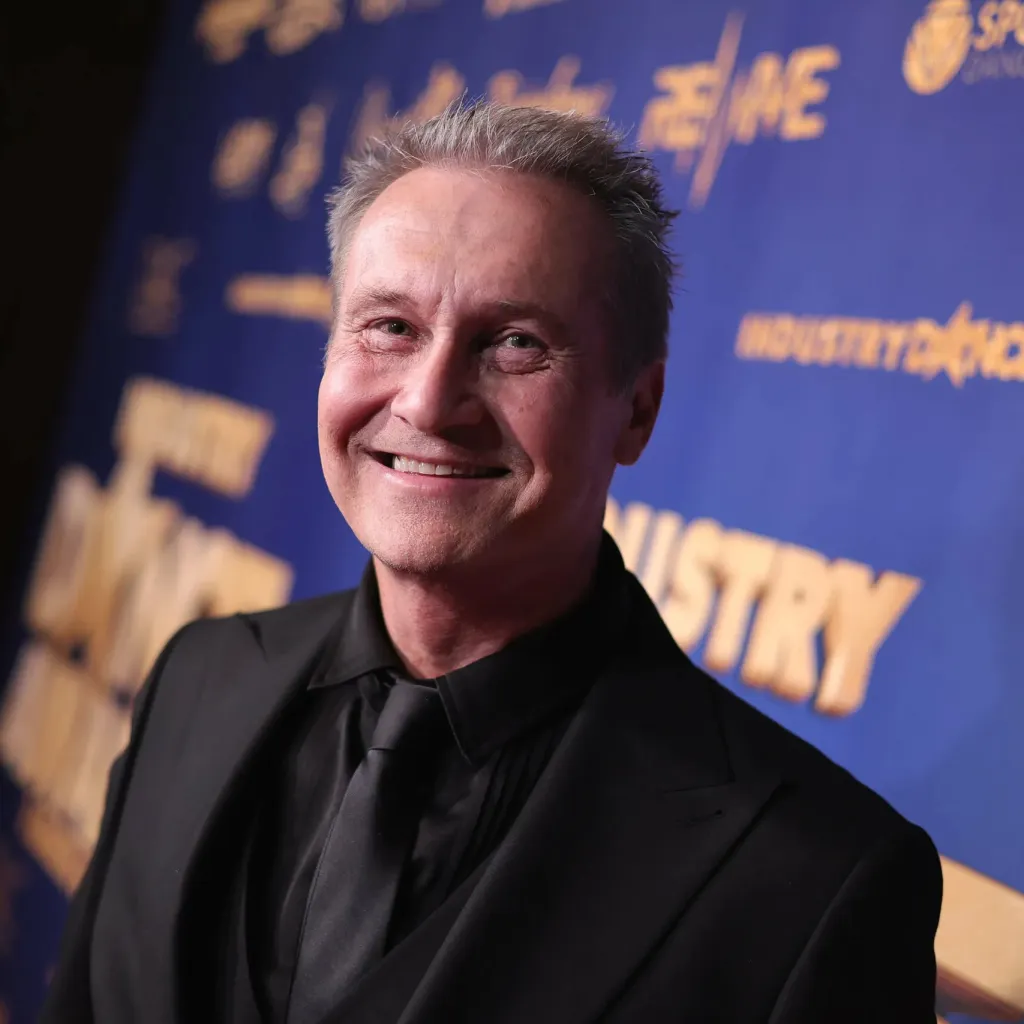
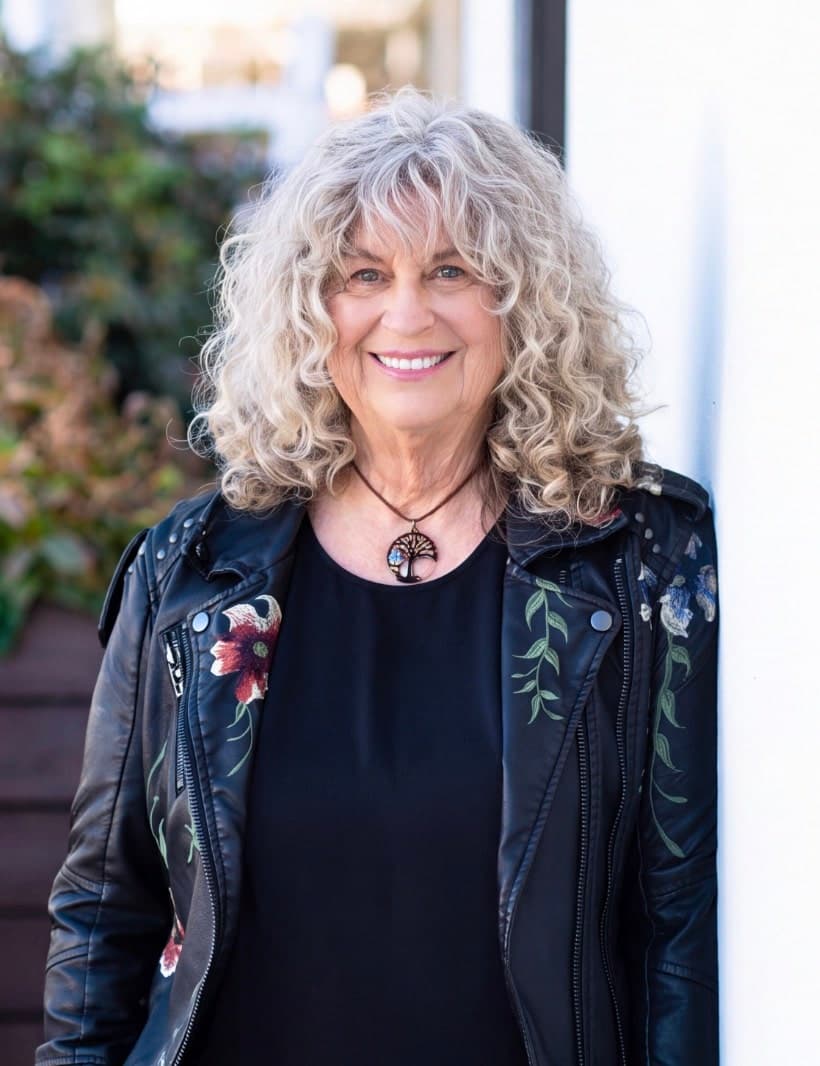
Comments