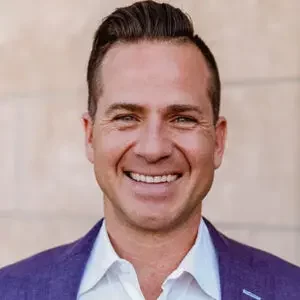
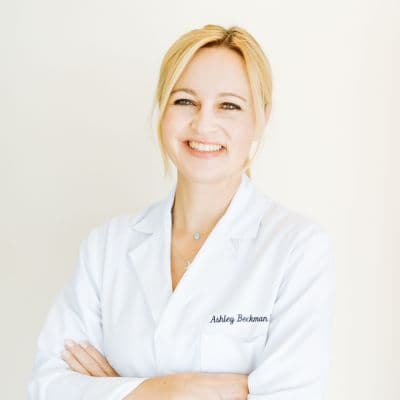
Full Transcript Introduction to Longevity and Early Intervention 0:00 Most people come into if it's alternative medicine, functional medicine. 0:05 Once they've received a diagnosis. Right. 0:07 And this is often a little too late. Right? 0:10 I mean, it's amazing that your friend was able to do that. 0:13 And we do have so many more advanced tools now. 0:16 But for kind of like the average person, it's a much 0:21 bigger problem right after you've already been diagnosed 0:24 with a disease or something that's, you know, to, 0:26 to the traditional model, incurable and sadly, 0:29 that's the big motivation that people have to even look into their health. 0:34 Right? 0:35 So when we're looking at longevity, we're hoping that people 0:38 are going to jump in and start seeing what are some of these possible 0:42 hiccups or barriers that are down the pipeline in my future 0:45 so that we can get a handle on it now so they don't have to happen, right. 0:50 So I think that's what's hard 0:51 is so many people, they come to us a little late, right? 0:55 Longevity isn't that way. 0:56 Like people are hoping for this amazing, beautiful lifestyle 1:00 and we get because we're testing, we get to see 1:04 what is there so you can address it now and get it out of the way. 1:08 This is doctor Talks real talk from real doctors. 1:11 Only issues that matter to you most. 1:16 Welcome back to the Longevity Leaders podcast. 1:19 I'm so happy that you're here. 1:20 I'm here with my amazing host, Doctor Ashley Backman. 1:23 Doctor Miller is out. 1:24 Unfortunately, prayers going out to him. 1:27 He's with his family going through some, transition. 1:31 I guess you could say, of, some people that that he loves. 1:35 So, so, Doctor Ashley, 1:39 you know, there's so much that we could talk about today, 1:43 but I think it's it's really important to 1:46 to get into a model for a longevity 1:50 that the consumers of this world can get behind and get excited about. 1:53 And, and something that doctors 1:56 can use in their practices to, to utilize as a framework to, 2:01 to get great results for, for, for their patients. 2:05 What do you want to, how do you want to, kind of intro 2:10 the holistic longevity model, maybe 2:13 share a little bit of, like, some of the, 2:16 the things that you do for your patients to optimize their health and longevity. 2:21 Sure. 2:22 So with my clients, I'm always looking right. 2:25 We always start with foundations. 2:27 And again, these are the things that everyone says 2:29 they have under control, but they usually don't. 2:32 Or there's something quite significant in their day to day 2:36 practice that is really throwing off their their health. 2:39 Right? 2:40 So again, this is clean food, clean air, clean water, sleep, 2:45 stress reduction movement and then maybe some sort of meditation 2:50 or something that goes along with reducing their stress. 2:53 And again, we have to make sure these are really dialed in. 2:57 And then we get to move on to some of the fun things.
Foundations of Health and Lifestyle Optimization 3:00 Right? 3:00 Some of our little gadgets and things that we can implement, 3:04 sometimes are a few times 3:06 a week up to daily to really start optimizing our health. 3:10 But another big piece of this is looking at our overall toxic load. 3:14 So I'm always looking at tests and labs, if possible, with my clients 3:18 for gut health toxins 3:21 and and then again, like looking at traditional blood work. 3:25 But through kind of a functional ranges and things like that. 3:29 So optimal areas because as we've spoken about before, some of these seemingly 3:35 very basic nutritional deficiencies can create very large problems for us. 3:40 Right. So some things are very simple. 3:43 And then other things just take a lot more fine tuning and putting together 3:47 these either protocols and lifestyle habits for ourselves and our clients. 3:53 Oh my gosh. 3:53 Totally. 3:55 I love that you talked about the foundations. 3:58 That's something that we discussed in our last episode. 4:02 And, it's it's essential. 4:05 But, you know, I want to get into this model of, 4:08 of, of this framework called the, the holistic longevity model that, 4:14 that I had put together, with your health doctor Ashley, doctor Rudy's help and, 4:19 you know, and again, it's it's it's a model that just works and it 4:24 it's, it's a model that would would stand the test of time 100 years from now, 4:29 as a as a way for people 4:33 to see a bright future with longevity. 4:35 And I will just say, before we get into this, it's, 4:40 it's important to know that this is a journey. 4:44 And it's not something that is like, give me the shot for longevity, right? 4:49 Right. Yeah. Like, I just watched one step. 4:52 Go ahead. 4:52 The one supplement, it just doesn't. 4:54 Yeah. The one supplement. Exactly. 4:56 I just watched, The Way of Water with the kids over, over the 5:00 the last week on our vacation. 5:02 And, they were, like, sucking, 5:05 this juice out of this, this whale's brain. 5:08 Because that, you know, is the cure to aging for humanity. 5:12 And they're making all this money out of it. 5:15 The reality is, I do think there are things like that 5:18 that will come down the pipeline and maybe not the cure to longevity, 5:21 but the or aging, but the, the, the just some unbelievable technologies 5:26 that we're privy to that will literally completely revolutionize the industry. 5:32 And, you know, if you're listening on this podcast, 5:35 the Longevity Leader's podcast, you're going to probably be getting access 5:39 to, you know, the most cutting edge information, 5:43 maybe first beyond before anyone else. 5:47 But, you 5:47 know, we're we're connected with a lot of universities and scientists 5:50 and people that are creating breakthroughs and, and longevity, 5:55 science and regenerative medicine and whatnot. 5:58 But, you know, getting back to, you know, this, this, 6:03 this model is that we need to be committed to the journey of longevity. 6:08 Yeah. 6:08 There's a psychology that we need to start with. 6:11 That is the commitment to the journey and commitment to discipline and the commit. 6:16 So if you're just not going to commit and be disciplined to living a lifestyle 6:22 that is, you know, healthy, you don't need to be perfect, but, 6:26 you know, healthy and and and integrating 6:29 these longevity strategies and being growth minded, 6:32 then you ultimately you're going to leave longevity in the dust. 6:37 And you could literally leave another ten, 20, 30, 40, potentially 50 or 100 years 6:42 of good life because you're just you're 6:45 just not open to, making any changes. 6:49 Right? 6:49 I had a guy come up to me is like, Isaac, if you think I'm going to eat that kale 6:54 or whatever it was that was in front of me, he's like, you can forget it. 6:57 He's like, I'd rather die, you know? 7:00 And like. 7:01 Heard that so many times, right? 7:02 If you're going to take this away from me, I don't want it to like, 7:06 I don't want to change my lifestyle. 7:08 The right is this is great barriers to change. 7:11 But everybody a lot of people have like a daily habit. 7:14 Right. 7:15 That kind of derails their longevity plan when you say. 7:19 Yeah, yeah, no I'm joking, by the way, I don't drink. 7:22 So yeah, you know, but but I'm just saying, like a listener 7:26 listening, this is like, wait a minute, what about the blue zones? 7:28 They all like, you know, have wine with meals, etc.. 7:32 But, but but you know, you're right. 7:34 And and again, we'll get into all the nuances on this show in the future. 7:39 But you know, in that respect, it's like, 7:44 you know, this, this person said that. 7:46 And what was really interesting is, you know, that the, 7:49 not a breakfast place with my kids over the weekend, I just took them out, 7:54 gave my wife a little break to just spend some time by herself. 7:58 I realized, just how incredible it is to have four children. 8:03 Like, I'm pulling my hair out. 8:05 It's just like, wow, this is intense. 8:09 But, you know, the the, 8:12 you know, I'm giving my wife a little break. 8:14 I'm at this restaurant, the owner of the restaurant who I'm friends with, 8:17 you know, it's this organic, awesome, kind of crunchy restaurant, but, like, 8:21 you know, all the higher, higher end people in my area love to go to it. 8:25 They designed it beautifully. 8:26 And, you know, the the owner came to me 8:29 and she said, Isaac, she goes, I had an aneurysm. 8:33 And I, you know, I, I really like I lost a lot, 8:39 you know, a lot of time, like, I'm, you know, it scared me. 8:42 Like, I said, she was just opening up about it. 8:44 Yeah. And. 8:46 And then she said something that hit me, and she said, she's like, Isaac. 8:51 She's like, I would walk into this restaurant 8:53 and I would do my team meetings and I'd be like, don't do this, 8:57 or else you're going to give me an aneurysm. 8:58 Or else you're going to give me an aneurysm, or else you're going to give me.
Mindset, Identity, and Growth in Longevity 9:02 She's like, I would say that on a regular basis. 9:04 So I just think that our identity, the words that we use, the thoughts 9:10 that we think are the core kind of element, our mindset of, 9:14 you know, moving into this journey of longevity. 9:18 Yeah. 9:19 And so anything you want to add to that or take away. 9:23 Sure. A couple things. 9:24 Well, first I'll touch on the wine because pretty much the other thing 9:28 that's great is how we always have options and we give healthier 9:32 alternatives to our clients. Right. 9:34 So yes, 9:35 that's one thing that I think is great for 9:37 the people who don't want to eliminate things. 9:39 There's usually always better choices because there are people going back 9:43 to nature and how things used to be made, and it is healthier. 9:46 So that's one thing that is good. 9:49 Secondly, what I did want to add is, you know, 9:51 we've worked together a long time and the probably the most 9:57 transformative event or, you know, 10:00 it was a weekend, maybe we were in Mexico for our set for a retreat. 10:04 Was the focus on our limiting beliefs. 10:07 Right. And we had that growth mindset. 10:09 And you can just how powerful all of our words are every day. 10:13 So these things that just keep circulating in someone's thought process 10:17 and this goes hand in hand, how people feel about their health 10:21 because they identify with the diagnosis and then they own it. 10:24 Right? 10:25 They say, my fibromyalgia, my Lyme, whatever, my migraines. 10:29 Like it's in your psyche when you keep repeating it. 10:33 But it's the same to when people they have to know that they're either 10:37 going to get better or that this beautiful life is available to them. 10:41 Right? 10:42 That's full of like, energy and vibrancy and thriving. 10:46 And if people are so caught up in what they've been diagnosed 10:50 with, diagnosed with, or what their parents have, and they assume that 10:54 they're going to get it, it's so limiting to them. 10:58 And so again, the growth mindset is a critical piece of longevity. 11:04 And just all of the meaning and weight of words. 11:08 If it's something that's negative or something that you're fearing 11:12 for your future. 11:13 If you're a medical doctor, nurse practitioner, chiropractor or other health 11:16 expert that's stuck in a broken system, there's a better way. 11:21 The Freedom Webinar shows you a proven five step system 11:25 to build a seven figure virtual health practice, 11:29 or how to modernize your current 11:31 brick and mortar practice without the burnout. 11:35 Learn to create high ticket programs, automated income, 11:38 residual revenue, and attract clients. 11:41 Ready to work with you? 11:43 Book your million dollar strategy session today by clicking the link 11:46 in the description. 11:53 And just, you know, extracting one of the things 11:57 you shared, which was growth mindset versus fixed mindset. 12:00 And Carol Dweck wrote a book called mindset. 12:03 She's a researcher at Stanford University, and she found that, 12:07 you know, the people that have fixed mindset, they're they make less money. 12:11 They, they have more diseases. 12:13 They, you know, are dealing with more, you know, challenges. 12:17 They they have a way of being that, 12:18 unfortunately, is specific to always looking at the negative, 12:22 always thinking that things are going to, you know, be bad. 12:26 I can't grow, I can't optimize. 12:29 They can do that, but I can't, 12:32 when they fail, they take that as a personal, you know, 12:36 they take that on personally and, and let that impact their identity. 12:39 Whereas growth minded, oriented or growth minded 12:42 people, they're oriented neurologically differently. 12:45 And you can change from being a fixed minded individual 12:48 to a growth minded individual simply by challenging your beliefs 12:52 and challenging your thought patterns and thinking about your thinking. 12:56 Right. 12:57 And so when I started learning about this concept 12:59 of being in a state of observation of my thoughts and being in a place where 13:04 I think about my thinking on a regular basis and I catch, 13:08 you know, each thought, you know, there's there's a, there's a scripture out there 13:12 that says you should 13:13 hold every thought captive, which is like, oh, yeah, who's going to do that? 13:17 But it's it's a practice that I've, you know, gone into and it's very powerful. 13:22 And it's like, man, I thought very poorly about this person. 13:26 I'm going to change the way I look at this person and start thinking about, 13:29 you know, a different way of, of, of viewing them or whatever. 13:34 That's, that's more powerful, you know, 13:37 and maybe a closer relationship that I have or whatever. 13:40 And so 13:42 you can shift from 13:43 fixed to growth and growth mindset is somebody that, you know, 13:48 they're like, look, the cup is half empty or excuse me, half full. 13:53 You know, I can can do whatever I put my mind mind to if I fail. 13:58 That's an opportunity for me to learn and to grow. 14:00 If somebody else is successful, 14:02 that just is more evidence that I can be successful as well. 14:06 If I, you know, you know, focus on something 14:10 long enough that I will achieve it even even if it takes me longer 14:14 than other people. 14:15 So there's this whole, like, conversation in the personal growth space of talents. 14:20 Not enough, because you've got all these talented people 14:22 that fail, and basketball and football and ballet and all this other stuff, 14:26 whereas the people that are focused on executing and committing 14:32 to the process and practicing, etc., they always rise to the top above 14:37 the people that may be more genetically talented than than they are. 14:41 Because they end up developing, 14:44 you know, an even better, powerful kind of neuro net of success. 14:48 So that is huge. It's foundational. 14:51 And it actually is is a really big part of the holistic longevity model 14:56 that I'm going to get into here, right now. 14:59 So I'm just going to share my screen. 15:01 And Doctor Ashley, you and I love 15:04 to, talk about 15:07 how the quality of your life is based really 15:10 on the quality of questions that you're asked. 15:11 Ask yourself, because it determines the quality of the answers 15:14 that you end up getting. 15:16 And so we end up, you know, 15:19 when we ask powerful questions, we get powerful answers. 15:22 This actually rings true in longevity. 15:25 So in longevity we like to ask questions that are powerful. 15:30 Like what is my maximum potential? 15:34 And and we don't get attached to the answer of it is like suppositories. 15:40 You know, 15:41 I'll just 15:42 keep bringing that up in this episode or on future episodes. 15:46 But it's it's like, you know, it's it's it's like, okay, 15:49 it is this and it is that, but it's also this. 15:54 And there's new research out that's showing, you know, 15:57 another really amazing breakthrough. 16:00 So it's living inside of the question of what can our maximum potential be? 16:05 I have a goal in five years from now to have 16:08 a, a pace of aging score, 16:12 which is every year that passes, 16:15 how essentially old or how many, how many years? 16:20 Chronic biologically are you aging every every year 16:23 that a chronological year that passes and most people are, are aging faster. 16:29 So chronological year will be one. 16:31 And then biologically, if you look at their methylation 16:34 biomarkers and all of that, they're aging at 1.3 or 1.5. 16:38 Right. 16:39 Yeah. 16:39 And so for me I'm way below that. Right? 16:43 I'm I'm like, you know, .72 that I'm 0.68. 16:47 And I'm like, you know, I'm dropping I'm getting better and better. 16:50 And I have a goal in five years to be at 0.25. 16:53 And the scale only goes down to 0.5. 16:56 Yeah. 16:56 So, you know, you know, one of the things 16:59 yeah, I'm like, I want to break the scale.
The Holistic Longevity Model: Data to Customization 17:01 Exactly. 17:02 I want to break the scale. 17:04 But but who knows. Like can you do it. 17:06 Maybe maybe not. 17:07 But my goal is to get down to, you know, 0.25 my done done Eden pace score. 17:13 And so, you know what what what is, what's occurring for you around, 17:17 you know, this question. 17:19 What is your maximum potential? 17:21 And then living inside of, the the other questions as well, which are, 17:27 how can we make 130, 17:30 how do we live well beyond 120? 17:33 Anything to to share there? 17:35 Sure. Yeah. 17:36 And, you know, I, I would share as well that those tests that we've done. 17:41 Right. It's fascinating. 17:43 And because it breaks it down in different areas, it also shows you, 17:47 you know, something that maybe the hormones are making you age faster, 17:51 but at your cardiovascular is way below like it's amazing. 17:54 All the tools that we have are just at our disposal. 17:57 It's so fine tuned now, what we can look at and how we can shift. 18:02 And again, there's there's just so much to look at. 18:06 I think too, we touched on this a little bit. 18:09 Men and women are quite different right. 18:11 And we have different stress loads, but also individually people have 18:15 stress can impact them in a such a different way. Yes. 18:18 And so what I've seen as patterns of, you know, I can have the food 18:23 dialed in the sleep, you know, exercise or whatever it might be, 18:28 but when we have so much stress, it pulls those markers down, right? 18:33 And it's not helping. 18:34 So there's just so much that has to be addressed. 18:39 And yes. 18:40 Again, living well beyond 120 again 18:43 as coming from a Chinese medicine perspective and practitioner, 18:47 their goal is to live as long as possible, but very robust, healthy lives, 18:53 not in a wheelchair, not able to do things, you know. 18:57 So you have all these amazing herbs and these practices 19:00 to conserve your chai and your energy. 19:04 And so I do look through that lens and you can see, 19:08 am I living in alignment with that type of life that's going to allow me to live 19:12 well beyond 120, or am I burning through all my reserves? 19:16 Right. 19:17 A lot of us are burning through reserves 19:20 at a much faster rate than what we can replenish. 19:26 Very interesting. 19:27 Yeah. 19:28 And and you know, you're talking about qi and energy and, 19:32 and there's, there's a lot of people that end up like burning their, 19:37 their energy overstress, you know, that 19:40 they're like you said around mindset is like people that are anxious 19:44 all the time are thinking about 19:45 the future, people that are depressed, they're thinking about the past. 19:48 They're never living necessarily in the in the present moment. 19:52 There's there's some people that say, hey, 19:54 if men have too many orgasms, you're burning through your chair. 19:57 You're going to live a lot less, women. 20:00 You know, other people are saying, hey, if women have more orgasms, 20:03 they're going to live a lot longer, right? 20:05 By the way, what do you think about that? 20:08 Well, yeah. 20:08 So for the men, 20:09 it is a depletion of your jing, which is called your vital essence. 20:13 It's like actually things that are, supposed to be conserved, not, 20:18 expended all the time. 20:20 So. But yeah. 20:21 And again, for women, women in that process are receiving 20:26 and we're getting key from men if that's, you know, the dynamic there. 20:31 So yes, for us it's like nourishing and giving. 20:35 And for you guys it is depleting. 20:36 So it's resisting balance. 20:39 But at the same time, men in general have more chai, 20:43 vibrance energy that they can, get, like get rid of women. 20:48 We have kids. 20:49 If we nurse, like, we're making food right for our children, 20:54 we give away half of our key with every child. 20:58 So, well, again, even having, 21:00 less kids is more conservative. 21:03 Conserving for your energy and the Chinese theory. 21:06 And so we just have so much, you know, our systems are quite different, 21:10 but at the same time, there's a lot of overlap. 21:13 Interesting, interesting. 21:15 Yeah. 21:15 So if if women have like 20 kids, it's probably can deplete their energy. 21:20 Right. 21:20 Like even, you know, if you're, you know, you 21:23 also you see people have a robust constitution, right? 21:26 Some women have so much energy, vitality, and 21:30 they are just constitutionally, more energetic. 21:34 And there's just a lot more to work with. Right? 21:36 Some people who are deficient tired. 21:38 Your chronic fatigue, fibromyalgia people. Right. 21:41 I was anemic, tired, low thyroid them. 21:44 Having four kids is usually pretty disastrous, right? 21:48 There's so much work that needs to be done to replenish that doesn't want ways. 21:54 But again, our lifestyles are not allowing this to happen, right? 21:59 They used to have something called 40 days after birth. 22:02 The woman was taking care of all the food, was made 22:05 the right food for replenishing all of your ki, 22:08 you know, and so practices have kind of gone away from that. 22:12 And we, we just, you know, there should be a big focus on the family 22:15 and the unit and the connection, like we were speaking of. 22:18 That's a huge. Yeah. 22:20 That's component to of how do we we know if we want to live in this longer 22:25 life with beautiful people around us, like we want them with us, right? 22:30 So if we're the only ones doing the longevity, like we need to have our 22:35 our kids and our spouse and people that we care about also on this path. 22:40 Yes. Oh my gosh. 22:42 Absolutely. Now that's huge. 22:44 So this is these are great topics. 22:47 And we'll have we'll get into more detail around, you know, 22:51 sex. We'll get more detail around peptides, exosomes, all of that. 22:56 In the future. 22:57 I just wanted to share with you, now, the, the holistic longevity model. 23:03 So this model, we developed, 23:07 because there needs to be a model for, 23:10 for, for, for for health care, and longevity that that's powerful. 23:15 And so, you know, 23:18 the at the core here, what you're seeing is, 23:22 is, is ultimately like very, very important to look at. 23:25 Right. 23:26 The core is, is, is you getting data and information about the person 23:31 and about yourself. Right? 23:32 So it allows for me to go to go from guessing. 23:35 Did knowing as the foundation for where you're at 23:38 and how you can live a long, healthy, vital life. 23:41 And so data is through lab testing. 23:44 It's through urine analysis. 23:47 It's through, hair analysis. 23:49 It's through blood analysis. 23:50 It's through stool analysis, through saliva, tests. 23:53 It's through cheek swabs and genetic analysis, etc.. 23:57 And then you've got lifestyle. 23:59 It's like, what is your current lifestyle? 24:01 Are you following forest, which is the blue zones, kind of lifestyle habits. 24:06 Are you what's your mindset like? 24:08 Think if somebody already believes that they're going to diet at 70, 24:12 and they're going to live a lifestyle that aligns with that belief. 24:16 And, but if you have a mindset like, I believe I'm going to live to 156 24:20 and that's my goal is to live 156, your mindset is set on that, 24:25 and then you're going to start doing things 24:27 and thinking about things that are like, okay, what can I do to align with 24:31 that belief in that identity of me being somebody that lives to 156. 24:35 Right. 24:36 And we'll do an exercise on this podcast in the future that will help you guys 24:39 extend your life quite dramatically, just from a psychological perspective. 24:43 It's very powerful, but, you know, it's it's it's something that I think is 24:48 really essential is is in the core elements, the core foundation. 24:53 It helps you go from guessing to knowing. 24:54 You get the data, you get the person's lifestyle mindset. 24:58 You get their kind of whether they're integrating some of the blue zone stuff, 25:02 and then it gives you an understanding of, okay, where, where are they? 25:05 But the reality is, if you don't get data, you can't customize, 25:09 you cannot customize. 25:11 And and if we want to build a program or a process of longevity for you, 25:17 we have to be able to get that data to customize. 25:20 Would you say anything else about this, this element? 25:23 Ashley. 25:24 No, I mean, again, it's it's some people can think of what 25:29 the things that they're doing are making a certain impact, 25:32 but without the testing and the data and the tracking. 25:35 Right. Even just CGM, for example. 25:37 Right. People think whatever they're doing is healthy. 25:40 You can you just need day to day data. 25:42 Or again, these specialty tap labs and testing to see, 25:46 am I actually where I think I am or is this just, 25:50 am I doing all of these tools and taking all these supplements? 25:54 But we want to know, is it actually working and what is the impact? 25:57 And some of that impact we get to see on a day to day basis, 26:01 which is just really vital information. 26:04 Absolutely. 26:05 Yeah. 26:05 And once you once you have that data then you can customize. 26:10 And this is the process of, of longevity. 26:14 You go into this phase of optimization where you go from average 26:18 or you know, downgraded to upgraded. 26:22 And so you may be having symptoms, you may have a disease or disorder. 26:26 You know, one of my friends earlier this year said, hey, 26:29 Isaac, I've got stage four cancer. 26:32 And I'm like, oh my gosh, I'm so sorry to hear this. 26:35 And he's like, I've only been given like a few months to live. 26:38 I think it was six months to live. 26:41 And, and, you know, this guy Ashley. 26:44 And so I was just like, I would not accept that diagnosis. 26:47 Like, I, I, you know, I would reject that. 26:51 And we're going to do some things that would, would help you 26:54 optimize your health, vitality, etc.. 26:57 And, and he's like, you know, he went out got some great advice from, 27:01 from various people. 27:02 But essentially he went and, and and reversed that cancer 27:06 within just a few months. 27:08 And, you know, you can follow him on Instagram 27:10 is Pete Sulak, Pete Sulak. 27:14 And it's it's really, really cool that the transformation. 27:17 But again, he got data. 27:19 He found out what was going on. 27:21 He then customized the process, 27:25 to, to help him just with the, the disease state that 27:28 he was in and, and he, he reversed the stage for cancer. 27:33 It was brain cancer in a very, very, short period of time. 27:37 And I think it was the size of either a tennis ball or a, or a, 27:42 what is it, a grapefruit? 27:44 I think it was the size of a grapefruit. 27:46 And, and and the crazy thing about that is that the only symptom that he had 27:51 was that he wasn't able to, like, he woke up before Christmas of last year 27:55 and he wasn't able to speak, and he was like, what the heck's going on? 27:59 That's when he went to the doctor's office because the tumor had grown so big
Optimize, Remove, and Enhance for Lifelong Vitality 28:02 that it was like pushing in on his ability to speak. 28:06 So anyways, you know, I, I really do believe that 28:11 if if we have a mindset of healing, of health, of optimization, of longevity, 28:16 and this guy had a big purpose, like, he had a big purpose, like, I want, 28:19 I want to serve my family. 28:20 I want to serve the world. 28:22 You know, that always helps. 28:24 So optimize. 28:25 You go from average or downgraded to upgraded and you have to restore, 28:31 you know, deficiencies, micronutrients, deficiencies of macronutrients. 28:36 A lot of us have micronutrient deficiencies. 28:39 We, we have, issues with our diet. 28:43 We have issues with, our organ systems, 28:46 like our kidney, our liver, our spleen, or whatever it might be. 28:49 So we want to upgrade the health of those elements, and then we can start 28:54 to, you know, after you build up your detoxification pathways. 28:58 We talked about this in the last episode, is the foundation for longevity is like 29:02 addressing a lot of the challenges that we're seeing in today's day and age. 29:06 Then you can move on to remove. 29:08 So when you restore the the pathways of the body and the drainage 29:11 pathways, etc., then you can move on to removing the factors 29:15 that are the foundational issues that drive chronic inflammation and, 29:20 oxidative stress in the cells in the body and then drive 29:24 the acceleration, all the hallmarks of aging, 29:26 which we'll talk about in a future episode. 29:28 So this is you know, this is challenging. 29:31 It's important to to look at and after you optimize and you, you, 29:35 you kind of upgrade your body, you can then go and to enhance. 29:40 But before I get into enhance, you know, if you don't optimize, 29:44 if you don't address the foundation, you can't increase your health span. 29:47 How can you increase your quality of life without addressing your, 29:53 the factors that are driving disease formation in your body? 29:57 You can't. 29:58 So, this is where you can really increase your health span. 30:02 Anything you want to add? 30:03 Take away from this doctor Ashley? 30:06 You know, a couple things of what you mentioned, too, is, 30:08 you know, most people come into if it's alternative function, 30:13 alternative medicine, functional medicine, once they've received a diagnosis. 30:18 Right. And this is often a little too late, right? 30:21 I mean, it's amazing that your friend was able to do that. 30:24 And we do have so many more advanced tools now, 30:27 but for kind of like the average person, it's a much 30:32 bigger problem. 30:33 Right after you've already been diagnosed with a disease or something 30:36 that's, you know, to to the traditional model, incurable. 30:40 And sadly, that's the big motivation that people have 30:43 to even look into their health. Right? 30:46 So when we're looking at longevity, we're hoping that people 30:49 are going to jump in and start seeing what are some of these possible 30:53 hiccups or barriers that are down the pipeline in my future 30:56 so that we can get a handle on it now so they don't have to happen. 31:00 Right. 31:00 So I think it's hard, as so many people, they come to us a little late, right? 31:06 Longevity isn't that way. 31:07 Like people are hoping for this amazing, beautiful lifestyle. 31:11 And we get because we're testing, we get to see 31:15 what is there so you can address it now and get it out of the way. 31:19 Because you know what? 31:20 I love that, you know, and and I 31:22 this model works for somebody that's about to die in a few months. 31:26 But like you said, we want people to ultimately be, becoming us. 31:32 Ultimately, like a lot of my patients, a lot of them were asymptomatic. 31:36 Yeah, a lot of my health participants, they were asymptomatic. 31:39 They came to me because they're like, you know what? 31:42 I need to get the data. 31:43 I need to understand, what's going on in my body. 31:46 I want you to help to customize a system, a strategy, a program 31:50 that will help upgrade my my life and and I would just get these, 31:55 these rockstar women and men that would work with me. 31:59 And then it was so cool because we got to see pre and post 32:02 lab testing after they went through optimize and enhance that we 32:06 we would post test and then it was it became health care became a game. 32:11 And this is where I think the gamification of longevity comes in 32:14 where when you pre and post lab tests you see, oh my gosh, 32:18 I've just decreased my toxic burden by 50% in the last six months. 32:23 I've just overcome 100% of my micronutrient deficiencies. 32:27 I just got rid of, you know, dozens of my, 32:31 you know, IgG immune, you know, immunoglobulin responses 32:35 that were, were creating chronic, 32:38 you know, transitory inflammation in my body or whatever. 32:42 It's it's like, whoa, you can start seeing this is this is good. 32:45 Like, you're making really great progress, right? 32:47 Yeah. 32:48 Yeah. 32:49 It's amazing to some of the shifts, you know, some of these things 32:52 that people really fear, like prediabetes and things like that. 32:55 Those are easy changes within a couple months. 32:58 Right? There's so much we can do. 33:01 The toxins take a little bit more time. Right. 33:03 But at the same time what's amazing is we we track it, you see improvements, 33:09 and then that's when really this optimization enhancing flourishes. 33:14 Right. 33:15 And you can just then you can really kind of be 33:18 who you were meant to be without this kind of like toxic burden 33:22 of what our world has kind of dragged down in your system and you really get 33:26 exactly and shine and kind of do what your mission is on this planet. 33:32 So good, I love that. 33:34 Yeah. 33:34 And everyone I believe is has got a calling and a purpose 33:38 that's divine, you know, and it's something that, 33:41 this model is going to help you, you know, really maximize. 33:46 So here's the thing is that a lot of people, 33:48 they'll go into their functional medicine, doctor, 33:50 they'll go into like a health program or they'll they'll optimize their health 33:53 and then they'll, 33:54 they'll, they'll drop back into where they were before and in a month or two, 33:58 not the way that we want to do it. 34:00 The opposite is true, is that we want people to move into enhance. 34:04 And so you optimize, you upgrade, you don't then go back into your old ways. 34:09 You don't then integrate, all these bad habits again and, and, 34:14 and and all of that you move into enhance. 34:17 Enhance is where you continue to upgrade. 34:20 You, you and I, I call it you go from upgrade 34:23 to superhuman and superhuman is above human. 34:26 Super means above human. 34:28 And and I love that definition is because, you know, to be above 34:33 just the regular kind of human ness of of us 34:37 is just like the, the way that that everyone else is. 34:40 No, you don't need to be that way. 34:42 You can be different. You can make different decisions. 34:44 You can adopt a different identity, a different belief system. 34:47 And this is where you you play in these different testing 34:51 technologies, tools that are going to continue 34:54 to get better and better and better every year, every month that passes. 34:58 And then you pull these hundred plus longevity levers. 35:01 There's so many different longevity levers. 35:03 But this becomes the journey. 35:05 And it's so fun because you can rejuvenate your skin. 35:08 You can rejuvenate your hair, your nails, your your 35:11 your organs, your tissues and and and 35:15 and this is where you really make a big impact in increasing your lifespan. 35:19 Because if you don't go into focusing on enhancing 35:22 and adopting that new identity and saying, hey, I'm in this for the long run 35:27 and you don't like get create fun out of this longevity journey. 35:32 You, you you really don't increase health. 35:35 And my term for this is optimal living. 35:39 So this is like kind of, you know, this is the holistic longevity model. 35:42 But if you stick with this, 35:44 you access optimal living, which is not just the physical 35:48 but the spiritual, mental, emotional, you know, psychological, etc.. 35:54 Elements of, of humanity, right? 35:57 Body, mind and soul. 35:58 And it is it is where you are 36:02 optimizing yourself, at a high level. 36:05 And, and my goal is to continue to build a tribe of people that are, that 36:09 are doing this and supporting each other in all these different communities 36:13 and doctor's offices and, and, you know, different communities 36:17 around the world as well as, just just like, 36:21 you know, just this online community that we have, of people 36:25 all over the world that are that are encouraged and committed 36:29 to doing this, anything to to share about this enhanced, section. 36:33 Here. 36:33 Yeah, mostly, again, that this is, you know, people are so kind of used to 36:36 a model or a framework of, oh, is this a six week kind? 36:40 How much can I do in the short period? 36:42 That's, you know, quick and fast. 36:44 But this is really about a longevity lifestyle. 36:47 This is something you're going to be implementing for many years. 36:50 It doesn't mean you have to always be testing and doing this. 36:53 But you know, this is kind of like your blueprint for the rest of your life 36:58 to just optimize our time here and, and then enhance it and just really have, 37:03 a much upgraded quality of life that you can really enjoy. 37:08 Yeah. 37:09 And again, you don't have to be perfect, like you said this, but this is this, 37:14 this this model is a commitment to the rest of your life. 37:19 And it's fun. 37:21 It is so fun. 37:22 It is like it's not boring. 37:24 It's not like, oh, man. 37:27 You know, this is not good for me or whatever, man. 37:30 It is, it is. 37:31 It is really fun. 37:32 So, you know, this has been really fun to just even get into today with you, 37:38 doctor Ashley, you know, the holistic longevity model, 37:42 the mindset of excellence, getting out of a fixed mindset into a growth mindset, 37:47 committing to getting data, getting information, 37:51 you know, customizing it, a system, a program, a way of being a lifestyle 37:55 that is going to help you maximize your health and then enhancing 38:00 that upgrade that you've made to elevate to superhuman for the rest of your life. 38:05 Right? Yeah. 38:07 And any last words of encouragement, 38:10 to to really encourage them to adopt a long term 38:14 sustainable model of living versus just a short term attainable. 38:18 I'm doing these things. 38:19 I went to this clinic, I went to this resort for a week or whatever. 38:23 Yeah. 38:23 I think the main thing too is again, we sometimes forget the impact that we have. 38:27 So even with one person is doing this within your family, it ripples out. 38:32 You know, a lot of us are making the choices kind of for the whole family. 38:36 So you're helping your kids, your spouse, 38:38 and then also the, you know, your outer family as well. 38:42 I, I, 38:42 I'm always amazed at feedback of people, you know, that we talked to and and like, 38:46 I remember this thing that you talked about. 38:48 And so we never know the impact. 38:50 But when it's like this and you're sharing information 38:53 that is in the longevity space, it really can help so many people. 38:58 And I think it's just very important because most people are stuck 39:02 in this more disease forward fixed mindset, you know, all the world. 39:07 There's so much here that's not good and it's not going to get better. And 39:12 we have a lot of control. 39:14 And again, we just want to make sure and spread our impact as much as we can. 39:18 And it does start with ourselves our family and then it can spread. 39:22 So you know, we have a lot of information out here 39:25 and things are always changing, but it's very exciting. 39:30 Absolutely. 39:30 Doctor Ashley, thank you. This was fun. 39:33 Really, really cool talking about all of this with you. 39:37 And, Yeah, we'll we'll keep it going. 39:40 Appreciate you, doctor. 39:41 Ashley, it was a pleasure. 39:43 Thank you for tuning in to Doctor Talks. 39:45 We hope today's episode has enlightened 39:47 and inspired you on your path to optimal health. 39:51 Each day is a new opportunity to make choices that empower your well-being. 39:55 For more insights and strategies, subscribe to our podcast 39:58 and visit our website w WW dot doctor Talksport.com. 40:04 Stay connected. 40:05 Stay healthy and join us next time on Doctor Talks. 40:09 Real talks from real doctors on the issues that matter to you most.
Comments