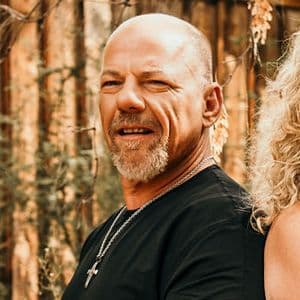
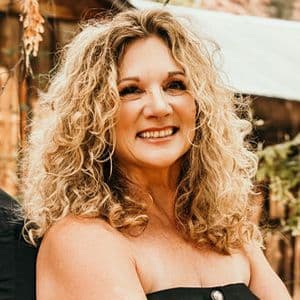
Full Transcript Welcome to The Holistic Truth 0:00 You need fats. 0:01 They become the building blocks of every cell in your body. 0:05 And if someone calls you a fathead, which I've been called many times, it's true because your brain is 70% fat. 0:13 So when you look at things like Alzheimer's, type 3 diabetes, dementia, that's when people start to lose the essential fatty acids in the brain. 0:24 Welcome to the Holistic Truth Podcast. 0:27 I'm Jamie Dorley, CEO of Nutritional Frontiers. 0:30 And I'm Christine Genovese, creator of the Soul Intelligence Method. 0:33 We're here to help you break through chronic disease and dysfunction physically, mentally, emotionally, and energetically. 0:40 with real proven strategies, protocols and tools you can use in your practice today. 0:46 Hi, everyone, and welcome back. 0:47 We're live at The Holistic Truth, your number one podcast for healing in the mind, body and soul. 0:55 So I'm your host today, Jamie Dorley. 0:57 I am the CEO and founder of Nutritional Frontiers. 1:01 And we are making the world healthy and making your world health. 1:05 Welcome back to my gorgeous co-host, She is our Chief Growth Officer. 1:12 She's also the creator of the Soul Intelligence Method, award-winning author. 1:17 And I tell you what, she's my partner in crime. 1:20 So welcome back, Christine Genovese. 1:22 Thanks, James. 1:23 I'm excited to have the opportunity to talk to everybody today about the evolution in holistic healing.
Food Pyramid History and the Rise of Processed Carbs 1:31 There's been a lot of buzz on the internet about nutritional pyramids lately. 1:37 Tell me more, the evolution and holistic healing. 1:40 I love it. 1:41 Well, what I want to do is I'm actually going to go to presentation that you and I worked on and see if we can share with everybody kind of how things 1:56 have developed. 1:57 Cause there's been a whole lot of buzz out there. 1:59 All right. 2:00 well, I think it's really important for people to understand, you know, we've had multiple nutritional pyramids, right? 2:07 And you would think they would all be focused around the same basics. 2:12 You know, we think we know how we're supposed to eat, but obviously we don't know. 2:18 So let's rewind. 2:20 I know I was a couple years old when this originally came out. 2:24 Yeah, you were a baby. 2:26 Yes. 2:27 It's so fun. 2:28 Remember like it was yesterday, right? 2:30 Cause we were really trained and indoctrinated with this whole food pyramid in the 1970s. 2:38 So back in grade school, I remember we learned about it. 2:41 And then over the years, you know, we realized that this pyramid probably should have been flipped upside down, right? 2:49 Because this was really the beginning of the high fructose corn syrup years in 70s, and then remember the fat-free days in early 80s? 2:57 And it all goes back to this, because if you look at the base of a food They really want us to have eight or six to 11 servings per day of bread, 3:11 cereals, rice, and pasta. 3:13 All the starts and carbs. 3:19 Well, yeah. 3:20 Well the Italian is the olive oil too, right? 3:22 So I think what happened was that they took a lot of the good foods and they over processed them, so the bread become over-processed, 3:32 the cereals are processed, even the pastas, these aren't pastes imported from Italy. 3:38 And if you look at this, there's a underlying cause to really the evolution of diabetes, right? 3:46 Because you're eating that many servings of carbohydrates and people aren't working out, then their body weight's gonna go up. 3:54 They have a lot of energy. 3:56 People don't realize, you can only store roughly four to 600 grams of carbs in your body, depending on how much muscle you have. 4:04 So as soon as your tank is full, Christine, any other carbs you take in, you get converted to fat. 4:12 And not only that, when your energy levels are full, any fat you take in is stored. 4:18 So this is a recipe for disaster and obesity. 4:21 If you look back over the last 50 years, that's kind of what happened. 4:25 You walk through the airport, even at the beach now. 4:28 I was in Pilates this morning and The bodies have changed quite a bit over the years and this is really where it all started and things went kind of off course. 4:43 Well, you know, I always think about it as, we kind of grew up with TV, right? 4:47 When we went from the dial to the remote control. 4:51 We thought that was super cool. 4:52 And only so many channels in New York City. 4:55 But I remember, when you look at the shows from back then, like the Brady Bunch, they're all tall and skinny, Right? 5:01 You know? 5:02 They were petite, basically. 5:03 They look like Rosinian, yeah. 5:05 Oh my God. 5:06 By the time you get to, the 80s and 90s, everybody's huge. 5:11 Right. 5:11 Yeah. 5:11 And it's only gotten worse, right? 5:13 Yeah, look at this. 5:14 Then they put in some veggies and fruit. 5:17 The thing that was interesting, you know, is the dairy products, because I tell people, one of the first things I told people is get off of dairy product. 5:26 They're always like, do I go to skim milk? 5:27 I'm like no, we're not made to drink cow's milk. 5:31 There's a lot of things in there we don't want. 5:34 Our bodies are really allergic to the milk, And then you look at the top of the pyramid, they want us to limit fats. 5:42 There's different types of fats, there's the fat from extra virgin olive oil and I had a great salad last night with a friend watching football, 5:50 so I have avocados in there and olives and olive You know, natural nut butters and seeds, those are the good fats. 5:58 The bad fats are hydrogenated fats, and we were talking about this recently. 6:03 If you put up the chemical composition up on the board of a hydrogenating fat and plastics, they look almost the same. 6:11 So these are very congesting to the body. 6:13 And we learned recently about a credit card full of plastics in your body, so these hydrogenate fats a really the problem, 6:20 not the natural fats which we really need more of. 6:25 Well, it's interesting, too, when you think about, you know, Casey Means and her brother wrote this book, right, talking about the evolution of food,
Sugar Addiction, Inflammation, and School Nutrition 6:33 processed foods, and that the companies that used to be focused on tobacco purchased all the food companies. 6:42 And then they started to work on formulations to get people addicted to the high processed food and sugar. 6:48 It was just, oh man, let me tell you this. 6:51 I was watching his video over the weekend. 6:56 the snack sales are down tremendously because people on GLP-1s and focus on weight. 7:02 So they're all seeing a tremendous decline in sales. 7:05 What they are working on now, which is really scary, is that snacks that people will be addicted to even if they were on GLP-ones. 7:14 Oh my gosh. 7:15 Yeah. 7:16 I just saw that last night and I was like, I can't believe what's going on. 7:20 If you look at these biochemists that work for these food companies, They want you to be addicted, right? 7:25 People licking their fingers from the Doritos, the old Lays commercial. 7:29 You can't eat just one, why? 7:32 Because they're addicting. 7:34 The more of those, that's what I tell people, you're better with none. 7:37 One's too many and a thousand's never enough. 7:40 But you write on because these people that, because cigarette smoking is down in our country, but what's up is they said sitting is the new smoking. 7:51 It's the same risk factors. 7:53 And people are, you know, spend too much time on the couch. 7:57 Even though cigarettes have declined, the snacking has gone up because you're right on, Christine. 8:03 All that money was reinvested into like Post and Kellogg's and all these companies because just like the cigarettes, they want you addicted to the processed junk. 8:14 It's not food. 8:14 There's either junk or there's food." So, well, what's crazy is that this pyramid remained in place. 8:23 for more than 30 years. 8:26 The next pyramid we have, I believe it came out from Tufts University and you got a score. 8:34 How did this one work? 8:35 And not until 2002 did they give us a new one. 8:39 You know, when you're looking at this, it's really interesting because, you know lucky charms gets a 60, right? 8:47 If that doesn't jump off the page, right? 8:50 Cereals gets a 95, canned peaches, which is just pretty much fruit and syrup, gets 97, at least watermelons at the top, but chocolate covered almonds, 9:03 not almonds but let's put chocolate all over them, It's insane. 9:08 This is absolutely insane, you know, and what they tell you, even like orange juice, right? 9:14 They tell if you're going to have fruit, eat it, not drink it. 9:19 Because the fruit at least has fiber and phytonutrients in it and really the orange. 9:24 So again, we were, I remember Tropicana as a kid, it was like, um, he mentioned the Brady Bunch. 9:30 I think the woman from there was, was the big spokesperson for it And they basically just take the juice out of it, and they water it down, 9:39 they add sugar to it. 9:40 Because sometimes you'll look at the container, it'll say, no added sugar. 9:43 I'm like, what about the other ones? 9:46 Yeah. 9:46 So this was even worse. 9:48 They applied scores to food. 9:50 And this is back from the early 2000s. 9:53 You know, the cereals, you know there was a book called Cereal Killer with a C. 9:59 And yeah, it was like a tongue-in-cheek thing, but it talked about how our country, when they got hooked on cereales for breakfast, 10:09 cause it's cheap, its quick, It's easy, and what else is it? 10:13 Addicting, right? 10:15 Hey, I'll be transparent, there's fruity pebbles as a kid, those are very addicting. 10:22 Yeah, we all knew about Cocoa Puffs. 10:23 We all know about Free Pebble. 10:25 Cuckoo for Coco Puff, yes. 10:26 And I remember my mom like, well, you should have Cheerios. 10:29 Some people were like what about Mini Wheats? 10:31 Well, can we at least have the Frosted Mini Weets? 10:34 They taste like crap. 10:36 It's like cardboard. 10:37 Yeah. 10:37 One of the versions that eats Frost and Mini wheats is second. 10:40 This one has Cheerio's third. 10:42 So yeah. 10:43 Unbelievable. 10:43 You know, it says here, to be encouraged. 10:47 They're encouraging people to have Sugar, sugar, it's all sugar at the top, right? 10:53 There's not one thing there without sugar. 10:56 It's loaded. 10:58 I think you were telling me at one point that there was an experiment that they did with rats about how they were more addicted to sugar than cocaine? 11:09 Yeah, this is interesting. 11:10 This is from the movie Food Inc. 11:12 It's a great documentary. 11:14 I love the documentaries. 11:15 You know, you had the original Super Size Me, where Morgan Spurlock went to McDonald's three times a day. 11:21 And if they asked him to supersize it, he had to. 11:25 That was kind of his experiment for 30 days. 11:28 What they noticed after 30 day, not only did he gain over 20 pounds, his blood lipids, they were showing non-alcoholic fatty liver disease after thirty days, 11:40 so his... 11:42 Yeah, his girlfriend at the time was a naturopath and it took her It took him about three months just to lose the weight, 11:50 but it took them a year to get his blood chemistry back after doing that. 11:55 So after supersizing, I mean, there was few, yeah, it's crazy because they're showing those hydrogenated fats, the fine and fast food are the worst things 12:04 for you. 12:06 Part two of that was Food Inc, which I believe Katie Couric was the narrator. 12:12 They didn't experiment in there. 12:15 The mice are allowed to eat. 12:17 either high fructose corn syrup or cocaine, right? 12:22 Which is one of the most addictive drugs on the planet. 12:25 And what they found is over time, the mice would actually go for the high-fructose-corn syrup. 12:33 How scary is that? 12:35 Yeah, no wonder our country is so overweight. 12:39 I tell people, and look, I rarely lead anything processed, You know, I have a pizza now and then and those type of things, 12:47 but for the most part. 12:48 Maybe pretzels. 12:49 Pretzles is, yeah, that is my, yep. 12:51 I haven't bought any in a while, But I do like some pretzel.s I found some good ones at Whole Foods. 12:59 But what I realize is that you're better off without any of those things. 13:03 So part two of the study is really cool. 13:06 So now they says, all right, we're going to give them the high fructose corn syrup. 13:11 But each time we give him a little electrical shock. 13:13 A little jolt. 13:16 And then they would see if they what they were doing. 13:18 They kept eating it and eating the High Fructose Corn Syrup until their bodies were literally on fire on the inside. 13:29 Now you think about what about us? 13:30 We always talk about inflammation. 13:32 Yeah. 13:33 The same exact things are occurring. 13:35 If you're eating high fructose corn syrup, you are addicted to it. 13:40 A friend of the family, a few years ago, I was talking to this guy, he's our age, right? 13:46 50s. 13:47 And he saw I want to lose weight and I said, well, what do you drink other than water? 13:53 Soda. 13:54 He was drinking like four, five, six Coca-Cola's a day. 13:58 So I told him, I says, do one thing, just cut out the soda and see how you do it. 14:02 It's high fructose corn syrup, there's 38 grams of sugar per can. 14:07 I go, that's more than you need in a month. 14:09 And I saw them, a I don't know, month or so later, and he looked different. 14:15 He's like, oh, what have you been doing? 14:16 You look good. 14:17 he says I just cuts soda out. 14:20 Because I got, That's it? 14:21 He goes, yeah, lost 15 pounds. 14:23 and He says you know what? 14:24 My legs don' hurt anymore. 14:27 He was always in pain, he thought he had arthritis. 14:29 He didn't have arthritis, He had inflammation and toxicity. 14:34 So the best you can do, folks, is to do a cleanse and start cleansing off these very addictive food products. 14:42 These biochemists are paid millions of dollars so you get addicted to them. 14:47 And you ever hear somebody say, my Doritos, and my Mountain Dew? 14:51 You know, and then we haven't got into the brain chemistry. 14:54 I worked with Barbara Reed Stitt years ago with Northern Nutrition, one of the top Amish clients in the world out in a state of Indiana. 15:03 Barbara Reid Stit was a. 15:06 an old nurse, RN, and her specialty was that she worked with juveniles, you know, kids in reform school. 15:15 And she started looking at why these kids are in trouble. 15:18 She goes, most of them seem like they're pretty good. 15:19 They're 15 to 18 year olds. 15:22 Her husband was a biochemist and he started saying, look at their diet. 15:25 This is in the 70s. 15:27 and she found that two things that they would consume the most would be chips and soda. 15:32 So she did her own little experiment at Appleton School District in the state of Wisconsin, and she put in organic whole foods into the lunch cafeteria, 15:45 And they eliminated any snacks and no soda. 15:49 You know, in one year, test scores went up 30%. Oh my gosh, that's incredible. 15:56 Test scores. 15:58 And she says, Just about all of the trouble was eliminated. 16:04 There wasn't fistfights in school. 16:05 Right, because it got all amped up on sugar. 16:08 Yeah. 16:09 Can you believe that? 16:10 I got chills in one year. 16:13 And I know when you talk about your program, the mind, body, and soul, all types of trauma and toxicity gets trapped in the people. 16:25 Trouble was eliminated and test scores went up just by changing the diet in the school district. 16:31 And this goes back 40 plus years. 16:33 Well, what's incredible is we're skipping from 2002, right, with the Tufts craziness, and we are going to 2008 because Ocho de Mayo is the official start 16:48 date of Nutritional Frontiers and you, being ahead of your time, came up with a nutritional pyramid that we've been following since 2008. When you talk 16:59 about detox and what do we need from a foundational perspective. 17:04 So I'd love for you to walk everybody through our nutritional frontiers. 17:08 Nutrition pyramid. 17:08 Thank you. 17:09 I feel so proud how you presented that. 17:11 And you know what happened was that I knew the food pyramid was a disaster as a personal trainer. 17:17 Because people would go to that and I said, it's completely wrong.
Building the Great Pyramid of Health 17:20 There's no protein on there and there's, no good fats. 17:24 And then after the Tufts University one came out, that's when I about lost it. 17:28 I says, we need to create, and called it the great pyramid of health. 17:33 And we work with our team and Dr. 17:35 Tracy and Doctor Weiner and our entire Dr Len Bransiewicz and some of our top clients in the country. 17:42 And I says, you know, I want to create a food pyramid that actually is healthy. 17:47 So. 17:49 And I said, it can't be just supplements. 17:51 I says it has to be where it incorporates everything together. 17:56 And we said well, let's not start with supplements, Let's start the foundations. 18:00 So this comes from Dr. 18:02 Bob Wachowski's seminar series back in 2005, which was the Magnificent Seven. 18:08 Eat right. 18:09 Drink right, think right. 18:11 Move right poop right detoxify right and you need emotional wellness. 18:17 So we say, I think sleep right was in there too. 18:19 Yeah. 18:19 There you go. 18:20 That's number seven. 18:21 And that's why we're good together. 18:22 Yes. 18:22 Sleep right? 18:25 And I said, all right these are things that people have in their circle of control, right I'm reading the book let them, 18:32 which we'll talk about in a minute here. 18:34 You know, I got that from three different people. 18:36 So I guess it was signs from the universe and God that I need to actually read it. 18:41 A little emotional wellness homework. 18:44 I like it! 18:44 Yes, which is in here too, emotional wellness, right? 18:48 So the whole idea of the Great Pyramid of Health, Christine, is that we build it on a foundation. 18:52 You can't out supplement or out medicate a bad lifestyle. 18:57 Absolutely. 18:57 And you need to build on the foundation, not on quicksand. 19:01 So people that just want to change their diet or they just wanna exercise, but they don't address the foundations. 19:08 They may lose weight, but they usually lose muscle. 19:10 This pyramid is designed that you will help your body shift from storing of fat to burning fat and building muscle, so eating right, 19:22 drinking right. 19:22 I always ask people, other than water, what do you drink? 19:26 Because I've asked people whether they drink, oh, I drink a lot of water. 19:28 No, they don't. 19:29 A lot a juice, a lotta soda, and these energy drinks, do energy drink increase your risk of stroke by 500%? That's insane. 19:39 Yeah. 19:40 That anybody would drink them. 19:41 Right. 19:42 And we know people in our world who are actually into wellness who drink. 19:48 Yes. 19:48 It's kind of funny. 19:49 I have this cool t-shirt that I wear on the tennis court. 19:53 it's got a picture of coffee. 19:56 And wine at night, you know, and it's called plan for the day. 20:01 So I do have my coffee, but I started, I mean, always start with some water before I have coffee. 20:06 Cause I heard that gets your system going. 20:09 It's really good to kind of, get your cells. 20:12 hydrated before you go and dehydrate with coffee. 20:15 So my regular day, as you know, instead of tennis every day which would be wonderful, I do actually drink a lot of water. 20:23 I prefer to have the carbonated water, so I typically do a Pellegrino most of my day. 20:28 And I try and drink the number of ounces in a day as much as I can. 20:36 Occasionally, most often, i like to finish my days off with a nice glass of wine with dinner. 20:42 Yeah, of course you drink Italian wine, right? 20:45 It's really healthy. 20:46 As clean as possible. 20:46 You don't have the sulfites and all the sugars. 20:49 And, you know, Dr. 20:51 Bob showed research years ago, one or two glasses of highly qualified wine is better than none. 20:59 He says that the third one is where things change, Right? 21:03 You better make sure it's a big glass, yeah. 21:06 But, the other part in here I want to talk to you about is emotional wellness, We live in this really chaotic fight, flight or freeze world where we're 21:18 constantly on the go, go go. 21:20 And I think it's been really challenging for me personally. 21:24 I'm getting much better out of it. 21:25 But a lot of people just for being calm, quiet and peaceful. 21:30 So can you comment a little bit because of your work with soul intelligence and what you're seeing with some of the patients and clients? 21:38 Yeah, I mean, when you think about even just our phone today, having that crazy lifestyle that we have, a phone giving you a text message can put you into 21:52 fight or flight. 21:53 An email, phone call, and we get those constant interruptions throughout our day and that can kind of put your back into that fight, 22:01 flight, freeze, or fawn. 22:04 And those are just your nervous system responding to a threat. 22:08 And when you think about, you know, if we roll the clock back to 1970, we didn't have too many threats, right? 22:15 We didn' have the cell phones. 22:16 We did'nt have that constant stimulation or interruption. 22:20 And so our stress levels and our lifestyle has steadily increased. 22:24 What we try and do on the emotional wellness side is to really look at what the root cause of dis-ease within the body is. 22:31 Right? 22:31 So what's underneath that inflammation? 22:34 Is there old stored trauma that's in the body that hasn't been released? 22:38 Are you carrying a pattern from childhood? 22:41 You know, and do we need to shift that pattern because it's showing up in your relationships as an adult? 22:47 Those are the things that I can work on through the Soul Intelligence Method, and we're able to bring that up from where it's stored in the body, 22:54 which is typically the subconscious mind. 22:56 I think the Body is technically the barometer to the Subconscious. 22:59 It always tells you what's going on, right? 23:01 You've heard books like The Body Keeps Score. 23:05 And that's exactly what you need to do. 23:06 So since it's kind of the beginning of a year, one of things that we always do with our team is not only pick our word of year. 23:13 Which is like a feeling word. 23:15 What do you want to experience and how do want experience it? 23:19 But also look at one thing that you loved about the previous year that your going to keep doing, right? 23:26 That gives you energy and makes you happy. 23:28 For me, it is tennis and maybe I'm going do a little more tennis. 23:32 I also incorporated Pilates this year because my buddy told me to try it and I actually like it. 23:39 So that's a good strength training for me. 23:42 And then one thing maybe that you're going to cut out in the new year, like what drains your energy? 23:48 That could be a person, that could an activity. 23:50 Um, so really look at the toxicity in your life and decide, you know, what could you eliminate to help your emotional wellness, 23:59 right? 23:59 So, So not allowing those energetic drains to get to you. 24:04 Think about if there was anything that you didn't complete in 2025 because sometimes when you don't finish something, that draws your attention and becomes 24:13 a distraction. 24:15 Maybe look at your relationships in general. 24:18 Is there a toxic relationship like I mentioned that has to go or do you have to have a difficult conversation with someone you did not have? 24:26 Is their a boundary that keeps getting crossed? 24:29 And then on the positive side, maybe schedule quality time with at least one loved one or friend that you haven't seen in a while. 24:37 Maybe text five people in your life who've made a difference in life. 24:41 That also is going to make you feel good, right? 24:42 Yes. 24:51 I love the, what are you going to invest in? 24:53 For me, it was relationships with myself and with my people. 24:57 Reaching out to the five, I actually did six. 25:00 That was really, well, yeah, not as many as you, of course, but you know, that made me feel, them feel good and me. 25:09 And the responses I got was super cool. 25:13 Yeah, I got chills. 25:14 It made me feel so good. 25:16 Let the other person know I'm thinking about them. 25:18 And their responses back made feel fantastic because some of them were, hey, you've done more for me than you can imagine. 25:29 You've been a friend for 40 years. 25:33 you have always been there for those type of things. 25:35 and it makes you feel good because sometimes we forget and we take each other for granted. 25:40 So that was a nice part of it. 25:42 Yeah. 25:43 I mean, I think it's also, it reminds you what an impact you've made in other people's lives, right? 25:48 Sometimes we feel like insignificant or have we really made a difference or an effect? 25:53 And so it is nice to get that feedback, you know? 25:56 Another area to check on, like just in terms of how you're feeling, get your health checkup, is there a dentist appointment or eye appointment, 26:05 or maybe a date with your functional medicine doc that you haven't scheduled? 26:11 Is there crap in the kitchen that you got to clear out? 26:14 What's in that junk food cabinet from over the holidays? 26:17 Have you scheduled your workouts?
Essential Nutrients, Fats, and the New Shake Products 26:20 Are you making time for good sleep? 26:22 are you using sleep time if you have trouble sleeping? 26:26 And then maybe a financial wellness check. 26:29 What'd you earn? 26:30 Where'd spend? 26:31 Were you leaking financially? 26:34 Cause that's an energy leak, right? 26:35 You want to look at that. 26:37 I know I actually had, it's kind of funny. 26:42 I had this car that I loved. 26:44 And once I get something, I just kind of stick with it. 26:48 When I got back from one of my business trips, there was oil leaking all over the floor of the carport. 26:53 I'm like, that's not good. 26:55 It wasn't me. 26:56 Wasn't my fault. 27:04 get this a plastic oil pan changed out i'm like i only owe 4200 on the car i think it's time for a new one so that's what it told me i said okay instead 27:14 of pouring more money into this and letting it leak everywhere i need a car so i did treat myself to a newer car and that was a good decision And then 27:24 do you have goals financially, right? 27:26 If you don't look at something, you just kind of let it off to the side, wherever your attention goes, that's where your energy goes. 27:34 So you got to think about, are there financial goals that you? 27:37 Are you going to put away for a vacation this year? 27:39 And, then check your environment. 27:42 Look at your living space. 27:44 Clean out drawers or closets, because that creates space for new energy. 27:48 I know I did that over the holidays, and it felt great. 27:53 Organize your workspace so you've got clear, clear focus. 27:57 Maybe go through that phone of yours and delete old photos or... 28:02 unsubscribe from some of these email lists that are just distractions and pull your attention away. 28:08 So there's a lot of things we can do to improve our mental and emotional wellness. 28:12 And so I love that that's on not only the bottom of the pyramid as foundation, but at the top of our pyramid is focusing on mind, 28:21 body, and soul intelligence. 28:24 Yeah, it starts with emotional wellness and when you get to that top, like that full consciousness is the mind, body and soul intelligence, 28:32 right? 28:32 That's where the wisdom comes from. 28:34 And in between it's really important, because again, you cannot supplement or medicate a bad lifestyle. 28:41 However, You do need the right nutrients every day. 28:44 You need about 90 essential nutrients. 28:46 And that's what the pyramid does. 28:48 So the next step above the foundations are your prebiotic, probiotic, and enzyme. 28:53 People know about probiotics. 28:55 That's a good bacteria. 28:56 It means pro-life, right? 28:58 The pre-biotics is actual food for the probiotict. 29:02 We have to update this because now we have post-biotic. 29:05 I knew you were going to say that. 29:08 the trifecta of goodness, probiotic. 29:13 That is the compost, as you described it. 29:18 Yeah. 29:19 It's actually dead bugs that are food for the live bugs. 29:23 So we have the pre, pro, and post. 29:25 I know it sounds disgusting. 29:27 Who wants to put dead in their gut, James? 29:30 That just sounds so bad. 29:31 So we need enzymes. 29:32 Enzymes actually help as catalysts to convert things in the body. 29:37 What we're trying to do is break down food, undigested food. 29:41 Maybe some congestion in a body, some inflammation. 29:45 So you can do enzymes with food or without food and they act like, you would say, a Pac-Man. 29:50 They go around and clean up debris. 29:53 Those are foundations. 29:54 You can get those in like the Probezyme and Betazym or Cybezime. 30:00 And then we even have them in our greens and things like that. 30:03 The next thing is your macro and micronutrients. 30:06 So macro means large. 30:07 Those are things measured in grams. 30:09 Think of food, protein, carbs, fat and fiber. 30:13 Protein is to rebuild your tissue like collagen for your beautiful skin and your hair and you nails and muscle. 30:21 And carbs and fat are both energy. 30:24 Here's where I think people get very confused. 30:28 High carbs, high fat, you can choose one or the other. 30:32 You can't do high both in the standard American diet and the old pyramids are both promoting high carbs and processed foods. 30:42 So I like to do is a lower starchy carb diet for me. 30:48 and I'd rather have a little more fat in my diet. 30:51 So, mine's primarily about moderate to high protein, lower carbs and lower fat. 30:58 The carbs I do like are... 31:00 Oh, I'm sorry, the carbs you do you like? 31:03 I like more fibrous carbs, so spinach, mushrooms, right, any type of veggies. 31:11 I do a little bit of fruit, not a lot of fruits. 31:13 You got to be careful because it is a sugar. 31:16 And then, you know, I will eat some pastas if we're out, like a nice restaurant, and I'll have a bit a pasta. 31:21 But I don't eat a lotta. 31:23 The other carbs I'd like, if it's a more starchy carb, would be a sweet potato. 31:27 because it does not impact my blood sugar as much. 31:30 So I'm a little depleted. 31:31 I'll have those things. 31:33 You got to choose moderate to high protein. 31:36 Then you got go either fat or carbs. 31:45 I was going to say, I try and stay within a Mediterranean diet most of the time. 31:48 So very similar, right? 31:50 Just making sure that I've got protein. 31:53 And typically, when I'm talking about what veggies I am going have, they tend to be very similarly to yours. 31:59 The spinach and the mushrooms are usually a go-to. 32:03 and, you know, occasional asparagus or things like that. 32:05 So it just depends. 32:07 Yeah, a nice beet salad with some goat cheese, things that are great. 32:11 And you got to be careful. 32:12 Like if you're going to get the steak, then don't do the potatoes or pasta, right? 32:17 You got be, conscientious of that, but the macros are the large molecules and then the micronutrients, they're like your spark plugs in your wiring of 32:26 your car. 32:27 That's all your vitamins and minerals and antioxidants. 32:31 And those are really important too, but they're important in the right forms, their right dosages, so that they become very bioavailable for the body. 32:39 Your body can actually utilize them. 32:41 So we got the prebiotic, probiotic and enzymes, the macro and micro, then the essential fatty acids. 32:48 You need fats. 32:49 They become the building blocks of every cell in your body, And if someone calls you a fathead, which I've been called many times, 32:57 it's true, because your brain is 70% fat. 33:03 So when you look at things like Alzheimer's, type 3 diabetes, dementia, that's when people start to lose the essential fatty acids in the brain. 33:14 What fats do you like to ingest? 33:17 Oh gosh, what ones do I like? 33:20 Well, I love olive oil. 33:24 I pretty much cook in that exclusively, actually. 33:26 Great. 33:28 Yeah. 33:29 So, I mean, that's probably my favorite one of all of them. 33:31 Olive oil is great, coconut oil, avocado, right? 33:36 And then you got the supplements. 33:37 We have those in things like the Ultimate Shake. 33:41 And, then, you could also take them in with like, the Omega 3D and SPM. 33:46 A combination of from the diet, from The Shakes, and from Well, I know you and I are members of the Shake a Day Club for a reason. 33:56 And you know, the coolest thing I think is that our ultimate shake has all the macro and micronutrients in it. 34:04 We have that in chocolate, vanilla, and pineapple coconut flavors so you don't get flavor fatigue. 34:10 Then you combine that with our proline greens and you get every single thing that you need in the nutritional pyramid, which to me is amazing. 34:18 Yeah, the last parts of phytonutrients, those are all the plant foods and plant nutrients you get. 34:23 That's why you need to eat a rainbow, right? 34:25 My friend, Dr. 34:27 Deanna Menick, you know, her program is the rainbow diet, she's like colors, from all different types of foods. 34:34 And you probably, if you did a little journal and write down all of the foods you eat over a week, You probably eat about 20 foods, 34:42 There's over 400 that we could eat. 34:45 And the great thing about the greens, reds, oranges, and purples is they have all types of foods that We don't normally eat, 34:52 right? 34:52 Maybe because they're out of season, maybe because we don' like them, Maybe cause you can't find a good source. 34:59 The great thing is that you can get all 400 when you look at all the different pro colors. 35:04 So some of our clients and patients and doctors will actually do reds, greens, oranges, and purples and rotate them through. 35:12 Or Candice that used to work with us, she put them all together with her vanilla shake. 35:17 It makes a lot of fun. 35:18 And now we have something brand new, Ultimate Shake Plus. 35:22 Let's hear about it. 35:23 Oh, that's the coolest. 35:25 That means you can take it with you anywhere you want to go with individual packets. 35:29 So it makes it so much easier to stay on track and to be able to detox while you're traveling. 35:37 It's everything in one packet, the ultimate shake and the greens. 35:41 At the top of the pyramid, we always have the mind, body, and soul intelligence. 35:46 And I'm really glad that we're focused on holistic healing, mentally, emotionally, physically, spiritually, energetically, 35:58 and always. 36:00 So finally, in 2026, we get to a real food pyramid. 36:09 And at the top of this pyramid, you'll see they inverted the pyramid which I thought was really interesting. 36:15 If you remember back in the 1970s pyramid at bottom, encouraging you to eat a lot was the whole grains. 36:23 Whereas here, it's been inverted and it flipped, right? 36:27 Remember it was pasta and rice and all of that. 36:30 But here we've got protein, dairy, healthy fats. 36:35 fruits and vegetables. 36:37 In the middle, you're going to see the avocado and the olive oil. 36:42 They did keep milk in here. 36:43 Yeah, it's a little questionable. 36:45 Milk and eggs and yogurt. 36:47 So I guess for some people, maybe.
A Real Food Pyramid and Word of the Year 36:50 I'm more of an almond milk person. 36:54 some fruits, right, and just managing your sugar. 36:57 You know, I believe if you're going to have fruit, you should do that earlier in the day so it doesn't affect you terribly. 37:02 And then you can see as it moves down, there's a little bit of starch in there and whole grains. 37:08 So I'm really excited, that RFK and our government has decided to put out a real food pyramid. 37:16 There's been a lot of buzz on the internet lately. 37:20 Well, I love this because, you know, like you said, we're before our time. 37:25 We knew the 1970s was terrible. 37:28 Tufts University was worse. 37:29 So we came out the great pyramid of health. 37:32 And, um, it's like any other people that I had at a time, It's now been supported. 37:38 I loved this. 37:38 They basically flipped the pyramid upside down, right? 37:41 It was like, yeah. 37:42 You know? 37:43 I Love the protein and healthy fats. 37:45 That should be majority of your diet. 37:48 vegetables and fruits can be right up to two greens and salads. 37:52 What type of protein do you like other than Super Shake and Ultimate Shake? 37:56 What are some of your foods that are protein? 38:00 Well, I mean, obviously I do like red meat. 38:04 I have O-positive blood and I feel like I crave it. 38:07 So I've got to have a good steak. 38:09 But I like things like salmon and then I enjoy some fish. 38:14 Um,I like chicken, especially if I'm doing a chicken cutlet, that's usually good. 38:19 And occasionally a little bit of veal, sometimes lamb.I'm a big meat eater. 38:26 Yeah. 38:26 Guess what my blood is? 38:29 Oh, positive. 38:30 You're right, yes. 38:31 Imagine that, twin, huh? 38:33 Uh-huh. 38:34 So I'm the same way. 38:35 Like, I feel majority of your food should be organic eggs, grass-fed beef, wild-caught salmon, organic chicken, right? 38:45 Turkey, those type of things. 38:48 Choose your proteins wisely. 38:50 And then the other thing I love is our super shake. 38:52 I use the peanut butter super-shake with our chocolate greens. 38:55 Gives me the Reese's Peanut Butter Cup Smoothie. 38:58 And I love the ultimate shake too, so you can get good quality sources of protein. 39:03 And usually you pay extra for convenience. 39:06 The thing I like about the shakes is that they're a lot less expensive than the food. 39:11 So you could utilize those on the road now with the package. 39:14 You can take your shakes to go. 39:16 We have the shaker bottles. 39:19 I loved that for not only the good protein, but the healthy fats too. 39:27 Make sure you rotate them through. 39:28 And just a word of caution for people, don't eat processed junk. 39:34 It's just highly addictive. 39:40 But the more of those you eat, the worse you're gonna be, because not only are you going to congest your body and make your more toxic, 39:48 but you are gonna crave these and become addicted to them. 39:52 They've added things to the food that will make you addicted. 39:57 And the great thing is, is you can continue to follow our podcast. 40:01 There we are out in Sedona, one of my favorite trips ever. 40:05 And how can I find our podcast? 40:07 Really simply? 40:08 Right? 40:08 That's easy. 40:09 Wherever podcasts you listen to, right? 40:12 Hopefully, they're listening to us right now. 40:15 But we're on Apple Podcasts and Google and Spotify. 40:19 We are on Dr. 40:20 Tox Network and also on I Heart Radio, so pretty much anywhere and everywhere. 40:28 And you can also go directly to the Nutritional Frontiers website, nutritionalfrontiers.com, to find us as well. 40:36 Well, I love it. 40:36 This is really helpful for me and just like so many people. 40:40 It's a new year, right? 40:42 New energy and new life. 40:44 Jamie, think we should share with everybody what our Word of the Year is as a great way to finish today. 40:49 All right. 40:51 Let's hear your Word Of The Year. 40:52 I'm ready for you. 40:53 Drum roll. 40:55 So remember I mentioned in some of the exercises you could do is to pick a word, something that it usually shows up for you, 41:02 right? 41:02 I think our words pick us kind of like pets do. 41:05 But for me, it was sacred. 41:08 And that means everything I do, I want it to be sacred, even if I'm angry. 41:11 I wanted to sacred rage that I can turn into passion this year. 41:15 So just finding the sacred in everyday life and really being in alignment and flow. 41:22 If something's not in an alignment, that's my body telling me it's probably not for. 41:26 My word was, sacred what was your word? 41:29 Well, it's interesting your word sacred. 41:31 I love that word. 41:32 You know, I started looking back at last year, which was transformation and transformation is a dramatic change. 41:41 And I went through a tremendous amount of changes last. 41:43 Yeah. 41:44 and, uh, towards the end of the year I felt like, um, the Phoenix, right. 41:49 That, ah, crashes and burns in the ashes. 41:52 And I had so many thoughts in my head and the big one was limitless, right? 41:56 And, I was like, that's what I'm going to embody. 41:58 And there's so much words, consistency, limit-less. 42:03 You know, self-care, and self love. 42:08 I know this year is when the phoenix from the ashes will rise again. 42:14 So, my word is rising. 42:17 I love it. 42:18 That's a great way for us to end this segment. 42:24 And, you know, I loved that we get a chance to share with everyone. 42:29 I'm so excited that have a real nutritional pyramid for people to follow, and anybody looking for answers about the evolution in holistic healthcare should 42:40 tune into The Holistic Truth. 42:43 Thanks so much, Christine. 42:44 So excited for this year. 42:45 This is the year that we're going to be sacred, and we are rising once again. 42:50 And I'm so excited because we have a tremendous amount of education, because our goal is really to make your world and the world healthy. 42:59 It starts by empowering you. 43:01 Whatever we can do to help you folks out, let us know. 43:05 We're available on the podcast, our webinars, And you can contact us directly at NutritionalFrontiers.com. 43:13 So let's have a… And one more thing. 43:16 If you loved what you heard today, please like, comment, and share this podcast. 43:21 And maybe even leave us a review. 43:24 Oh, there we go. 43:25 We're going to have an incredible Q1. 43:27 we're gonna help detox everyone and set the stage for our best year ever. 43:33 Thanks for all your love and support, everybody. 43:35 God bless. 43:39 If this episode spoke to you, please follow the show and share it with someone ready to take charge of their wellbeing. 43:46 And if you can, leave us a review. 43:47 It helps others find our podcast. 43:50 For more tools and practitioner support, visit NutritionalFrontiers.com.
Comments