Full Transcript Introduction to Objective Brain Measurement 0:00 Brain speed, voltage, and a physical reaction time again. 0:04 This has been around since the 60s. 0:05 It's this is not new technology. 0:07 It's just not been packaged. 0:10 Where I find the best literature is old research 0:14 that people haven't paid attention to, and everybody knows about it. 0:17 But, you know, you've we've done all these different new kinds of scans and 0:21 what we needed to do and what we did was we went back and looked at the old stuff 0:25 and said, well, wait a minute, and not old. 0:27 And it's just, you know, a lot of research behind it and baked those algorithms. 0:31 Put that kind of quick artifacting in on the data to make sure it's clean, 0:36 the algorithms to make the data look useful, and a nice report 0:39 that a doctor could use, even a report that can look very good 0:43 for a customer or a patient that they can go through with them. 0:47 Yeah, and they're really nice. 0:48 They're in color, you know. 0:50 Hey, if you have red in the patient is that, you know, they're all right. 0:55 In this case blue is not good but color I it's it's motivating. 1:00 You know, it really is. 1:01 And and you can understand it for once, you know. 1:04 Welcome to Doctor Talks the podcast where every episode leads to a healthier you. 1:10 Join us as we navigate the world of optimal health, 1:13 uncovering groundbreaking strategies to conquer chronic disease. 1:16 In each episode, we'll bring you the latest insights 1:19 from leading health experts, medical innovators, and wellness warriors. 1:23 If you're seeking to transform your health journey, or if you're looking 1:27 for answers to burning questions, you've come to the right place. 1:31 Get ready to unlock the secrets of lifelong health and vitality. 1:35 This is Doctor Talks, 1:37 real talk from real doctors on the issues that matter to you most. 1:43 Hello, doctor Kent Holter for another episode 1:45 today we have a great interview for me, Jim Prather. 1:49 I will be talking about objective measures of brain 1:53 function for health and performance. 1:56 Thanks for coming on, Jim. You're welcome. 1:58 Thanks for having me. 1:59 Yeah. 1:59 And and so, you know, I've been looking for a device. 2:03 Used to be talking about the wavy. 2:05 And we'll get we'll get into that. 2:07 It you know measures essentially your your brain your brain function 2:12 and looking for a number of years and at conferences, hey, we need to get this. 2:17 And in evaluating different systems 2:21 and not that I really liked. 2:24 And then I kept hearing good things about wavy and but I had never seen them. 2:29 And then kind of like a good, a good friend of mine, doc said, 2:32 oh are you there with oh my God, this thing is great. 2:36 And so they came and actually did a demo the other day and I hadn't slept in. 2:41 So my brain was not has 2:43 it was a little disappointed, but it shows how sleep is so important but and really 2:48 looking forward to incorporating it in our practice with from everything. 2:54 You know, we generally treat very sick patients who have tons 2:57 of cognitive dysfunction and and almost dementia. 3:01 So looking forward to see how that is and also showing improvement 3:04 and then also bringing in the healthy patients 3:07 that, you know, maybe they have Alzheimer's in their family or 3:11 and and they're worried and you can make a difference. 3:14 And when you see before and after and they have beautiful color 3:19 the basically their their whole software 3:22 that will analyze all this complex, you know, 3:25 you see all these brainwaves everywhere and make it very understandable, 3:29 very I think compelling for the patient where you show that, hey, 3:33 your brain is not where it should be and then you get them better,
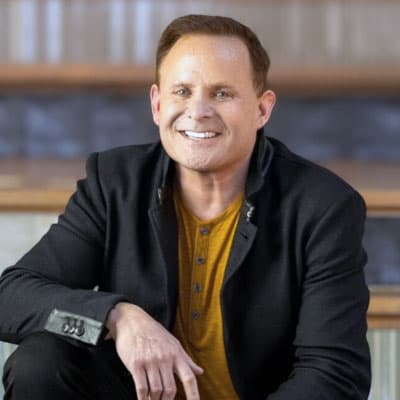
Doctor Talks Interview and Wavi Overview 3:37 they're fricking happy with you and they're going to tell people about it. 3:41 But I just quick little bio on Jim. 3:43 It brings over 30 years of executive and financial experience 3:47 from the information technology, media and consumer electronics 3:51 industry, to the team from beginning of lobby. 3:55 And one of the original investors, now to the role of president 3:59 while he medical and CFO, he's working with doctors and researchers 4:03 ensure that the while the hardware and software is effective and practical 4:07 and improving patient outcomes. 4:10 His work involves identifying individuals and groups interested 4:13 in the brain journey from athletes, including US Olympians, 4:18 to leading brain researchers, cardiologist, concussion expert. 4:23 So I just interviewed last night the forgot to hit record 4:26 and the integrative health practitioners biohackers. 4:30 I think this is just a great device 4:34 for almost every field, 4:37 because we don't have a measure of brain before and after it. 4:40 It's it's, you know, it's the brain. 4:43 It controls everything. 4:45 It has deep understanding of the need to work 4:47 collaboratively across the brain ecosystem, provides 4:51 these diverse groups the ability to change the face of brain care. 4:56 And I think the field, like medicine, is changing and really focusing on the brain. 5:00 You think they would have focused on the brain years, you know, decades ago, 5:05 but it seems like they're finally getting around to it. 5:08 Yeah, I agree that the it's pretty interesting. 5:11 It's a it's evolving. 5:13 I think even with people locked down and, you know, depression, 5:17 anxiety and post-Covid type stuff coming up, it's, 5:20 brain fog is now actually a term everybody's using. 5:23 And there's a lot of different things that are bringing it to light. 5:26 So it's pretty exciting. 5:28 Yeah. 5:29 I mean, it's everyone has brain issues. 5:31 You know, it's everyone from the athlete that has multiple concussions and 5:37 and and even, you know, you look at all these sports 5:41 where you don't think that maybe like soccer or even, you know, 5:44 people who skateboard and it's just that chronic. 5:48 You don't even have to have like a big auto accident or, you know, 5:52 but and everyone has issues. 5:54 But the nice thing is there's ways to improve it 5:58 and you can show them before and after. 6:02 Just this is a random question, but would you let your kid play football? 6:07 Well, I'm in Texas, so it's kind of a national. 6:10 Yeah. 6:10 I mean, be like, you know, I, I probably would I might keep him 6:14 in flag football for the first until he's, you know, in his middle school. 6:18 And then I would definitely monitor his brain health. 6:21 We, we utilize as part of a baselining routine 6:25 with the number of sports, including stuff that, you know, you had. 6:29 No, I had no clue. 6:30 Had so many concussions like women's volleyball. 6:33 I mean, that's huge. 6:34 Cheerleading is one of the worst ones. 6:36 So you kind of look through it. 6:38 So there's no reason why anybody shouldn't just have or avail themselves 6:42 of a baseline scan for their kids or for their student athletes. 6:45 Oh, I, you know, I'm just thinking I didn't think about that. 6:49 Are any professional football teams using this or so. 6:52 So the professionals are interesting because there's some conflicts obviously. 6:57 And yeah, they don't want to really know. 6:58 You know, you know, 6:59 we are starting to work with retired NFL players, which is kind of exciting. 7:05 And and they do want to know at that point. 7:06 They want to understand the damage done and what they can do about it. 7:10 We're obviously just a measurement device. 7:13 We're we're agnostic from the interventions that doctors do, 7:16 but it gives a great way, as you said, kind of a pre-post measurement 7:20 on interventions. 7:21 So yeah, I mean, you you need to know because it's not very powerful. 7:25 Oh, the person says they're they can think better. 7:29 You know, it's like how do you put that in a research study. 7:32 Right. And we get that all the time. 7:34 Well I don't what are you going to see there? 7:35 I don't know if I have a brain, you know. 7:37 Is this a it's not a measurement of intelligence. 7:40 It's not a measurement. 7:41 It's it's a measurement of brain activity, of brain power, of brain speed. 7:45 Those are the kind of measurements we do using an electroencephalogram, an EEG. 7:50 We've just made it easier to do it. 7:51 And then we've taken all that very complex data and made those measurements easy 7:56 to understand for, you know, for doctors of all sorts and clinicians to. 8:01 Yeah. 8:01 And in fact, we didn't have much time to do the demo. 8:04 But he's like, are you ADHD? 8:07 And you sleep and I'm like, 8:10 oh my God is the most ADHD person I've ever met. 8:13 And I hadn't slept like I slept like three hours. 8:18 And then I for four or like seven PowerPoints do this week. 8:23 And so it hit it right off the bat with just a brief scan. 8:27 You know. 8:28 Yeah. 8:28 And it's you know, 8:29 it's interesting you mentioned that we we kind of started the company 8:32 with this concept. 8:33 And this is like 13, 14 years ago of how do you put objective measurements 8:37 around the brain, the aging brain in particular. 8:41 All of us have parents, you know, that are either you know someone 8:44 or you're one person removed from someone that's dealing with dementia or pre 8:48 Alzheimer's symptoms. It's devastating. 8:50 I would say brutal, especially on the caregivers. 8:52 But, you know, if there's a way that you could track that, 8:54 if there's a way that you can see, you know, normal digression 8:58 or if, you know, all of a sudden it seems to fall off a cliff, 9:01 you know, it's something you need to do something about. 9:03 But those kind of measurements are not necessarily 9:07 easy to collect or easy to display or communicate. 9:10 And that's where we started the company. 9:13 Let's create measurements around that because we got we're based out of Boulder, 9:17 Colorado, and we're tied into the University of Colorado. 9:21 We got pulled into a really cool study related to concussion. 9:25 So working for years with the football team and women's soccer team there, 9:29 we measure baseline and post-season on every athlete 9:34 and then measured 24, 48 hours after a concussion. 9:38 And then on the return to play, and we saw amazing things related to that. 9:43 So the the aging brain, the injured brain, those are two of the big areas that we 9:48 feel like we're a great measurement tool for doctors to utilize well. 9:53 And when you see an acute concussion, what you generally 9:57 see low voltage in that area or correct, that's absolutely right. 10:03 So in general, we had a 100% correlation in our study with the combination 10:07 of a drop in voltage and the reaction time measurement that we have. 10:12 And those two together correlated 100% with what the docs were saying. 10:16 You know, the interesting thing was, it's not so much getting the kid off 10:19 the field. 10:20 It's it's more five days, ten days later. 10:23 It's a very difficult to put them back. 10:25 That's exactly right. 10:26 Return to play, return to learn. 10:28 And by then they might have performance 10:31 back up to where they were beforehand. 10:35 But what we saw in about 36% of the time is that their measurements, 10:39 their measurements 10:40 related to brain speed and voltage and these things that we're doing 10:44 objectively had not come back to their baseline scores. 10:48 And that's that's scary.
Concussion, CTE, and Brain Health Baselines 10:50 And especially, I think probably intelligent people can kind of compensate. 10:54 And so people don't notice. 10:57 That's right. 10:58 And or you can just game the system. 11:00 Put me back in coach. You know. 11:02 Yeah I, I feel fine like yeah you know yeah. 11:06 Yeah. You don't want to be wimpy right. 11:08 No. And it's unfortunate. 11:10 But we do know that the concussed brain, if it's damaged again it's in general 11:15 a much worse injury to the brain. 11:18 So so when you read damage a damaged area, 11:22 it's not significantly worse than you know. 11:25 And, you know, CTE and all the all the discussions of that, 11:30 we find that the majority of those are happening, 11:33 those types of brains are happening with the people that are, 11:36 you know, the repetitive damage. 11:37 It's, you know, a lot of times not even noticed. 11:39 Can can you explain CTE for everyone? 11:42 Yeah. So, you know, we all know what a concussion is. 11:45 You get hit, you know. 11:46 And whether it's a car accident, a skateboard accident or football 11:49 or whatever the, the sport or activity, and there's usually 11:53 shearing of a brain of the brain because it's, it's nice, 11:57 you know, jello type thing inside of the skull that shifts around. 12:01 It's built 12:01 that way and it's built to take some, some kind of hits, but not the big ones. 12:05 And so that shearing occurs. 12:07 That's generally a, has issues 12:11 with the brain and the functioning of it after that. 12:14 And that's generally a concussion. 12:16 Now, I'm saying, general, because there are all sorts 12:19 and I'm not a doctor, I'm not going to claim to be one. 12:22 But we know that those are the types of of issues that happen 12:25 if it happens repetitively over periods of time, 12:28 in a lifetime of sports, then that's what is generally again, causes 12:34 the damage that's related to these players or or more. 12:38 In the old days, the boxers, it was, you know, especially boxers 12:42 because they were getting hit all the time, punch drunk or these. 12:45 Right. 12:46 And that's generally what was causing the CTE later on. 12:49 There's a lot of behavioral issues, loss of memory damage. 12:53 It's devastating stuff like rages. Right. 12:55 And things like that. 12:57 Well, and imagine the frustration of that player, 13:00 that player that's suffering through those. 13:02 They're used to being performing at such a high level. 13:05 And then all of a sudden you go from, you know, that great family 13:08 of a brotherhood or sisterhood on your team to nothing. 13:12 So you've got these depression issues. 13:15 If you don't keep working out the way you were, 13:16 you're going to have issues related to the physiology of your body, 13:20 and there is just an impact on the brain because of all that. 13:24 Yeah. 13:25 And I know a number of doctors that treat, you know, professional football 13:29 player, professional athletes. 13:30 And yeah, they tell me a number of like can't find their way home and, 13:35 and even ones that are playing like they're very impaired. 13:40 Yeah. 13:40 They're still going I think the the issue there is, 13:44 you know, there's things that can be done still, it's even, 13:47 you know, maybe not very, very late stage but early stage or while they're playing 13:52 sports, there's things that you can do to retain that plasticity of the brain 13:57 and the ability to recreate and regenerate the cells there. 14:00 Yeah. 14:01 And, you know, I give lectures on, you know, and, 14:04 and, you know, a lot of nutrients work a lot of things work. 14:07 But even with this, the peptides like amazing studies on thymus 14:11 and beta for TV, for frag, actually, because it gets in the blood brain 14:15 barrier, it's much smaller. 14:17 And BPC not only prevents damage, but it 14:23 like dramatically 14:24 speeds the recovery back to normal. 14:28 And they I mean every I think every football player should be on this stuff. 14:32 You know. 14:33 Yeah. 14:33 And it's again, you know, since we're just the measurement device, 14:38 the nice thing that we can do though, in those situations 14:40 is not just to say, well, how do you feel I feel great. 14:44 No, no, no, here's the measurement before. 14:47 Here's the measurement after. 14:48 We're seeing brain speed, brain voltage, reaction time, 14:52 all these different measurements and markers improve. 14:55 Your brain is better. 14:56 Now I can and that is so helpful. 14:59 Not just for the doctor trying to figure out 15:01 what's the right mixture or concoction for that one, but also for the patient 15:06 be able to say, well, dang, this is better. 15:09 I'm I am getting and moving my direction with this. 15:12 Yeah. 15:12 And that's what I was, you know, think when you guys came out 15:16 like, okay, this is perfect. 15:17 I want to start a number of studies 15:20 and, and show the effects of 15:23 and we have what's called instrumental words like screw vice and brain peptides 15:27 and even like stepson's like, like it was kind of squirrely. 15:33 I don't know if you probably won't watch this. 15:35 And it's like, what's wrong with them? 15:37 And we gave them this cerebral bat that's like basically brain neuropeptides. 15:42 And his brothers are like, oh my God, he's a new person. 15:45 He's so calm. 15:46 And then he's bragging about his memory and saying, 15:49 people are commenting about his memory, how great it is, and I'm like, I don't. 15:54 I was I know you're much easier to deal with, you know? Wow. 15:57 Very cool. 15:58 That's a great. 15:59 And we we're involved. 16:00 It's a research level device. 16:02 So we're involved in a lot of research. 16:05 We've got a couple of NIH grant research research projects, 16:09 one around the study of pain. 16:10 What does the brain look like that's in pain? 16:13 Yeah. 16:14 Another one. 16:15 Hey, if I'll have to do a bunch of studies. 16:18 Well, did you guys find any? 16:21 Yeah, actually, the 16:23 those were funded by the government, which is really one of 16:25 they see the need for that. 16:26 They they're looking for something that they can put into an emergency room 16:29 to say, okay, that guy, you really don't need those opioids. 16:33 That's, that's you're just a yeah, 16:35 you're just looking at the studies have already been done. 16:38 I can't believe. 16:40 Yeah. It's like with the peptides. 16:42 That's what everyone says. 16:43 Like when I give lectures, like how can you have hundreds of studies? 16:47 I've never heard about it. 16:48 You know, a great question. Yeah. 16:51 So it's very well what what got you into the brain in particular 16:56 or was it the it was it the, the sophistication of the software 17:01 hardware that really attracted you to this or. 17:05 Yeah, I mean, first and foremost, as I said, I'm my wife, 17:09 her family has a history of Parkinson's and 17:12 and has a grandmother that passed away with Alzheimer's. 17:16 My mother suffers from dementia. 17:18 I've had I've had four concussions. 17:20 I did play football. 17:21 So I do know what that's like. 17:24 Or I should say, I don't remember. But tell me about it. 17:26 People tell me it's all right. 17:28 So I think, you know, the injured and the ill brain. 17:31 If you don't have someone you're directly related to, you're 17:33 probably just a step away from some of that is. 17:36 And so it did interest us when Doctor Oakley approached me, who's my 17:40 my friend from college and he said, you know, hey, 17:42 we're going to start this company up. 17:43 I, you know, we we helped fund up that original effort. 17:47 And then, as I said, six years ago, he sucked me into his vortex. 17:51 And I've been working to bring it out to public. 17:53 So that's that's good. 17:55 We have a vest with a friend. 17:57 It's like, I've never had is you don't do, do do it. 18:00 It's like, oh, okay. You know. 18:02 Oh no that's not that's awesome. 18:03 We've had quite the time and I would think I don't I'm trying 18:07 to think of like a study whatever. 18:10 Like people, I think they're more scared of dementia than they are death. 18:15 Well, you know, they're more make sense. 18:17 They're definitely more scared of brain and brain issues than heart issues now. 18:23 So everybody thinks, oh, I just get a stent or I get a valve replacement. 18:25 Yeah. 18:26 And like you said, there's so much research, 18:28 so much science around the heart and what, you know, improving that. 18:31 But when it comes to the brain, I tell people, you know, it's like 18:34 deep space or the bottom of the ocean is just a really very cool, 18:39 very perplexing, very hard to understand organ of the body. 18:43 And it's the most important one. Yeah. 18:45 And you look at the medications we have, I mean, they're 18:51 yeah, I mean they maybe 18:52 slow the rate of decline a little bit, 18:56 but they're just so basic compared to everything else, you know. 19:00 Yeah. 19:01 Again, it's crazy like a judge on the pharmaceuticals out there. 19:05 What I do know is that I exercise and sleep and, 19:09 you know, a community around you, things like those, plus things, you know, 19:13 that are natural, 19:14 can can good diet, those kind of things can help the brain immensely. 19:19 I hate that I, I choose the pill 19:21 that makes the body thinks it's exercising and thinks it's fasting. 19:26 That's right. So. 19:28 But this seems like great from everyone from the integrative practitioner. 19:32 I'm just picturing it in our practice to so many different fields. 19:38 Like what? 19:39 What can the Wahbi show show people. 19:42 Yeah. Great question. 19:43 The the key thing is understanding behind the scenes. 19:47 It is an EEG device. 19:49 It is doing what EEGs have done for literally 100 years. 19:52 We're collecting brainwaves. 19:54 We're assessing those. 19:55 We do a a specific type of EEG called an evoked potential. 20:00 So we'll have headsets on. 20:02 You can hear a series of beeps. 20:03 It's going to you're going to react 20:05 differently when you hear an odd tone and you're clicking the mouse button. 20:08 Then when you hear a common tone so do to to two to 2 to 2. 20:12 On that odd tone, your brain reacts differently. 20:14 And we're measuring at that point brain speed voltage 20:18 and a physical reaction time again this has been around since the 60s. 20:22 It's this is not new technology. 20:24 It's just not been packaged well. 20:26 That's where I find the best. 20:28 Literature is old research that people haven't paid attention to. 20:33 And everybody knows about it. 20:34 But, you know, you've we've done all these different new kinds of scans and 20:38 what we needed to do and what we did was we went back and looked at the old stuff 20:41 and said, well, wait a minute, and not old. 20:44 And it's just, you know, a lot of research behind it and baked those algorithms, 20:48 put that kind of quick artifacting in on the data and make sure it's clean, 20:53 the algorithms to make the data look useful, and a nice report 20:56 that a doctor could use, even a report that can look very good 21:00 for a customer or a patient that they can go through with them. 21:04 Yeah. And they're really nice. 21:05 They're in color, you know. 21:07 Hey, if you have red in the patient, is it you know, they're all right. 21:11 This case blue is not good but color I it's it's motivating. 21:16 You know, it it really is. 21:18 And and you can understand it for once. 21:20 You know, everybody likes to get the scan. It's kind of fun to get it. 21:23 We worked with the founder of Crocs and his group 21:27 to come up with a nice material, and we worked with the guys out of Italy. 21:30 Momo design on the design of the headset. 21:33 That's what we have our FDA clearance on and it's it looks pretty cool. 21:37 It reminds you like Star Trek or something. 21:40 Yeah, yeah. 21:40 You you won't you won't wear it too much in public, 21:43 but you won't mind putting on to get a brain scan. 21:45 Yeah. Yeah. It's it's not bad. 21:48 And in the, like a little rhetorical, but you know, how can improve outcomes. 21:54 But yeah, people again I can't I can't prove anything. 21:59 What I can do is show a change in measurement
How the EEG-Based Scan Works 22:02 that's objectively, objectively obtained from the brain. 22:06 What what that helps 22:08 you do as a doc or clinician is to say, right, instead of just asking 22:12 the one question which we all ask is, well, how do you feel now? 22:15 You can put some measurements with that. 22:17 So I might feel differently from one day to the next, but my brain hasn't changed. 22:21 I just got a good night's sleep. 22:23 Or maybe I had my cup of coffee in the morning, but to have something 22:26 that's reproducible and is can show that pre-post measurement objectively. 22:31 But it's and and I think it's kind of like people 22:37 where you go to your HMO doctor or whatever. 22:40 And I'm not a fan of statins, because when you really dig down 22:43 in the literature, there some 10th. 22:47 Yeah, it takes 99 people to benefit of one. 22:51 It has, you know, risk of dementia and diabetes. 22:54 But everyone just wants to see that cholesterol level. 22:57 And they I tell their friend, what's your cholesterol like. 22:59 Cholesterol is better. 23:01 So it's you know, you change that to you. 23:03 You got an objective brain measure. 23:05 And people are like, oh my God, my brain's this or what's your brain now? 23:09 I'm better. 23:10 I got just so fulfilling in more than the cholesterol 23:15 and you know, and that's what people never will have sustained because they want. 23:18 They freak if their cholesterol number goes up. 23:21 And I can see the same thing happening with, you know, brain number. 23:25 Hey, you haven't been doing this. 23:27 Yeah, I've been doing that. 23:28 Your brain's a little slower. 23:29 Like, oh my God, you know, and very motivating. 23:33 Which is the hardest thing to do is motivate a patient. 23:36 Right. 23:36 That that and the other side is keeping them compliant. 23:40 So compliance of the patient to your regime, 23:43 if they can see that improvement, they're much more likely to say, oh, hang 23:47 on, I am making success, I am improving, and here's 23:50 a great measurement, okay, I'm going to stay on that diet exercise. 23:54 And the no other doctor has shown on this 23:57 and they are just oh my God, my brain's better. 24:02 They're going to be telling the world, you know, people do. 24:05 People do talk about it. 24:06 It's always interesting to do a husband and wives 24:08 because there's sometimes some competition in there. 24:09 We don't like that. But 24:12 oh my gosh, if 24:14 she does that, I'd be like, okay, I'm going to exercise. 24:17 When I say I exercise religiously every four months 24:21 for eight minutes, but I'll maybe double it or something. 24:24 But so it works through to e.g. 24:27 evoke potential. So what? 24:29 Like what? 24:30 Basically that's gone back many, many years. 24:34 It's kind of in the standard looking for seizures and 24:38 yeah, it's a, the kind of the commonplace use 24:41 now of EEGs is in looking at, you know, epilepsy or seizures. 24:47 Obviously people use it 24:48 when they're in anesthesia to monitor the brain and operations. 24:53 I was approached one time by groups. 24:55 Or can you measure brain death? 24:56 And I'm like, oh my gosh, you know, 24:59 we don't that's not our place. 25:01 You're going to stay with that ambulatory long term EEG device 25:05 when you're measuring those kinds of things. 25:08 Again, what the research will tell you is 25:10 that it's also very useful for other things. 25:13 So this P300 measurement, this EEG with an evoked response 25:18 that's extremely useful for a measurement as it relates to things like brain 25:24 deterioration, mild cognitive impairment for the injured brain, 25:27 for rehabbing the brain. 25:28 So stroke patient, how do I know if I'm improving that brain, 25:32 if I'm, you know, a neurophysiologist or I'm I'm a physician. 25:36 Just trying to get improvement in the brain. 25:38 Well, you need a measurement device to do that. 25:41 And that's what we do. 25:42 So it is an EEG. 25:44 You can do, you know, see the brain waves 25:46 like you would with a common EEG or a standard EEG out there. 25:50 But what we like to do is we say, well, it's more of a sweet spot of this cost 25:54 benefit that we're doing to make it an easy to run, quick measurement 25:58 that gives you a lot of good information on the brain to use in general health 26:02 and into some of these 26:03 other modalities, in these other ailments that we're talking about now, let's say, 26:08 do you with brain speed, is it overall 26:12 or do you see some people I with A.D.D. 26:16 or whatever, but whatever may be or even so one part slow 26:20 and the other parts fast and asymmetrical, or does a great questions. 26:26 Yes, yes and yes. 26:28 Again, what does that mean is really again, we put that back on the doctor. 26:33 No EEG is a diagnostic device. 26:36 It doesn't do diagnosis. That's a doctor's purview. 26:39 We just like to give the doctor better information, more information, 26:42 objective information around a very complex subject, 26:46 whether that's the behavioral side, again, the aging brain or the injured brain. 26:52 We think there's a real need for some objective measurements to go 26:55 with all the other things that they're doing. 26:57 So I would never ask a doctor to not do a history 27:00 on the patient or not do a symptomatic type assessment. 27:04 They should do that always. 27:05 But let's augment 27:06 that with some great measurements around brain health to go with it. 27:09 And it's kind of like well we have found with chronic Lyme 27:14 fibromyalgia kind of syndrome, 27:16 you know, doc say, oh, there's no tests for that, but it's a good one. 27:20 We can pick it out 80% of the time, 7,080% time. 27:24 And how bad it is on a budget without even talking to the patient, 27:28 knowing anything by pattern recognition. Yes. 27:31 And if you do enough tests. 27:33 So you're measuring all these different areas. 27:35 And I would bet if we do a bunch of Lyme patients 27:38 or chronic fatigue syndrome, they're going to come up with a pattern. 27:42 And where it can be used at the diagnosis, 27:46 I would I would bet a lot of money on that. 27:49 But I think we're going to start a study, I think, fairly 27:52 soon on fibromyalgia and, you know, chronic fatigue. 27:56 For that very reason, we have, you know, 27:59 again, there's lots of there's tests you can do. 28:02 There's, you know, they but most of those tests are trying to trigger an episode. 28:07 They're trying to trigger a reaction. 28:09 And so what they want to do is couple what they're currently doing 28:12 with this one group and put the EEG, but the zombie scan in there with it 28:16 and see what is the brain doing. 28:17 You know, I mean it's a brain illness. 28:20 And you look at the people are so like, well, people 28:23 cried the first visit just because we believe them. 28:27 Yeah. You know, and we show them a blood test. 28:29 But it's another way I can show them their brain scan. 28:33 Like a better word. 28:34 Socks, you know, see, I'm sick. 28:37 And they a lot of them will say, you know, they've been to 28:41 we did a study 15 years ago and published it. 28:44 They saw on average 7.2 Physicians Improvement. 28:46 Now it's probably 15. 28:49 And the doctors just treat them like crap. 28:51 So it's psychological, you know this, but you show you have brain dysfunction. 28:57 You know, they're like, look, Harold, I told you, you know, and I, 29:02 I think it's it's very empowering work because they just feel 29:05 they like, I'd rather have cancer. 29:07 You know, I'm. 29:09 Yeah. 29:09 You know, the recognition of issues I think is is huge for anybody, 29:13 whether that's, 29:14 you know, a behavioral mental health issue or it's like you're saying a 29:18 neurological disease that doesn't show up because my finger falls off. 29:21 It's in your system and you're you're feeling the repercussions of it. 29:25 That's those are great, great areas of study. 29:29 Yeah. 29:30 No, I, I'm, I'm excited to to to bring it in. 29:33 And so it's the edge has been around a long time. 29:37 What did you guys do. 29:39 And I know it's very technical, but in a broad sense. 29:43 How did you make it different? 29:45 So it's like any disruptive technology we have taken something 29:50 existing EEGs again have been around for years. 29:53 So has this evoked potential measurement. 29:56 And we said let's make it easy to conduct the scan. 29:59 We can literally get someone in 2 to 3 hours 30:02 trained up a med tech person, you know, that's conscientious. 30:05 Get them trained up and ready to go and running scans so it's easy 30:08 to conduct the scan EEG don't need 30:12 you don't need a nurse license person. 30:15 It just amazed whoever front desk can even do it right. 30:19 Yep. I can even do them. 30:22 So you know, and the far behind. 30:25 That was all right. 30:27 EEG are notoriously sensitive 30:29 because you're literally measuring electricity at the cortical level. 30:33 And so understanding that data and then artifacting, 30:37 in other words, kicking out the bad stuff and just using good data. 30:41 So we automatically artifact the data. 30:43 That's huge. 30:45 It is huge. 30:45 And and it also gives you a consistent look because that's all automated. 30:49 So you get the same artifacting from scan to scan. 30:52 You're getting a nice consistent read on your patients. 30:56 And between measurements for a specific patient. 30:59 And then finally being able to take that really complex data 31:02 and simplify it in the form of, you know, some of these reports that we provide. 31:07 So we have a one page nice, 31:09 beautiful looking report kind of gives you a nice target range. 31:12 So there's an age related target range I don't want to be compared to one of my, 31:17 you know, University of Colorado athletes. 31:18 Those guys brains are awesome. 31:20 Or if someone in the military that's been, you know, in one of these 31:23 special ops teams to just it's phenomenal what some of these brains can do. 31:28 But I want to be compared to 31:29 people my age, I want to see that that level. 31:32 So I wouldn't want to be compared to the fat, lazy, non-existent. 31:38 Yeah. We haven't got that selection yet. 31:40 So what do we do? Let's, you know, 31:43 I want my category. Yeah. 31:45 The and then, you know, the the final thing is really making it 31:49 so that it's quick and and affordable. 31:52 I mean right up front we're not we're trying to disrupt 31:57 on the pricing of the way we do things too. 31:58 We keep it relatively inexpensive so that a doctor can run many scans 32:03 just like they would do, you know, mini blood test or check your blood pressure. 32:07 Quite often we think that the brain is is as important as an organ as your heart. 32:12 I can see it 32:14 going on. 32:15 Every patient comes in, 32:16 you know, I don't I don't see a person that it doesn't make sense with. 32:20 Yeah. And age as well. 32:22 You know, wouldn't it be great to have every pre-teen measured 32:26 before they started, you know, middle school 32:28 and then every other year do a scan just so you could say, all right, 32:31 if something happens. Yeah. 32:32 The sudden they get whacked in the head and you can see and it was argument like, 32:36 you know, do see, you know, just see a blood test on every young person. 32:41 But, you know, no one's going to do that. 32:43 But the brain scan makes sense. 32:44 And where you can see like your kid play football. 32:48 Hey, here's the deal. 32:49 If this drops, then you're out until it's better. 32:55 Yeah. 32:55 I mean, it's stunning when you think about 20 years ago 32:58 and where we are today with defibrillators in all these stadiums, 33:02 in these training offices, because people go, 33:05 oh, hang on, people could have a heart attack. 33:07 So these kids, 18 year old, 16 year old kids could still have a heart attack. 33:11 And there was a lot of effort to get something out there to help, 33:14 you know, the heart. 33:15 Well, you know, the brain is as important as the heart. 33:18 So I think, you know, at some point it's it's going to be the norm 33:22 that people within their annual wellness, hey, get your blood test, 33:27 get your blood pressure looked at, get your eyes checked and get a YV scan. 33:31 Get a brain. 33:31 Does it show? Like I don't even know. 33:34 I was just thinking addicts brains versus normal. 33:38 That's a good one. 33:39 Yeah, we that's one of the NIH studies that we're involved in right now. 33:42 We started it in the fall of last year, even with Covid going. 33:47 And the government has funded up the state of a phase one 33:51 study to look at the addict's brains, opioids in particular. 33:55 We're doing a study on entry into a rehab facility, 33:59 kind of 30 days, 90 days, six months later, for those individuals to say, 34:04 what does the addicted brain look like? 34:06 And, you know, we've already seen 34:08 some pretty interesting things from someone I can imagine, like, yeah, 34:12 like the Pleasure Center, you know, and all these things and. 34:16 Well, yeah, think about this. 34:17 It's something I think to the tune of 80, 90% relapse rates. 34:21 And if you, you know, the impact on society, on families 34:25 is just brutal and much less the individual. 34:28 Well, if we could say, all right, we actually looked at these brains 34:31 and we're able to see certain aspects of a healed brain versus one that relapsed. 34:37 And then you know, who to, you know, hey, look, you're not done. 34:42 Yeah. 34:43 15 more. That's safe. 34:45 Yeah, absolutely. 34:46 That's my brain. 34:47 The 30 rehab. 34:48 So it could save do the brain scans. 34:51 Forget it. 34:52 You know, it's it's pretty cool. 34:53 So, you know, 34:55 they may not know. 34:56 They may say, well, it's 30 days and I've done this twice before and 35:00 all right, I'm out. 35:01 But if they can save 35:02 and keep you two more weeks and we can get you this much further long 35:05 and much more likely that they won't have relapse and you can't fake it. 35:09 That's right. It's objective. It's not. 35:12 You know, I, I have to confess, I'm a little pissed at you now. 35:16 I'm going to have to do a 35:17 deep dive into this, because this is damn interesting. 35:20 And all the damn time, but I, I just I'm ready to like, after. 35:24 Yet I'm going to start looking deeper into this 35:28 because I can see it from a clinical standpoint 35:32 being so valuable and just a key 35:36 piece of, you know, information for all these patients.
Clinical Uses, Research, and Patient Motivation 35:40 That's exactly right. 35:41 That's why we created it. 35:42 We, we and we have a real, 35:44 you know, open concept of what we want to do in the, 35:48 on the on the back side of all this because we talked today, you know, 35:51 most clinical what it does the research it's all super interesting. 35:55 But in the end what we feel is that 35:58 the data is going to help us in and do incredible things. 36:02 So I'm just thinking, you know, we can even just do small, 36:06 you know, studies on the peptides before and after. 36:09 It's beautiful. 36:10 And yeah, you do a study. 36:12 People said less brain fog you know. Yeah. 36:15 Well on a scale of 1 to 10, they only get confused on what's a lot. 36:19 Now you have numbers, you know. 36:21 That's right. 36:22 And you know, I artificial intelligence 36:25 the deep learning modules we're already using that on the data. 36:29 And we're seeing incredible stuff. 36:30 So the the grants I was talking about in some of these other studies, 36:35 we are starting to put those through these different models and seeing some stuff 36:39 that we couldn't have been able to process with that level of data beforehand. 36:45 The correlations are wonderful. 36:47 And it is it's kind of like, you know, if you go to EGF 36:50 when the old data just so, like, see what we do with this, you know. 36:54 Yeah, yeah. 36:55 All the ticker tape and all the lines going across, I mean, what the heck. 36:58 Yeah, I think that's kind of the way the world is. 37:01 It's like I remember, you know, like basic writing research paper for computers. 37:06 You go to the to the UCLA or Scripps, 37:10 you know, medical library, go find the damn journal. 37:13 If it's there, go copy it, you know, and so slow 37:17 those who could, you know, basically go find that information. 37:21 Now it's information overload. 37:23 It's you can filter it. 37:25 That's right. And filter in a way that's useful. 37:27 You know, it's absolutely the case. 37:29 So we 37:30 you know, we're working with some good companies 37:31 and some good, you know, some good institutions on doing just that. 37:35 But we'd love to see, you know, a lot of the, 37:37 the problem with research is the data gathering side. 37:42 So if we could start providing longitudinal data on brains, 37:46 you know, we can start figuring out, okay, 20 years before 37:49 we've been measuring they have Alzheimer's here. 37:53 What was going on here. 37:54 Because that's where you could do something that 37:57 that's where you can make a difference. Exactly. 37:59 Right. Yep. 38:00 Wow I totally agree. That's exciting stuff. 38:03 Do you have any like 38:06 cases that you've heard with like, you know, 38:09 what are some things that have really helped? 38:12 I know you're not the treatment side, but you hear things. 38:16 Oh yeah a lot. 38:17 Yeah. So 38:19 I there is the obvious okay. 38:21 You know, it's like if I told you that if you in walked a mile or two every day 38:26 that you would improve your brain, first of all, 38:28 you'd probably throw something at me if you didn't. 38:30 You weren't doing that. But second of all, it's actually true. 38:33 You do feel better, 38:34 you do feel better and you will be better when you work is the thing I work out. 38:39 I'm going. I'm going every day. 38:42 And the next day I'm like, okay, tomorrow I know. 38:46 And listen, I get it. 38:47 I've, I struggle with the same stuff. 38:49 So it's but if you if you can literally see that you're, 38:53 you know, the 38:54 things you're worried about are improving, then it's a little bit motivating. 38:58 It's motivating. That's exactly right. 39:00 But yeah, we've seen everything from different types of exercise, 39:03 different nutraceuticals. 39:05 You know what happens when you really do nourish the brain the correct way? 39:11 You know, hydration, drink water, you know, drink. 39:15 You know, that's obviously going to help the brain as well as sleep 39:18 lowering stress, whether that's through mindfulness techniques and the like. 39:23 So it evens 39:26 scared me was my sleep and the whole lack of sleep. 39:30 And, you know, I read also that you really can't make up your sleep, 39:34 you know, and so it made me go to bed early last night. 39:38 There you go. Okay. 39:40 And and again, it'd be fun to do that next measurement on you 39:43 and say, hey, well, you know, here's where you are, doctor. 39:46 Over. Here's where you are now. 39:48 And I think it would maybe motivate you to go to bed earlier. 39:50 Again, I don't know. 39:52 I'm not I'm not judge, but I do know with all these things 39:57 there's an impact on the brain, some more so than others, some 40:01 that are much more geared towards, let's say, an ill brain versus an injured brain. 40:06 And as we start mixing that big matrix of interventions and brain health, 40:12 I think we're going to have some really nice solutions for people going forward. 40:16 And learning what treatments work, you know? 40:20 Yeah, it's so hard to just say, well, how do you feel doing this better? 40:24 You know, it's just so much more objective. 40:27 Yeah. 40:27 And and I mean, I'm picturing so many ways to incorporate it into the practice. 40:33 Like what? 40:34 How do you see doctors and health care providers? 40:37 Jesus. 40:38 Yeah. 40:39 Again, my hope and wish 40:40 is that it's something they would use annually on every patient. 40:44 What the heck. 40:45 You know, run the scan, get the data, and then, you know, 40:49 if things are normal and, you know, tapering at the right levels 40:53 and doing the right things, then fine, so be it, you know, go and do more. 40:58 But if it's drops off, if you're able to see a vast improvement, 41:02 those are things we want to start understanding better 41:04 so we can share and build out this, you know, ecosystem of folks 41:09 trying to obviously improve everybody's brain journey. 41:12 So is there a time frame where 41:16 it's like, okay, you start a particular treatment. 41:19 We want to see if this works. 41:22 Is there 41:22 a minimum time or do you see the media improvement 41:26 with things or depends on what it is right. 41:30 We do know that the brain is always regenerating itself, the cells in it. 41:35 And and so the injured brain's going to look a little bit different. 41:38 If you're working with someone 41:39 that had a stroke patient versus someone in, let's say, a car accident 41:43 that had a TBI, we do know that, illnesses, neurological illnesses 41:48 have different effect as they put them through interventions. 41:52 You know how well you even mentioned it, how well those penetrate 41:56 the blood brain barrier are going to have an impact on the time. 41:59 So really we work with the clinicians. 42:02 They're the smart ones. 42:03 We're going to say, all right, well what do you think would be an impact. 42:05 It would be a week, three weeks, three months, three years. 42:09 Let's start gathering data at the segments that you think are meaningful. 42:13 So we can see the efficacy of what you're working on. 42:16 And this is just a random question because we treat we don't see a ton. 42:20 But ALS patients come in. 42:22 Oh God. 42:23 And and so many of them are jogging now right. 42:26 And you know, last one we had diagnosed ALS 42:30 with three different neurologists in a wheelchair. 42:34 Totally fine. 42:35 Now it goes back to the Rogers. 42:37 And they're, you know, 42:39 they think the patient thinks the neurologist gonna be excited. 42:42 They're like, oh, so the misdiagnosis or you know, oh, I'm 42:46 sure whatever treatment had didn't do anything with it. 42:48 So it's a miracle, you know. 42:50 And we expect to get these patients better. 42:53 Do you have any idea what that ALS patient brain looks like? 42:57 Not offhand 42:58 I we've I've seen actually I it's a random question, but yeah. 43:02 No, no, no, we've we've actually seen the measurements around the ALS brain. 43:06 I just, I can't I couldn't talk to it often. 43:09 I could pull our visit our doctor CMO into that. 43:12 And he's I just curious like I see one another one 43:15 by the way this week, you know, I got to get your machine and and like. 43:19 Right. Well, that's what I'm saying. 43:20 Capture the data, capture the miracle and put the objective data around it. 43:24 That's awesome. Yeah. 43:27 How long does it take to get get onboarded with this? 43:31 Probably if you've got a good EMR, someone that we can 43:33 train, literally, we can have them up and running in three hours. 43:38 Okay, I like that, I like that 43:41 and and any, any new, new things you guys are working on. 43:45 We kind of talked about the research stuff. 43:47 There is we do have a capability. 43:49 We added, recently because we've started 43:52 getting involved with the Biohacker crowd, which is kind of interesting. 43:56 So we we have added and, you know, people get that with the lobby device, 44:01 your clips that will also do a PPG or a heart rate variability measurement. 44:05 So it's kind of nice. 44:06 A lot of docs already has devices that do, you know and type measurements. 44:11 So he had one but it never worked. 44:14 And we could never that there were in Europe. 44:16 And we spent a ton of money on it. 44:19 And I'm like, 44:21 again, I'm just the brain guy. 44:23 So the cars we know works, you know? 44:25 So there's there's a couple little tweaks to that. 44:28 That's that's a nice little add on actually. 44:30 Oh it is, it is. 44:31 And so you can run a ndVi measurement as well. 44:34 We've also we're working on a couple of things to keep the neurologist happy. 44:39 So we've got a couple of export capabilities 44:41 that they can actually take our data. 44:43 And then they can put it into their viewers, 44:45 which is really nice for them. 44:47 But those are the kind of things that we're working on. 44:49 And then a neurologist feel threatened. 44:52 You know, the ones that we got, some great neurologists that we're working with. 44:56 And a lot of times you just have to educate them on what you're doing. 44:59 And once they see it, they generally like immediately they poopoo everything. 45:04 Basically, you know, I'm not going to be the judgment guys. 45:07 I have to I can say it, 45:10 but we have a couple that are just fabulous. 45:12 I mean, and they have really embraced it. 45:15 They understand that. 45:16 Like I said, it's not the traditional EEG that you run on, you know, for spikes 45:21 and spindles, looking at epilepsy and seizures run the longer term one. 45:25 But if you want a really good quick view of the brain, 45:28 you want a nice assessment with some really good information at the back end. 45:32 You know, our scan takes four minutes. 45:34 It's literally an EEG for four minutes. 45:36 It's that's huge because as long as a standard EEG like well it depends. 45:41 But you know, a lot of them can take hours. 45:43 They literally just want you to fall asleep. 45:45 They want you to experience a seizure. 45:49 In some cases you're wearing the devices. 45:51 That's that's really not our sweet spot. 45:52 We want quick, easy, and we want to get the information back 45:56 instantaneously to the doctors and the clinicians, which which goes to volume. 46:00 Now you can do it on so many patients, because patients 46:04 are going to wait an hour and do a test and have a thing on their head for now. 46:07 And we like to say you're not going to have a bad hair day 46:10 after it either, because you're sailing and it's it's just sailing. 46:13 It's not goop. 46:15 It's not goop. Yeah, yeah. Goop. 46:17 Goop is not fun. 46:18 People don't get happy with the EEG after having goop on their heads. 46:22 Yeah, because I think you got to go to work or something. 46:24 You know, they don't go to work. 46:26 Yeah, that's. 46:27 And we find that our football players and our athletes are some of the pickier 46:30 people about their hair. So it's oh, is that funny? 46:33 You want to keep them happy. 46:34 It's like the heroin addicts in the air are so scared to get a needle stick. 46:38 You know? 46:41 But anything else you want to say about. 46:43 No. You know, we like 46:45 I said, we love working with the docs, especially the ones that have, 46:49 you know, people that obviously care for their patients. 46:51 This is a great way to augment what they're currently doing for them. 46:55 The aging patient. 46:56 I'm always stunned at how much, as we all grow older 46:59 in that population, gets bigger and bigger and lives longer and longer, 47:03 we want to do things to extend that life in a healthy way. 47:06 And the brain is is one of the key components of that. 47:09 So we love working with those kind of people, 47:11 but it's also really fun to work with doctors 47:15 that have some research ideas and just haven't really been able to apply them. 47:20 We like working with them because those are great ideas 47:22 that other people should know about. 47:24 And and we do that all the time. 47:25 Yeah. 47:26 Because, you know, living longer without a 47:29 functioning brain. 47:31 Who wants it. Yeah. 47:32 And then, 47:33 you know, 47:33 I feel for the caregivers obviously the most 47:35 because the ones that are most impacted. 47:37 Yeah, I think it was really a study of the day. 47:39 The stress levels of like Alzheimer's caregivers is just 47:43 and they don't even know who you are. 47:45 And it's just it's tough. It's very tough. 47:48 We talked to a lot of those folks. 47:50 And it is something that if we can help avoid or help heal or help improve those 47:55 those people in those outcomes related to the intervention, let's do it. 48:00 Hey, you're doing 48:02 great work and I can see this 48:05 making so many breakthroughs, allowing 48:08 so many breakthroughs of treatments because, you know, you look at the studies 48:13 where all the patients were, you know, seen better functioning, whatever. 48:18 It's kind of so vague now. 48:21 You got hard objective numbers. 48:24 I mean, that's that's right. 48:25 That's awesome. 48:26 So I'm looking forward to getting it and looking forward to like, 48:31 I can see it being a cornerstone of so many aspects of our treatment. 48:35 Yeah. Well we appreciate what you're doing. 48:37 I think again, there's all these things we're doing to improve our body, 48:42 and we just got to believe that the other side of that 48:45 is we're improving your brain at the same time. 48:47 So let's help you measure it and drive that thing the next step. 48:51 Yeah. 48:51 It's like telling doctors, well, don't do labs. 48:54 You know, that's what we've been doing with the brain. 48:57 There's no brain lab, you know. 49:00 Well or the options are extremely expensive. 49:04 So yeah, we never get it because it's just. 49:07 Yeah, okay. 49:08 You had 4000 bucks and it probably won't show anything 49:11 because it's just basically anatomy, not function. 49:16 Yeah. Yep. Absolutely. Right. 49:19 Hey. Cool stuff. 49:21 Thank you I appreciate it. Appreciate the time. 49:23 Yeah. 49:24 This has been a very interesting and exciting. 49:26 And I'm sticking to some so many things that I want to check out. 49:31 And yeah. 49:32 So I'll be calling you okay. 49:35 Thank you I really appreciate it. 49:36 Appreciate what you're doing. Thanks. So much. 49:38 Okay. Yeah. 49:39 Thank you for tuning in to Doctor Talks. 49:41 We hope today's episode has enlightened 49:43 and inspired you on your path to optimal health. 49:46 Each day is a new opportunity to make choices that empower your well-being. 49:51 For more insights and strategies, subscribe to our podcast 49:54 and visit our website w WW dot doctor Talksport.com. 50:00 Stay connected, stay healthy and join us next time on Doctor Talks. 50:05 Real talks from real doctors on the issues that matter to you most.
Comments