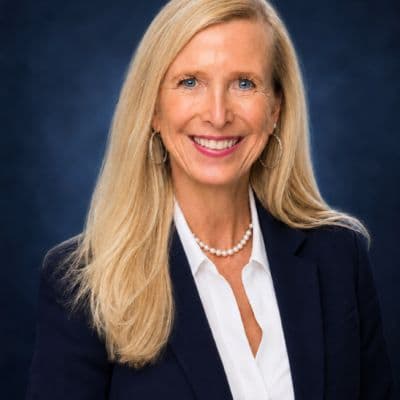
Full Transcript Opening and Guest Introduction 0:00 Welcome everyone to the Gut Health and Longevity Summit. 0:03 I am so glad you are here, and I want you to pause for a second, 0:07 because today we are going to go somewhere we haven't gone yet this week. 0:11 We are going to go outside, past your plate and into your soul, 0:17 your water and the ground you actually stand on. 0:20 We built this summit because your gut doesn't exist in a vacuum. 0:24 It is in constant conversation with everything around you. 0:27 And today's guest has spent her career proving that health of the land and water 0:32 feeding you is inseparable from the health of the microbiome living inside you. 0:38 Today we're going to talk about soil, pesticides, water, and why 0:42 reconnecting with nature. 0:44 Maybe one of the most overlooked levers in gut health and longevity. 0:49 My next guest is known to hundreds of thousands of people as Doctor Outdoors. 0:54 She spent 25 years as a physician and over a decade 0:58 making the case that nature isn't a nice to have for your health. 1:01 It is medicine, and I could not agree more. 1:04 DoctorMelissa Sundermann is a double board 1:07 certified in internal medicine and lifestyle medicine 1:11 with advanced integrative medicine training from the University of Michigan 1:15 and mind body training in the center for Mind Body Medicine. 1:19 She is a founding chair of the Nature as Medicine Subcommittee 1:23 for the American College of Lifestyle Medicine, and the Medical Director 1:27 of Lifestyle Medicine for Cornell Health System, where she runs culinary medicine. 1:31 Shared medical appointments including cooking for health, which 1:34 I love that cooking up a good a onesie and a new menopause SMA. 1:39 She's also the chair of the Global Wellness Institute's A lifestyle 1:43 medicine initiative, and her debut book, Doctors Outdoor 1:47 Guide to Nature and Lifestyle Medicine blend science 1:50 and story on healing through the natural world. 1:54 She's also, for fun, a 13 time Boston Marathon 1:57 finisher and three times full Ironman finisher and currently 2:01 training for her first ultramarathon and lives by the line. 2:05 Age is not your cage. 2:07 Couldn't we agree more? 2:09 So welcome so much, Dr. 2:11 Sundermann I am so glad you're here 2:13 and I'm looking forward to taking this conversation outside. 2:18 Absolutely. 2:19 Thanks for having me. 2:20 I'm excited to dig in. 2:22 No pun intended. 2:25 All right. 2:25 So you're the physician who put nature 2:28 as medicine on the map in the lifestyle medicine circles. 2:32 Before we get into soil and water, specifically 2:36 ground us, what does the evidence actually show 2:40 about the pathway from time outdoors to gut health and inflammation? 2:45 Wow. Well, yes. 2:48 As you said, I am doctor outdoors. 2:50 You may also know that. 2:52 I mean, that's my medical degree. 2:53 I'm a doctor. Osteopathic medicine. 2:55 So it's just serendipitous that this has come to fruition. 2:58 So we know that stress 3:01 is detrimental to our health, to our gut microbiome. 3:05 We know that 70% of our immune system resides in the gut microbiome. 3:09 And dating back to Earth studies done in Japan. 3:14 We know that spending time outdoors 3:17 actually lowers our cortisol level, lowers 3:20 our level of inflammation, lowers our heart rate, our blood pressure. 3:24 It actually elevates and improves and optimizes our natural killer cells. 3:29 So we have these concrete biological mechanisms to show 3:34 that hugging a tree is not just for, you know, hippies and flower children. 3:39 Actually, there's scientific evidence that spending time outdoors 3:42 is good for us, both physically and mentally. 3:45 I would absolutely agree. 3:47 I mean, I do retreats around the world, 3:51 and one of the main things we do is we go out into nature. 3:56 And I just remember last year at my longevity retreat, 4:01 we went to the Azores and we went into this beautiful forest 4:04 of like these tall trees and I mean moss so green. 4:08 I had never seen it. 4:10 And literally we were in there to increase our natural killer cells. 4:15 And I know that they did some research back in 4:19 during the time of the pandemic around sulfur springs and nature,
Nature, Stress, and Gut Health 4:23 and how individuals who had exposure to this had much better 4:28 responses and improvement in their health when it came to their Covid exposure. 4:33 So, absolutely, I would say nature is medicine 4:37 and we mean this literally, not just metaphorically. 4:41 So let's go underground for a second. 4:44 You said that human health starts with soil health. 4:47 So walk us through that chain. 4:50 How does what's happening in the dirt actually end up 4:54 shaping our gut microbiome? Right. 4:56 So when we think about our plants, if you go to your garden 5:00 and you see the end product, you see your tomato, 5:02 you see your beautiful cucumber, you say that it just came out of the dirt. 5:07 It just appeared from the dirt after I put that seed in there. 5:09 But actually healthy soil is very complex and it's actually a living organisms. 5:16 So just when you scoop up that soul that's going to contain 5:20 Tyrian fungi and protozoa and so many other other organisms, 5:25 and also there's to be plant roots. 5:27 There's going to be minerals, water, air and decomposing organic matter. 5:32 So this is very complex. 5:33 And this community of organisms proportions a lot of essential functions. 5:38 Right. 5:39 So it helps break down organic material cycle nutrients. 5:42 It supports the plant roots. 5:44 It retains water. 5:46 It contains the soil structure 5:48 and protects plants from certain pathogens. 5:51 So these fungi for example have these complex relationships. 5:56 We call it like the the you know, wood wide web, right. 6:00 So they're all communicating. 6:01 And soil actually has its own microbiome. 6:05 And yes, the soil microbiome and the human gut microbiome 6:09 are not exactly the same, but they both are dependent upon this diversity. 6:15 Right. 6:15 So having balance resilience and diversity and social actually affects, you know, 6:20 how the food that we eat and plants 6:24 do not create nutrients in isolation right. 6:27 They depend on salt, sunlight 6:30 water microorganisms and farming practices. 6:33 So we know that our soil health can affect 6:37 the ability of plants to access nutrients. 6:40 It affects water retention and drought resistance. 6:43 It is plant resistance to disease, agricultural productivity, 6:48 erosion and runoff. 6:50 So the soil does a lot as a big job. 6:53 And so what we do hear about now, and some people will advocate 6:58 that we in certain situations need to take supplements. 7:01 That's because modern agricultural practices 7:04 have reduced the nutrient density of certain foods. 7:08 And in my in our Nature as Medicine subcommittee 7:11 for American College of Lifestyle Medicine, we actually had Gladys Zanetti, 7:14 who is one of the head researchers for the Rodale Institute. 7:19 And it's just fascinating to learn what they're doing at Rodale 7:23 about looking at soil nutrient density. 7:26 So unfortunately, through certain practices, 7:30 we are seeing a decline in the cult of the soil, right. 7:34 So there are some ways that we can rotate crops that we can, 7:39 you know, affect the growing conditions and the tilling to protect that 7:44 and optimize that soil nutrition, as we could say, of the health of it. 7:48 So really there is this soil planet 7:52 gut connection and this microbiome access. 7:55 So we know that the soil micro organisms can influence plant 7:59 health and compounds that produce them. 8:02 And then when we have this, you know, healthy soil on the plants, 8:07 these plants will provide us with the fiber, with the resistance starches, 8:11 with the polyphenols, with the vitamins and so many other bioactive compounds. 8:16 We know that when the plants that we ingest contain fiber. 8:20 And I know you've been talking about the gut microbiome throughout the summit, 8:24 is that that fiber, when that's ingested as a prebiotic 8:28 that produces a short chain fatty acids, right. 8:30 So we have appropriate butyrate, acetate, and those are messengers 8:35 that go all over our body to help heal and protect and optimize. 8:39 So a lot of things going on, right. 8:41 Some of the short term fatty acids, the polyphenols. 8:44 And really it's about plant diversity. 8:46 Just like our soil is a diverse microbiome, our gut microbiome. 8:50 Love that plant diversity. 8:52 And what Bullseye Woods will say, and many others will say, is that 8:57 trying to get that 30 different plant variety per week, it's really about 9:01 maybe not the number of servings, 9:04 but that diversity to increase and optimize our gut microbiome.
Soil Health and the Microbiome 9:09 Absolutely. 9:10 And we do have a 30 plant, 70 recipe book for the viewers, 9:14 which if they haven't downloaded, they can grab that. 9:17 But I would totally agree with you because I think 9:20 because our nutrient supply and diversity of our food has decreased, 9:26 that has also influenced the microbiome diversity, 9:29 which is absolutely important to keep inflammation and chronic disease down. 9:34 And it's we're not very intentional about getting that variety 9:38 when we do choose foods. 9:39 And I know my mom, who's a gardener, she has a very flourishing garden 9:44 in Pennsylvania and a number of different varieties of food. 9:48 She grows out there, you know, fruits and vegetables and all this. 9:51 And many people don't even know 9:54 how certain foods grow that they commonly eat. 9:58 Like, I'm a big okra fan. 10:00 I know a lot of people don't like okra because it's slimy, but I love it. 10:03 And the way okra grows is it grows up like this on a plant, right? 10:07 So it's upside down. Same thing. 10:09 Asparagus. A lot of people like asparagus. 10:11 How does that grow? 10:12 So we don't really 10:14 you know, we're so used to going to the grocery store and just picking up 10:17 our usual, like, apples and bananas and carrots and potatoes 10:22 without knowing that there's this whole, you know, host of foods 10:27 that have phytonutrients and all these ingredients in there. 10:30 So that in itself has decreased over 10:34 the last 70 years because of industrialized farm crops. 10:37 But one of the most fear driving topics in nutrition right now is pesticides. 10:43 And so can you share with us what does the actual evidence say 10:48 and how do we talk about exposure? 10:51 Honestly, without scaring people away from fruits 10:54 and vegetables, which we know are so beneficial for them? 10:58 Absolutely. 10:58 And, you know, 10:59 I think that so often, especially with everything that's scrolling on TikTok 11:03 and Instagram, people get into the weeds again, another pun intended there. 11:08 So and pesticides comes up a lot. 11:10 And we know that pesticides I mean they were created 11:15 to do some benefit, right, to manage insects and weeds 11:19 and fungi and other organisms that can damage crops. 11:22 And they can also improve agricultural productivity and reduce crop losses. 11:28 However, there's a detrimental effect to them 11:31 because they're biologically active. 11:33 And so what we find is that there seems to be two extremes. 11:38 People who say pesticides are good. 11:40 We can, you know, it's going to we're going to be able to produce these, 11:44 you know, crops, you know, at a lot of them. 11:47 And we're going to it's 11:48 good for the farmers to be able to not have a lot of losses. 11:51 And then the other extreme, it's like, 11:53 oh my gosh, if you can't eat organic you'll bother, right? 11:57 So that any kind of pesticide is bad. 11:59 So I think it's really looking at 12:02 the difference between hazard and risk. 12:05 Right. 12:06 So a hazard is the potentially of something to cause a risk to cause harm. 12:11 So hazard potential to cause harm. 12:13 And then risk actually considers 12:16 the likelihood of harm at a specific exposure level. 12:20 Right. So we we think about sunlight. 12:23 So we know that ultra UV light can damage skin. 12:27 So that's a hazard. 12:29 But the actual risk depends on the intensity. 12:33 Like are you at you know on the beach just or for me I'm a big skier. 12:38 So my on top of the mountain at altitude with the sun reflecting from the snow. 12:43 The duration. 12:44 How long are you out there? 12:45 What time of day, what kind of skin type? 12:47 I'm, you know, fair skin, blond hair. 12:49 So I have a higher risk of skin burn. 12:52 And are you using any kind of protection? 12:54 Do you have clothing to cover it? 12:55 So I think we need to differentiate 12:57 between something that's hazardous and what's the actual risk. 13:00 So when we look at pesticides rather than just, you know, 13:04 just a blanket statement, you know, all are horrible. 13:07 We want to know, like, you know, which pesticide was detected, 13:11 how much was present, how toxic is that particular chemical? 13:16 How frequently are you actually consuming that food? 13:20 Is the exposure coming from multiple sources. 13:23 So are you consuming something or are you are you working on a farm that uses 13:27 a lot of pesticides? 13:28 You live close to an agricultural facility or is the person getting exposed 13:34 in a vulnerable population so very, very young, very, 13:37 very old or immunocompromised. 13:39 So those are important nuances to know. 13:42 So that really means that just because a pesticide is detectable, 13:47 it doesn't automatically mean it's dangerous. 13:50 And that, you know, all pesticides are not equal. 13:53 People who are farm workers are their pesticide applicators 13:57 and their families or people living near these 14:00 facilities are likely at a higher risk of direct exposure. 14:04 Right. 14:04 So then we get the conversation of organic or not. 14:08 So, you know, the questions are, does eating organic food 14:12 actually reduce exposure to certain pesticide residues. 14:16 And many, many studies it says yes. 14:19 Second question is has eating organic food been conclusively 14:24 shown to prevent chronic disease or extend life? 14:28 And I'm going to say that's a little less certain, right. 14:31 So when you look at the studies of people who are consuming organic food, there's 14:37 probably some confounders there, because likely individuals who are consuming 14:42 all organic food are probably at a different socioeconomic level. 14:46 They may also be healthier in general, which means they may be 14:50 more they be maybe have a higher percentage of nonsmokers. 14:55 They may have higher incomes, are already eating more plants. 14:58 So it's really difficult to tease that out. 15:01 And remember that organic does not necessarily mean free. 15:06 So just because it says organic, they could be using some pesticides 15:11 that are approved pesticides and natural, it doesn't 15:15 automatically mean mean nontoxic. 15:17 So just to know about that. 15:19 And so then the question is, you know do the pesticides if you are consuming 15:23 produce that has been with pesticides, is that going to affect the gut microbiome. 15:27 And, you know, there are studies that suggest 15:29 that certain pesticides may influence the gut microbiome composition, 15:33 you know, in a detrimental way. 15:34 And again, taking about the hazard and the risk. 15:39 So I think a practical strategy is to reduce exposure 15:43 without increasing anxiety. 15:45 And how do you go about doing that? 15:47 Try to eat a wide variety of foods so that the exposure 15:50 is not concentrated in one repeatedly consumed item, right. 15:54 Always wash your produce thoroughly under running water 15:58 and you know, rob your firm produce or use like a clean produce brush. 16:04 Remove damaged areas and discard outer leaves when appropriate. 16:09 Wash produce before cutting or peeling it, 16:12 and try to avoid using soap, detergent or bullets. 16:16 It's not going to be good, and if you are consuming 16:19 more produce on a more regular basis, 16:23 if you are in the position, try to choose those as being organic. 16:27 And of course, if you have a home garden, growing food at home, purchase 16:31 some of your fresh produce from local farm markets 16:34 where you can actually talk to the farmers who are growing the food. 16:37 And if you are in a profession that has occupational exposure 16:41 to pesticides, just being aware of that and trying to mitigate 16:45 any additional risk. 16:48 Absolutely. 16:49 So I do believe that the actual public 16:53 health risk of eating too few fruits and vegetables 16:58 really outweighs the the residue risk for most. 17:02 For most people. 17:05 One of the things I write about in my book, The Anatomy of Well-Being, is 17:08 how are different ways that you can clean food like so 17:12 I will often do depending on the food like baking soda and water 17:17 rents or white vinegar rents, you know, so there are like a few. 17:23 And you don't need to go buy those expensive sprays or anything like that. 17:27 Just like some basic household items can really be helpful. 17:31 But let's talk about for people who can't buy everything organic, 17:36 how should individuals use, you know, 17:39 some of the tools that are available for us that, for example, 17:43 the Environmental Working Group has put together the clean 15 17:47 and the Dirty Dozen, which you know, is available every year. 17:51 How should individuals be utilizing 17:55 these lists, like from a, 17:58 you know, if they're on a budget, what is practical? 18:02 What's the nuances? 18:04 Yeah. 18:05 And I want to circle back to what you said. 18:07 I see patients several days a week. 18:10 The medical director of lifestyle medicine for the largest health 18:13 care system in Michigan. 18:14 And I'm seeing patients in a lifestyle medicine capacity. 18:18 And so I'm taking a deep dive into those pillars of lifestyle medicine. 18:21 And we talk about nutrition. 18:23 Most the majority of the patients they see are under consuming 18:26 fruits, vegetables, beans, whole grains, nuts and seeds. Right. 18:29 Not getting appropriate amount of fiber.
Pesticides, Organic Food, and Produce Safety 18:32 And so we really want to encourage them to increase 18:35 consumption of these foods that nurture or gut microbiome. 18:39 So I totally agree with you. 18:41 So going back to you just reminded me of something that. 18:45 So I have an assistant who sometimes works with me 18:49 and we'll be doing like meal prep and stuff together, 18:53 and then I'll be like, even though the vegetables are, did you wash them? 18:57 She's like, 18:57 I didn't know you were supposed to wash like the carrots and the lettuce. 19:02 And I'm like, and this is a young person in their 20s. 19:05 And I'm like, so I think some of the things 19:09 that we think about food, it really comes from what you actually know. 19:13 And you've seen your family 19:15 maybe do like maybe, you know, your parents didn't cook. 19:19 So you don't know that when you buy food from the grocery store, 19:23 that what needs to be washed, what needs to be in a certain way. 19:27 So and I think people come from different levels of that. 19:31 You know, some people grew up on frozen dinners. 19:34 You know, I remember I had a patient who she was in her 60s and, you know, 19:39 we started getting her to eat dark leafy greens and salads and stuff. 19:43 And she came back to me. 19:44 She said, doctor B, it took me three hours to prep this salad. 19:47 And I'm like, darling, what were you doing? 19:49 And she was like, well, 19:51 I had to wash all the leaves, and then I had to put them all out to dry. 19:54 And and I'm like, okay, we don't need to make health that complicated. 19:59 But I just had a woman just this week and we were talking about whole grains. 20:03 And I said, why don't we get to, to to do that instead of white rice with quinoa? 20:09 Because it's got fiber and protein. 20:10 She's like, I don't know about that. 20:13 That sounds really complicated to to cook. 20:15 And I said, well, do you know how to boil water? 20:18 She said, yeah. 20:19 I said, okay, then you could cook keema, right? 20:20 So it's just, you know, experience. Right. 20:23 And just makes is why we love doing cooking classes, right? 20:26 Like I'm like, I'll do stuff and I'll be like, look guys, how simple this was. 20:30 Absolutely. 20:31 So circling back to that environmental working group that you're right, 20:34 they come out every year with their clean 15 and their dirty dozen. 20:38 So just to review what they came out for 2026. 20:41 So dirty dozen. 20:42 So it sounds just so negative. Right. 20:45 So these are the foods that could be 20:48 at higher risk of absorbing those pesticides okay. 20:52 So what they've listed for the 12 Dirty Dozen for this year are spinach. 20:57 And then kale collard greens mustard greens 21:00 strawberries grapes nectarines teaches cherries 21:07 apples blackberries hares potatoes and blueberries. 21:12 Okay, so not that. 21:14 I mean, come on. These are all great things. 21:17 So, you know, dirty doesn't I mean, we want people to consume these. 21:20 So these are just going to be things that are higher risk. 21:22 And if you think about it, 21:23 these are things that don't have skin that you peel or just like strawberries. 21:27 They've got those pits where, 21:28 you know, the pesticides can, can kind of get caught in so clean. 21:32 15 these are going to be the lower risk things. 21:34 These are the things that 21:36 you could maybe or not. 21:38 Maybe that you could feel safer buying conventional non-organic. 21:41 So pineapple that makes sense. 21:43 Or not eating that core on the outside. 21:45 Sweet corn. 21:46 Avocados, papaya. Onions. 21:50 Frozen sweet peas. 21:51 Spaghetti. Cabbage. 21:54 Cauliflower. Watermelon. 21:56 Mangoes. 21:57 Bananas, carrots 22:00 and kiwi. Right. 22:01 So and again I have a variety. 22:05 There's a wide range of patients who are from different 22:08 ethnic backgrounds, different ages, different socioeconomic. 22:11 And my goal is to get more fruits and vegetables and whole grains in. 22:17 Now let's talk about obstacles. And, 22:22 you know, getting the the clean 15. 22:25 You can get those anywhere. Right. 22:26 And then those that dirty dozen. 22:29 I'd really rather have you eat those rather than not eating them. 22:34 And like you said, 22:34 washing them with water, with baking soda, with the the white vinegar. 22:39 Using a brush grows in fruits and vegetables can be a great, great tool. 22:44 And I have a lot of patients who maybe live alone, or they're an empty nester 22:50 and they're cooking, you know, they buy produce. 22:51 And like, I just don't even want to get fresh 22:53 produce because I spend a lot of money to do it. 22:55 And then I'm just one person and it goes bad. 22:58 And so I said, that's where frozen is excellent as well. 23:00 And they're like, well, it's not as nutritious. 23:02 I was like, 23:02 actually, it's really nutritious because they picked 23:05 those fruits and vegetables when they're ripe 23:07 and then they're flash frozen and, you know, poof. 23:09 And so when we're making smoothies and things like that, 23:11 that's where a lot of these can come in handy. 23:14 And we talk about, 23:14 you know, places like Aldi and Trader Joe's where these can be lower price. 23:18 Like we don't always have to 23:19 go to Whole Foods in these fancy grocery store to get all of our produce. 23:23 So I would rather have people just eating and consuming fruits and vegetables. 23:29 We know that the average American is fiber deficient. 23:32 You know, 95% of the patients I see are fiber deficient. 23:35 Average consumption of fiber in the US is, what, 15, maybe 18g? 23:40 Where really our gut microbiome wants 35, 40 plus grams. 23:44 So I really don't want this to be an all or nothing. 23:47 So I think, you know, just some thoughtful choices for, you know, 23:52 key points is that to buy organic selectively rather than universally. 23:58 Right. 23:58 So if you're going to buy organic, maybe going towards more those dirty dozen 24:02 of the produce that you're eating or your family tends to eat most often. 24:07 And so prioritize those foods that you eat most frequently 24:10 and always, you know, compare prices with organic. 24:13 Because sometimes at certain grocery stores, organic versions are going to be 24:16 similar price if it's in season, like, you know, berries are in season right now. 24:20 So organic versus conventional are going to be very similar price again, 24:24 using those frozen fruits and vegetables and then beans, you know, 24:27 you can do canned beans. 24:28 Look for low sodium. 24:29 Always rinse them off to get that excess sodium. 24:32 It also can reduce the gas production as well by seasonal produce 24:36 because the prices are going to be cheaper and so perhaps 24:39 more affordable in the organic and try to grow some at home, right? 24:43 Having your own fresh produce and shopping at farmer's markets, 24:46 talking to to the people who are growing the food. 24:50 Absolutely. 24:50 I've got sprouts growing 24:52 right now on my window sill waiting to see them just pop out. 24:56 I see them brewing. 24:57 There are so like it's so fun. 25:00 You're like nurturing these babies, right? 25:02 And they grow. 25:02 So I've also got guavas growing like a bunch of. Oh. 25:06 Guava tree. Wow. Yeah. That's cool. 25:09 Talk about you don't know how certain foods are grown. 25:12 I was in Africa running a retreat last year. 25:15 And jackfruit, like, I see jackfruit, 25:18 you know, at the grocery store, and I love jackfruit. 25:21 And you had finished, you know, walking around 25:24 and one of our guys was like, hey, do you want to have some jackfruit? 25:26 We're like, yeah. It's like, okay, let me just, you know, way up on the tree. 25:29 Those things are huge. 25:30 And you're like, how does that brand support huge? 25:34 So he just, you know, took his ax, it landed. 25:38 And so it was very fresh. So it was sweet, right. 25:40 We know that when it can either be very sweet jackfruit 25:44 when it's young, but then it's also going to be very savory. 25:47 So I was just now I want Jack. 25:49 Oh I love jackfruit. 25:50 And it was just my gosh to see it come down from the tree was great. 25:54 All right well next question. 25:56 What are your gets almost no airtime when it comes to gut conversations 26:00 compared to food. 26:01 What should people actually know about what is in their drinking water, 26:06 and how do they decide if they need to test or filter it? 26:10 Yeah. So water we know. 26:12 And as doctor outdoors we talk about blue spaces all the time. 26:15 And we are a there's our fluid component 26:20 for our own bodies is a very large percentage. 26:23 So we know it's water is essential for circulation, for temperature 26:27 regulation, for our digestion, for kidney function, 26:31 virtually every biological process. 26:34 So when we talk about water, 26:36 a lot of patients will come to me and be like, what filter should I buy? 26:40 Tell me which filter. 26:41 So I want to flip that and say, actually, the first question 26:46 that you should be aware of is where's my water come from? 26:49 What's actually in it? 26:51 So are you getting water from a public system 26:55 or do you have a private well, so where I live, I live in the woods. 26:58 It's beautiful. 26:58 It's on two acres. 26:59 We move from like in a city. 27:02 So when we bought this house, we found out, oh, you've got your own. 27:06 Well, we're like, well, never had that before. 27:08 So we, you know, we were required for the inspection to get it tested. 27:12 But I'm so happy we did. 27:13 So you really want to know where your water is coming from first off. 27:17 So if you're getting water from a public system, the utility is 27:21 actually required to provide an annual consumer confidence report. 27:26 So you have access to that. You just have to ask for that. 27:28 So that report is going to describe the source of the water, 27:33 the regulator, the regulated contaminants that were tested. 27:38 It will have to release detected concentrations 27:42 and how those concentrations compare with regulatory standards 27:45 and any violations or required corrective action. 27:49 So you have full access to that. 27:50 You just have to ask 27:52 and you usually can find the report if you are on a city well city water 27:57 through the utility website, they have to do a report for that. 28:01 So that's what you want to know. 28:03 And then if you're getting water from a private well like myself 28:07 you it's at the landowners of the homeowners sort of discretion. 28:12 We were required to do it when we when we moved in. 28:14 But it's your responsibility to do that. 28:17 And actually ideally you should be checking that annually 28:21 for coliform bacteria and nitrates. 28:23 And then if there's any kind of regional conditions, 28:26 if there's been floods, if you've had, well, repairs, if you notice a change 28:30 in taste, odor or appearance, if there's been nearby construction 28:34 or perhaps a chemical spill, or maybe you're newly pregnant, 28:39 or there's a young infant that's new in the home, or suddenly 28:42 people in your family living at home or getting like some GI symptoms. 28:46 Or if there's like a change in land use near the property. 28:49 So the important contaminants that you want to be aware of, 28:54 first and foremost, lead. Right? 28:56 I live in Michigan, so I don't know if you remember, 28:58 there was the big whistleblower, the pediatrician, the heroine 29:02 who found out that there was lead in the water in Flint and was the whistleblower. 29:06 So that, you know, is very important to know if there could be lead 29:11 and this will be at higher risk if there's older service lines 29:16 or older plumbing, older fixtures. 29:19 And we know that there's no safe level of lead exposure. 29:22 And it's difficult because lead, 29:25 you don't taste it, you don't see it, you can't smell it. 29:29 So it's really important to be testing for that.
Water Quality and Filtration 29:31 Just good rules of thumb. 29:33 You always want to have cold water for drinking and cooking. 29:36 You want to get that stagnant water out 29:40 and flush that, you know, clean your faucet aerators once in a while. 29:44 And if you need to, we'll talk about some filters also to be aware of PFAS. 29:48 So these are large, you know, large family of persistent 29:53 chemicals used in many industrial and consumer applications. 29:57 So if you're, you know, near landfills, manufacturing plants, 30:02 firefighting foam can have PFAS. 30:05 So and important to know that not every filter is going to remove PFAS. 30:10 Also you can have nitrate contamination. 30:13 This is going to be really more prevalent in agricultural areas. 30:17 And you'll notice that more in private wells. 30:20 And then always testing for microorganisms like bacteria, parasites and viruses. 30:25 And this is again going to be more of a concern. 30:27 And private wells I'm after flooding. 30:29 Or if there's been a failure in the public water system we hear about that. 30:33 Right? 30:33 So like, hey, there's been a failure. 30:36 The water systems down, you're going to want to use bottled water. 30:40 So filtration. 30:41 So you want to understand the contaminant 30:45 that you're at risk of first before you're deciding 30:49 if a filter is necessary and what type of filter. 30:52 So a couple different different types of filtration systems. 30:56 So we have activated carbon filters. 30:59 And this may help to improve the taste and odor 31:02 and could reduce chlorine and certain organic compounds. 31:06 Some certified products will reduce 31:09 lead and specific PFAS compounds. 31:12 But there's you know in varies as far as performance. 31:15 So don't automatically assume that your standard refrigerator or your picture 31:20 that has that filter is going to remove every health related contaminant. 31:25 So then we move up to reverse osmosis. 31:27 So that can reduce a broader range of dissolved contaminants. 31:32 And it's going to cost more right. 31:34 And could potentially waste more water. 31:37 But and then also could remove some minerals along 31:42 that are good for us with the unwanted substances. 31:44 But that's going to be a step further. 31:46 Step up is going to be like a whole house filtration. 31:49 And that might be useful when the contaminant actually affects 31:52 bathing inhalation or every household tap. 31:56 So that's kind of the different layers as you want to go up from just the 32:03 simple 32:04 carbon activated carbon up to reverse osmosis up to whole house. 32:08 And so what's really important is that you want to look at the certification, 32:12 the certification of your water filter. 32:16 So there's these like standard 42, standard 53, standard 58. 32:21 So you really want to check what kind of certification is 32:25 related to that water filter. 32:27 So again I think the rather than saying what filter do I need, 32:31 find out what your water actually contains and where your water is coming from. 32:35 So decision pathway like identify whether you use public water or private well. 32:39 Review that utility report. 32:41 If it's from public water. 32:43 Assess whether your own internal plumbing could be an additional risk. 32:47 Like we live in a very old home. 32:48 So again our plumbing is old. 32:50 So we need to to be worried about that. 32:53 Identify if there is what that contaminant is. 32:57 Choose this water filter that's certified for that contaminant. 33:02 Make sure you install it and maintain it correctly 33:05 and then retest on a regular basis. 33:08 Absolutely. 33:09 I will say one of the things that I use with 33:11 my patients is I do like the environmental working Group 33:15 tap tap water database, which allows you to put in your zip code. 33:20 And from your zip code you can determine what you're on. 33:23 And they already do a lot of the testing so you can see what the exposures are. 33:28 And then the beautiful part of it is depending on what those exposures are, 33:32 it also guides you to go, all right. 33:34 Is a carbon filter enough. 33:36 Do I need reverse osmosis based off your location? 33:41 Now I know personally in my house I have a whole house filter. 33:44 Plus I have a reverse osmosis. 33:46 Yeah, but yeah, because water is absolutely essential 33:50 for cellular health and cloud water. 33:53 Yeah. Next question for you. 33:55 You spent your career helping patients rebuild health through lifestyle medicine. 33:59 Can you share with us a 34:02 about a patient without breaking any privacy where reconnecting 34:07 with food, soil, the outdoors was actually a turning point in their health journey? 34:14 Yeah. 34:14 Oh so many, so many wonderful stories. 34:17 And with my job role currently in lifestyle 34:21 medicine, we are so blessed to not only have a robust lifestyle medicine program 34:27 which has physicians, nurse practitioners, dietitians, health coaches. 34:31 We have a wonderful culinary medicine program with a robust teaching kitchen. 34:36 It is beautiful. 34:37 I've been speaking to groups the past couple days, and in my slide deck 34:41 I have a picture of her teaching kitchen, and I swear every single time 34:43 I put up that slide, people are like, oh my gosh, I want. 34:46 I love that because I'm trained in culinary medicine. 34:48 So I'd love to come out to your kitchen and check it out. 34:50 Oh, we would love to have you. 34:52 So I think that when people, like you said, you 34:55 go to the grocery store, you know, you're so disconnected from the food, right? 34:59 It's wrapped up, it's in a can, it's in a bag. 35:02 And you just don't even think about where that food came from, how we're connected. 35:08 And as doctor outdoors, one of my things that I am always communicating is if you 35:13 if you look at the word nature spelled NATURE, 35:17 you'll notice the letters you and r. 35:21 And so what I say is that you are nature 35:26 and bringing people back to that, like we as humans are nature. 35:30 And the more that we can have that biophilia. 35:33 Biophilia is the innate connection of all living creatures. 35:37 So we are connected to everything that is living, right? 35:40 So we're connected to the the earth. 35:42 We're connected to all of our plants. 35:43 We're connected to all the animals. 35:45 This is this one health concept. 35:47 So I think that bringing that up to people, that the food that is grown 35:51 from the earth, like we all stem from, you know, carbon and we're connected. 35:56 So we bring our patients into the kitchen. 35:58 We actually do something called shared medical appointments. 36:02 So we build these two insurance and we bring people together 36:06 and we'll bring them into our teaching kitchen. 36:08 Usually we'll start off with a talk. 36:11 So maybe it could be, you know, eating closer to the earth. 36:14 Or it could be how to cook with healthy fats or how to cook with natural sugars. 36:18 And so they they learn some didactic components, some the what and the why. 36:23 And then we shift a couple feet over and we're actually in the teaching kitchen 36:28 with our chefs. 36:29 And so whatever we've talked about, 36:30 we put it into practice and we're teaching skills. 36:33 So just like you said, like some people didn't grow up 36:37 learning how to cook, you know, frozen food and processed foods and bagged foods. 36:41 It was just something quick, easy, you know, going through the drive through. 36:44 So no fault, no shame or anything like that. 36:46 It's just that, 36:47 wow, you're never too young to learn, never too old to to change. 36:51 Right? 36:51 So wherever you are 36:52 on this trajectory of life, we can always be curious and always learn. 36:56 So they learn skills and then we're trying from a lot of people new things. 37:02 Right. 37:02 So we love to try tofu or tempeh for the first time, 37:06 because that seems to be 37:06 one of those things that people are like, oh, you know, it's very polarized.
Lifestyle Medicine and Patient Transformation 37:11 The number of cooking classes I have done with tofu because I love tofu. 37:15 Yeah, it takes time. 37:17 Yeah, I agree, I agree more tofu just has a bad rap of being a sponge, right. 37:22 This is like and so really getting people to connect with each other 37:26 and learning together, just that community support I'm 37:29 a big advocate of that, that connectedness pillar 37:33 because that does mean connection to the to the earth and the environment, 37:36 but connection to others and social support and learning new skills. 37:39 And so as we brought in that conversation 37:43 of, you know, do you know what your food came from? 37:46 Well, yeah, I came from the grocery store. 37:48 Where? 37:48 Well, I came from five well no no no, no, no where to come. 37:51 Well I don't know. 37:52 Someone delivered in a truck. Well where did it come from? There. 37:55 I guess someone grew it. Yeah. 37:56 So where did that come? 37:58 Came from the earth. 37:59 Okay. Like, this is like, what? 38:02 Do you go outdoors? Do you grow? You know anything? 38:04 Do you have your own garden? 38:05 Well, no, I live, you know, in an apartment. 38:07 Well, you could. 38:08 Do you have a deck or a window? Yeah. 38:10 And just like you said, with your microgreens. 38:11 With your sprouts, like, 38:13 do you have, you know, just an area, a shop that you could grow something. 38:17 So getting more people to do this. 38:19 And so talking about patients like this is, I think one breaking it down 38:24 like we always say, meeting people were there at or just 1% better. 38:28 And a lot of the patients I see, 38:32 they spend a lot of time indoors. 38:33 Right. 38:33 So the EPA did a study several years ago, and the average American spends 38:39 93% of their day indoors, whether that's at their homes 38:44 or workplaces, public transportation, only a 7% of the time is spent outdoors. 38:48 So first step is can you get outdoors? 38:51 You know, can you step outside for 20 minutes a day? 38:54 We know that being outside in the early morning with early 38:57 morning sunlight exposure, circadian rhythms, eating according 39:01 to our circadian rhythm, being outdoors with natural light, 39:05 how that optimizes our melatonin secretion. 39:09 Our cortisol elevates our serotonin. 39:12 So getting people to be knowledgeable about getting them to step outside, 39:16 getting them to be curious about where their food came from, appreciating that. 39:20 Right. 39:21 And so I have some patients 39:23 that I've gotten them to connect with themselves outdoors. 39:27 I think that, you know, I grew up in the 70s, a long time ago, 39:30 and my sense and 39:33 I know that as children, we are connected to the earth. 39:37 We know this instinctively. Right? 39:39 When I was growing up, I just wanted to climb trees. 39:41 I wanted to dig in the dirt, dig holes, and find worms and other creatures 39:46 that were living below the surface. 39:47 Turn over a log and see what was under there. 39:50 Pick up, you know, catch fireflies, pick up caterpillars. 39:54 We were just curious because we knew that we were connected 39:57 and we could learn from each other. 39:58 And as we get older, we get away from that, right? 40:01 We get busy lives, we get technology, which is good, 40:05 but we get so disconnected from our origins of you, 40:09 our nature, and that our DNA is is actually tied to nature. 40:13 So I think that getting people to step outside, getting people to maybe 40:17 take one of our shared medical appointments, of learning 40:20 how to cook with Whole Foods, encouraging them, hey, 40:24 you can actually maybe try to grow this on your own. 40:27 I think when we educate our patients about, 40:30 you know, eating healthier to lower their a onesie, 40:33 the lowering their lipids 40:34 like that sounds great for us as physicians, but I'm not so certain 40:37 that really translates to completely motivating our patients to change. 40:42 But if we say you're going to feel better, you want to sleep better. 40:45 Yeah, I want to sleep better. 40:46 More energy. 40:47 Yeah. 40:47 Do you want to like your body to ache less? 40:50 And I know you're having some conversations in the summer 40:53 to about reducing inflammation with plants. 40:55 Those are the things that people want to feel and that's what they hear. 40:59 So that's the language that I use.
Practical Takeaways for Gut and Longevity 41:01 You want to pick up a new skill and learn how to cook, try new foods, meet, 41:05 make new friends, just feel like a kid again and get outdoors. 41:09 So lots of patients who we've taken just small baby 41:13 steps 1% better and it works perfect. 41:17 I agree, it definitely works. 41:19 So last question and I want to be concrete somebody watching this 41:24 and wants to start shifting their gut and their longevity trajectory 41:28 through their environment and not just their plate. 41:32 What is the one thing they should do this week? 41:37 And let's be concrete, 41:38 what is the one thing I'm just going to say? 41:40 First and foremost, do not let perfect 41:44 be the enemy of good, okay? 41:46 What do I mean by that? 41:48 I just like this whole summit is said is eat 41:52 more plants, right? 41:55 Doesn't have to be organic, right? 41:57 Don't be freaked out about pesticides all the time. 41:59 Don't be like, freaked out of what filter you're going to have to use. 42:04 Don't be scared of oxalates. 42:06 Yeah, I have to add that one. 42:08 I tastes oxalates and fights and lectins, right? 42:11 Just the more plants, the more whole foods eat the rainbow. 42:16 As I say, not Eminem's and Skittles eat the rainbow. 42:19 There's there's so much good that we can do. 42:21 Think of abundance rather than restriction, right? 42:25 Yes. More plants. All right. 42:27 Thank you so much, Doctor Sundermann for this has genuinely been refreshing. 42:31 You've made the case that the gut health doesn't start at the grocery store. 42:35 It actually starts in the ground and in the water long before that. 42:38 So thank you for bringing us outside today. 42:41 Doctor Sundermann can be found at the Doctor outdoors.com 42:45 on Instagram and a YouTube at the Doctor's Outdoors. 42:48 And then her book of course. 42:51 Here is the key takeaway for this episode. 42:54 The health of your gut is downstream of the health of the soil and your water. 42:59 Take care of the ground under your feet and it'll take care of you back. 43:05 So stay tuned for another episode and don't go anywhere else. 43:09 Thank you, thank you.

Comments