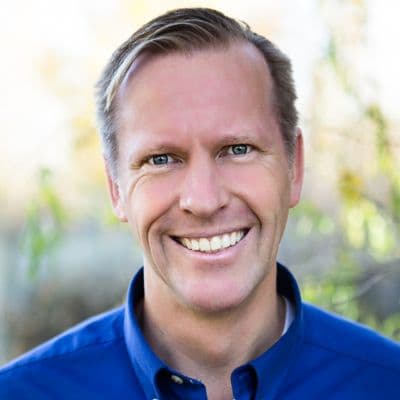
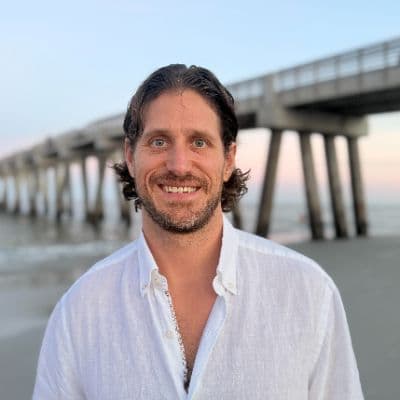
Full Transcript Introduction and shared mission 0:00 Was always such a pleasure to have my dear friend Nathan Crane with me. 0:04 Nathan, thank you so much for for being here with me today. 0:08 Doctor Karlfeldt, my good friend. 0:10 Thank you for having me. 0:11 Thank you for doing this. Summit is very much needed. 0:14 Summit and sharing this life changing information with people 0:17 and always enjoy our time together and look forward to our conversation. 0:22 Yeah, I couldn't agree more. 0:24 Tell me a little bit. 0:25 Why are you so passionate about cancer? 0:28 Because you you part of starting conquering cancer. 0:31 And you, you really been part of educating people in regards 0:37 to what's available in and the cancer space? 0:41 You know, it's a bit of a sad story, but also one of those 0:45 stories of finding the silver lining, 0:49 taking challenge and turning into something 0:51 that can make a positive difference in other people's lives. 0:54 It was around 2012, going into 2013, and my grandpa was diagnosed with cancer, 1:01 and by the time I went to go visit him, it was around 2000 1:04 and of 2012, 2013, and he was doing everything he possibly could 1:09 conventionally therapy, radiation, doing all the conventional treatments. 1:13 And when I went to go visit him and I just saw 1:16 how much pain and suffering he was in, and I began to realize that 1:21 the pain and suffering he was in wasn't from the cancers, from the treatment. 1:25 And his hair had fallen out. 1:27 And he talked about how painful it was just 1:30 to walk 20ft to the restroom. 1:33 And I remember sitting with him, 1:34 you know, there's a few things that I remember from that conversation. 1:37 First, I remember sitting there feeling hopeless and helpless. 1:43 I'd already been in natural health and holistic health and personal growth 1:47 and and a spiritual path for about seven, I think, seven years up to that point 1:52 7 or 8 years. 1:53 And I realized how little I knew about cancer
Nathanu2019s cancer origin story 1:57 and that I felt in 1:59 my soul, in my heart, that there had to be something natural, 2:03 something holistic, something nontoxic that he could be doing to support him, 2:07 that maybe could have helped him or healed him. 2:09 But I didn't know because I was like most people, 2:12 I didn't know what caused cancer. 2:13 I didn't know, you know, where it came from, how 2:16 we got cancer, how to heal cancer. 2:19 I didn't know any of that. 2:21 And so sitting there feeling very helpless and very hopeless, 2:24 and he said something that still stuck with me this day. 2:28 We were watching some. 2:29 He loved watching like like National Geographic type shows. 2:33 And I remember sitting there and we're watching 2:37 some beautiful National Geographic thing and he said, you know, 2:42 I really believe that one day they'll find the cure for cancer 2:45 to come out of some plant in the Amazon rainforest. 2:50 And, you know, just hit me. It was like, wow. 2:51 He even even though he's sitting here literally, like dying 2:54 from chemotherapy and radiation is destroying his body. 2:58 It's it's tearing him down. 3:00 And then the cancer is there and doing what it's doing. 3:03 There's like some part of him that has hope that they're going to find 3:07 some cure or some natural solution, but he didn't really know anything 3:11 about natural medicine. 3:12 And, you know, 3:13 I remember he said something that was like he didn't have hope for himself, though. 3:17 He kind of there's there's a part of me that remembers a little bit 3:20 that it was like, well, they'll find it someday in the future when I'm gone. 3:26 And that was kind of part of me. 3:27 It was just like really sad, hopeful and sad at the same time of hearing that. 3:33 And unfortunately, he passed away shortly after that in 2013. 3:38 And I went back, you know, I would I was at home 3:41 and I had been doing a couple summits online 3:46 like this, and I did one called The Teachings of Life. 3:50 I was I was just sharing knowledge, wisdom, health from experts 3:55 and it just hit me. 3:56 It was like, I need to do a summit on cancer. 3:59 I need to bring together top experts in holistic medicine, functional medicine, 4:03 natural medicine, people who have healed cancer naturally. 4:06 Not only so I can learn from them, but we can share their teachings 4:11 with as many people as possible so less people have to suffer like he did. 4:16 And that that was the very first. 4:18 I would think it was a very it was the second summit ever done 4:22 on cancer online around natural solutions. 4:25 And now there's hundreds and hundreds and hundreds. Right. 4:27 But there was only one that happened before that, that year or the year before. 4:32 And then because it was the only one I could ever find. 4:34 And then I did that. 4:35 And then that led to another summit, another summit and the doctor's 4:38 series and books and conferences and magazines and all that. 4:41 I just kept going, going, going, going. Because as I was learning 4:44 and it's a lot to learn this stuff, right? 4:46 There's a lot to learn. 4:47 I mean, I'm spending hundreds and hundreds, 4:49 even thousands of hours, and I'm still learning 4:51 and I'm still sharing and there's so much to learn. 4:54 But I realized that as I learned more and more about what causes cancer 4:58 and what we can do about it, the more empowered not only I became, 5:03 but then the people I was helping and working with, 5:05 the more empowered they became to have hope, to possibility, 5:09 to have real solutions, to have strategies to say, you know what? 5:12 Maybe I can do something about this. 5:14 Maybe I don't have to just go the conventional route and poison 5:18 my body to death. 5:19 Maybe there are natural things I can do that can really help support my body, 5:22 or complement my conventional treatment and reduce the side effects. 5:27 And, you know, that was what, 13, 13, 14 years ago now. 5:30 And so here we are. 5:32 Yeah, yeah. 5:33 And, you know, through all those things of Alberta and, and you interviewed, 5:37 you know, the leading experts in the world and in regards to 5:41 what you can do naturally, you know, looking for natural solutions. 5:46 You know, what to eat, you know, plans to take, you know, supplements 5:49 that are out there and techniques, devices, all of these things. 5:54 And you saw some very powerful tools that obviously can add a lot 5:59 to a person's journey while going through cancer or even preventative. 6:03 Obviously, the best cancer is the one you never get, you know? 6:06 So preventative medicine is is huge. 6:08 But from my understanding, you saw some limitations within that space as well. 6:13 Yeah, I became certified in nutrition and became a certified holistic cancer coach. 6:19 I spent many, many, many hours studying diet and nutrition 6:23 for chronic disease and for, you know what, supplements work. 6:27 And looking at the research on it and gathering case studies and talking 6:31 to credible doctors 6:32 and experts like yourself and hearing what's working in the clinic, what's not. 6:36 And, you know, 6:37 as I gathered more and more information 6:39 and talked to people who are healing cancer, 6:41 yes, I saw the importance of supplements and certain nutrients. 6:46 Right. 6:47 There are there are biochemicals and there are 6:50 there are plant molecules, plant molecules that impact the biochemistry 6:55 within our body. 6:55 And so there are powerful anti-cancer plants and nutrients. 6:59 And, you know, plant strong or plant based diet can be very anti-inflammatory 7:05 and support the body's ability to to heal or reduce or prevent cancer. 7:10 You know, certain kinds of exercise, light exercise, gentle exercise,
Natural cancer therapies and their limits 7:14 you know, some sauna, detoxification, red light therapy, 7:17 certain functional medical approaches, high dose vitamin IVs like vitamin C, 7:22 you know, curcumin, 7:23 a lot of these things and many of the things you do, 7:25 the kind of intervention and the more extensive protocols you do 7:30 in your clinic, for example, all of these things have tremendous benefit. 7:33 And that's what I saw was like, okay, wow, there's so many things we can do 7:37 naturally that can empower our body to heal itself. 7:42 But what I noticed also was we were putting, 7:46 I say, we, me, many of my colleagues, many of the people I was talking to 7:50 were putting so much attention on all the things we can do physically, 7:53 but kind of forgetting the underlying, 7:57 what I would say the iceberg, right. 8:00 The iceberg effect. 8:01 We talked about this where under the water is all the parts of our body, 8:06 what impacts our body that we can't see, 8:09 the emotional 8:11 and mental well-being, the mental emotional toxicity 8:16 that impacts our body, the traumas that we've gone through in 8:20 life are belief systems are subconscious programing the amount of stress 8:24 we experience, amount of anxiety we experience, the fears we experience, 8:28 and the deeper and deeper. 8:29 I went into the research and looked at books like Radical Remission 8:32 from Kelly Turner, who documented 1500 incredible 8:36 cancer healing cases, and many people who were 8:39 following us through conquering cancer that were reaching out. 8:42 And when I did my documentary, Cancer The Integrated Perspective, 8:45 you know, I had Bruce Lipton in there, and I had him and Greg Braden and 8:49 and this was years ago. 8:50 And it started to open my mind to see 8:52 like, oh, wow, there's a nervous system component here 8:55 that is like the really the foundation to our well-being. 9:01 And if our nervous system is dysregulated, right. 9:04 If our nervous system is bogged down by stress, anxiety, fear, 9:08 worries, doubts, resentment, unprocessed grief, unprocessed emotions, 9:13 then the things like the supplements and the diet and the protocols 9:16 don't work as well. 9:18 And the research shows that there's a very fascinating there's a number of studies 9:21 that look at wound healing, for example, just to show you the difference between 9:25 someone who's experiencing stress and someone who's not experiencing stress. 9:31 I mean, up to 60% 9:34 faster wound healing can happen 9:36 when someone's in a peaceful, calm, regulated nervous system state versus 9:41 a dysregulated state or a chronic stress state. 9:44 And so we know that the body repairs itself significantly better and faster 9:48 from any damage, whether that's mitochondrial damage, 9:51 whether that's damage from inflammation, whether it's toxicity damage, 9:55 whether it's even just a cut, you know, internal cuts with diet 9:59 and lifestyle or external actual physical, external cuts or cancer. 10:04 You know, we know cancers and metabolic disease. 10:06 We know it's caused from mitochondrial dysfunction 10:09 and from a damage and from chronic inflammation. 10:12 And so just by simply putting our body 10:16 into a continuous state of parasympathetic and nervous system regulation, meaning 10:21 we're more calm or more peaceful, were less stress or less anxious, 10:25 we're at ease more often than we give the body 10:29 the best chance to then benefit from everything you're doing for patients, 10:33 everything that people are doing at home, everything they're doing 10:36 diet and nutrition and protocols and supplements. 10:38 So that's where I realize, like, wow, we're putting 80% of our focus 10:42 on all the physical things, but forgetting about that underlying 10:46 poor nervous system component that would actually make everything work 10:50 better, faster, more effective. 10:52 And yeah, that's what I just discovered was like, wow. 10:56 Even though many of these cancer recoveries 11:00 had different 11:01 diets, had different supplement protocols and different 11:04 functional medicine protocols, they all had a few core things in common. 11:08 We're talking thousands of case studies. 11:10 They were experiencing more positive emotions on a regular daily basis. 11:14 Emotions of gratitude, of love, of compassion, of kindness, of hope, 11:19 of generosity. 11:21 They were experiencing more of a parasympathetic state. 11:24 On average. 11:25 They were doing things like meditation and qigong and yoga and gentle 11:29 breathing practices. 11:30 They were they were healing the emotional wounds and the traumas. 11:34 Right. 11:34 We know from the Adverse Childhood Events study from the 90s, 11:39 from Kaiser Permanente and the CDC showed that those of us, including myself, 11:43 who had multiple adverse childhood experiences like abuse 11:47 or neglect, mental, physical, emotional abuse, or mental, physical, 11:51 emotional neglect of any form, significantly higher rates 11:54 of cancer risk, significantly higher rates of heart disease, 11:58 and every metabolic disease on the planet up to 20 years reduced lifespan. 12:03 You know, we often think emotions are just some 12:07 invisible thing like that iceberg under the water. 12:10 You don't really see it, but it impacts our biology. 12:14 Our emotions impact our physiology, impacts our our neurochemistry. 12:18 And so we know that the more stress 12:21 emotions that we have fear, stress, worry, doubt, resentment, guilt, 12:26 we are literally creating a cocktail of inflammatory 12:31 neurochemicals that are releasing through our body on a consistent basis. 12:35 And so it's not to say cancer's your fault, 12:37 or you're doing this yourself or to blame anybody at all. 12:40 Absolutely not is to empower you to realize, wow, 12:43 if I can learn how to get my emotional state 12:47 into one of gratitude, of love, of compassion, of generosity, of joy 12:52 on a day to day, regular basis, and I can call my nervous system 12:56 and I can get into a regulated state on a day to day, regular basis. 13:00 My chances of being able to prevent disease go way up, and my chances 13:06 of being able to heal or reverse a disease like cancer go way up as well. 13:12 Yeah. 13:12 And the thing is, we have, you know, something called epigenetic changes. 13:16 I mean, we we were born with our genome, with our DNA. 13:19 You know, we have these genetic SNPs. 13:21 We have I mean, we have all that going on. 13:23 And and that is kind of the, the foundation. 13:26 But then we have an area where we have control over. 13:30 Yeah. And that, that that's our epigenetic. 13:33 And we, we obviously we come into life, you know, we and with that 13:38 we inherit some of the trauma, some of the belief systems from prior generations. 13:43 And they are giving that as a gift, you know, to us so that we can survive better. 13:49 You know, the issue is that obviously 13:51 we are not living in the same situation that they are. 13:55 You know, we're not going through, you know, 13:57 whether they were in a concentration camp, you know, because there were studies 14:01 about that impact, epigenetic changes and how that impacted generations 14:05 in the future. 14:06 Or as children, we are experiencing events
Nervous system, trauma, and epigenetics 14:10 and that impacts also which genes are turned on, turned off. 14:14 So we know that the the emotions, that traumas, the beliefs, 14:19 all of that impacts our genetic expression and that in itself can then drive 14:26 whether a, a cell then start to express genetic 14:29 or epigenetic changes to promote cancer. 14:33 So you know, to not and like you're saying, 14:36 I mean the kind of 14:37 what's below the water surface that is the foundation that we got to build on. 14:42 And we can on top of that button attrition, herbs and all these heroic 14:46 treatments like you're talking about vitamin C, curcumin, 14:50 you know, photodynamic that we do here and all these different things, 14:53 we can put that on top. 14:55 But if we don't, 14:56 you know, address what's underneath that surface that we don't see. 15:00 Just because we don't see it doesn't mean that it doesn't exist. 15:03 It doesn't mean that it is not impacting us in a a tremendous way. 15:07 So, you know, to work then look at the trauma, look at the 15:13 and then we don't always need to kind of pinpoint, 15:16 see this is what it is and figure everything out. 15:18 But there are ways that we can then work on our body working ourselves to help 15:24 to optimize those epigenetic behaviors to minimize cancer expression. 15:30 You know, it's very fascinating 15:33 because our ancient ancestors knew this for thousands of years. 15:36 But our modern scientists are now identifying how this works in the body. 15:42 Something as simple as gratitude. 15:44 Just practicing gratitude on a regular basis. 15:48 They've done studies to show that a gratitude practice can impact up 15:53 to 208 different genes, turning down genes that cause inflammation 15:59 and turning up genes that contribute to longevity and healing. 16:03 Right. 16:04 So just by feeling the emotion of gratitude, 16:07 just like you're saying, we're literally turning on and turning off 16:10 genes that either are contributing towards cancer and chronic disease 16:13 or contributing towards healing and health and longevity. 16:17 And that's just one emotion of gratitude. 16:20 You know, imagine if we're feeling 16:22 gratitude on a regular basis, and then we're feeling joy. 16:26 You know, we're feeling happiness. 16:27 All these different emotions around happiness and love 16:31 upregulate the genes that cause healing and longevity and down 16:36 regulate the genes that cause inflammation and destruction in the body. 16:40 And we know how important 16:41 the immune system is for healing cancer or preventing cancer. 16:46 And so these genes are directly related to the immune system. 16:50 It's also directly related to our autonomic nervous system. 16:54 So when our nervous system is kind of in that fight 16:57 flight freeze, it's in that stress state, that anxious state. 17:01 What's happening is our stress chemicals 17:04 are being released in the body and it turns off our immune system. 17:07 It literally turns it down, turns it off. Right. 17:10 Our immune system cannot function well at all 17:12 when we're in a stress state because it takes a lot of energy. 17:16 Immune system takes a ton of energy and immune system, 17:20 you know, puts out natural killer cells, T cells, B cells, 17:25 goes out, finds the cancer cells, you know, gobbles them up, recycles them, 17:29 transforms them, turns them into healthy cells like the immune system. 17:33 So amazing. 17:34 The design of it is like unbelievable. 17:37 And it's doing it 24 over seven while we're sitting here 17:40 sipping on our tea and, you know, eating our donuts. 17:44 Hopefully nobody here is eating donuts after this. 17:46 But, you know, whatever it is and the immune system's 17:49 just doing everything I can 24 over seven to try and repair 17:52 your body, get rid of these cancer cells and help you heal. 17:55 But yeah, when we're putting lots of toxins in 17:59 and we're and we're eating a poor diet and excess sugar and all these things, 18:03 yeah, it's definitely impacting our body and our immune system in negative way. 18:07 But add to that stress, anxiety, worry, doubt, fear, 18:12 passed emotional trauma, you know, a sympathetic nervous system response. 18:18 And the immune system is just like it's overloaded. 18:21 And it has such a hard time doing its job. 18:24 And so what we want to do is we want to get ourselves into that state 18:28 as often as possible, that healing state, that parasympathetic state, 18:32 because now we're turning up the genes that are related to healing the body. 18:36 We're turning down the genes that are causing inflammation. 18:40 We know inflammation is one of the core causes of cancer, 18:43 and we are and we're turning up our immune system. 18:46 See, when we're in a calm state, whether we're we're in deep sleep 18:51 or we're in meditation or we're at peace, just 18:55 we have contentment that our parasympathetic activated. 18:58 And when parasympathetic is activated, then the immune system is running. 19:02 And when the immune system is running, 19:04 it can do a significantly better job of cleaning up cancer cells. 19:08 And so, 19:09 you know, the beautiful thing about all this is we are designed miraculously 19:13 by God, by nature, by the divine to completely heal ourselves. 19:18 And I know you tell this to your patients all the time. 19:20 I know you empower your patients to say, look, you have this life force, 19:25 this vitality, this ability within your own body to heal itself 19:29 as a doctor or me as a coach. 19:33 All we're doing is trying to help the patient, help 19:35 the client get into that self-healing state. 19:39 Right. You're not healing them. I'm not healing them. 19:42 They're healing themselves by creating the internal environment 19:45 and external environment so that their body can do 19:48 what it's designed to do, which is heal itself. 19:50 Yeah. 19:50 And then, I mean, the amount of intelligence that exists within us, 19:55 you know, the I mean, and and it always and I say this again 19:58 and again in a lot of the interviews that I do, I mean, 20:02 just because the numbers are so staggering, 20:05 I mean, you were looking at 30 trillion cells, 20:07 you know, each cell, a million reaction every second. 20:10 I mean, just imagine the amount of 20:14 and the intelligence that exists within an individual that's just there. 20:18 And so whatever we can do to optimize those functions, 20:24 yeah, obviously it's going to be a whole lot more powerful 20:27 than to throw a bunch of pharmaceuticals at it. 20:30 There's no doctor that is going to be better than the one that we have inside. 20:35 And extension in that is is the immune system. 20:39 You know, 20:39 the immune system like you're mentioning, I mean, the, the incredible police force, 20:44 you know, that we have a secret agents, all all of that exists within us. 20:49 And we know that these the immune cells, like you're saying, 20:54 they have a receptor sites for these neurotransmitters, 20:57 for the brain, chemicals for your emotional fear, 21:02 for your emotional guilt, for your emotional joy. 21:05 Whole Powerman all of these the 21:08 the immune cells actually receives that message. 21:12 And based upon that message, it acts accordingly. 21:15 So I mean, just kind of recognizing that a, an immune cell that receives the 21:21 that's the signal of gratitude and joy and hope. 21:25 I mean, how much better is that immune cell going to do? 21:28 I mean, we know ourselves if we start a day and we just feel joyful 21:32 and hopeful, I mean, we're going to be so much better off and we're going to be, 21:36 you know, so much more productive and do things in a much more organized 21:41 way, rather than if we step into the world, into the day. 21:45 We're afraid, you know, everyone's going to attack us. 21:48 You know, we feel guilty, 21:49 you know, so we really don't want 21:50 to show ourselves that much because we don't think we're worth it. 21:53 You know, all of that is taking place. 21:56 So if we can then shift our our mindset, we can shift, like you're saying, 22:02 if we can kind of find that spot and I look upon it to kind of like, 22:06 you know, if we get to visit on a vacation, 22:09 a beautiful spot, there's just Serena and meditative. 22:13 And now we know that that exists. 22:16 You know, we know that that can be normal. 22:18 And and now our body can then function as we are 22:22 then connecting to that space in a much, much better way. 22:25 And so and I know you you started a process or you can 22:31 I gathered all the information from all the people 22:34 that you communicated, all the practices that you've done. 22:37 You know, you've been to India, you've done 22:38 I mean, you've done so many different things, 22:41 you know, called the awakening process. 22:42 You know, for people to be able to kind of find that vacation spot, 22:47 you know, to optimize your, your immune system, optimize 22:51 your all the kind of epigenetic signaling to, 22:55 to minimize the risk for cancer, essentially. 22:58 Yeah. 22:58 So, you know, what I discovered was we need to be in that 23:03 parasympathetic state as often as possible if we want to allow our bodies 23:07 the best chance of healing. 23:08 But it's easier said than done. 23:10 It's easier to say, hey, just be happy, just be grateful or just be joyful. 23:14 Just smile. 23:16 And I'm saying 23:16 this from personal experience because I've been in personal growth 23:19 and spiritual path and all of this for, you know, over 20 years. 23:24 So I know sometimes we can just pack positivity 23:29 on top of a sandy foundation. 23:32 And maybe our, our mind in our life is a little bit better because of that. 23:37 And so positive thinking is valuable and important, and affirmations 23:41 are valuable and important. 23:43 And, you know, a gratitude practice is valuable and important. 23:47 All these things have helped me over the years significantly. 23:52 And these will help you with whether you're dealing with cancer or not, 23:55 whether you're just wanting to live healthier and happier, 23:58 or you do want your immune system working better 24:01 and to be in more of a parasympathetic and to turn on these 24:05 healing and longevity genes and turn down the inflammatory genes, 24:08 of course, those things will help you. 24:10 The problem I found is I think pretty much all of us 24:13 I haven't met anybody except maybe 1 or 2 people in the world 24:17 who don't have some form of borrowed beliefs
The Awakening Process and inner healing 24:21 and binding behaviors, things that have passed down to them 24:25 from their parents, their peers, the society, their brothers or sisters. 24:28 They're the bullies on the playground as a child, the, you know, 24:32 workplace environment, or, as you mentioned earlier, ancestral 24:36 ancestral burdens, legacy burdens, cultural burdens. 24:40 You know, these beliefs, 24:41 these epigenetic handouts that infuse into our nervous system 24:45 and into our subconscious that are impacting us negatively today. 24:49 But at some point, they were there to try and help us there to try and protect us. 24:54 And so I'll give you an example. What I mean, 24:58 we all have these 25:00 different underlying, you know, emotional patterns 25:04 until we become free from them that contribute in our adult life 25:09 that we're not even conscious about, and we're not even sure why they're there. 25:14 And when we try to get rid of them, they usually stick around 25:18 even harder, right? 25:20 What you resist persists. 25:22 And so we might say something like somebody who has people pleasing 25:27 or somebody who has, you know, we would say control issues or somebody 25:31 who who gets very triggered very easily, gets angry very easily. 25:36 You don't even realize where this is coming from 25:39 until you start doing this work and you start looking inside 25:42 and you start realizing that, wow, these are patterns, these behaviors 25:47 that are trying to help me in some way, trying to protect me in some way. 25:51 The thing is, they formed when we were younger. 25:53 I'll give you an example. 25:54 Maybe you were six years old and you and you spilled juice on the carpet, 26:00 and your mother came and and screamed at you and made you feel absolutely unloved. 26:06 And maybe that happened more than once about different things. 26:09 And all of a sudden you started becoming quite timid and you started, you know, 26:14 having to kind of walk on eggshells and, and try to please your mother in some way. 26:19 Well, that happened through adult that comes all the way into adulthood. 26:23 So we don't think about it very often as adults. 26:26 But the things that actually happen to us in our childhood, 26:29 whether it's as simple as being yelled at for spilling juice 26:32 or much harsher traumas that people go through. 26:37 Almost always, unless we have a very, very conscious, 26:41 emotionally intelligent, loving, you know, family and parents 26:46 who have this deep understanding of of how 26:51 just literally simply yelling at a child can impact their nervous system, 26:55 their subconscious beliefs, their outlook on life, 26:59 and create a part of their own psyche that then starts protecting them. 27:03 So people pleasing 27:04 becomes a form of protection or a form of trying to help you. 27:07 Right. 27:08 And how? 27:08 Well, because it's trying to help 27:10 you get the love that you needed at that time that you didn't get. 27:13 The problem is we aren't even aware of that. 27:16 And it shows up in our adult life and you're like, oh, well, 27:18 people pleasing is not that bad. 27:19 Well, how can it affect us in a negative way as, as adults? 27:23 You know, 27:23 I have a client who I just talked to yesterday 27:26 and she said, you know, I've see this doctor 27:28 and I see this functional medical doctor and I see this holistic practitioner, 27:31 and they all want me to do all different kinds of things. 27:34 And I feel like I have to do everything with all of them. 27:38 And because I'm afraid of disappointing them and letting them down, 27:42 even though inside of me I feel like I should do this and not this, 27:46 but I'm just torn because I feel like I have to do everything for all of them, 27:50 right? 27:51 And so that's just one example where I can now, as an adult, that behavior 27:55 that helps you as a kid is now causing some serious challenges in your own 28:00 well-being, trying to figure out what actually is going to work for you. 28:03 But that shows up in so many other ways. 28:05 Whether it's anger, it's anxiety, it's stress, 28:09 it's fear, it's people pleasing, it's control. 28:12 Any of these behaviors that we have and tendencies 28:16 and these triggers all stemmed back from earlier in our life. 28:21 Now, do we want to get rid of them? 28:24 That's kind of the approach that most people try to take. 28:27 It's like, let's just stack positivity on top of it. 28:29 Let's just rip it out and get rid of it. 28:31 What I discovered over the years was actually when we bring understanding, 28:36 acceptance, appreciation, compassion to these different parts of our psyche 28:40 and our subconscious, the healing starts to happen. 28:44 The transformation starts to happen automatically. 28:47 And instead of trying to resist it and get rid of it, we bring love 28:50 and compassion, understanding and these these parts was to develop, to protect us, 28:55 actually start turning into very productive, helpful 28:59 parts, parts of our psyche as adults. 29:03 And what does that mean in terms of your nervous system? 29:05 Well, now it means you experience more of the joy, the emotions of joy, 29:10 the emotions of gratitude, 29:11 the emotions of love, of acceptance, of peace automatically. 29:14 Not because you need to develop it, not because it's something 29:18 you have to create within yourself, but because that is who you are 29:22 at your core as your true self. 29:24 Before these borrowed beliefs, these binding behaviors 29:27 were passed down onto you. 29:30 And and then what does that do for our nervous system? 29:32 Well, obviously it's allowing our nervous system 29:35 and our body to be in a healing state much more often. 29:38 And so this is why the emotional side of healing, the emotional work, is so, 29:43 so important to to bring that deep understanding and appreciation 29:47 and compassion within yourself. 29:49 And so through the awaken process, I do a lot of what's called parts work 29:53 and somatic integrative parts work, which stems from internal family systems. 29:58 I use belief reconsolidation and memory reconsolidation. 30:01 We use different somatic therapies to go into the body and through the body, 30:05 to pull out the wisdom that is in your body already. 30:09 You know, 30:09 you said earlier this, this profound intelligence that we all have within us. 30:13 Well, how do we tap into that? 30:15 How do we tap into that intuition? 30:16 How do we tap into that inner intelligence to guide us, to make the right decision, 30:21 to do what's best for our body, to understand why we got cancer? 30:26 Not not what is this? Cancer? 30:29 You know what? Not why me? 30:31 But what is this cancer for? 30:32 What's it here to teach me at another client? 30:35 We're doing the process with recently the awakening process. 30:38 And, you know, as we're tapped into her intuition and her body 30:41 and her cancer, you know, what came up within her was 30:47 I lost my joy. 30:49 I stopped doing things that brought me joy. 30:51 I stopped dancing, 30:52 I stopped singing, I stopped, you know, I started taking things so seriously. 30:56 I stopped enjoying life. And now what is this telling me to do? 30:59 Is telling me to find my joy again. 31:00 To go out and dance and spend time in nature and live my life. 31:04 And now I have hope again. 31:05 And now I'm enjoying life and you know. 31:08 And that's what we want. 31:09 We don't want to force those things and try to just, like, force them into you. 31:13 We want that to come from within you because it's already there. 31:17 It's not something I put in anybody. 31:19 Right? It's just covered up. 31:21 And when we uncover it, your own nervous system, your own intuition. 31:26 And so I got people to, you know, specific meditative practices 31:29 and visualizations, different breathing practices. 31:32 I use about a 12 or so different modalities 31:36 through the awakening process to basically help people discover 31:41 their, their own inner wisdom, to help regulate their nervous system, 31:46 to help their own emotional world resolve 31:51 and heal and become more harmonious and at the end of the day, 31:54 help their body get into that healing state as often as possible. 31:58 Yeah. 31:58 And the challenge, like you're saying, most of us don't even know 32:03 that there are stored emotions that are stored traumas, 32:06 you know, stored 32:07 belief systems, you know, because it's kind of like in a, in a living space, 32:11 you know, we we have certain things that we just want to put in the closet. 32:14 And then we close that closet because we know 32:17 emotionally that I can't handle what's in there. 32:20 I it looks too scary. 32:22 And then over time, you know, that that monster in the closet becomes 32:26 bigger and bigger and it starts to kind of fester and start 32:30 to smell and start to bleed into kind of your living space. 32:34 And that's kind of what I look upon. 32:36 Cancer, in a way, is that it's an encapsulation of things 32:40 that we do not want. 32:41 Yeah, things that we are. 32:44 It's kind of this fibrotic tissue where we accumulate, 32:48 whether it's it's trauma and belief systems. 32:52 But then in order to be able to kind of hold that energy of emotions, 32:56 we're also attracting things like, you know, pathogens and chemicals 33:00 and heavy metals that then kind of resonates with that frequency 33:04 so that it's easier to hold that trauma 33:08 in that encapsulated space. 33:10 You know, that later on, then can can become cancer. 33:13 So if if we don't, then look at and do this exploratory 33:18 work to, to see what, what are in what's in the closet. 33:22 And a lot of times, like you said, I mean, it, 33:25 it's been so long and it's so scary and so consciously 33:29 we have blocked that off, you know, so to be able to have a way 33:33 to kind of connect to that inner wisdom that, that that subconscious 33:37 that's so much more powerful than our conscious mind, we are 33:41 then able to kind of open up that that closet safely 33:46 and start to kind of get rid of the things that are smelling 33:50 that's putrefying that that's just kind of, you know, putting, you know, 33:53 sucking on energy out of the body, sucking out joy, 33:56 and then helping to clear that, that out. 33:59 And then when we then realize that this wasn't as big, you know, 34:04 this wasn't a scary, you know, that, you know, me spilling juice on the carpet. 34:08 That was not a big deal. 34:09 You know, 34:10 now, as an adult looking at it, you know, what's the worst that can happen? 34:15 Nobody's going to die from from me spilling juice. 34:17 But but still, we're the model, you know, we're we're shifting our behavior, 34:21 our belief system, based upon these very simple things, you know, 34:25 that were very big as, as a child. 34:28 But then as an adult, you know, when we look upon it, 34:31 yeah, it really is not that big of a deal. 34:34 It's so true. 34:35 And, you know, as Doctor Bruce Lipton says, you know, 5% 34:38 or so of our life is from the conscious mind. 34:42 It's the thinking mind, it's the logical mind. 34:44 It's the what we're doing right here. 34:46 Speaking consciously, 95% is from the subconscious. 34:51 And so if you imagine 95% of your life, 34:55 your reactions, your responses, what you get triggered by your emotions, 34:59 your behaviors, your tendencies, your addictions, your 35:03 everything that you're doing in your life is 95% of 35:07 that could be coming from your subconscious, 35:10 in the subconscious, meaning you're not aware of it. 35:13 Subconscious sub is under conscious. 35:15 So everything you're doing in your life, for the most part, 35:18 you may not be aware at all of why you're even doing it. 35:22 Why do I get angry when this person says this to me? 35:24 Why do I behave this way? 35:26 Why do I get upset when I get cut off in traffic? 35:29 Why do I why am I addicted to scrolling or sugar or, 35:33 you know, excess binging and you don't even know why? 35:37 And 99% of my clients have no idea why they do the things they do 35:42 until we start to look under the hood and we don't have to relive traumas, 35:46 and we don't have to go back and relive the whole experience. 35:48 I know people are often afraid of that. 35:50 That's a nice thing about this kind of work, is, you know, we don't have to go 35:54 relive a traumatic experience, but 35:57 your system has all the information. 36:00 Your nervous system, your subconscious has, all the information you need 36:04 to process that old experience, heal it, 36:08 and then create a new natural, healthy response. 36:12 So what happens? 36:14 And this is I know it's a live for people who've never done this kind of work. 36:17 It might be a little like a little ethereal, like, what does this even mean? 36:22 What what people experience 36:25 is a deeper sense of calm and peace, a less reactivity, 36:30 a lot more space between being triggered 36:33 and reacting, where all of a sudden you might just react 36:37 automatically with with anger, fear, judgment or sadness. 36:40 And instead of that happening now, there's space 36:43 and there's a moment of clarity and there's there's like, oh, 36:47 there's a part of me that's getting upset
How to work with Nathan and closing remarks 36:48 because this thing that happened to me when I was 12 years old, 36:51 and you can breathe into that and you can take space 36:54 and you don't react as often, or maybe you get triggered 36:57 and react and all of a sudden 36:58 you come back to baseline and you have a new baseline. 37:01 You're your new baseline. 37:02 Is that one of equanimity and peace parasympathetic 37:06 that that's a healing state. 37:08 And so that's what we want to be in as often as possible. 37:11 The more space we have between and the more awareness 37:15 we have about why we're doing what we're doing. 37:18 And we create that space. 37:19 That space gets bigger and bigger and bigger and bigger 37:22 until eventually you just don't get triggered anymore. 37:25 You don't get upset anymore, you don't get angry anymore. 37:27 The things that used to anger you, it doesn't bother you anymore. 37:30 And that's not suppression, right? 37:32 We think oftentimes like that, you know, whatever. 37:36 Do whatever you want. 37:37 And you're like, I let it go and you're like, no, you didn't let it go. 37:40 You're ruminating on it. 37:41 It was a part of you and your subconscious 37:42 that still is holding on to resentment or anger. 37:45 That's not letting go. 37:46 That's suppression. 37:47 And suppression causes inflammation. 37:50 The suppression causes these emotions that that downregulated our immune system. 37:54 And so we don't want to suppress things, and we don't want to ride the wave 37:58 of these emotions in into the abyss either. 38:01 And so there's healthy ways of doing this to the point 38:04 to where once it's healed inside of you, you're like, 38:08 oh, the things that used to trigger me just don't trigger me anymore. 38:11 I'm at peace. I'm okay, I'm happy. 38:13 And that's to me, like the greatest gift you can give yourself. 38:19 Yeah. 38:19 And the thing it was suppression is that it requires energy. 38:22 And so if there are a lot of things that you are then suppressing 38:26 and you're then kind of pretending to be happy or 38:29 you're kind of creating this aura of, of, of everything is fine, 38:33 but you're using all that energy to suppress this anger, 38:36 suppress this emotion, suppress that event, suppress all of that. 38:40 Then that is energy that you cannot use 38:43 to fight off cancer cells, to identify viruses, 38:46 to repair tissue, to, you know, all these different things. 38:50 So suppression is is an energy such. 38:54 And so it's kind of like on your laptop you have a gazillion 38:58 apps running at the same time, and you're not going to be very effective. 39:02 Your computer's going to work very, very slow. 39:04 And it's the same with the body. 39:06 So for people that want to awaken, 39:10 you know, they want to clean out their closet 39:12 that will not identify things that are driving disease processes 39:17 and looking at them underneath the water surface, 39:20 you know, where the biggest part of that iceberg exist? 39:23 Or, you know, the subconscious, you know that we're obviously sub 39:27 kind of like the iceberg again underneath that water surface. 39:30 You know, where we want to kind of assess and see what we can do to clean that up. 39:35 And then obviously as we are doing that, then the physical reality 39:40 then becomes an expression of what's underneath the surface. 39:45 So how where can they go, you know, where can they, 39:49 you know, to connect with you in order to be able to do this? 39:54 Yeah. Great question. 39:55 So what I've done to really help people start identifying 39:59 some of these deeper patterns and realize, hey, is this affecting me? 40:03 Is it contributing potentially to what's going on in my body? 40:07 Is there something I can do about it? 40:08 My team and I, we offer a free 45 minute healing strategy session. 40:14 There's no strings attached. 40:16 There's no price, there's no commitment. 40:17 There's no thing you have to sign up for. 40:19 It's literally a one on one with myself or someone on my team. 40:24 And we will ask you questions about what have you been experiencing, 40:28 what are you trying? What are your goals? What's your health challenge? 40:31 What a handful of questions get to know you and what you're going through, 40:35 and what you'd like to achieve and improve in your own life and your own health. 40:40 And then if we feel 40:41 like the awakened process and our healing transformation programs 40:45 a good fit for you. We'll explain it to you. 40:47 We'll share it with you, and we'll tell you how you can benefit 40:50 from that in your own life. 40:51 And so again, it's totally free. 40:54 There's no there's no commitment at all. 40:56 We're just we're really doing this to really help 40:57 people have deeper understanding of themselves, their emotional well-being. 41:02 And then if they are a good fit for going deeper into this kind of work, 41:05 then then we'll tell them. 41:06 And if it's not, we'll tell them that too. 41:08 And you know, this work honestly, is not for every it's 41:12 not necessarily for everybody because not everybody's necessarily ready for it. 41:15 But the ones who are ready, 41:16 they accelerate and they get results very, very fast. 41:19 And so yeah, you can you can sign up for free Healing Strategy 41:23 session at the awakeningprocess.com theawakeningprocess.com just click that. 41:29 There's a button there you can click to schedule a call. 41:31 And we'll meet with you and help you from there. 41:34 I love it I love it. 41:36 And and just for all the listeners, I mean, I, I do a lot of things 41:40 here at that, 41:40 the Castle Center, a lot of heroic, you know, treatment, you know, powerful. 41:44 You know, we got a large, you know, 70,000 square foot facility. 41:47 But, you know, that is kind of the tip of the iceberg, 41:52 you know, and then that is the reason why I connect a lot of my patients, 41:56 you know, with with Nathan, you know, for to do this work because I believe in it 42:01 so wholeheartedly when a person is going through cancer journey. 42:05 Yeah. The importance of it. 42:07 So thank you for for making this available to, to people so that we can 42:11 kind of look more under the hood and see what's going on and address that. 42:15 So everything else is as you know, we have just better outcomes. 42:19 So thank you, Nathan, for being with me and for everything that you do 42:23 and who you are. 42:24 Of course. Thank you. Absolutely. 42:26 I mean, we make a great team and I encourage 42:29 everybody who works with me, you know, go, go see Doctor 42:31 Karlfeldt for all of the in-person treatments and all the protocols. 42:35 And like you said, the heroic treatments and all those things 42:37 that are going to really support the physical 42:39 and if it makes sense, then we work with you 42:40 and help you on the mental, emotional, nervous system side. 42:43 And you're I mean, talk about a fully holistic, 42:47 you know, supportive entire support system for you. 42:51 So I love that we're able to help people together in this way. 42:54 And thanks for doing this summit. 42:56 Thanks for having me on I appreciate you. 42:57 Michael, thank you so much. Thank you.
Comments